
Can You Get A Car Loan At 18

So, you're turning 18, huh? Big year! Suddenly, the whole world feels a little bit… well, adult. And what's one of the biggest "adult" things people dream about? A car! Right? The freedom! The open road! Cruising with your buddies, blasting your favorite tunes. It’s the stuff of movies, seriously.
But then the practical side kicks in. You gotta have a car, sure. But how do you get a car? Unless your parents are Santa Claus in disguise (and if they are, can I get an elf referral?), you're probably looking at a car loan. And that brings us to the big question, doesn't it? The one that’s probably buzzing around in your head like a fly you can’t swat:
“Can I, an 18-year-old, actually get a car loan?”
Must Read
Let's spill the tea, shall we? The short answer is… maybe. Yeah, I know, not as straightforward as you’d hoped. But stick with me, because it’s not an impossible mission. It’s more like a quest, with a few dragons to slay and some treasure to find. Or, you know, just some paperwork.
Think about it. You’re 18. That’s a major legal milestone. You can vote, you can sign contracts, you can… well, you can probably get into a lot more trouble than you could at 17. So, legally, you can enter into financial agreements. That’s the good news!
But here's the kicker: car loans aren't just handed out like free samples at Costco. Lenders, bless their risk-averse hearts, want to know you're going to pay them back. And at 18, you might not have a whole lot of history to show them. That’s where the credit score comes in. Ever heard of it? It's like your financial report card. A good score says, "Hey, I'm responsible with money!" A not-so-good score says, "Oops, I might have forgotten to pay that bill last month… or the month before that."
So, if you've been a financial ninja, meticulously paying off your phone bill on time every single month, you might have a decent score. If you've been more of a… let's call it a 'spontaneous saver' (which often means saving nothing), then that credit score might be looking a little… dusty. And dusty credit scores don't exactly get lenders jumping for joy. They get them doing a little nervous jig and thinking, "Hmm, maybe not."
The Credit Score Conundrum
This credit score thing is like the gatekeeper to your automotive dreams. It’s a three-digit number that tells lenders how likely you are to default on a loan. And let’s be honest, at 18, your financial track record is probably shorter than a TikTok video. This can be a bit of a hurdle. Lenders look at that thin file and get a little… twitchy. They want to see patterns. They want to see consistency. They want to see proof that you’re not going to, you know, spontaneously decide to buy a yacht instead of paying for that Honda Civic.

But don’t despair! It’s not all doom and gloom. Even if your credit score isn’t exactly setting the world on fire, there are ways to get around this. Think of it like a video game. You might not have the best stats right now, but you can unlock power-ups. And one of the biggest power-ups for an 18-year-old trying to get a car loan is… drumroll please…
A COSIGNER!
Yes, the magic word! A cosigner is essentially someone with a good credit history and a solid financial footing who agrees to be responsible for your loan if, for whatever reason, you can't make the payments. Think parents, guardians, maybe a super generous aunt or uncle. This is huge! It’s like having a financial superhero swoop in and vouch for you. Lenders love cosigners because it significantly reduces their risk. It’s like they’re getting two people to promise them money, instead of just one.
Having a cosigner can make the difference between a resounding "no" and a hopeful "let's talk." It can also mean you get a better interest rate, which, trust me, saves you a whole lot of cash in the long run. Nobody wants to pay extra for the privilege of driving, right?
What Lenders Are Really Looking For
So, beyond the credit score, what else are these loan wizards scrutinizing? Well, they’re going to want to see that you have a stable source of income. Are you working a steady job? Even if it’s part-time, if it’s consistent and you’re bringing home a decent paycheck, that's a good sign. They’re looking for proof that you can actually afford the monthly payments. They don't want you to end up with a car you can't pay for – that's a losing situation for everyone involved, including them.
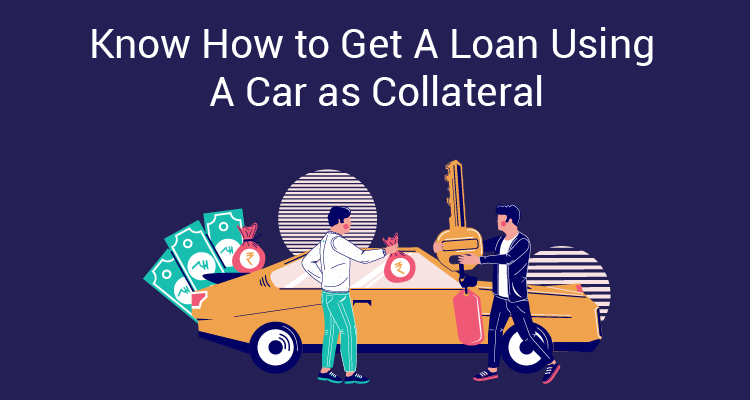
They'll also look at your debt-to-income ratio. This is basically a comparison of how much money you owe compared to how much you earn. If you’ve got a bunch of credit card debt already, on top of student loans (if you’re in college), lenders might get a little nervous about adding a car payment into the mix. They want to see that you can handle your existing financial obligations before you take on a new one.
And, of course, the car itself plays a role. Lenders are often more willing to finance a used car, especially an older, less expensive one, than a brand-new, shiny model. Why? Because the risk is lower. If you can’t make payments on a $10,000 used car, it’s a lot easier for the lender to recoup their losses than if you can’t pay for a $30,000 new one. They also might have restrictions on the age and mileage of the car they’re willing to finance. It's not like they're going to lend you money for a classic Mustang from the 60s, as cool as that would be!
Different Avenues to Explore
Okay, so we've established that it's possible, but maybe not as easy as buying a candy bar. So, where do you actually go to try and get this elusive car loan?
Dealership Financing: This is probably the most common route for many people. You walk into a dealership, you find a car you like, and they have financing options right there. They work with various lenders, and they can sometimes be more flexible with younger buyers, especially if you have a good down payment or a cosigner. They'll do the paperwork and try to find a deal for you. It's convenient, but it's also important to shop around because dealership rates aren't always the absolute best.
Banks and Credit Unions: These are often considered the "traditional" lenders. Banks and credit unions can offer car loans, and if you already have an account with them, that can sometimes help. Credit unions, in particular, are often known for being more community-focused and can sometimes have more favorable terms for their members. Building a relationship with your local credit union might be a smart move. They’re not just about the bottom line, you know?
Online Lenders: The internet has opened up a whole new world of financing! There are tons of online lenders that specialize in car loans. Some are great for people with excellent credit, others cater to those with less-than-perfect credit. You can often get pre-approved online very quickly, which gives you a good idea of what you might qualify for before you even set foot in a dealership. This can be a huge advantage for comparison shopping. Just be sure to research any online lender thoroughly to make sure they're reputable.

The Down Payment Difference Maker
Let's talk about another HUGE factor that can make getting a car loan easier: the down payment. This is the chunk of cash you put down upfront towards the price of the car. The more you can put down, the less you need to borrow. And guess what? Lenders love it when you put down a significant down payment. It shows you're serious, it reduces their risk, and it often leads to better loan terms.
Think of it this way: if you're trying to borrow almost the entire cost of the car, lenders get a bit antsy. But if you can bring, say, 10-20% of the car's price to the table in cash, suddenly you look like a much more attractive borrower. It's like showing them you've already invested some of your own skin in the game. So, if you've been saving up, or you have some birthday money burning a hole in your pocket, consider putting it towards a down payment. It could be the golden ticket!
Building Your Financial Future (One Car Loan at a Time?)
Here’s a thought that might surprise you: getting a car loan, and paying it off responsibly, can actually be a good way to build your credit. It sounds a bit counter-intuitive, right? You need credit to get a loan, but getting a loan helps you build credit? It’s a bit of a chicken-and-egg situation, but it’s true. By making consistent, on-time payments on a car loan, you’re demonstrating to future lenders that you are a responsible borrower. This can pave the way for future loans, like mortgages or even business loans, down the line.
So, while the immediate goal is to get your hands on those car keys, remember that this is also a step in building your financial independence. It’s about proving to the world (and yourself!) that you can handle financial responsibility. It’s a rite of passage, in a way. A very practical, wheel-having rite of passage.

Things to Watch Out For
Now, we can’t just talk about the good stuff, can we? There are a few little booby traps to be aware of when you’re an 18-year-old navigating the car loan waters. First and foremost, beware of predatory lenders. These are the folks who prey on people with limited credit history or urgent needs. They might offer "guaranteed approval" or have unbelievably high interest rates and hidden fees. Always read the fine print. If something sounds too good to be true, it probably is. Don't be afraid to walk away if a deal feels off.
Also, be realistic about the car you can afford. It’s easy to get caught up in the excitement of a shiny new car, but remember to factor in all the costs: insurance, gas, maintenance, registration. A car loan is just one piece of the puzzle. You don't want to be driving a car you love but can’t afford to keep on the road. That's just sad. Very, very sad.
And finally, have those conversations with your parents or guardian early and often if you're hoping they'll cosign. Be upfront about your intentions and your financial situation. They’re more likely to help if they see you’ve done your homework and are taking this seriously.
So, to Sum it All Up…
Can you get a car loan at 18? Yes, you absolutely can. Is it guaranteed to be easy? Probably not. But with a little preparation, a realistic approach, and maybe a helpful cosigner, you can definitely make it happen. Focus on building a good credit history, saving for a down payment, and exploring your financing options. It might take a bit of effort, but that feeling of cruising in your own car? Totally worth it.
It’s a big step, but it’s a manageable one. Think of it as your first big financial adventure. Go forth, be smart, and may your road trips be epic!

