Can You Drink Tap Water In Rome

Ah, Rome. The Eternal City. A place where history whispers from every cobblestone, where the scent of espresso hangs perpetually in the air, and where, let's be honest, you're probably going to be doing a lot of walking. And when you're walking, you get thirsty. Like, really, really thirsty. It’s the kind of thirst that makes you eye up every fountain with the intensity of a desert nomad spotting an oasis. But then the age-old question creeps in, right before you’re about to glug down a litre of what looks suspiciously like ancient Roman bathwater: Can you actually drink the tap water in Rome?
It’s a question that can send a shiver down your spine, can't it? Especially if your last memorable experience with "local water" involved a questionable roadside stand in a place where "hygiene" was a whispered rumour. Suddenly, that charming, slightly mossy fountain starts looking a bit like a gateway to a week of… well, let’s just say unscheduled bathroom breaks. And nobody wants their Roman holiday to be that kind of memorable.
Let's dive in, shall we? Because the answer to that burning question is, in a word: Yes! Pretty much, anyway. And not just a hesitant, "well, it might be okay" yes, but a resounding, “definitely, go for it!” yes.
Must Read
Think about it. Rome has been around for, you know, ages. Longer than your favourite pair of comfortable walking shoes, probably. And for all those centuries, people have been living there, thriving, building empires, and presumably, quenching their thirst. You don't think they were all meticulously boiling every drop of water like they were preparing for a medieval plague, do you? (Although, let's be honest, some of those old plumbing systems might have given that impression.)
The truth is, Rome boasts an absolutely legendary public water system. It’s been refined over centuries, with an intricate network of aqueducts that would make today’s engineers scratch their heads and mutter about "old-school genius." These aren't your average, slightly dubious pipes. These are the arteries of the city, delivering fresh, clean, and remarkably tasty water. It's like the city's own personal hydration superhero, working tirelessly behind the scenes.
The Nasoni: Rome's Hydration Heroes
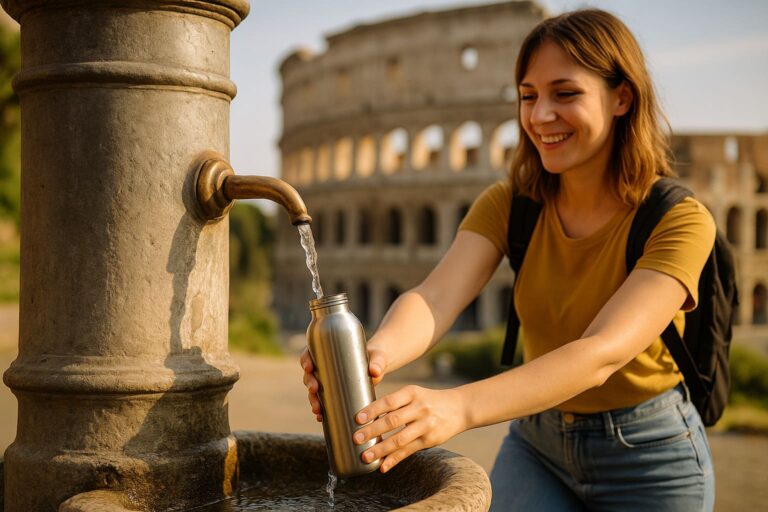
And the best part? This superhero has a bunch of little helpers scattered all over the city. They're called "nasoni," which literally translates to "big noses." Now, before you start picturing a city full of giant, water-spouting schnozzes, understand that this name comes from the distinctive, often bulbous shape of their spouts. They’re charmingly unpretentious, these nasoni. Just simple, sturdy structures, usually made of stone or metal, with a tap sticking out. They’re everywhere. Seriously, you can’t walk more than a few blocks in Rome without stumbling upon one.
Picture this: You're trudging up the Spanish Steps, feeling like you're auditioning for a gladiator movie, sweat trickling down your back. Your throat is as dry as a forgotten cracker. You glance around, desperate. And then, like a mirage that’s actually real, there it is. A nasoni. A beautiful, benevolent nasoni, ready to offer you salvation in liquid form. It's a moment of pure, unadulterated joy. You can practically hear the angelic choir.

And the water? It’s not some lukewarm, metallic-tasting horror. It’s cold. Refreshingly, wonderfully cold. It’s the kind of water that makes you close your eyes and just sigh with relief. It’s pure, crisp, and surprisingly flavourful. Some people even swear they can taste the ancient Roman minerals in it. I’m not saying you’ll suddenly feel like you’re channeling Julius Caesar, but it’s definitely a notch above the water you might get from a dodgy bottle you bought at a tourist trap.
So, next time you see a nasoni, don't hesitate. Just grab your water bottle – or even your cupped hands if you're feeling particularly adventurous and slightly unconcerned about getting a bit drippy – and fill up. It's free, it's refreshing, and it’s a genuine part of the Roman experience. Think of it as your personal hydration passport.
But What About My Sensitive Stomach?
Now, I hear some of you whispering, "But what about my stomach? My stomach is more delicate than a Victorian lady's fainting couch." I get it. We’ve all been there. That feeling of "Will this ruin my trip?" is a legitimate concern. And for the vast majority of people, the answer is a resounding no. Roman tap water is consistently monitored and meets all the stringent European Union standards for drinking water. It's not some wild experiment. It's regulated, tested, and generally considered to be of excellent quality.
Think of it this way: Italians drink this water every single day. They shower in it, they cook with it, they make their glorious espresso with it. If it were generally unsafe, there would be a perpetual city-wide epidemic of… well, you know. And Rome would probably be a lot less full of life and la dolce vita.

Of course, there are always exceptions to every rule. If you've just arrived from a place where the tap water is, shall we say, challenging, your stomach might need a little time to adjust. In that case, easing into it with bottled water for the first day or two might be a good idea. It's like introducing a new, spicy dish to your palate – start slow and build up.
And if, by some cosmic misfortune, you do have a bad reaction, well, that's unfortunate. But it's highly unlikely to be solely due to the tap water itself. Sometimes, travel does funny things to our insides, and it’s easy to blame the most accessible culprit. Did you accidentally eat that whole artisanal cheese wheel by yourself? Did you forget to wash your hands after petting that adorable, but potentially germ-laden, stray cat? Sometimes, the blame lies closer to home (or to your own adventurous palate).
Bottled Water vs. Tap Water: The Great Italian Debate
Now, you'll see a lot of bottled water being sold in Rome. Supermarkets, restaurants, little kiosks on every corner. And it’s perfectly fine to buy bottled water if you prefer. Some people just like the taste of bottled water, and that's okay. It's your personal preference, and there's no judgment here. It's like choosing between a fancy artisanal gelato and a classic cornetto from the local bar – both are delicious in their own way.
However, let's talk about the environmental impact. Every plastic bottle you buy contributes to landfill, to pollution, and to the general "eek, what are we doing to this planet?" feeling. And let's be honest, lugging around a case of bottled water when you're navigating those ancient streets can feel like a Herculean task. Your arms will thank you for switching to tap.

Plus, there’s a certain romanticism in drinking from a nasoni. It feels more authentic, more connected to the city. It's like you're participating in a timeless Roman ritual. You’re not just a tourist; you’re a temporary Roman, blending in with the locals, sipping from the same sources they have for generations. It's a little act of rebellion against the ubiquitous tourist trap.
When you're in a restaurant, you can even ask for "acqua dal rubinetto" (tap water). Some places might offer it readily, others might look at you like you've asked for a unicorn. But if they do serve it, it's usually perfectly fine. Some restaurants, especially those catering more to locals, will happily bring you a carafe of chilled tap water. It's a good sign you're in a place that values authenticity and sustainability.
The "Sparkling" Question: Frizzante vs. Naturale
And what about the fizzy stuff? Ah, yes, the great debate of frizzante (sparkling) versus naturale (still). In Italy, the default expectation when you ask for "acqua" in a restaurant is often bottled, and you'll likely be asked if you want it sparkling or still. If you're in a place that offers tap water, it will almost always be still. So, if you're a dedicated fan of bubbles, you might find yourself reaching for the bottled option more often than not.
However, for those who are perfectly happy with still water, the nasoni are your best friends. They deliver a constant supply of pure, refreshing still water. Think of it as your everyday, reliable source. The bottled sparkling water is more of a treat, a special occasion beverage.

The taste difference between tap water and bottled water can be subtle. Some people are super sensitive to it, while others couldn't tell the difference if their life depended on it. Roman tap water is often described as having a clean, mineral-rich taste, without the sometimes sterile or slightly plastic aftertaste that can come with bottled water. It's like the difference between a homemade pasta dish and a store-bought one – both can be good, but there's a certain depth and character to the former.
A Word on Plumbing and Taste
Now, a quick word on the actual plumbing. While the water itself is treated and safe, the pipes in some older buildings can occasionally impart a slight taste or colour. This is usually more noticeable when you first turn on the tap, especially if it hasn't been used for a while. So, if you get a slightly cloudy or yellowish stream initially, let it run for a few seconds. It’s like waking up an old friend – they might be a bit groggy at first, but they’ll soon be their charming selves again.
This is particularly relevant if you’re staying in an Airbnb or a more historic apartment. The building's internal plumbing might be older. However, the water that enters the building is still top-notch. It’s a bit like having a beautiful antique car – it might have a few quirks, but the engine (the water source) is still running strong.
Most modern hotels and newer establishments will have updated plumbing, so you’re less likely to encounter this. And honestly, for most people, the taste difference is so minimal it's barely noticeable. It's like complaining about a tiny imperfection on a Renaissance masterpiece – it's there if you look for it, but it doesn't detract from the overall beauty.
So, to recap, can you drink tap water in Rome? Absolutely! It’s safe, it’s delicious, and it's a fantastic way to stay hydrated without breaking the bank or contributing to plastic waste. Embrace the nasoni, fill up your reusable bottle, and enjoy the pure, refreshing taste of Rome. It's one of those little things that can make your trip feel more authentic, more connected, and just plain better. Now go forth and hydrate like a local!