
Can I Metal Detect On The Beach

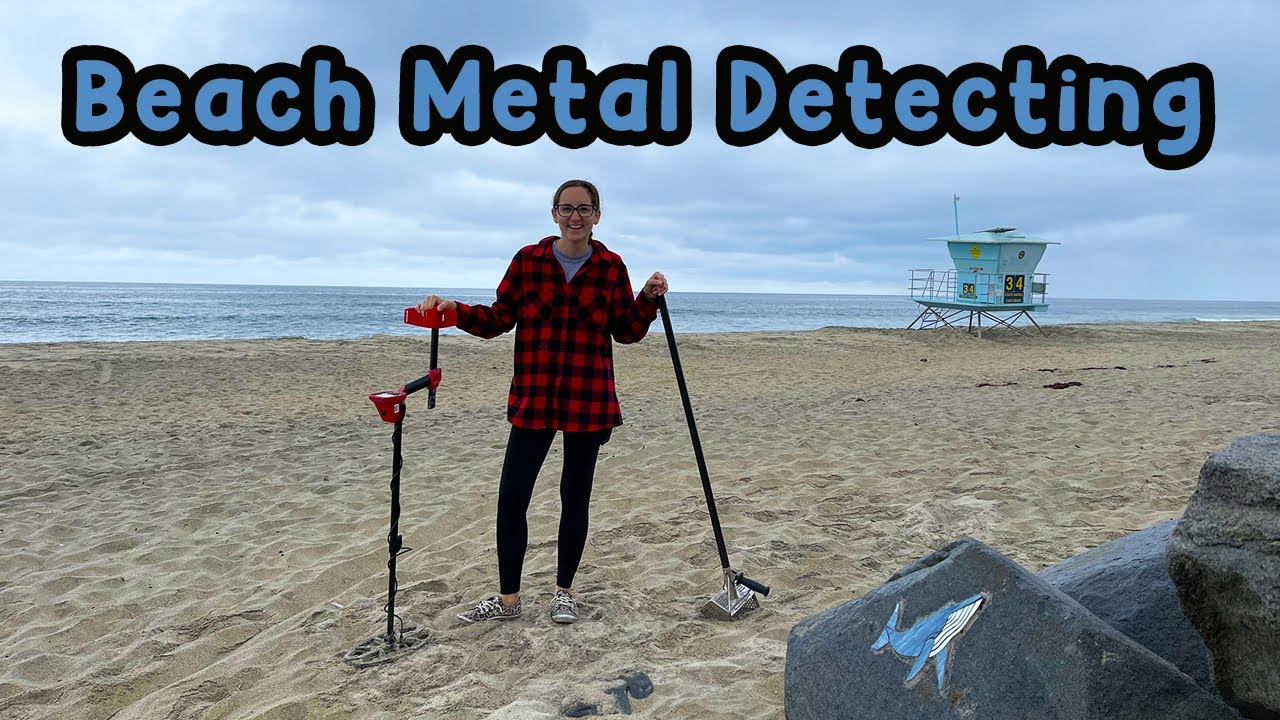
Just last week, I was strolling along the shore, the kind of day where the sun paints everything in warm, fuzzy tones and the waves whisper secrets only they know. I’d got my trusty metal detector with me, more for the thrill of the hunt than any grand expectations. You know, the usual suspects: bottle caps, pull tabs, maybe a rusty nail. But then, ping! A different kind of signal. A nice, clear tone. I dug, expecting another piece of modern detritus, but my trowel hit something solid. And there it was, glinting in the sand – a tarnished silver locket, delicate and clearly old. My heart did a little jig. It’s these little moments, these unexpected treasures, that make you think: can I really metal detect on the beach? The answer, my friends, is a resounding yes, but it’s not quite as simple as just grabbing your detector and heading for the sand.
So, you’re standing there, that shiny new metal detector practically humming with anticipation in your hands. The beach stretches out before you, an endless canvas of possibility. You can almost feel the ghostly whispers of forgotten coins and lost jewelry calling out to you. It’s a romantic notion, isn’t it? The beachcomber, uncovering the lost relics of sun-soaked holidays and forgotten picnic days. But before you get too carried away with visions of finding pirate gold (which, let’s be honest, is probably a long shot, but a fun thought!), we need to talk about the practicalities. The really important stuff.
The Big Question: Is it Even Allowed?
This is the number one question, and it’s a cracker. The short answer? Mostly, yes. But and it's a big ol' but – it depends. Heavily. Think of it like this: every beach has its own set of rules, its own little personality. Some are super chill, practically begging you to come explore. Others are more… let's say, particular. They have gatekeepers, metaphorical or otherwise, who might frown upon your digging endeavours.
Must Read
Why the variation, you ask? Well, it boils down to a few key things. First off, ownership. Who actually owns that sandy stretch you're eyeing? Is it a public park run by the local council? Is it a private beach belonging to a swanky hotel? Or is it part of a nature reserve, where the wildlife is king and your digging might be seen as a bit of a rude interruption?
Then there's the issue of conservation. Beaches are delicate ecosystems. They're home to nesting birds, tiny sea creatures, and a whole host of other living things that aren't thrilled about being disturbed by a swinging coil. If you're in an area known for its biodiversity, or if there are protected species around, your detector might be a no-go.
And let's not forget about history. Some beaches have archaeological significance. Think ancient shipwrecks, historical settlements, or even old fortifications. In these cases, any finds could be incredibly important for understanding our past, and leaving them undisturbed for experts to find is crucial. Digging them up yourself could be considered looting, and trust me, you don't want that kind of trouble.
So, how do you find out? Simple, really. A quick Google search for "[Your Beach Name] metal detecting rules" is your best friend. Check the website of the local council or the authority that manages the beach. If you can’t find anything online, a quick phone call is usually in order. Don't be shy! Most people are happy to help you navigate the rules, and it’s way better than getting a stern telling-off later.
The Gear Up: What You Actually Need
Okay, so you’ve figured out it's allowed. Now, what do you actually need to get started? You might think it's just a metal detector and a shovel, and while that's the core, there's a little more to consider to make your beach detecting experience awesome (and responsible!).
First and foremost, the metal detector. Not all detectors are created equal, especially when it comes to saltwater beaches. Saltwater can play havoc with some detectors, causing false signals and making it frustratingly difficult to find anything. You'll want a detector that's specifically designed for or has good discrimination against saltwater interference. Many modern detectors have a "beach mode" or can be manually adjusted to handle mineralized ground and saltwater. Do your research! A good beach machine is an investment, but it will save you a lot of headaches.

Next up: the digging tool. Forget your garden trowel. For the beach, you need something sturdy, preferably with a serrated edge. A beach scoop, also known as a sand scoop or digging trowel, is your best mate. These are designed to sift sand quickly and efficiently, and the serrated edge helps cut through seaweed and packed sand. Plus, they’re usually made of durable plastic or stainless steel, so they won't rust away on you.
You'll also want a pinpointer. This little gizmo is a game-changer. Once you've dug a plug of sand and think you've located your target, the pinpointer helps you pinpoint its exact location within the sand plug. It saves you from digging a massive hole and makes recovering small targets, like rings or earrings, much easier. Think of it as your treasure-finding magnifying glass.
And, importantly, a bag for your finds. This is where the responsible part kicks in. You'll need a sturdy bag to carry your treasures. But equally important is a separate bag or pocket for all the junk you dig up. We'll get to that in a minute, but trust me, it's crucial.
Don't forget comfortable clothes, a hat, sunscreen, and plenty of water. The sun on the beach can be brutal, and you don't want to be dehydrated or sunburnt when you're having the time of your life. A good pair of waterproof shoes or boots can also be a lifesaver, especially if you plan on wading into the shallows.
The Art of the Dig: Leave No Trace!
This is where many aspiring beach detecters stumble. They get excited about a signal, dig a massive crater, and then… leave it. Shudder. That’s a big no-no. Not only is it incredibly annoying for other beachgoers, but it’s also bad for the environment and can get you a very stern talking-to, or worse.
The golden rule of metal detecting, whether you're in a park, a field, or on the beach, is leave no trace. This means every single bit of sand you dig up, you must put back. And not just vaguely shove it back in the hole. You need to do it neatly.
Here's the technique: When you get a good signal, carefully dig a horseshoe-shaped plug of sand. Try to keep it as intact as possible. Then, gently lift the plug out of the hole. Use your pinpointer to locate the target within the sand plug or at the bottom of the hole. Once you've recovered your target (hooray!), carefully place the sand plug back into the hole, making sure it’s flush with the surrounding sand. You want the area to look as if you were never there.
It takes a bit of practice, but it’s a skill worth mastering. It shows respect for the beach, its users, and the environment. Nobody likes stepping into a hole, and frankly, the people who manage beaches are not fans either.
Trash vs. Treasure: The Reality of Beach Finds
Let’s get real for a second. While we all dream of finding a lost Rolex or a doubloon, the vast majority of what you'll dig up on a beach is… well, trash. Think bottle caps, pull tabs, bits of foil, old fishing hooks, and an alarming amount of plastic. It's the price of admission, really.
And here’s where your commitment to responsible detecting really shines. You must take all your trash with you. All of it. No exceptions. This is non-negotiable.
Why? Because you're not just cleaning up your own mess; you're actually helping to clean up the beach. You’re removing potential hazards for wildlife and other beach users. So, that’s why you need that separate bag for your finds – one for the potential treasures, and one for the absolute junk. It makes sorting easier later, and it keeps your cool finds from getting covered in rusty nails and chewing gum wrappers.
Sometimes, you'll dig up something that's not exactly treasure, but it's interesting. Old coins from other countries, for example, or perhaps a piece of old pottery. These can be fascinating in their own right, even if they’re not going to pay for your next holiday.

And the joy of finding something genuinely valuable? It’s unparalleled. That moment of realization when you hold a beautiful piece of jewelry, or a coin that’s seen centuries pass, is what makes all the digging worthwhile. Just remember to appreciate both the glitter and the grit!
What About the Rules of the Deep? (Wading and Water Detecting)
Many beach detecters venture into the shallows, or even further out with specialized waterproof detectors. This is where things can get even more exciting, as the water churns up and moves things around. Think of the area between the high tide line and the low tide line – this is often called the "wash zone" – a prime spot for finding lost items.
If you’re going to be wading, make sure your detector is waterproof or at least water-resistant. Also, be mindful of the tides. You don’t want to get caught by a rapidly rising tide! It’s a good idea to have a buddy with you if you’re going to be detecting in deeper water.
Furthermore, be extra vigilant about the rules. Some beaches that allow detecting on dry sand might have stricter rules about wading or diving. Again, check those local regulations!
And when you’re wading, you’re sifting sand in a different way. You’re often using your scoop to sift through the waterlogged sand. Be prepared for everything to be a little messier and for targets to be deeper.
The Etiquette of the Sand: Be a Good Sport
Beyond the official rules, there’s a certain unwritten code of conduct for metal detecters. Being a good sport makes the hobby more enjoyable for everyone, including you.

Be considerate of other beachgoers. Don't set up shop right next to someone who's trying to relax, build sandcastles with their kids, or read a book. Give people their space.
Don't dig up the entire beach. Focus on areas that look like they might have potential, like near lifeguard stations, picnic areas, or popular swimming spots. Avoid just randomly digging everywhere.
If you find something valuable or historically significant, consider reporting it. While you’re allowed to keep many personal finds, if you stumble upon something of clear historical importance, it's best to consult with local authorities or historical societies. They might be thrilled to have it for preservation and study, and you'll be a hero!
Be friendly and approachable. People will be curious about what you’re doing. If you have a smile and a polite answer to their questions, they’re more likely to be curious and less likely to be annoyed. You might even make some new detecting buddies!
Never trespass. Stick to public access areas. Private property is just that – private. Respect it.
The Verdict: Go Forth and Detect (Responsibly!)
So, can you metal detect on the beach? Absolutely! It's a fantastic hobby that can lead to some incredible discoveries and a deeper connection with your surroundings. But it’s a hobby that comes with responsibility. It’s about respecting the rules, the environment, and your fellow beach enthusiasts.
Arm yourself with knowledge, invest in decent gear, and always, always practice the "leave no trace" ethos. If you do that, you'll find that the beach can be an absolute goldmine – not always in monetary terms, but in the sheer joy of discovery and the satisfaction of being a responsible steward of the shore. Now, go on, grab your detector, and may your coils ring with good finds!

