Can I Lay Turf On Top Of Grass

So, you’re staring at your lawn. It’s… less than perfect. Maybe it’s patchy. Maybe it’s just plain sad. And then, BAM! Inspiration strikes. New turf! The instant green carpet. But then, a little voice in your head pipes up. “Can I just… lay it on top of what’s already there?”
It’s a question that tickles the brain, right? Like wondering if you can build a new Lego castle on top of an old, slightly wobbly one. It sounds so… easy. But is it a genius shortcut or a recipe for lawn disaster?
Let’s dive in! We’re talking about the ultimate backyard makeover hack. Or maybe, the ultimate backyard facepalm. Either way, it’s more interesting than watching paint dry. Or, you know, watching your existing grass slowly die.
Must Read
The Grand Illusion: Laying Turf on Turf
Imagine this: You’ve got a roll of glorious, emerald-green turf. It smells like pure, unadulterated lawn perfection. And underneath? Your current grass. A bit wild. A bit weedy. Maybe even a bit… alien.
The idea of just slapping the new stuff down is undeniably tempting. It’s like saying, “Out with the old, in with the even newer, greener!” No digging. No wrestling with stubborn roots. Just pure, unadulterated lawn magic. Poof! Instant paradise.
But here’s where the plot thickens. Think of your lawn as a layered cake. You’ve got the soil. You’ve got the old grass. And you want to add a whole new layer of fluffy icing (the new turf). What happens if that bottom layer is squishy and uneven?
The Downside of Doing the Easy Thing
So, why isn’t everyone doing it? What’s the big secret? Well, it all comes down to what happens underneath. Your existing grass isn't just a flat green carpet. It’s a whole ecosystem! It’s got roots. It’s got thatch. It’s got… well, possibly some very dedicated worms.

When you lay new turf directly on top of old grass, you’re essentially creating a barrier. The new turf can’t properly connect with the soil. It’s like trying to build a skyscraper on a trampoline. Not exactly stable, is it?
Plus, that old grass? It’s going to decompose. And when it decomposes, it can get… mushy. We’re talking about potential mold. We’re talking about potential diseases. We’re talking about a breeding ground for all sorts of unpleasantness. Ew.
Why Old Grass is a Stubborn Roommate
Think of your old grass as a roommate who just won’t leave. They’ve made their space, they’ve put down roots (literally!), and they’re not exactly thrilled about sharing. Laying turf on top is like saying, “Hey, move over, there’s a new sheriff in town!”
That old grass needs to go. It needs to be cleared out. Why? Because it creates a thick layer of thatch. Thatch is that dense, spongy mat of dead grass and roots that builds up over time. It’s like a built-in compost bin that’s way too eager to get started.
If you bury that thatch with new turf, it traps moisture. And trapped moisture is the super-duper fuel for all sorts of lawn nasties. We’re talking fungal diseases that can turn your beautiful new turf into a sad, brown mess faster than you can say “oops.”
The Great Decomposing Debate
Here’s a quirky fact for you: decomposing organic matter creates heat. So, if you bury a thick layer of grass, it can actually start to cook. Not in a good, barbecue-ready way. More like a slow, slimy, composty simmer. Your new turf, desperate for fresh air and soil, will be stuck above this… earthy oven.
And let’s not forget about nutrients. New turf needs good, healthy soil to thrive. If it’s sitting on top of decaying grass, it’s not getting what it needs. It’s like trying to feed a baby gourmet meals through a straw. Not ideal.
So, while the idea of an instant turf blanket is alluring, it’s a bit like putting on a fancy coat without washing your clothes underneath. It looks good for a second, but the real story is happening below the surface.
The “So, What Can I Do?” Section
Okay, okay, I hear you. “You’ve burst my turf-laying bubble! What am I supposed to do now, hero?” Don't despair! Lawn transformation is still possible. It just requires a little more… effort. But hey, isn’t that where the fun is? The challenge! The triumph!
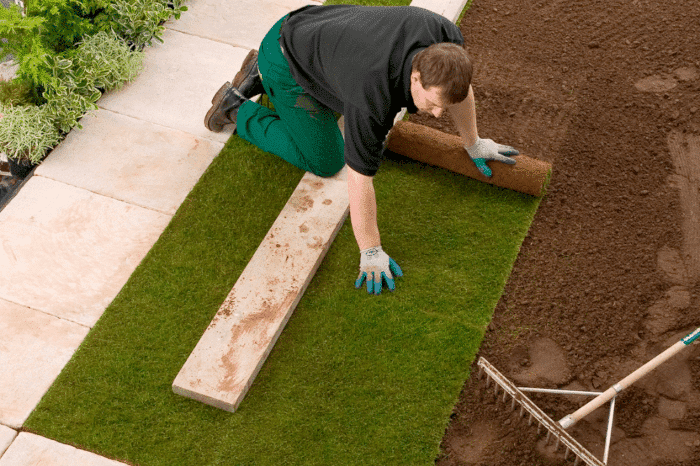
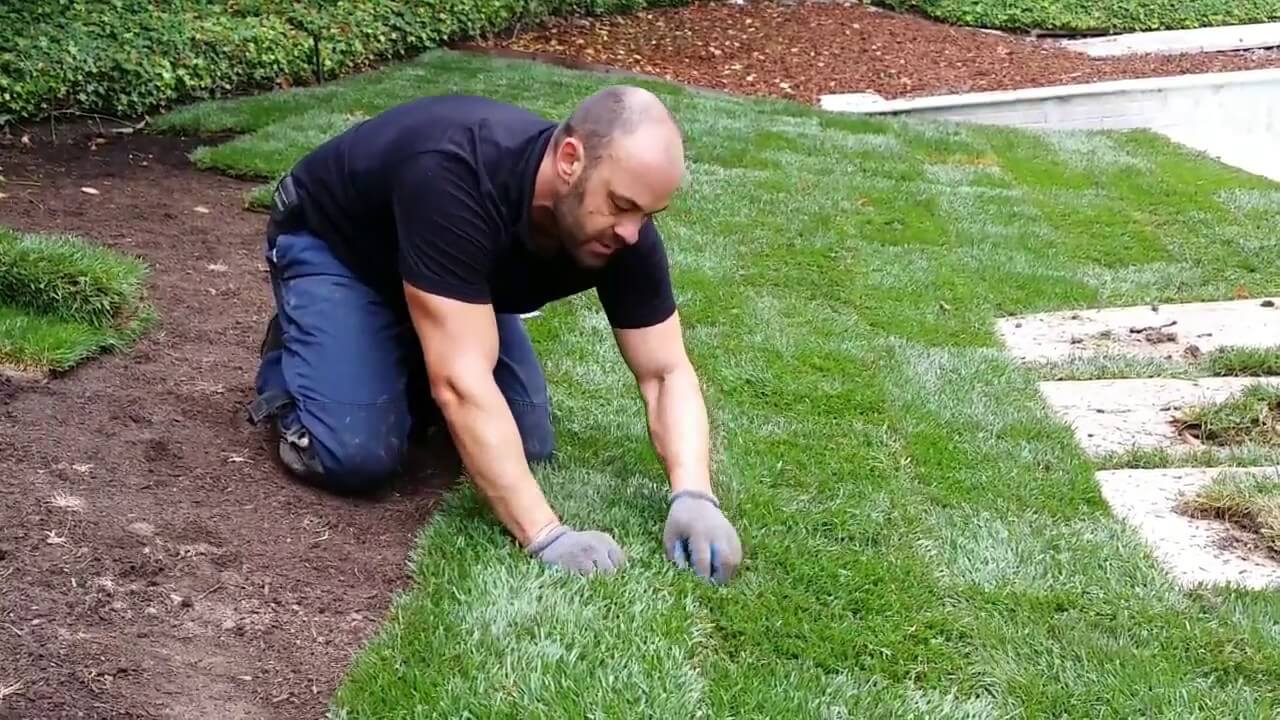
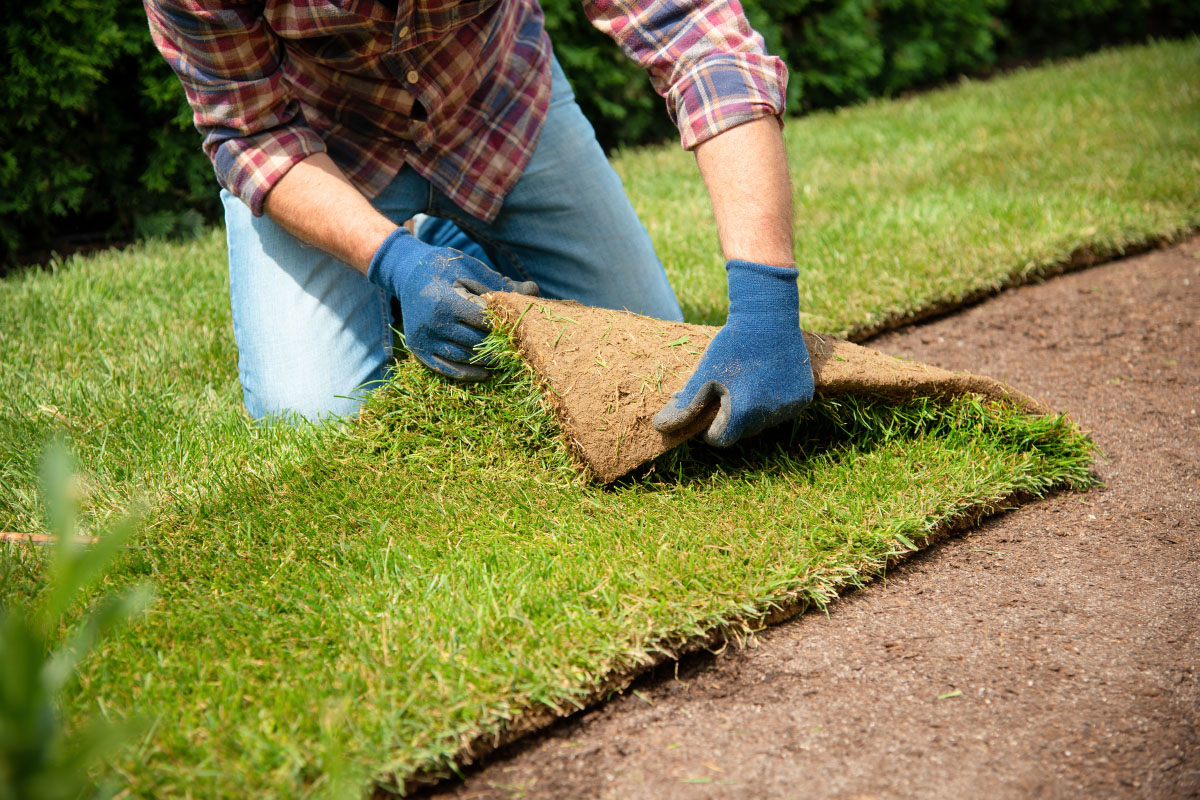
The best way to lay new turf is on bare soil. Yes, it means saying goodbye to your old grass. It means getting your hands dirty. But trust me, your new turf will thank you.
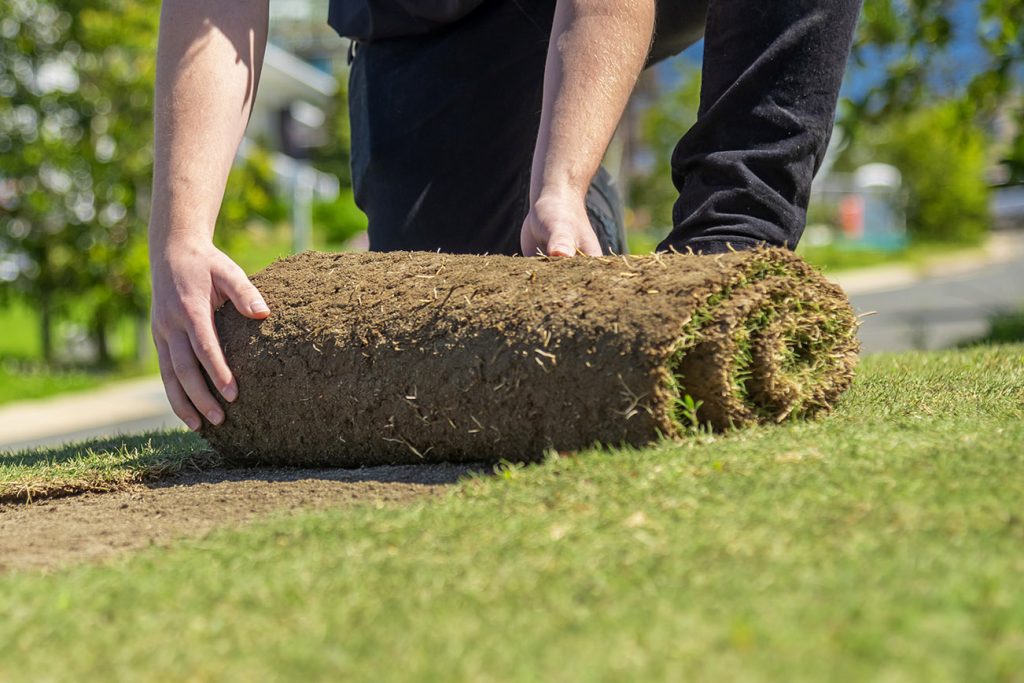
First, you’ll want to deal with the old grass. You can do this a few ways. Stripping the turf is a classic. It’s like giving your lawn a haircut, but more… permanent. You use a special tool called a turf cutter. It slices under the roots, and you roll it up like a giant, muddy Swiss roll. It’s surprisingly satisfying!
Another method is digging it out. This is more manual, more of a workout. But it’s very effective. You’re basically removing the top layer of sod. Think of it as clearing the canvas for your masterpiece.
Then, you prepare the soil. Loosen it up. Add some good quality compost. Make it a welcoming bed for your new turf. This is where the magic really happens.
The “Why Bother?” Bonus Points
Why go through all this trouble? Because you’re investing in a beautiful, healthy lawn. A lawn that will last. A lawn that won’t turn into a soggy mess after the first heavy rain. A lawn that will make your neighbors green with envy (in a good way, of course!).
When your new turf is laid on properly prepared soil, its roots can grow deep. They can anchor themselves. They can access water and nutrients efficiently. This means a stronger, more resilient lawn. Less prone to drought. Less prone to disease. Less prone to… well, looking like it’s contemplating its life choices.
Plus, there’s a certain pride in a job well done, right? Knowing you put in the effort and reaped the rewards. It's the difference between buying a pre-made sandwich and actually making your own delicious creation. Both are food, but one has that extra oomph.
The Quirky World of Lawn Laying
Did you know that some people actually compost their old turf? They let it break down completely, and then use that nutrient-rich compost to prepare their new lawn bed! It’s like lawn reincarnation. Very eco-friendly, very… dedicated.
And the smell of freshly laid turf? It’s surprisingly evocative. For some, it’s the smell of summer. For others, it’s the smell of hard work and a job well done. It’s a scent that sparks joy (and maybe a little bit of lawn envy).
So, while the idea of simply layering turf might seem like a fun shortcut, the real fun lies in the process. The satisfaction of preparing the ground. The anticipation of seeing that perfect green carpet unfurl. It’s a small adventure in your own backyard. A chance to get a little muddy, a little sweaty, and a whole lot happier with your outdoor space.
So, next time you’re eyeing that patchy lawn and dreaming of instant perfection, remember the layers. Remember the earthworms (they’re probably on your side!). And embrace the journey. Your lawn, and your future self, will thank you for it.