Can A Dog Use A Cat Litter Box

The idea of a dog using a cat's litter box is, let's be honest, a little bit hilarious. It conjures up images of a clumsy canine trying to elegantly perch where their feline housemate usually reigns supreme. But beyond the inherent silliness, it's a question that sparks curiosity for many pet owners. Perhaps you've seen your dog eyeing the litter box with a bit too much interest, or maybe you're a multi-pet household wondering about the logistics. Or, perhaps you're simply a fan of those wonderfully weird corners of the internet where pets do the unexpected!
Whatever the reason, the concept of a dog using a litter box is more than just a quirky thought experiment. For some, it can be a genuinely practical solution. Imagine a situation where a dog owner is dealing with mobility issues, a puppy who isn't fully house-trained, or even a dog with anxiety that makes outdoor potty breaks stressful. In these scenarios, a litter box could offer a convenient and accessible potty spot, reducing accidents and stress for both pet and owner. It's about finding creative ways to make life easier and more comfortable for our beloved furry companions, and sometimes, those solutions involve rethinking traditional potty training methods.
The Curious Case of Canine Litter Box Use
So, can a dog actually use a cat litter box? The short answer is: yes, some dogs can, but it's not exactly a universal phenomenon, and there are definitely some important considerations involved. Unlike cats, who are instinctively drawn to the concept of burying their waste in a designated, contained area, dogs are typically trained to relieve themselves outdoors.
Must Read
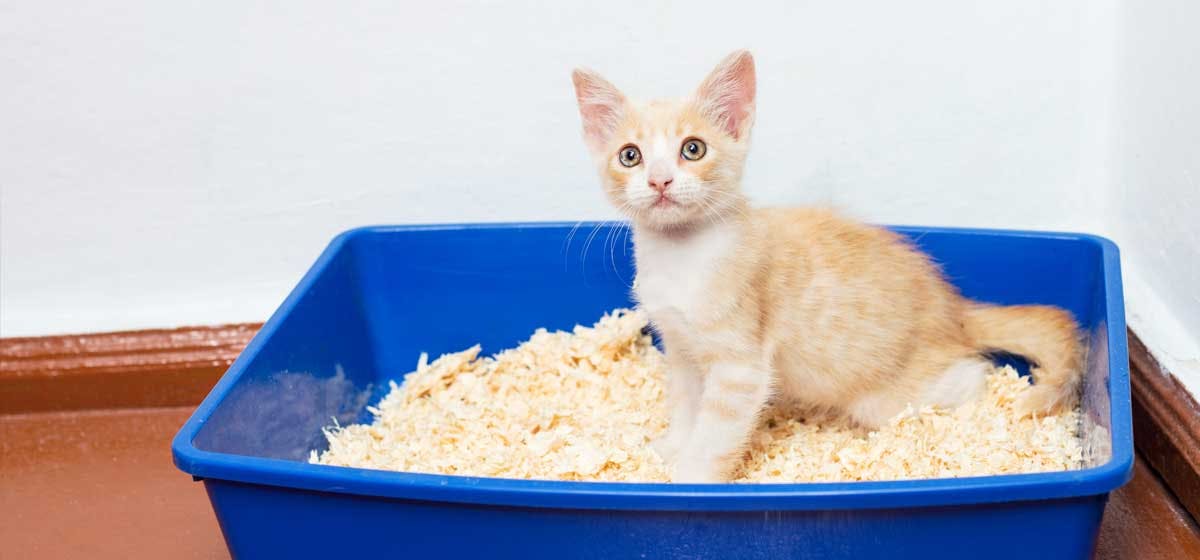
However, with a bit of patience, the right approach, and perhaps a dog who is particularly adaptable and eager to please, it's entirely possible to teach a dog to use a litter box. This often involves a gradual introduction, similar to litter training a kitten. You might start by placing the litter box in an easily accessible location, like a bathroom or a designated corner of a room. Then, you'd encourage your dog to investigate it, perhaps by placing a treat inside or using a specific command associated with potty breaks.
When it comes to the type of litter, this is where things get a little tricky. Most cat litter is designed to clump and absorb moisture, which is perfect for cats. However, some dogs might not be as keen on the texture, and certain types of clumping litter can be harmful if ingested in large quantities. For this reason, many owners who successfully litter-box train their dogs opt for non-clumping, natural litters made from materials like recycled paper, pine, or corn. These are generally safer if a curious dog decides to take a nibble.

"It's about finding creative ways to make life easier and more comfortable for our beloved furry companions..."
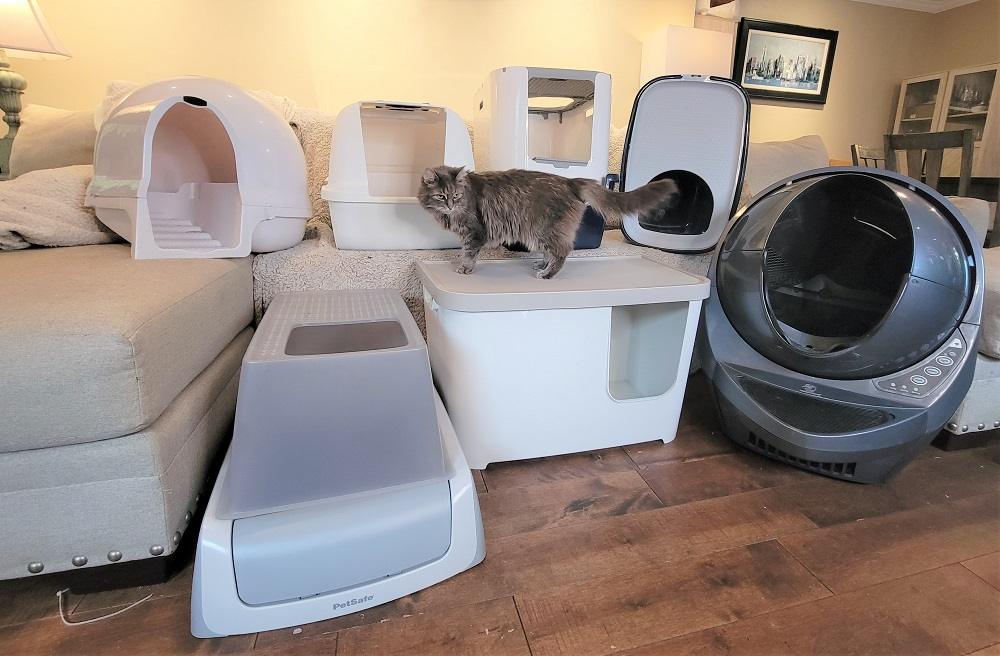
The size of the litter box is also a factor. A standard cat litter box might be a bit small for a medium to large dog. You might need to look for larger, more robust options, perhaps even those designed for larger breeds or that are more like shallow trays. Some resourceful owners have even repurposed storage bins or shallow plastic containers to create a custom-fit potty area.
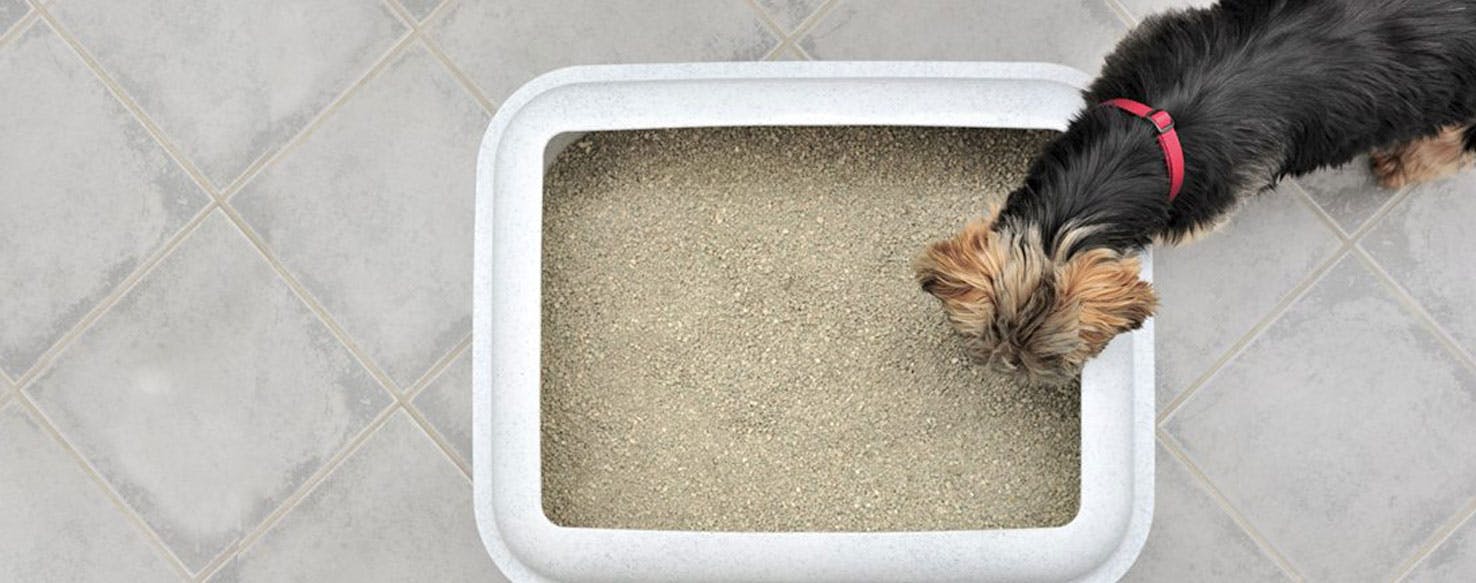
The benefits of a dog using a litter box can be substantial, especially in specific circumstances. For puppies, it can serve as a crucial stepping stone in the house-training process. Instead of navigating the complexities of outdoor potty breaks, especially in adverse weather conditions, a litter box provides a consistent and controlled environment. This can significantly reduce the number of accidents indoors and build confidence for both the puppy and the owner.
For senior dogs or those with medical conditions that affect their mobility or bladder control, a litter box can offer a much-needed sense of independence and dignity. Imagine a dog struggling to get outside quickly; a conveniently placed litter box can alleviate a lot of stress and discomfort. It's a way to ensure their comfort and well-being without requiring constant supervision or assistance for every potty break.

Furthermore, in apartment living or situations where outdoor access is limited or infrequent, a litter box can be a practical solution to ensure a dog can relieve themselves without having to go outside every time. This can also be beneficial for dogs who experience anxiety or fear when exposed to loud noises, busy streets, or other triggers in the outdoor environment. A familiar and safe indoor space can be a much more calming option.
However, it's crucial to remember that this isn't a one-size-fits-all solution. Not all dogs will take to a litter box, and forcing the issue can lead to frustration and behavioral problems. It requires understanding your dog's personality, their learning style, and being prepared to adapt your training methods accordingly. Some dogs are simply more inclined to hold it until they can go outside, and that's perfectly fine! The goal is always to find what works best for your individual dog and your household.
Ultimately, the question of whether a dog can use a cat litter box opens up a fascinating discussion about pet training and our evolving understanding of our canine companions. While it might not be the most conventional approach, for some, it’s a clever and effective way to enhance their dog's life and their own.