Can A Cat Get Fleas From A Dog
Ever looked at your cat, lounging regally on the sofa, and then at your dog, who's just rolled in something questionable (and possibly furry) in the garden, and wondered… could those tiny, unwelcome guests hop from one to the other? It's a question that pops into the mind of many a pet parent, right alongside "Did I remember to buy more tuna?" or "Is that a new scratch on the armchair?".
The short answer, as you might have guessed, is a resounding YES, a cat absolutely can get fleas from a dog. Think of it like this: your dog is basically a four-legged, slobbery buffet for fleas. If he's been out and about and picked up a hitchhiker (or a whole convention of them), and your cat decides to engage in some interspecies grooming – which, let's be honest, cats sometimes do out of sheer, unadulterated curiosity or perhaps a passive-aggressive need to assert dominance – well, then it’s game on.
It’s not like the fleas have little dog-shaped and cat-shaped backpacks, you know. They’re opportunists. They see a warm body, a blood source, and think, "Jackpot!" It doesn't matter if that warm body smells faintly of dog slobber or the lingering aroma of a salmon-flavored treat. To a flea, it's all just prime real estate.
Must Read
I remember one particularly memorable summer. My golden retriever, Buster, bless his fluffy heart, was a magnet for everything that buzzed, crawled, or decided to burrow. He’d come in from his adventures, all happy panting and muddy paws, and then our sleek Siamese, Luna, would, as cats do, approach with a mixture of disdain and intrigue. She’d sniff him, maybe give a tentative lick, and before you knew it, she was sporting a tiny, wriggling passenger of her own. It was like a miniature safari for our feline friend, and not the kind she’d enjoy.
So, how does this tiny invasion happen? It’s all about proximity and opportunity. Dogs, being the outdoor enthusiasts they are, are far more likely to encounter fleas in their environment. Think of them as furry, mobile flea recruitment centers. They’ll trot through tall grass, visit dog parks, or even just hang out with other dogs who might be carrying these miniature pirates. And when they come back inside, they bring their tiny, blood-sucking stowaways with them.
Now, your cat might be more of a homebody, a creature of comfort who prefers napping in sunbeams to rolling in the dirt. But that doesn't make her immune. If your dog brings fleas into the house, those fleas don't just stay on the dog. Oh no. They’re smart. They’ll hop off, explore the carpets, the furniture, maybe even your favorite throw blanket, looking for their next meal. And who’s often lounging on those very same soft surfaces? Your cat. She's basically laying out the welcome mat for them without even realizing it.
And then there’s the direct transfer. As I mentioned, cats and dogs sometimes engage in a bit of mutual grooming. It might be a sign of affection, or it could be a subtle power play. "Oh, you think you're so clean, human's furry servant? Let me just… groom that spot you can’t reach. wink". In the process, if there’s a flea lurking, it’s a short, easy jump to a new host. It’s like a tiny, unwanted game of musical chairs, and your cat is often left holding the "flea".
You might be thinking, "But my cat is so clean! She's always grooming herself!" And yes, cats are meticulously clean creatures. They spend a good chunk of their day making sure they’re looking their best. However, a cat's grooming, while impressive, isn't always 100% effective against a determined flea. They can get rid of some, but if the infestation is significant, those little jumpers can still find a way to set up shop. It’s like trying to win a wrestling match against a particularly tenacious opponent – sometimes, you just need a bit of outside help.

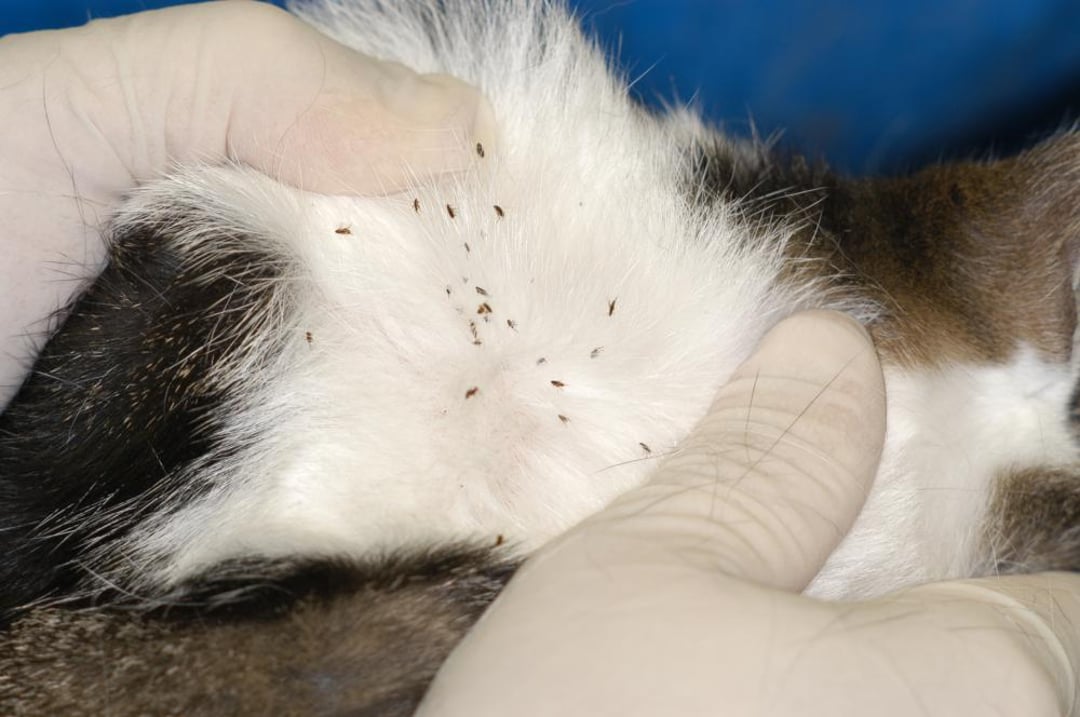
The symptoms are often the first clue. If your dog is scratching like he’s trying to dig to the center of the earth, that’s a big red flag. But your cat might show it differently. She might start scratching more than usual, or you might notice her biting or licking at her fur, especially around her hindquarters or tail. Sometimes, you might even see tiny, dark specks in her fur – flea dirt, which is actually flea feces. It looks like tiny bits of pepper, and if you put it on a wet paper towel, it’ll turn reddish-brown. Charming, I know.
It's important to remember that fleas are not just a nuisance; they can cause some real health problems for both your pets and, yes, even for you. Flea bites can be incredibly itchy for cats, leading to skin irritation, hair loss, and even allergic reactions. In more severe cases, fleas can transmit diseases and cause anemia, especially in kittens and older cats.

The good news is that dealing with this is totally manageable. It just requires a bit of vigilance and the right approach. The most effective strategy is to treat both your dog and your cat, even if only one of them is showing signs of fleas. This is crucial because, as we’ve established, the dog is often the initial source, and the house itself can become a breeding ground. You can't just target the victim; you've got to go after the whole flea army!
There are tons of great flea treatments out there. You've got your spot-on treatments that you apply to the back of their neck, your oral medications, and even flea collars. The key is to choose a product that's specifically designed for cats and to follow the instructions to the letter. What works for a big, robust dog might be too strong for a delicate feline. It’s like choosing the right seasoning for a delicate dish – you don’t want to overpower it, but you need enough to get the job done.
And don't forget about your home! Fleas spend most of their life cycle off the pet, in the environment. This means the carpets, the bedding, the furniture – they’re all potential flea nurseries. So, while you’re treating your pets, it’s also a good idea to give your house a thorough cleaning. Vacuuming frequently, especially in areas where your pets like to lounge, is a must. Make sure to dispose of the vacuum bag immediately, or empty the canister outside, so those little critters don’t have a chance to escape and start all over again. It's like performing a tiny, furry eviction notice for the entire house.
:strip_icc()/fleas-and-your-cat-552346-Final-742910b7cca544ed95622e97fd075d22.jpg)
Washing pet bedding, blankets, and anything else your pets frequently use in hot water is also a great way to kill any lurking fleas or eggs. Think of it as a spa day for your pet’s accessories, except instead of cucumber water, it’s a hot, soapy bath for the fleas. And if the infestation is particularly stubborn, you might consider using a flea spray or fogger, but always follow the instructions carefully and ensure your pets are safely out of the house during treatment.
Prevention is, as they say, better than cure. Regularly using a preventative flea treatment on both your dog and cat, year-round, is the most effective way to avoid this whole flea-related drama. It's like having a tiny, invisible force field around your pets. No tiny, blood-sucking pirate can breach their defenses!
So, to circle back to our original question: Can a cat get fleas from a dog? Absolutely. But with a little awareness, the right treatments, and a good dose of cleaning, you can keep your furry overlords (and their less furry overlords, you) happy, healthy, and most importantly, flea-free. It’s all part of the wonderful, sometimes itchy, adventure of sharing your life with pets!