Bubbles On Car Paint

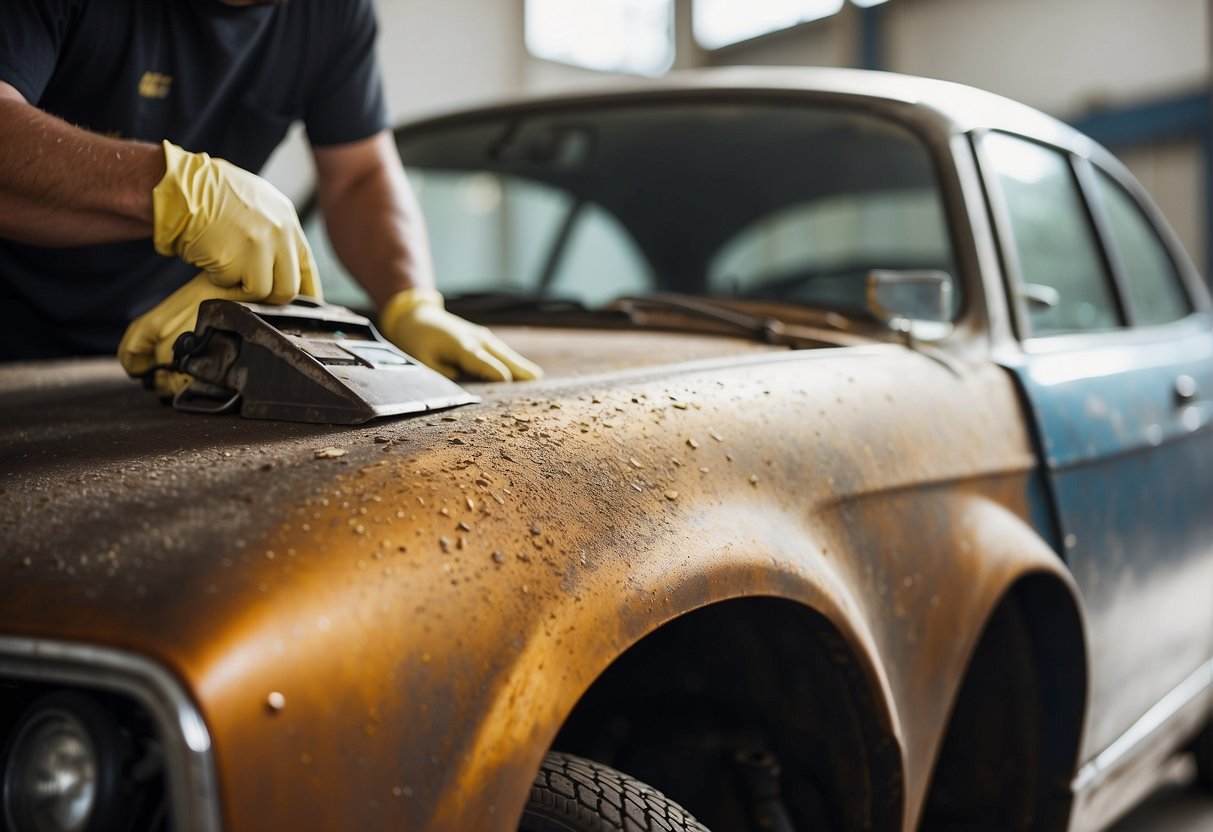
Okay, so picture this: you’ve just spent an embarrassing amount of time meticulously washing and waxing your car. It’s gleaming, it’s sparkling, it’s practically winking at you in the sunlight. You’re feeling like a car-care superhero, ready to conquer the world (or at least the grocery store parking lot). Then, you notice them. Little… things. Bubbles. On your car paint.
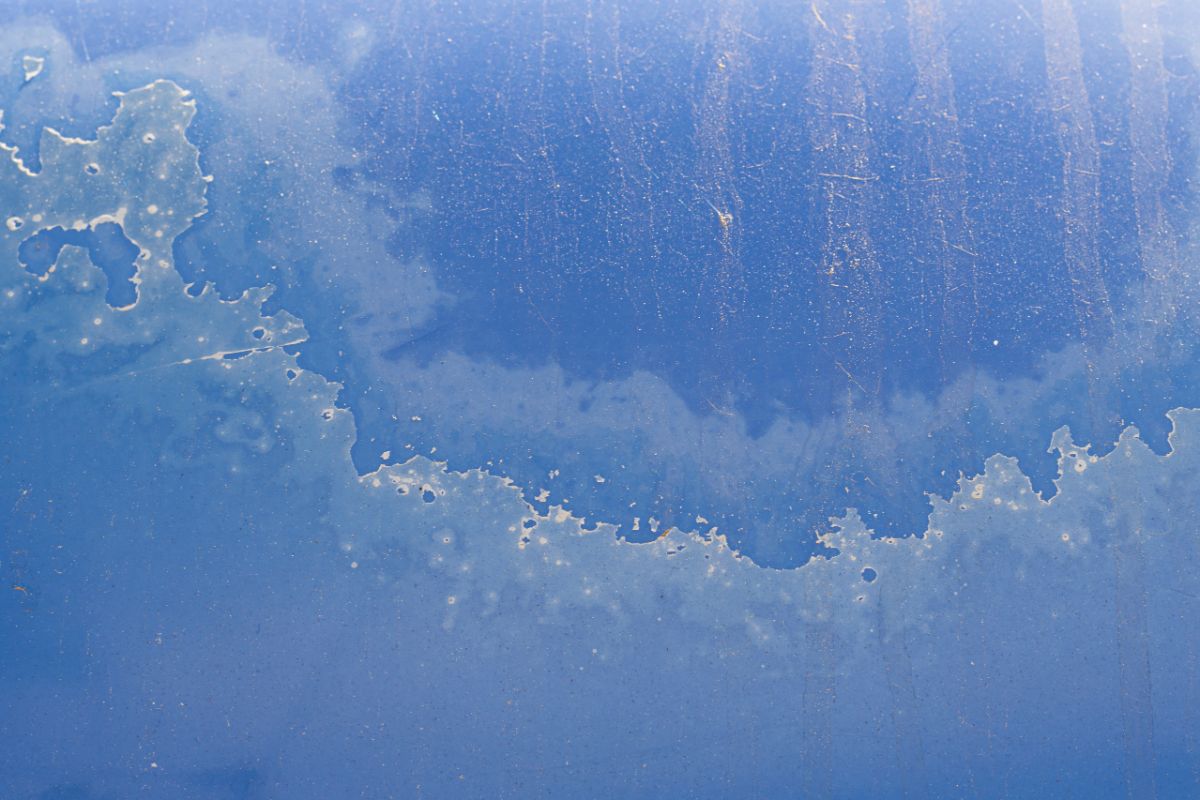
What in the automotive blazes are those? Did a tiny gremlin with a hot glue gun get to your ride overnight? Did your car decide to develop a rash? Fear not, fellow car enthusiasts (and those who just happen to own a vehicle)! We’re about to dive headfirst into the bubbly, sometimes baffling, world of car paint bubbles.
The Great Bubble Mystery: What’s Brewing Under the Shine?
So, why do these little guys decide to pop up like unwelcome guests at a party? It’s usually down to a few main culprits, and thankfully, none of them involve phantom hot glue gun wielders. Think of your car’s paint job as a delicate, multi-layered sandwich. You’ve got your metal base, then primers, then layers of color, and finally, that protective clear coat on top. When things go wrong in this sandwich-making process, bubbles can form.
Must Read
One of the most common troublemakers is moisture. Yep, good ol’ H2O. If water gets trapped between the layers of paint during the manufacturing process, or if there’s a tiny breach in the paintwork (we’re talking microscopic stuff here, not a Grand Canyon-sized pothole), moisture can seep in. And what does moisture love to do? It loves to expand and create a little pocket of discontent. Boom! Bubble.
Another sneaky culprit is air. Surprise, surprise! Air, being the persistent little blighter it is, can also get trapped during application. Imagine trying to put a giant sticker on something without getting any air bubbles – it’s a challenge for us, and apparently, for car manufacturers too! If the paint isn’t applied evenly or if there are surface imperfections, tiny air pockets can form, which then decide to throw a miniature rave under your clear coat.
Then there’s the chemical reaction element. Sometimes, the different layers of paint don’t play nicely together. They might react in a way that produces gas, and guess what? That gas needs somewhere to go. Its chosen escape route? Straight up, forming a delightful little blister on your previously pristine paint.
The Not-So-Fun Facts (But Still Important!)
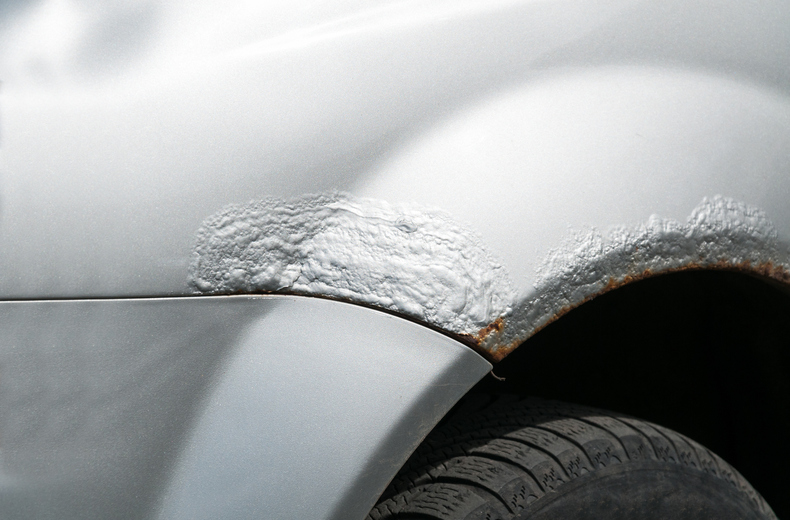
While we’re having a bit of a chuckle about these paint parties, it’s worth noting that bubbles aren’t just an aesthetic annoyance. If left unchecked, they can actually cause more damage. Think of them as tiny entry points for the elements to do their worst. Water and salt can get in, leading to rust – the mortal enemy of any car. And rust is about as welcome as a flat tire in a blizzard.
The size of the bubbles can also be a clue. Small, isolated bubbles might be less of a concern than a widespread infestation. If you’re seeing a whole swarm of them, it could indicate a more significant issue with the paint application or even underlying corrosion. So, while it’s tempting to ignore them, it’s generally best to address them sooner rather than later.
So, What Do We Do About These Bubbly Buddies?
Alright, the million-dollar question: how do we get rid of these unwelcome guests? The answer, unfortunately, isn’t as simple as blowing a raspberry at them. The approach depends on the size and severity of the bubbling.
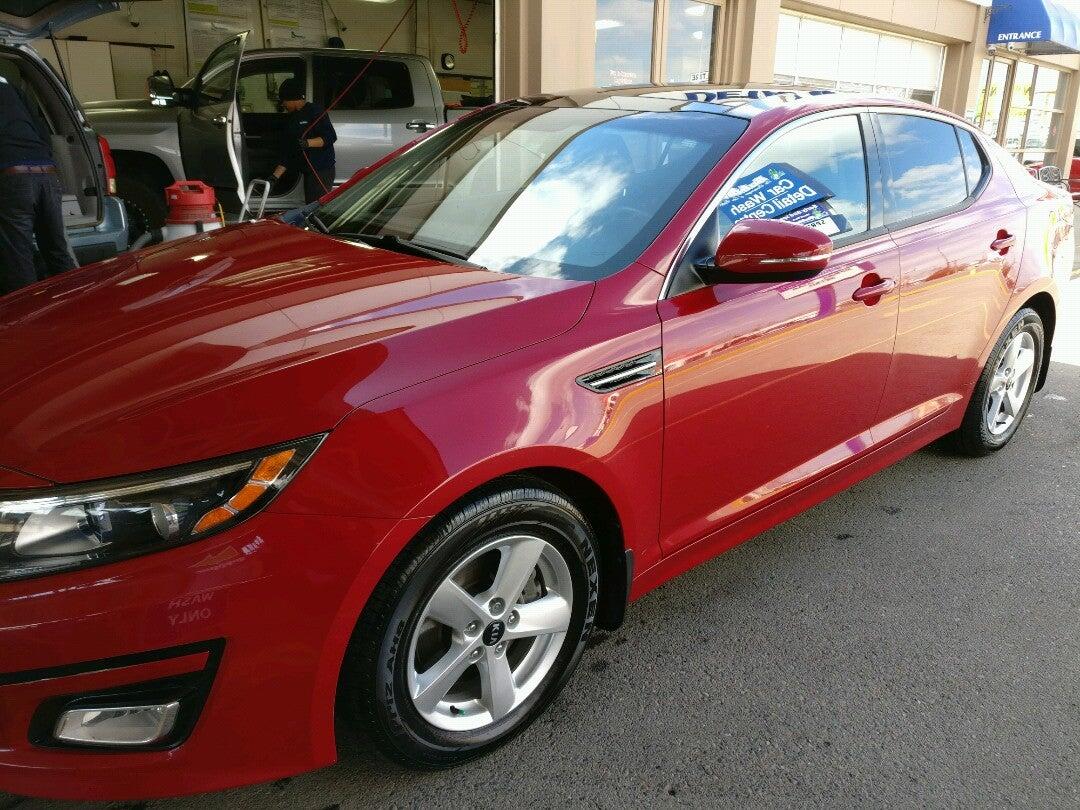
For those tiny, almost unnoticeable bubbles, sometimes a good, thorough polishing can help. Think of it as a gentle exfoliation for your car’s paint. A high-quality polish can smooth out minor imperfections and, in some cases, buff out very small bubbles. It’s like giving your car a spa day, but with more elbow grease and less cucumber slices.
If the bubbles are a bit more prominent, or if they’re starting to lift the paint, you’re probably looking at a more involved repair. This often means carefully removing the bubbled paint, sanding down the area, and then repainting and re-clearing. It’s not a DIY job for the faint of heart, and it’s usually best left to the professionals. They have the fancy tools and the know-how to make it look like the bubbles never even existed. Imagine a paint magician waving their wand, and poof, the bubble is gone!
In severe cases, where the bubbling is extensive or accompanied by rust, a full panel repair or even repainting might be necessary. This is when you might start contemplating your car's life insurance policy. Just kidding! (Mostly.) But seriously, a good body shop can assess the damage and give you the best course of action.

Preventing Future Bubble Bashers
Now, the best offense is a good defense, right? How can we stop these bubbly invaders from setting up camp in the first place? It all comes down to protecting your car’s paint.
Regular washing is key. It removes dirt, grime, and contaminants that can sit on your paint and potentially compromise its integrity over time. Think of it as a daily facial for your car. And while we’re on the topic of washing, avoid harsh chemicals. They can strip away protective layers and make your paint more vulnerable. Stick to reputable car wash soaps.
A good quality wax or sealant is your car’s superhero cape. It adds an extra layer of protection against the elements, UV rays, and minor scratches. It’s like giving your paint a nice, thick, protective blanket. Regular application of these will make a world of difference.

If your car has any chips or scratches, get them repaired promptly. These are like little cracks in your armor, allowing moisture and air to sneak in. A quick touch-up can prevent a much larger, bubblier problem down the line.
And finally, when you’re looking at buying a car, especially a used one, give the paintwork a good once-over. Look for any signs of bubbling or paint imperfections. It might be a sign of a poor repair job or underlying issues. You don’t want to inherit someone else’s bubble trouble!
So, there you have it. Bubbles on car paint: a phenomenon that can be as annoying as a mosquito in your ear at 3 AM, but one that’s usually understandable and, thankfully, fixable. Just remember to keep your paint protected, address issues promptly, and maybe, just maybe, your car will be bubble-free and gleaming for years to come. Now, if you’ll excuse me, I think my car is trying to tell me something… or maybe it’s just happy to see me.