Best Dog Food To Put On Weight

Let's talk about something that brings a wag to every dog lover's heart: a happy, healthy pup enjoying a delicious meal! We all love seeing our canine companions thriving, and sometimes, "thriving" means a little extra padding on those adorable ribs. Whether you've got a naturally slender breed, a senior dog needing a boost, or a recent rescue who's a bit on the scrawny side, helping your dog gain a healthy amount of weight can be a super rewarding journey. It’s like giving them a nutritional hug, making sure they have all the fuel they need for zoomies, snuggles, and being the best dog they can be!
Why Focus on Weight Gain?
So, why are we diving into the world of weight gain for our furry friends? It's all about optimal health and well-being. Sometimes, despite eating, dogs can struggle to maintain a healthy weight. This could be due to a variety of reasons: increased metabolic rate, recovering from illness or surgery, age-related muscle loss, or even just picky eating habits that lead to insufficient calorie intake. A dog that's underweight might be more prone to illness, have less energy, and generally not feel their best. Helping them reach a healthy weight means boosting their immune system, improving their stamina, and ensuring they have the energy to fully enjoy life by your side. It's not about making them plump and lazy; it's about making them robust and resilient!
The Delicious Path to a Healthier Weight: Choosing the Right Food
When it comes to packing on those healthy pounds, the quality of food is paramount. We're not just aiming for more food; we're aiming for better food – food that is nutrient-dense and specifically designed to support healthy weight gain. This means looking for formulas that are high in calories, protein, and healthy fats, while still being balanced and digestible.
Must Read
One of the top contenders in the world of weight-gain-friendly dog foods are those marketed as "high-calorie" or "puppy" formulas. While puppy food is designed for growing pups, its higher calorie and nutrient density can be incredibly beneficial for adult dogs needing to gain weight. These formulas typically boast increased levels of protein for muscle development and healthy fats for energy and calorie intake. Look for brands that list meat as the first ingredient – this is crucial for high-quality protein. Ingredients like chicken, beef, lamb, or fish are excellent choices.
"High-quality protein sources are essential for building lean muscle mass, which contributes to healthy weight gain rather than just fat accumulation."
When scrutinizing the ingredient list, pay attention to the fat content. Healthy fats are calorie powerhouses. Ingredients like chicken fat, fish oil, or even flaxseed can provide valuable omega-3 and omega-6 fatty acids, which not only add calories but also contribute to a shiny coat and healthy skin. Just be mindful of the overall fat percentage – aiming for something in the 18-30% range for adult dogs needing to gain weight is a good starting point, but always consult your vet.

Another excellent avenue to explore is "performance" or "active" dog foods. These are formulated for dogs with very high energy demands, meaning they are naturally calorie-dense and packed with protein and fats. Even if your dog isn't an agility champion, these foods can be a fantastic way to safely increase their caloric intake. They are designed to provide sustained energy and support muscle maintenance and growth.
Beyond the Bag: Enhancing Mealtime Appeal
Sometimes, even the best dog food needs a little extra encouragement to get a picky eater to chow down. Here are a few fun tricks:

- Warm it up: A slightly warmed kibble can release more enticing aromas, making it more appealing. Just a splash of warm water or a quick microwave burst (ensure it's not too hot!) can make a world of difference.
- Add toppers: A dollop of plain, unsweetened yogurt, a spoonful of wet food (look for high-quality, meat-based options), or a sprinkle of specially formulated weight-gain supplements can add extra calories and irresistible flavor. Always check with your vet before adding new supplements or significant amounts of new ingredients to your dog's diet.
- Mix it up (carefully!): Occasionally introducing a small amount of a different, high-quality wet food into their dry kibble can add variety and extra moisture and calories. Ensure any new food is introduced gradually to avoid upsetting their stomach.
Important Considerations and When to See the Vet
While choosing a high-calorie food and making mealtime exciting are great steps, it's crucial to remember that a veterinarian should always be your first point of contact. Sudden or unexplained weight loss can be a sign of an underlying medical condition, such as parasites, dental issues, thyroid problems, or gastrointestinal disorders. Your vet can perform a thorough examination, run necessary tests, and rule out any health concerns before you embark on a weight-gain plan.
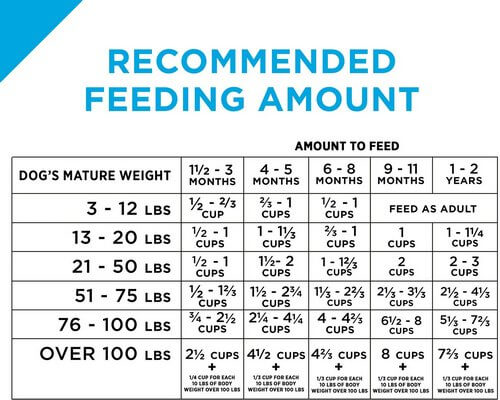
Once medical issues are ruled out, your vet can help you determine your dog's ideal healthy weight and recommend a specific food or feeding strategy tailored to their individual needs. They can advise on appropriate calorie intake, monitor your dog's progress, and ensure the weight gain is gradual and healthy. Remember, the goal is a healthy, lean physique, not obesity, which carries its own set of health risks.
Feeding your dog the right food and making their meals enjoyable is a wonderful way to show them love and support their journey to a healthier, happier weight. It’s about nourishing them from the inside out, ensuring they have the energy and vitality to be your best friend for years to come. So, let's get those tails wagging with full bellies and happy hearts!
:max_bytes(150000):strip_icc()/sps-tier-3-detail-hills-science-diet-perfect-weight-adult-dog-food-ahuang-051-49aa083fc31c49dc8d58e9aa4d287f3c.jpeg)