Ah, the humble Aloe Vera plant. We see it everywhere, don't we? In our bathrooms, promising glowing skin. In health food stores, bottled up and touted as the magical elixir of life. It's the green friend we all seem to have, the one that's supposed to make our lives just a little bit better, a little bit greener, and maybe even a tad more hydrated. And for us humans, it's pretty much a superhero. That gooey, soothing gel inside its spiky leaves? It's like a tiny, plant-based emergency room for sunburns, scrapes, and all sorts of little owies. Feeling a bit parched? A sip of aloe vera juice might do the trick (though, let's be honest, it's an acquired taste for many!). It’s the plant that just keeps on giving… or so we thought.
Now, let's talk about our furry overlords, our magnificent feline companions. The ones who grace our laps with their purrs, who strategically place themselves in our keyboards just as we're about to send an important email, and whose judgmental stares can make us question our life choices. We love them. We cherish them. We’d do anything for them. And that’s precisely why we need to have a little chat about Aloe Vera and our kitties. Because, and here’s the kicker, while Aloe Vera is practically a saint for humans, it’s more of a… well, let’s just say a mildly inconvenient acquaintance for our beloved cats.
Imagine this: you’ve got your gorgeous Aloe Vera sitting pretty on the windowsill, soaking up the sun, looking all majestic and therapeutic. Your cat, being the curious creature it is, decides it’s the perfect time for a little botanical exploration. A nibble here, a curious lick there. Standard cat stuff, right? What could possibly go wrong? Well, as it turns out, that soothing gel we humans rave about? It contains a little something called saponins and anthraquinones. Now, don't let those fancy words scare you. Just think of them as tiny little troublemakers for a cat's sensitive tummy.
So, what happens when Mittens or Whiskers decides to have an unscheduled aloe snack? It’s usually not a life-or-death situation, which is a huge relief. Think of it more like a “oops, I ate something I shouldn’t have” kind of situation. The most common reaction is a bit of a tummy upset. We're talking, of course, about vomiting. Yep, your regal feline might just decide to express its newfound culinary displeasure by decorating your favorite rug. Charming, I know. Beyond the potential for a messy surprise, they might also experience diarrhea. Again, not exactly the kind of excitement we want in our homes, but at least it’s usually short-lived.
There are also some less common, but still worth noting, symptoms. You might see your cat becoming a bit more lethargic than usual, or perhaps their appetite takes a nosedive. Some sensitive souls might even develop a bit of trembling. It’s not like they’re going to start reciting Shakespearean sonnets backwards, but it’s definitely a sign that something’s not quite right. The latex part of the plant, the yellowish substance found just under the skin, is particularly responsible for these digestive woes. It’s like a tiny, plant-powered laxative that your cat really, really doesn’t need.
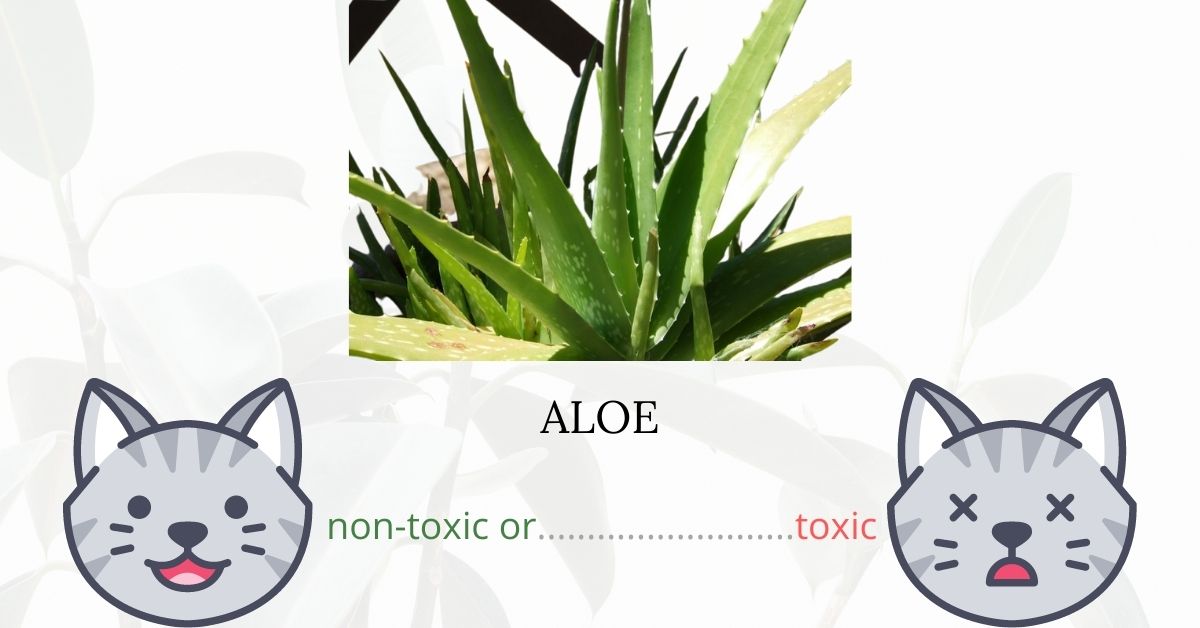
Is Aloe Vera Toxic to Cats - Cat-World
The really heartwarming part, though, is how quickly our furry friends recover. Unlike some more serious toxins, the effects of a little too much Aloe Vera are typically temporary. A bit of discomfort, a few trips to the litter box (or the aforementioned rug), and then they’re back to their usual selves, demanding treats and judging your life choices once more. It’s a testament to their resilience and their ability to bounce back, much like they bounce off the walls at 3 AM.
So, what’s a loving cat parent to do? It's not about throwing out all your lovely green friends, oh no! It's about a little bit of smart plant parenting. Think of it as a tiny, leafy detour from their usual diet of kibble and the occasional unfortunate moth. The easiest solution? Keep your Aloe Vera plants out of paw's reach. Place them on high shelves, in rooms your cat doesn't frequent, or even invest in some rather chic plant cages. It’s all about creating a safe, lily-pad-free zone for your felines.
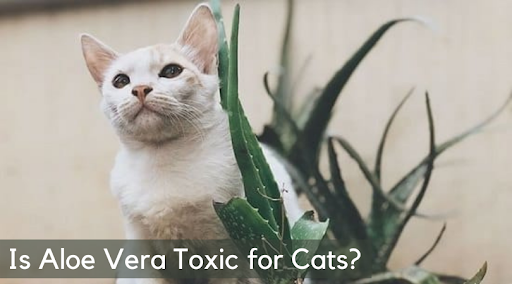
Is Aloe Vera Toxic for Cats? - The Kitty Expert
And if, by some chance, your curious cat does get a little too friendly with your Aloe Vera, and you notice any of those less-than-pleasant symptoms, don’t panic! Most of the time, a little water and some monitoring will do the trick. However, if you’re ever in doubt, or if your cat seems particularly unwell, it’s always best to give your vet a friendly call. They’re the real superheroes in this scenario, armed with stethoscopes and an endless supply of cat-soothing knowledge.
It’s a funny old world, isn’t it? The things that are good for us can be a bit of a no-no for our furry companions. But that’s part of the adventure of sharing our lives with them. It’s about learning, adapting, and making sure our homes are safe havens for both humans and their magnificent, sometimes mischievous, feline overlords. So, go ahead, enjoy your Aloe Vera for its skin-loving, sun-soothing glory. Just remember to keep it a little too high for a curious paw. Your cat (and your carpets) will thank you for it!