Aloe Vera Plant Poisonous To Cats

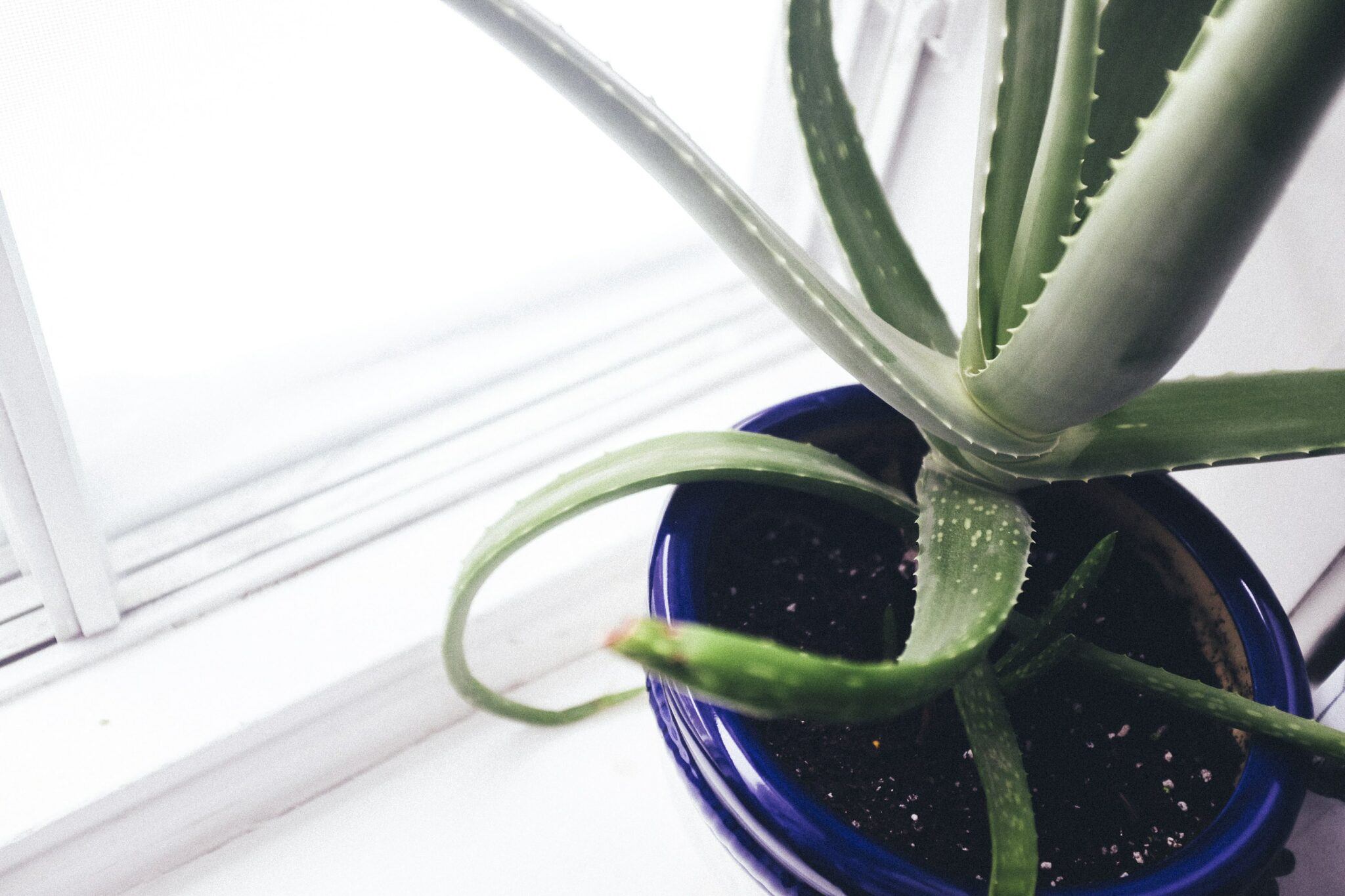
Ah, the humble aloe vera plant! It’s that spiky, succulent friend that sits on our windowsills, promising soothing skin relief and a touch of green goodness. Many of us love aloe for its healing properties and its striking looks, making it a popular choice for both seasoned plant parents and complete beginners. But what if I told you there's a little twist to our leafy companion that's super important to know if you have furry friends sharing your home? It’s a topic that might not sound like a picnic, but understanding it can save your cat a lot of discomfort and bring you peace of mind.
For those just starting their plant journey, knowing about potential plant dangers is essential. It’s like learning the basic rules of the road before you drive – you want to keep everyone safe! Families with curious little ones, both human and feline, will find this information incredibly valuable. It allows you to enjoy the beauty of plants without the worry of accidental ingestion. And for the dedicated hobbyists, it’s another layer of knowledge to add to your green-thumb expertise, ensuring you’re creating a truly harmonious environment for all your household members.
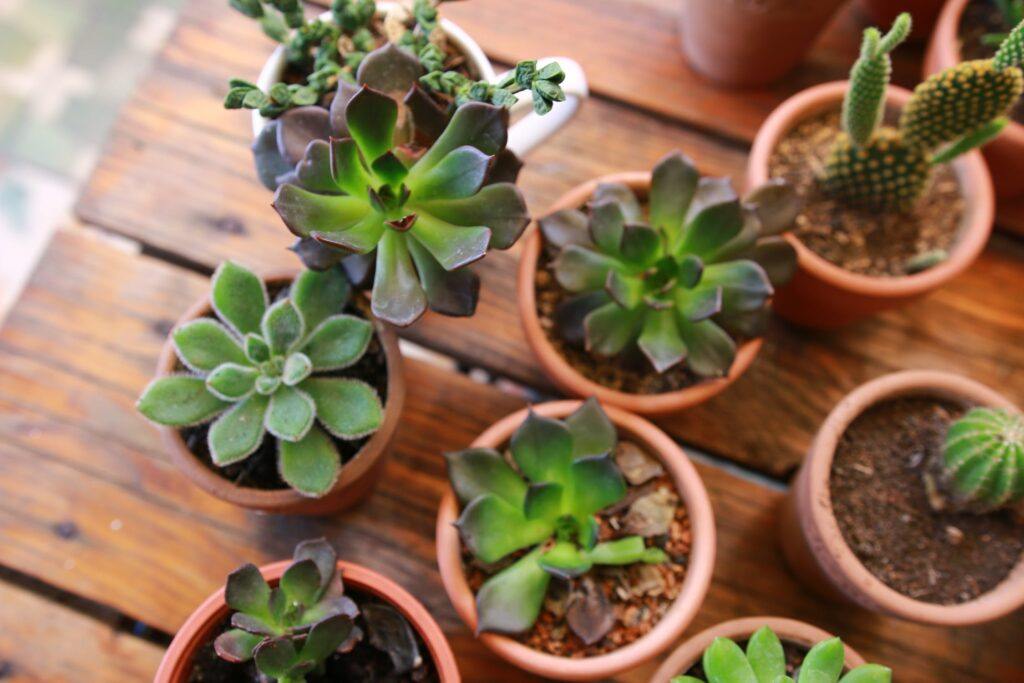
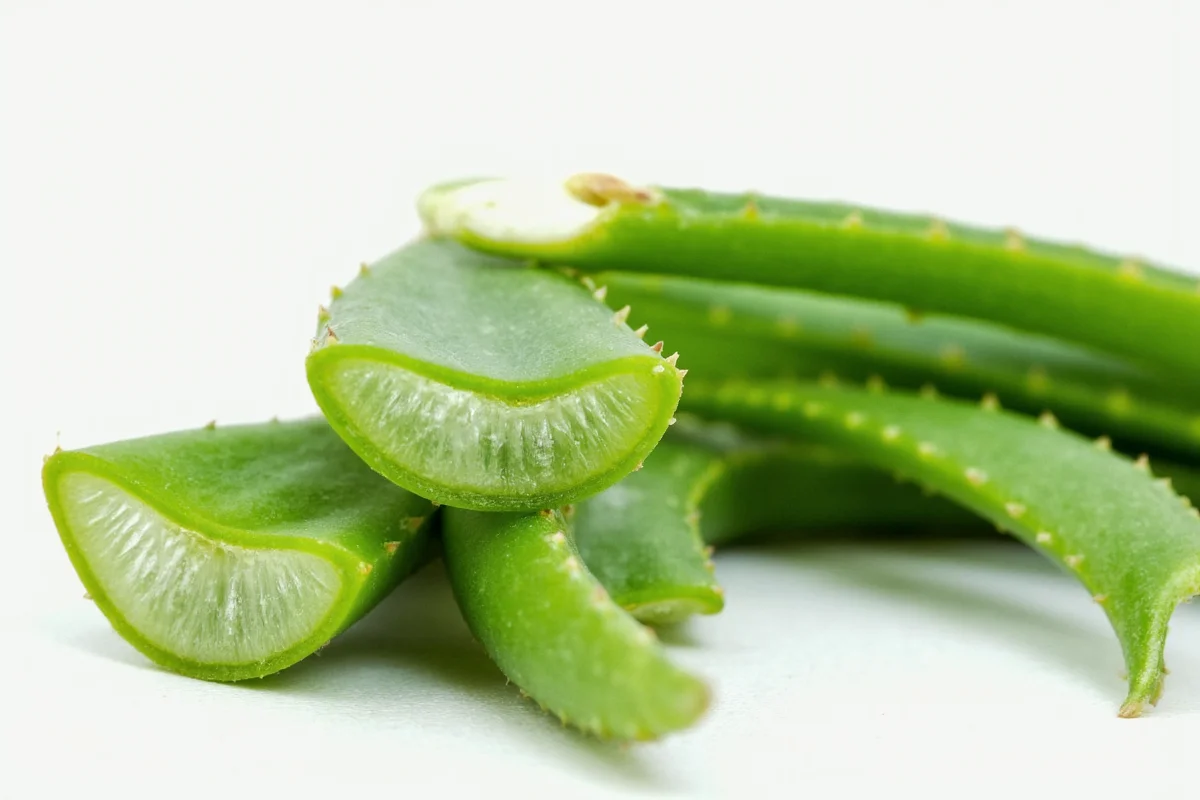
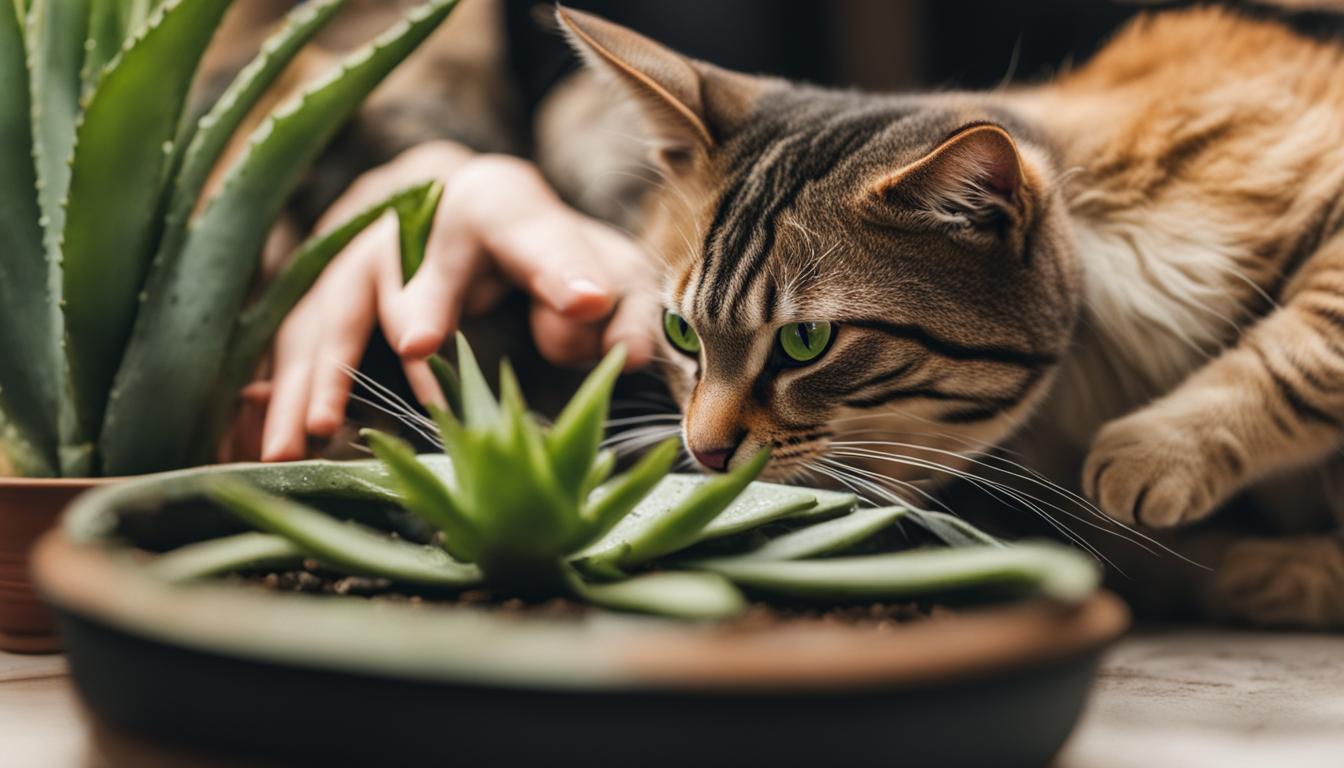
The main point to get across is that while the clear gel inside the aloe vera leaf is fantastic for our skin, certain compounds within the outer layers of the plant are actually mildly toxic to cats. Don't panic! It’s not usually a life-threatening situation, but it can cause some unpleasant tummy troubles. Think vomiting, lethargy, and diarrhea. It’s similar to how some things are great for us but not for our pets. For instance, you might have other succulents at home, and some of those, like jade plants or kalanchoe, can also pose risks to your cats. It’s good to be aware of the whole succulent family!
Must Read
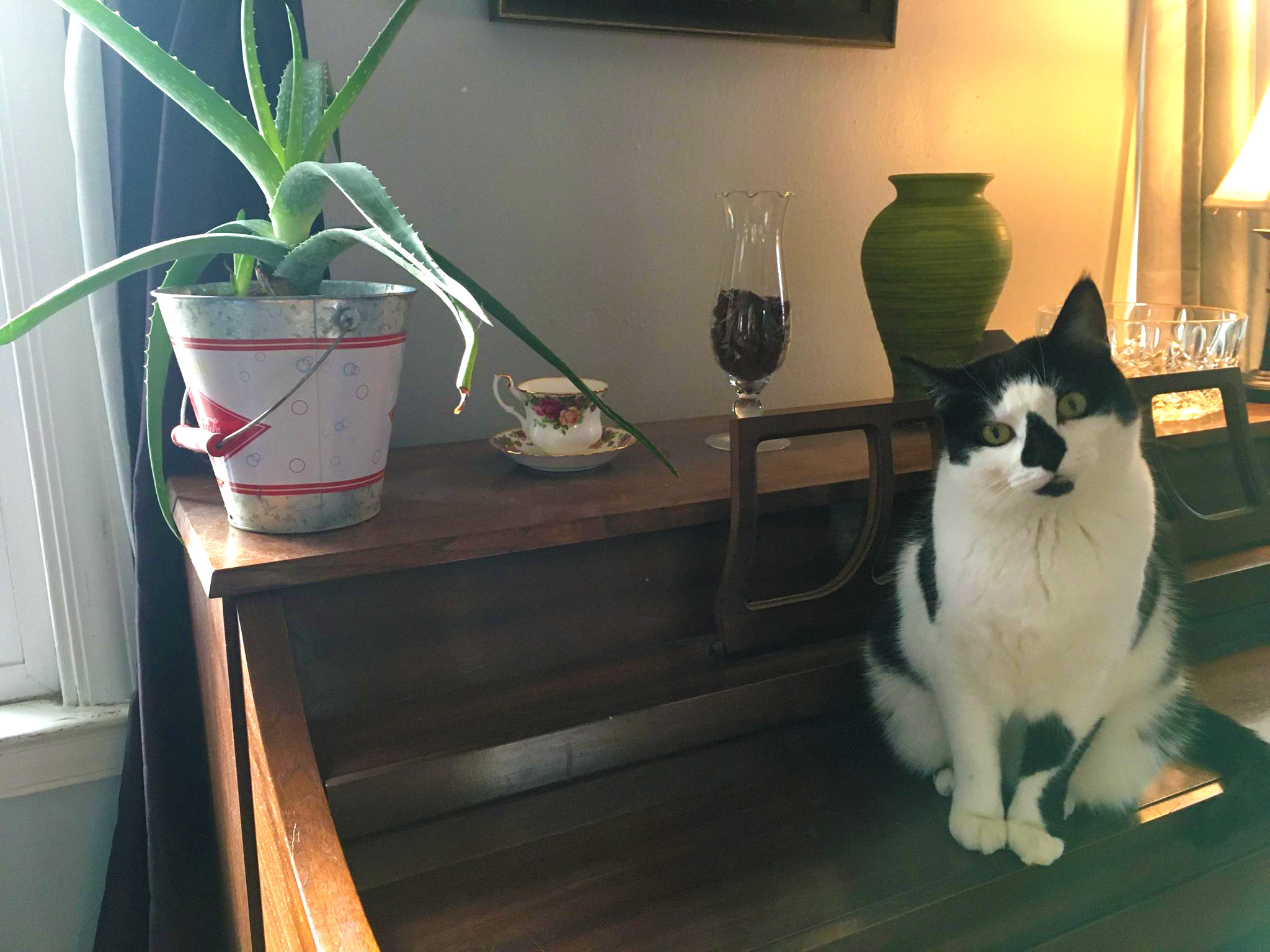
So, how do you enjoy your aloe vera without putting your kitty at risk? It’s simpler than you might think! The easiest way to get started is by placing your aloe plant out of reach. Think high shelves, hanging planters, or rooms your cat doesn’t frequent. If your cat is a determined climber or a curious nibbler, you might even consider a dedicated “plant-safe zone” where your furry friend simply can’t access your green friends. Another tip is to educate yourself on other common houseplants. Many beautiful plants are perfectly safe for cats, so you can still create a lush indoor jungle!
Ultimately, knowing that aloe vera can be problematic for cats isn't about stopping you from enjoying this wonderful plant. It’s about empowering you with knowledge so you can make informed choices for your home. By taking a few simple precautions, you can continue to benefit from aloe vera’s aesthetic appeal and potential uses, all while ensuring your feline companions remain safe and sound. It’s a win-win for everyone, and that’s something worth celebrating in the world of plants and pets!