A Brief History Of Film Censorship
Picture this: it’s the roaring twenties, the Jazz Age is in full swing, and the silver screen is captivating audiences like never before. Flappers are doing the Charleston, speakeasies are buzzing, and the movies? Well, they’re starting to push the envelope, shall we say.
Now, imagine a scene in a film, maybe a daring kiss that lasts a little too long for the era, or a character indulging in a bit too much of that forbidden hooch. Someone in a position of power, probably with a stern mustache and an even sterner disposition, watches this with a furrowed brow. "Absolutely not!" they declare, clutching their pearls. "This will corrupt the youth! This will bring down society!" And just like that, a scene is chopped, a plot point is watered down, and a perfectly good piece of art is… well, neutered.
This, my friends, is a tiny glimpse into the wild, often ridiculous, and surprisingly persistent world of film censorship. It’s a story as old as cinema itself, a constant tug-of-war between artistic expression and the perceived need for… well, whatever the censors thought was necessary at the time. And trust me, their ideas of "necessary" could be wildly out of touch.
Must Read
The Early Days: Don't You Dare Show That!
When movies first flickered onto screens, they were a novelty, a public spectacle. And like anything new and exciting, there were bound to be folks who got a bit antsy. Early concerns weren't exactly about deep philosophical themes or complex political critiques. Oh no. We’re talking about things like… nudity. Shocking, I know!
Even a hint of bare skin could send censors into a frenzy. And don’t even get me started on anything that might be considered "immoral." This often meant anything that suggested premarital sex, divorce, or even just a woman wearing pants in public (yes, that was a thing for a while!). The idea was to present a pristine, morally upright image to the public, especially to the impressionable youngsters.
Think of early Hollywood as a teenager trying to convince their parents they’re totally innocent and have never even thought about anything remotely scandalous. The studios were essentially putting on a show for the censors, a carefully curated version of reality that was palatable to the powers that be.
Enter the Hays Code: The Ultimate Hollywood Straightlacedness
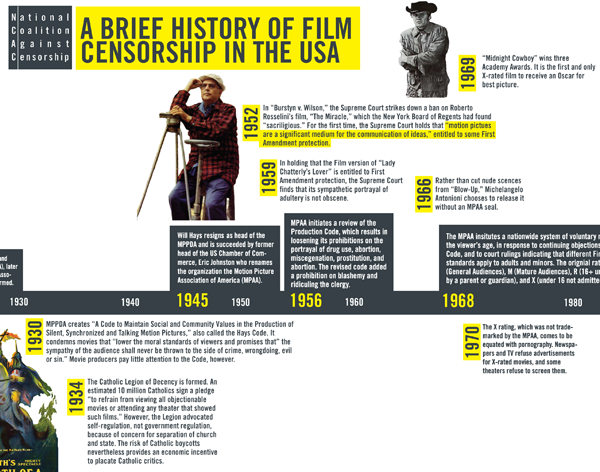
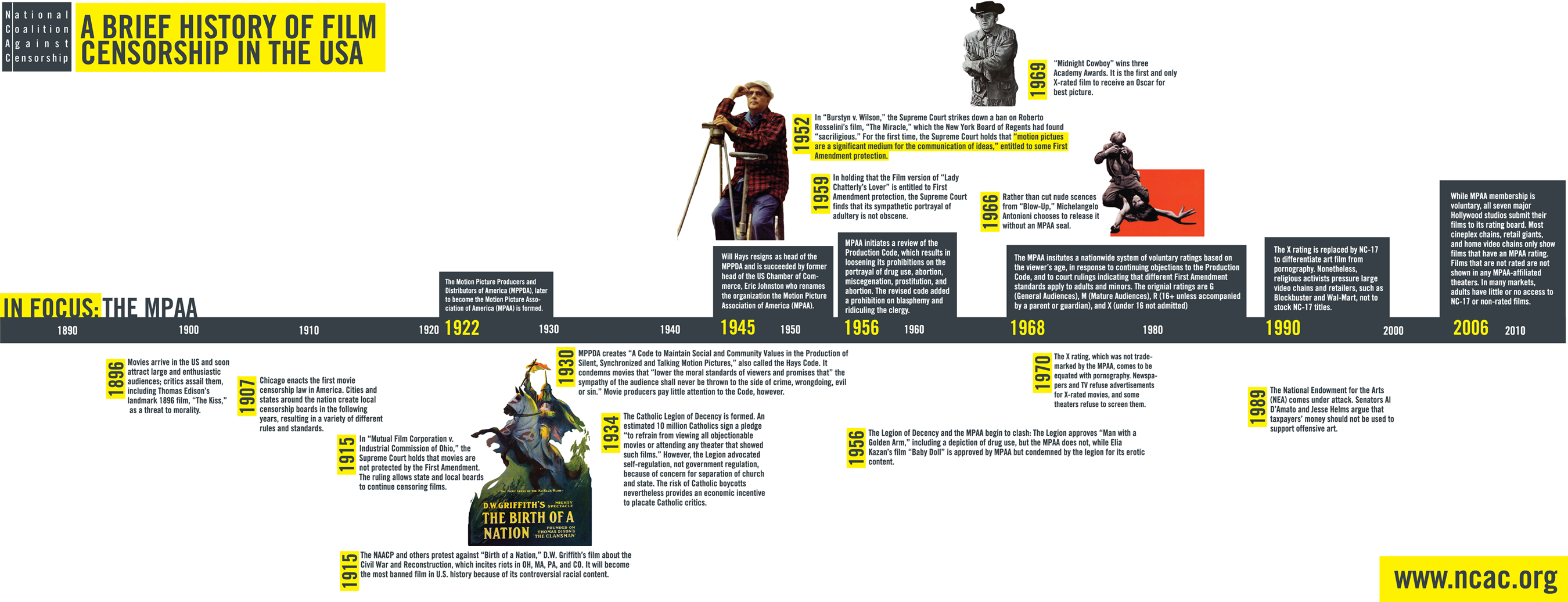
As movies got more sophisticated and tackled more challenging themes, the pressure to control what appeared on screen intensified. This is where the infamous Hays Code (or more formally, the Motion Picture Production Code) swoops in, like a disapproving aunt at a wild party. Officially adopted in 1934, this was basically a rulebook for Hollywood, dictating what could and couldn't be shown.
Written by William H. Hays, a former Postmaster General with a decidedly conservative outlook, the code was a comprehensive list of do's and don'ts. You know, like "no blasphemy" (unless it's absolutely essential to the plot, and even then, tread lightly!), "no excessive violence" (which, let's be honest, was a bit subjective), and absolutely, positively, no depiction of sexual perversion. And "perversion" was a broad, terrifying category back then.
The Hays Code wasn't just about keeping things clean; it was also about maintaining a positive image for the burgeoning film industry. The studios were worried about negative publicity and government intervention. So, they decided to police themselves. Brilliant, right? Except it meant a lot of potentially groundbreaking films got bogged down in endless revisions or were never made at all.
Imagine trying to tell a compelling story about human nature when you can't show the messy, complicated bits. You end up with a lot of talking and very little doing. Or, if something had to be shown, it was done with the subtlety of a sledgehammer. A character could be thinking about crime, but they could never be shown enjoying its fruits. You know, for the sake of morality. It’s enough to make you want to… well, you know.
Breaking the Chains: The Dawn of a New Era
But even the most rigid rules can’t contain creativity forever. As the decades rolled on, audiences became more sophisticated, and filmmakers started to chafe under the Hays Code’s suffocating grip. The late 1950s and 1960s were a time of massive social change, and cinema, as always, was a reflection of that.
Filmmakers began to push back. They started to challenge the Code, and some even deliberately broke its rules, knowing they might face consequences. Think of films like Otto Preminger's The Moon Is Blue (1953) and The Man with the Golden Arm (1955), which tackled themes like premarital sex and drug addiction, respectively. These were considered scandalous at the time!
The Hays Code, bless its rigid little heart, just couldn't keep up with the changing times. It was like trying to dam a raging river with a teacup. The industry eventually recognized that the Code was becoming more of a hindrance than a help. And so, in the late 1960s, it was finally, mercifully, retired.
The Rise of the Ratings System: A New, Slightly Less Tyrannical Sheriff in Town
With the Hays Code gone, there was a brief period of… let's call it "cinematic liberation." Suddenly, a lot more controversial themes and visuals could appear on screen. But this also led to concerns from parents and other groups who worried about what children were being exposed to. It was a bit of a free-for-all, and not everyone was comfortable with that.
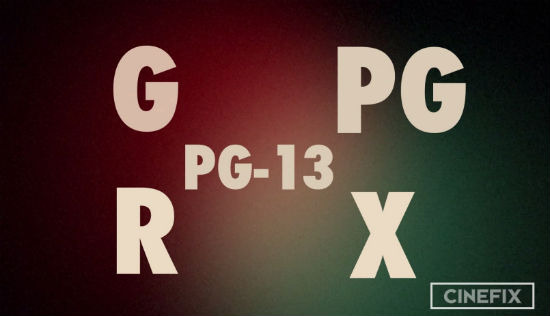
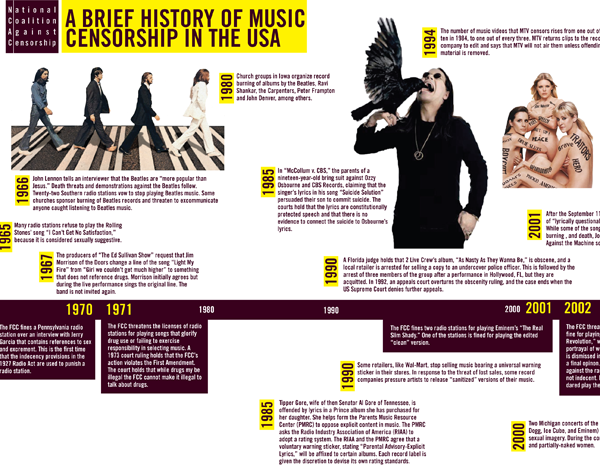
Enter the Motion Picture Association of America (MPAA) and their now-famous rating system. This was introduced in 1968 as a way to provide guidance to audiences, particularly parents, about the content of films. Instead of outright banning things, the MPAA would assign a rating: G for General Audiences, PG for Parental Guidance Suggested, R for Restricted (under 17 requires accompanying parent or adult guardian), and X for those under 17 not admitted.
The idea was to empower parents to make informed decisions, rather than having a bunch of unelected officials dictate what everyone could or couldn’t see. It was a step towards a more nuanced approach, acknowledging that different people have different sensitivities and that not all content is suitable for all ages.
However, the rating system wasn't without its own controversies. Some argued that the ratings were still too subjective, or that certain studios could influence ratings for their films. And then there's the eternal debate: why is a certain amount of violence okay, but a fleeting moment of nudity gets an R? It’s a complex dance, that’s for sure.
Censorship in the Modern Age: Subtle, Slippery, and Still Here
So, you might think that with the Hays Code long gone and a rating system in place, censorship is a thing of the past. And in some ways, it is. The overt, outright banning of films based on moral outrage is less common in the West. But that doesn't mean censorship has disappeared. Oh no, it's just gotten smarter, more insidious, and sometimes, even more pervasive.
Today, censorship often operates through economic pressure. Studios might pull a film or alter its content to avoid offending potential audiences in certain global markets. Think about it: a movie that might be perfectly acceptable in the US could be banned or heavily edited in countries with stricter laws or cultural sensitivities. This can lead to a "lowest common denominator" approach, where filmmakers shy away from potentially controversial topics to ensure their film has the widest possible release.
Then there’s the subtle, almost unconscious self-censorship that happens. Filmmakers, knowing what might get them into trouble or alienate certain viewers, might preemptively tone down their work. They might avoid certain political themes, limit depictions of certain lifestyles, or steer clear of anything that could be construed as offensive. It's not a ban, per se, but it’s a chilling effect nonetheless.
The Digital Age and the New Frontier of Control
And now, we’re in the digital age. The internet has opened up a whole new world of content creation and distribution, but it’s also created new battlegrounds for censorship. Governments around the world use sophisticated tools to block access to websites, filter content, and monitor online activity. This can range from blocking legitimate news sources to suppressing dissent.
Social media platforms themselves have become major arbiters of what is and isn't acceptable speech. While they have terms of service, the enforcement of these can feel arbitrary and often leads to accusations of bias. One person’s "free speech" is another’s "hate speech," and navigating that is a constant headache for everyone involved.
Even in the realm of independent film and online content, where the barriers to entry are lower, censorship can still be an issue. Funding bodies might have restrictions, distribution platforms might have content guidelines, and audience backlash can be swift and brutal.
Why Does It Still Matter?
So, why are we even talking about this dusty old topic? Because freedom of expression is a fundamental right, and film has always been a powerful medium for challenging norms, sparking dialogue, and reflecting the human experience in all its messy glory. When that expression is curtailed, whether through overt bans or subtle pressures, we all lose something.
We lose the opportunity to see challenging perspectives, to explore difficult truths, and to understand ourselves and the world around us better. We lose the artists' ability to push boundaries and make us think. And honestly, we lose out on some potentially incredible, boundary-pushing cinema.
The history of film censorship is a reminder that the fight for artistic freedom is an ongoing one. It’s a constant negotiation between what society deems acceptable and what artists are compelled to create. And while the methods and motivations of censors may have evolved, the underlying impulse to control narratives and protect us from… well, from ourselves, in some ways, remains. So, the next time you watch a film, take a moment to consider what could have been left on the cutting room floor, and why. It’s a fascinating, and sometimes unnerving, journey.