Will Fins Grow Back On A Fish
Ever found yourself staring at a fish, perhaps one you’ve caught or one swimming serenely in a tank, and wondered about its anatomy? Specifically, those elegant, often colorful appendages that help it navigate the watery world? You might have noticed a fish with a slightly tattered fin, and a curious question might have popped into your mind: will that fin grow back? It’s a fascinating little puzzle of nature, and understanding it can actually tell us a lot about the resilience of the natural world around us.
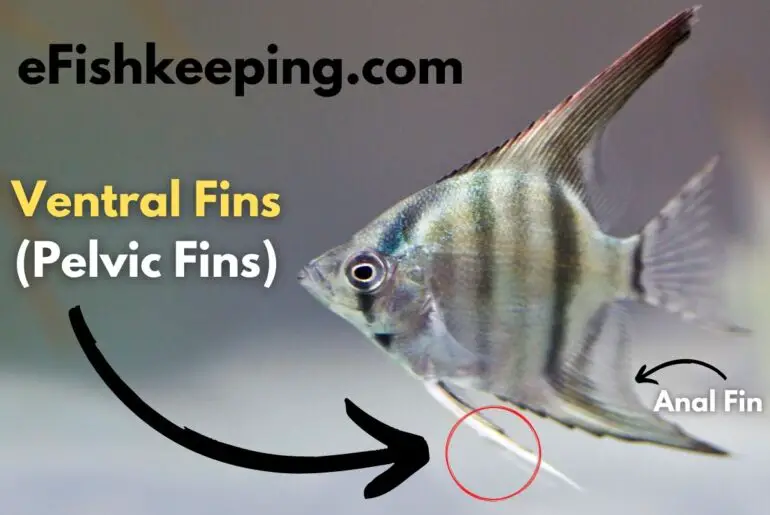
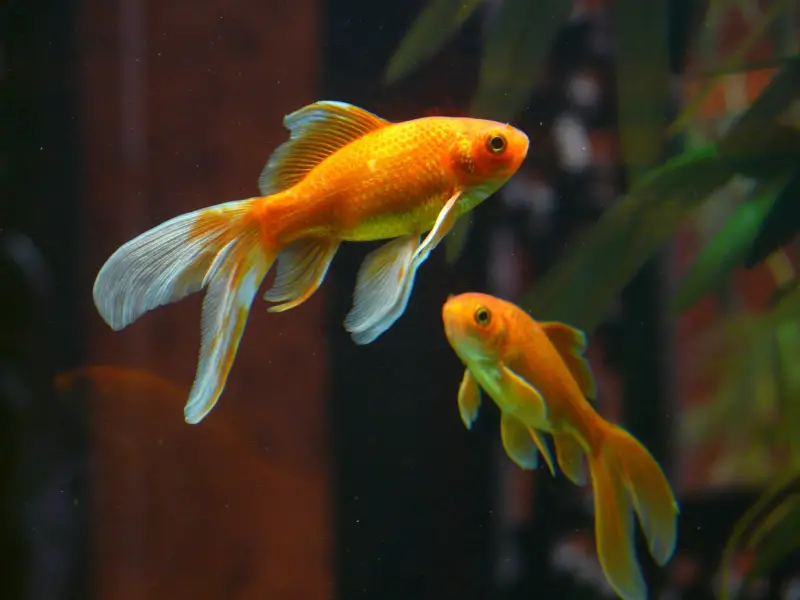
Fins are, of course, incredibly important for fish. They’re not just decorative; they’re the fish’s superpowers for swimming. Think of them as a sophisticated toolkit. The dorsal fin on top might act like a keel on a boat, providing stability and preventing rolling. The pectoral fins, often located on each side just behind the gills, are like oars, used for steering, braking, and even “walking” on the bottom for some species. The pelvic fins, usually lower down, contribute to balance and maneuvering. And then there’s the caudal fin, the tail fin, which is the primary engine for propulsion, driving the fish forward with powerful thrusts. Without healthy fins, a fish would struggle to hunt, escape predators, find mates, and generally just survive.
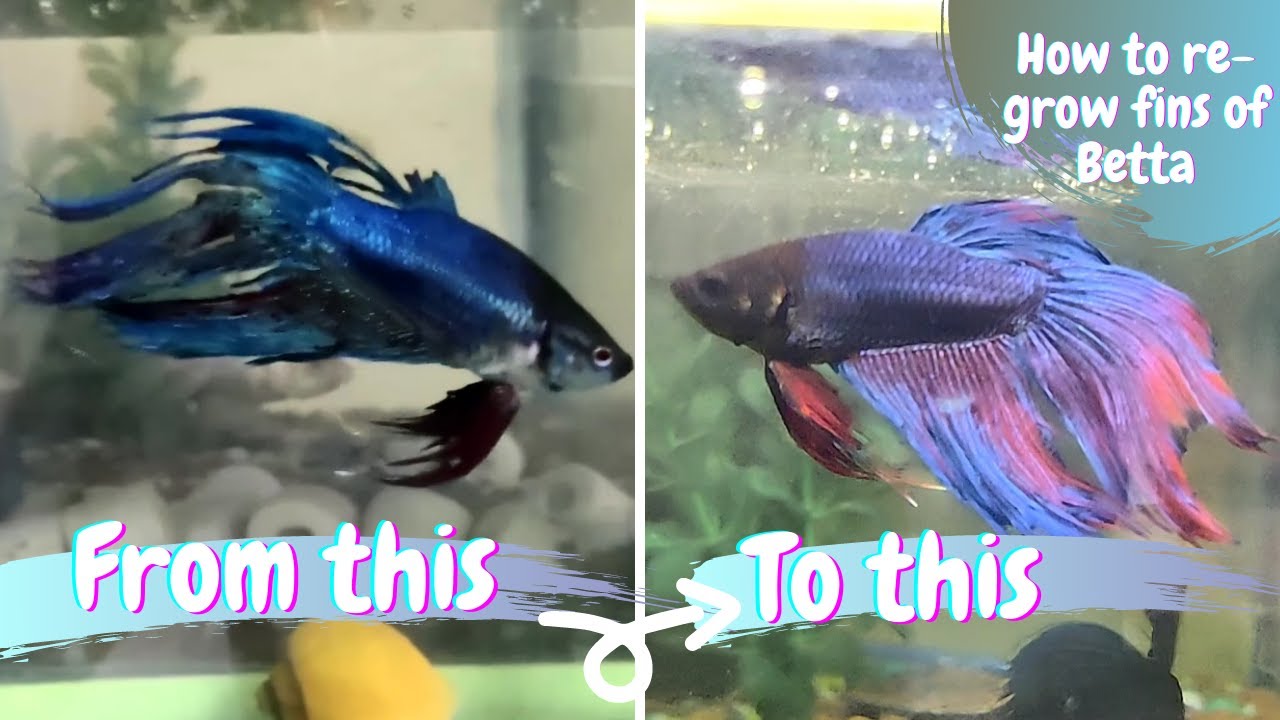
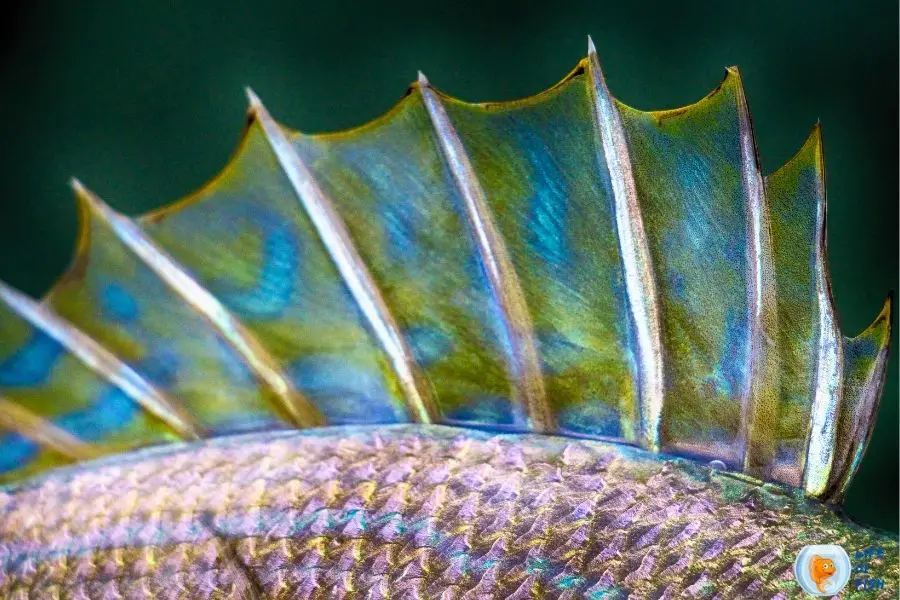
So, the big question: regeneration! The good news is, for many fish, the answer is a resounding yes, fins can grow back. It’s a remarkable feat of biological repair. The process is similar in some ways to how a lizard can regrow its tail, but with its own unique aquatic flair. The fin is essentially made up of rays (bony or cartilaginous supports) and the membrane between them. When a fin is damaged or lost, the fish’s body initiates a complex healing process. Specialized cells migrate to the injured area, and the rays begin to regenerate from the base, guiding the regrowth of the tissue. It might not always be a perfect replica, especially if the damage was severe, but a functional fin can often be restored.
Must Read
This ability to regenerate is incredibly valuable. In the wild, fish frequently encounter dangers that can result in fin damage – encounters with predators, rough currents, or even injuries from other fish. The ability to regrow fins gives them a second chance at life, allowing them to continue their vital roles in their ecosystems. In aquaculture, where fish are raised in higher densities, fin health is crucial for preventing disease outbreaks and ensuring efficient growth. Damaged fins can become entry points for bacteria, so understanding regeneration helps fish farmers manage their stocks more effectively.
How can you explore this yourself? It’s surprisingly easy and doesn’t require a whole science lab! If you have a freshwater aquarium, observe your fish. You might notice a fish with a torn fin after a minor scuffle. With good water quality and a calm environment, you’ll likely see that fin gradually improve and grow back over several weeks. It’s a fantastic, low-stakes way to witness regeneration in action. For a bit more depth, you could research different fish species and their regenerative capabilities. Some fish, like zebrafish, are famous for their incredible regenerative abilities and are even used in scientific research to understand the mechanisms behind tissue repair. Even just looking up videos online of fish healing can be incredibly captivating!
So, the next time you see a fish, take a moment to appreciate its fins. And if you see a damaged one, remember the amazing resilience that lies within. Nature, in its own quiet way, often finds a way to heal and rebuild.