Why Is My Dog Limping Back Leg

Just yesterday, I was getting ready for our usual evening stroll. You know the drill: leash in hand, the excited jingle of collar tags, my dog, Buster, doing his happy dance by the door. But this time, something was… off. He stood up, wagged his tail with gusto, then took a step and, oof, he sort of… hobbled. His back left leg was held just a little higher than usual, his weight noticeably shifted to his front. My heart did a little flip-flop. Buster, my usually sprightly, zoomie-loving lab mix, was limping. Instantly, a million thoughts, mostly of the "oh-no-what-did-he-do-now?" variety, flooded my brain. Sound familiar?
If you've ever witnessed your furry best friend suddenly developing a peculiar gait, especially when their back leg seems to be the culprit, you've probably gone through a similar internal panic. It's a common, and frankly, quite alarming, sight. That sudden limp can send us spiraling, conjuring up images of complex surgeries and astronomical vet bills. But before we all start hyperventilating, let's take a deep breath. While a limp is never to be ignored, understanding the common reasons behind it, especially in a back leg, can help us approach the situation with a little more calm and a lot more informed curiosity. Think of me as your friendly neighborhood dog-limp decoder, here to help you navigate this furry conundrum.
The Case of the Cautious Canine: Why That Back Leg?
So, why is it so often a back leg that seems to be the star of the limping show? Well, there are a few anatomical reasons that make those hindquarters particularly susceptible. For starters, a dog's back legs are their primary source of propulsion. They're the engines that get them running, jumping, and playing fetch with the enthusiasm only a dog can muster. This means they bear a lot of the impact and stress. Think of it like the shock absorbers on a car; if they're not working right, the ride gets bumpy, fast.
Must Read
Also, consider the mechanics. The hips and knees in the back legs are complex joints. They're involved in everything from a gentle trot to a powerful leap. When something goes wrong here, it's immediately noticeable because it directly impacts their ability to move forward. It's not like a toe jam on a front paw, which might be a bit uncomfortable but less visually dramatic. A back leg limp? That's a whole different ball game.
From Trivial to Terrifying: A Spectrum of Causes
Now, let's dive into the nitty-gritty. The good news is, not all limps are created equal. Some are relatively minor hiccups that resolve on their own, while others require prompt veterinary attention. It's like a spectrum, with "oops, I stepped on a bee" on one end and "uh oh, this is serious business" on the other. Our job as observant pet parents is to try and suss out where on that spectrum our dog's limp might be.
The "Oops, I Stepped on Something" Brigade: Minor Irritations
Sometimes, the simplest explanation is the right one. Has your dog been on a walk lately? Traipsing through the tall grass? Exploring a new park? These are prime opportunities for minor injuries to occur. Think of it this way: your dog is out there, sniffing everything, exploring with their paws, and sometimes, they just step on something they shouldn't have. Ouch!
Paw Pad Pains: A common culprit is something stuck in or on the paw pad. A sharp pebble, a shard of glass, a thorn, or even a particularly sticky piece of gum can cause significant discomfort. If your dog is suddenly holding their paw up and licking it incessantly, this is your first port of call. Gently examine their paw, spreading the pads to look for any foreign objects. Sometimes, you can even see a little redness or swelling indicating an irritation.
Cut or Abrasion: Similarly, they might have gotten a small cut or scrape on their paw. This could be from rough pavement, a sharp twig, or even a playful tumble with another dog. These are usually pretty obvious if you can get a good look at the paw. Keep an eye out for any bleeding or tenderness.
Insect Bites or Stings: Ever seen your dog suddenly start yelping and hopping on one leg? It could be a bee sting! Or a spider bite. These can cause localized swelling and pain, leading to a temporary limp. If you suspect a sting, try to look for a stinger in the paw and, if it seems to be a recurring issue, perhaps consider a dog-safe insect repellent for your walks.
What to do if you suspect a minor irritation: For these simpler issues, your best bet is gentle examination and cleaning. If you find something, try to remove it carefully with tweezers. Clean the area with a mild antiseptic wash (like diluted chlorhexidine, but always check with your vet first about what's safe for dogs!). If the limp persists after a few hours, or if you see signs of infection (pus, excessive redness, heat), it's time to call the vet.
The "Uh Oh, I Might Have Overdone It" Crew: Soft Tissue Injuries
This is where things can get a bit more involved, but often, still manageable with rest and care. Dogs, especially younger, more energetic ones, are prone to overdoing it. Think of that game of fetch that went on for way too long, or that sudden burst of energy chasing a squirrel. These activities can put a strain on their muscles and ligaments.
Muscle Strain: Just like us humans, dogs can pull a muscle. This usually happens during strenuous activity. The affected leg might feel sore and the dog will avoid putting full weight on it. You might notice them wincing if you try to gently palpate the area. This is where the "rest" part of "rest and recovery" becomes crucial. No more marathon fetch sessions for a while!
Ligament Sprains: Ligaments are tough bands of tissue that connect bones. A sprain occurs when these ligaments are stretched too far. This can happen from a sudden twist, a jump gone wrong, or even just landing awkwardly. The back leg might be unstable or painful. This is where the knee joint is often involved.
What to do if you suspect a soft tissue injury: The key here is rest. Absolutely no strenuous activity. Leash walks only for bathroom breaks, and keep them short. You can also try applying a cold compress (wrapped in a towel, of course!) for 10-15 minutes a few times a day, especially in the first 24-48 hours, to help reduce inflammation. If the limp is severe, or doesn't improve significantly within a couple of days of strict rest, it's time to consult your veterinarian. They might recommend pain medication or further diagnostic tests.
The "This Is Definitely More Than Just a Nuisance" Gang: Serious Conditions
Now we're moving into the territory where veterinary intervention is almost always necessary. These are the causes that require a proper diagnosis and treatment plan. Don't panic, but do be prepared to take your dog to the vet.
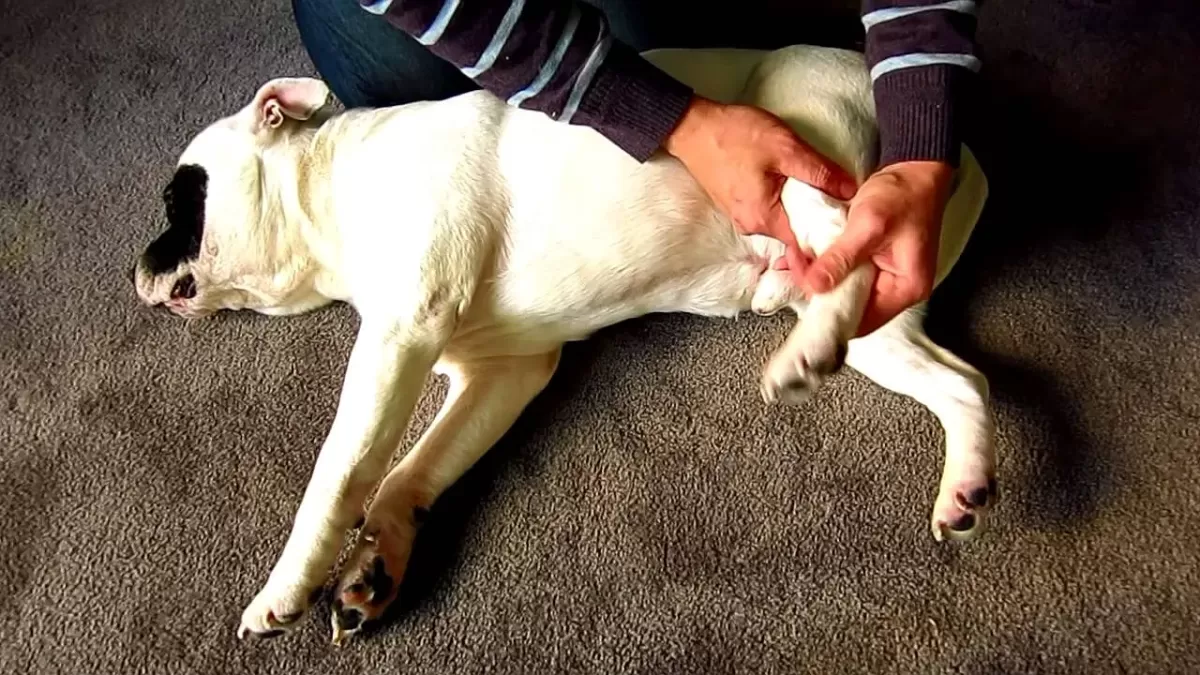
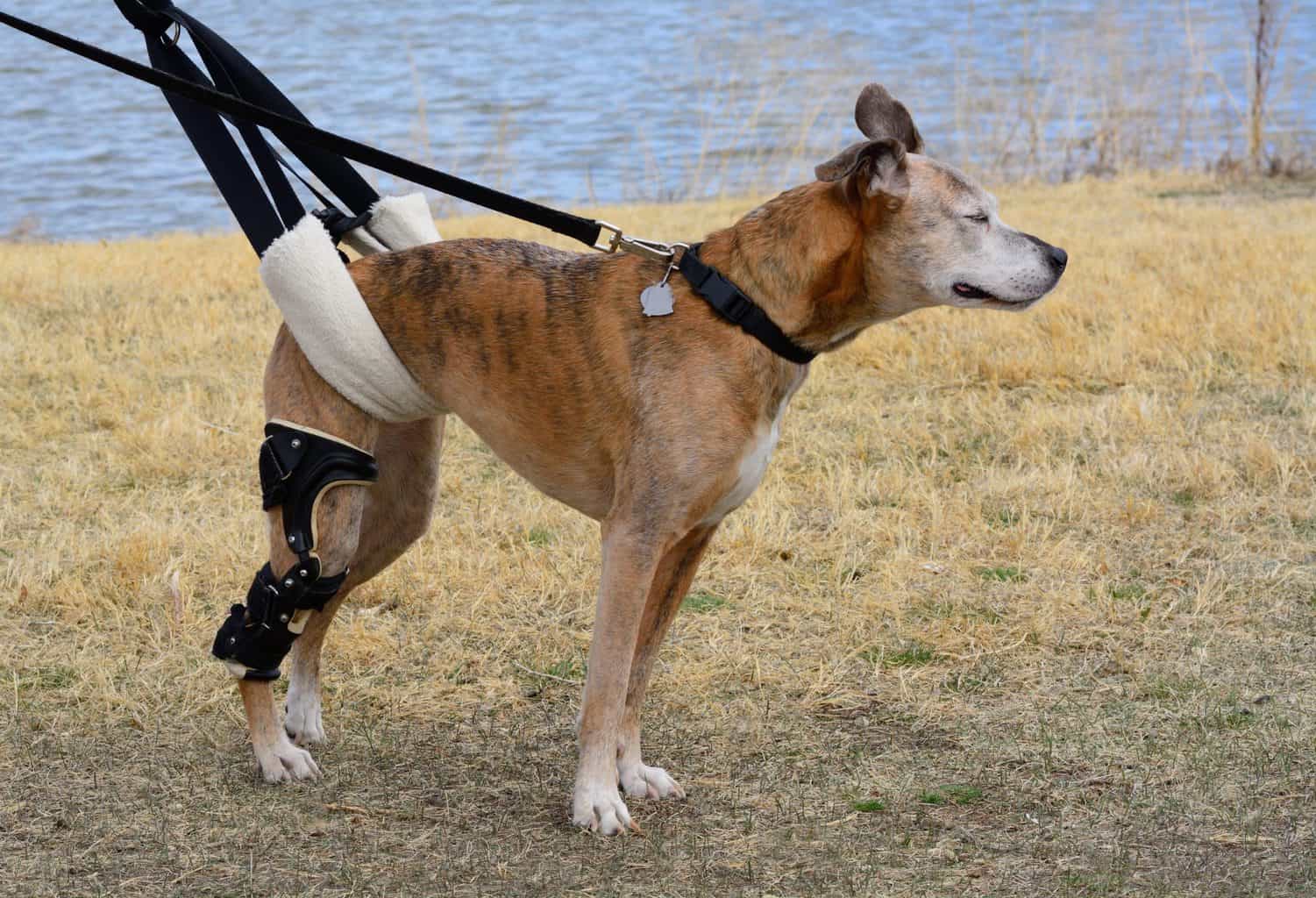
Cruciate Ligament Tears (CCL/ACL Tears): This is, unfortunately, a very common and often significant cause of limping in the back leg, particularly in dogs. The cranial cruciate ligament (CCL) in a dog's knee is similar to the anterior cruciate ligament (ACL) in humans. A tear, whether partial or complete, causes instability in the knee joint, leading to a characteristic limp. Dogs with CCL tears often stand with their knee slightly bent and avoid putting weight on the leg. You might even hear a "pop" at the time of injury, though not always. This condition often requires surgery to repair.
Hip Dysplasia: This is a genetic condition where the hip joint doesn't develop properly. The ball and socket don't fit snugly, leading to instability, pain, and eventually arthritis. While often seen in larger breeds, it can affect any dog. The limp might be more of a stiffness or a "bunny hop" gait, especially after rest. Diagnosis is usually made through physical examination and X-rays.
Patellar Luxation: This is when the kneecap (patella) slips out of its groove. It can happen on one or both back legs and causes the leg to pop out and then pop back in, resulting in a skipping or hopping gait. Some dogs can reduce the luxation themselves, but it can still be painful and lead to lameness.
Arthritis (Osteoarthritis): Just like us, dogs can develop arthritis as they age, or as a result of other injuries or conditions like hip dysplasia. The cartilage in the joints wears down, leading to pain, stiffness, and a limp. The limp might be worse in the mornings or after periods of rest, and can improve as the dog "warms up."
Fractures or Dislocations: While less common than soft tissue injuries, a broken bone or a dislocated joint in the back leg will obviously cause a severe limp and excruciating pain. This is usually due to significant trauma, like a car accident or a bad fall. The leg might look deformed or be held at an unnatural angle.

Bone Cancer: This is, thankfully, a rarer cause, but it's important to be aware of. Certain bone cancers can cause pain and lead to a progressive limp. This is more common in older dogs, and the pain may not be associated with any specific injury.
What to do if you suspect a serious condition: If you notice any of these signs, or if your dog's limp is severe, persistent, or worsening, it's crucial to get them to the veterinarian. They will perform a thorough physical examination, potentially including orthopedic tests, and may recommend X-rays or other imaging to get a definitive diagnosis. Early diagnosis and treatment are key to managing these conditions and ensuring your dog has the best possible quality of life.
The Vet Visit: What to Expect
Okay, so you've done the brave thing and booked that vet appointment. Phew! Now, what should you expect when you get there? Your vet is your partner in this, and they'll be looking for clues to piece together the puzzle.
History is Key: Be prepared to answer questions about when the limp started, what your dog was doing before it appeared, if there was any apparent injury, and how the limp has progressed. Did Buster suddenly yelp and refuse to put weight on his leg, or has it been a gradual stiffness? All these details are super helpful.
The Physical Examination: Your vet will likely perform a hands-on examination. They'll gently feel your dog's leg, looking for swelling, heat, pain, and instability in the joints. They'll watch your dog walk and stand, assessing their gait. They might manipulate the joints to check for range of motion and any abnormal movement.
Diagnostic Tools: Depending on what they find, your vet might recommend:
- X-rays (Radiographs): These are essential for diagnosing fractures, dislocations, arthritis, hip dysplasia, and sometimes even tumors.
- Blood Tests: These can help rule out infections or inflammatory conditions.
- Ultrasound: This can be useful for evaluating soft tissues like muscles and ligaments.
- Referral to a Specialist: For complex cases, your vet might recommend seeing a veterinary orthopedic specialist.
Treatment Options: Once a diagnosis is made, your vet will discuss treatment options. These can range from:

- Rest and Activity Modification: Often the first line of defense for soft tissue injuries.
- Medications: Pain relievers (NSAIDs specifically for dogs – never give human pain meds!), anti-inflammatories, or medications for conditions like arthritis.
- Physical Therapy: This can be incredibly beneficial for regaining strength and mobility after injuries or surgery.
- Surgery: For conditions like cruciate ligament tears or severe hip dysplasia, surgery is often the best option for long-term recovery and function.
- Supplements: Joint supplements like glucosamine and chondroitin can help support joint health, especially for dogs with arthritis.
Prevention is the Best Medicine (and Less Limping!)
While we can't prevent every single limp (dogs are just too enthusiastic for that!), there are things we can do to minimize the risk, or at least catch potential problems early.
Maintain a Healthy Weight: This is HUGE! Excess weight puts immense strain on a dog's joints, especially their back legs. Keeping your dog lean is one of the best things you can do for their joint health.
Appropriate Exercise: Regular, but not excessive, exercise is important. Avoid sudden, strenuous bursts of activity, especially for young, growing dogs or older dogs. Warm-up and cool-down periods can also be beneficial.
Diet and Supplements: A balanced diet is crucial. For breeds prone to joint issues, talk to your vet about joint supplements.
Regular Vet Check-ups: Don't wait for a limp to appear! Regular wellness exams allow your vet to catch subtle signs of developing problems, like early arthritis or hip dysplasia.
Be Observant: You know your dog better than anyone. Pay attention to their behavior, their energy levels, and their movement. If something seems off, even if it's just a slight hesitation, investigate. It's always better to be safe than sorry when it comes to our furry family members.
Seeing your dog limp is definitely a worry. But by understanding the common causes, knowing when to seek professional help, and being a proactive pet parent, you can help your four-legged friend get back on all four paws as quickly and comfortably as possible. And that, my friends, is a victory worth wagging your tail about!
:strip_icc()/why-is-my-dog-limping-4125207-final-2063d54b740d485c9caa789c4b8662ea.jpg)