
Why Does My Neck Pop And Crack

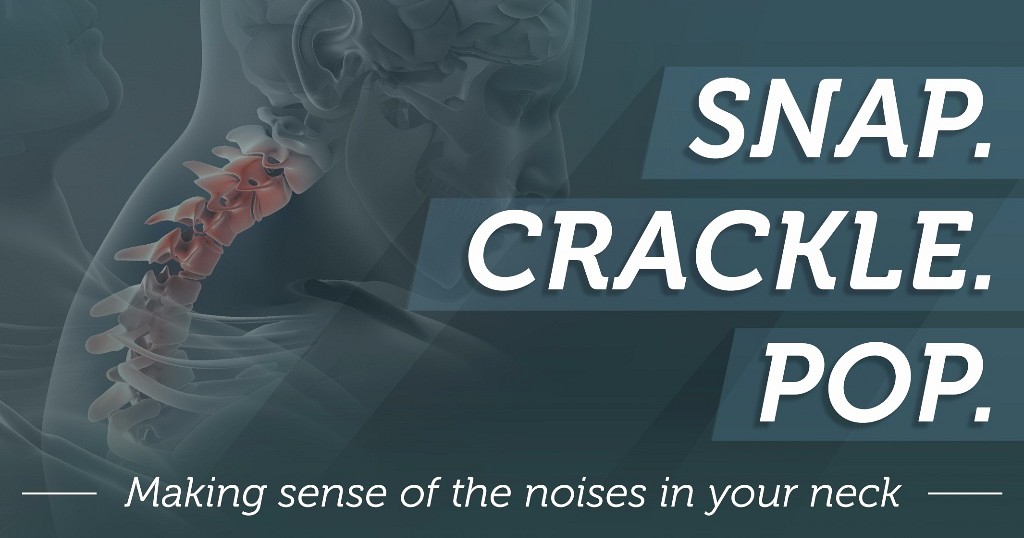
Hey there, friend! Ever find yourself doing that little shimmy, that neck-twist dance, only to be met with a symphony of pops and cracks? Yeah, you know the one. It’s like your neck is auditioning for a percussion solo. And then, almost immediately, you’re hit with that nagging question: "What in the heck is going on in there?!" Don't worry, you're not alone. This little neck concert is something pretty much everyone experiences, and today, we’re going to dive into the wonderfully weird world of why your neck likes to put on a show.
So, let’s get this straight, first and foremost: most of the time, these pops and cracks are totally harmless. Think of it as your neck’s way of stretching its legs, so to speak. It’s not your bones grinding together like a rusty gate, although that’s a fun, albeit slightly terrifying, image. Nope, it’s usually a lot less dramatic. So, deep breaths, no need to panic-text your doctor just yet!
The Great Gas Bubble Caper
Alright, let’s talk about the main suspect, the star of our popping show: gas bubbles! Seriously. Inside your joints, including those in your neck, you’ve got a special fluid called synovial fluid. It’s like the WD-40 for your body’s hinges, keeping things nice and lubricated so you can, you know, turn your head to look at that ridiculously cute dog walking by. This fluid also contains dissolved gases, mostly nitrogen and carbon dioxide. You know, the same stuff you find in fizzy drinks? Yep, your joints are basically mini-cola factories.
Must Read
Now, when you stretch, bend, or twist your neck, you’re essentially changing the pressure within that joint. It’s like when you crack open a soda can – the pressure changes, and poof! you get those satisfying bubbles. When the pressure in your synovial fluid drops quickly, the dissolved gases form a small bubble. This bubble then collapses or bursts, and that’s the sound you hear. It’s called a cavitation event. Fancy, right? It sounds a bit dramatic, but it’s just a gas bubble saying hello and goodbye.
Think of it like this: imagine a tiny balloon filled with bubbly water. When you stretch the balloon too quickly, the water inside might get a bit agitated, and a little bubble might form and pop. That's pretty much what's happening in your neck. It’s a quick, momentary release of pressure, and the sound is just the evidence of that tiny bubble’s brief existence.
Some people are more prone to this than others. Why? Well, maybe their joints are just a bit more… enthusiastic with their bubble-making. It could be genetics, or it could be how your joints naturally move. No biggie!
What About Those Other Sounds?
While gas bubbles are the most common culprits, sometimes you might hear other sounds. There’s the gentle *creak or crunch, which can sometimes be a little more concerning, but still often not a cause for alarm.

This is where things like ligaments and tendons come into play. These are the strong, fibrous tissues that connect your bones to each other (ligaments) and your muscles to your bones (tendons). When you move your neck, especially if it’s been in one position for a while, these tissues might be a bit tight or stiff. As they move over the bony parts of your vertebrae, they can sometimes make a snapping or clicking sound. It’s like a little stretch or recoil.
Imagine a rubber band that’s been coiled up for a while. When you stretch it, it might make a little snap as it straightens out. That’s kind of what’s happening with your ligaments and tendons. They’re just moving through their normal range of motion, and sometimes that movement creates a sound.
This is particularly common if you’ve been sitting at a desk for hours, hunched over your computer, or if you’ve been sleeping in a slightly awkward position. Your muscles and the surrounding tissues get a bit tight, and when you finally straighten up, they might grumble a bit. It’s their way of saying, “About time! Let’s get moving!”
The Age Factor (Boo!)
Ah, yes, the dreaded word: age. It seems like everything gets creakier as we get older, and our necks are no exception. As we age, the cartilage that cushions our joints can start to wear down. This is called osteoarthritis. It’s not like a sudden, dramatic event, but a gradual process.
When the cartilage thins, the bones in your vertebrae get closer together. This can lead to more friction, and that friction can create those crunching or grinding sounds. It’s like the protective padding between your bones starts to disappear, and things get a bit more… direct.

This doesn't mean you're falling apart! It's a natural part of the aging process. Think of it like a well-loved pair of shoes. They’ve seen a lot of miles, and maybe they’re not as bouncy as they used to be, but they’re still functional and have a lot of stories to tell. Your aging neck is similar – it’s been through a lot, and it’s just showing its age with a few extra sounds.
However, if these sounds are accompanied by pain, stiffness, or reduced range of motion, then it’s a good idea to get it checked out. A doctor or physical therapist can help you understand what’s going on and suggest ways to manage it, like exercises to strengthen the surrounding muscles and improve flexibility.
Is It Bad If It Hurts?
Okay, this is the big one. While popping and cracking are usually fine, if it hurts, you should pay attention. Pain is your body’s way of sending out an SOS signal. It’s like a little red flashing light on your dashboard saying, "Uh oh, something's not quite right here!"
If you experience pain when your neck pops or cracks, or if the popping is consistently associated with discomfort, it could be a sign of something more serious. This could include things like:
- Muscle strain or sprain: Sometimes, you might have pulled a muscle or stretched a ligament a bit too far.
- Disc issues: The discs between your vertebrae can sometimes bulge or herniate, which can cause pain and clicking.
- Inflammation: There might be some inflammation in the joint, which can be sensitive to movement.
- Nerve irritation: If a nerve is getting pinched, that’s definitely a reason for concern.
If you're experiencing any of these, it's really important to see a healthcare professional. They can diagnose the problem and recommend the right treatment. Don't try to self-diagnose or ignore pain – that’s a recipe for making things worse.
Remember, it's the difference between a friendly "hello" and a rather aggressive "get out of my way!" Your body is pretty good at telling you when something’s up. Listen to it!
The "Should I Crack It?" Dilemma
This is a question that plagues many of us. You feel that familiar stiffness, that urge to just give your neck a little nudge to get that satisfying pop. But should you? The general consensus among health professionals is: if you have the urge to crack your neck, it’s often a sign that your neck is stiff and could benefit from some gentle movement.
So, instead of deliberately cracking it, try some gentle stretches. Roll your shoulders, do some slow neck rolls (if it doesn’t hurt!), or simply take a break from your current position and walk around for a bit. These activities can help release tension and improve blood flow, which can often resolve the stiffness that makes you want to crack your neck in the first place.
Trying to force a crack, especially if you’re not sure what you’re doing, can sometimes lead to injury. It’s like trying to force a puzzle piece into the wrong spot – you might end up bending it or breaking it. So, ease into it with gentle, controlled movements.

If you do find yourself habitually cracking your neck, and it's not causing pain, it's usually more of a habit than a problem. But, just like any habit, it's worth being mindful of. Could you replace it with a healthier, more beneficial activity for your neck?
So, What's the Takeaway?
Here’s the lowdown: your neck pops and cracks for a few main reasons, most of them pretty innocent:
- Gas bubbles in your synovial fluid are the most common culprits, creating a popping sound when they burst.
- Ligaments and tendons moving over bones can also cause clicking or snapping sounds, especially when things are a bit stiff.
- Aging can lead to cartilage wear and tear, which might cause more crunching or grinding sounds.
The key takeaway is this: unless there’s pain, significant stiffness, or a feeling of something being “off,” you can usually relax about the occasional pop and crack. It’s just your body doing its thing, keeping its moving parts well-oiled and functional.
Think of your neck as a well-loved, slightly quirky musical instrument. Sometimes it plays a gentle melody, other times it might belt out a little percussive flourish. It’s all part of its unique charm!
And honestly, isn’t it a little bit amazing how our bodies work? All these intricate mechanisms, constantly keeping us moving, grooving, and, yes, sometimes popping and cracking. So, the next time you hear that little symphony from your neck, give yourself a little nod of appreciation. Your body is an incredible thing, and it’s doing its best to keep you comfortable and mobile. Embrace the pops, listen to your body, and remember to smile – because a healthy, moving body is definitely something to be happy about!

