Why Does Hay Fever Get Worse At Night
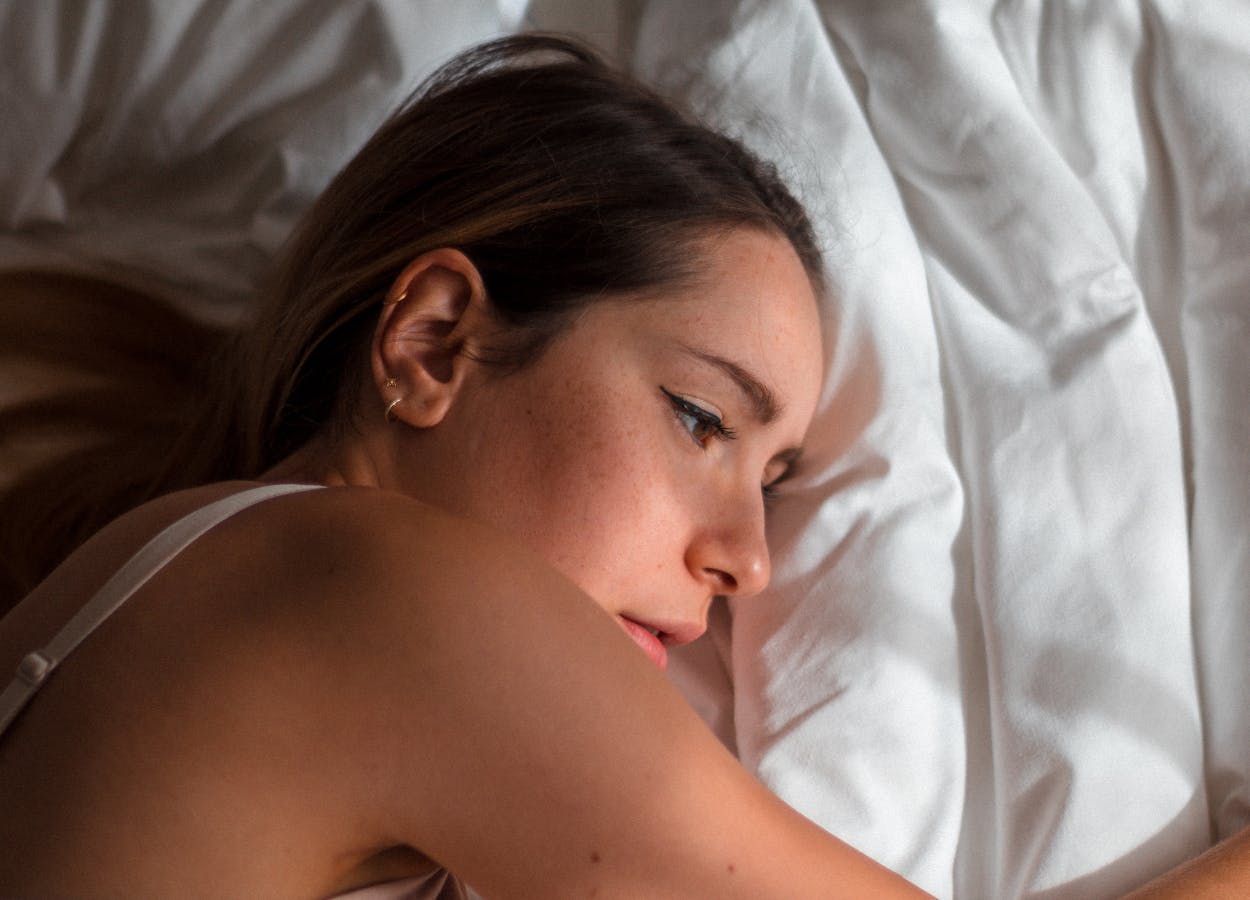
Ever feel like your nose goes rogue as soon as you’re tucked into bed? You’re not alone. Hay fever at night is a thing. And it’s a particularly sneaky, sniffly, and downright annoying thing. Why does this happen, you ask? Let’s dive into the delightful world of nighttime sniffles.
Think of your bedroom as a little pollen trap. During the day, the wind is doing its thing, scattering pollen far and wide. It’s a global pollen party! But as the day winds down, a lot of that airborne confetti settles. Where does it settle? Yup, you guessed it. On everything. Including your pillows, your blankets, your carpet… your entire sanctuary of sleep.
So, all day long, you might be exposed to a certain amount of pollen. But when you’re outside, you’re moving. You’re breathing in and out, and that air is circulating. It’s not just hanging out around your face. But indoors, especially in your bedroom, things get a little more… concentrated.
Must Read
It’s like a tiny allergen rave happening right under your nose. And your nose is not invited to this party. It’s throwing a major fit instead. Sneezing? Check. Itchy eyes? Double check. Congestion that makes you sound like a leaky faucet? Absolutely. It’s a symphony of sniffles.
And the humidor effect. That’s a fun one! When you sleep, you’re in a relatively enclosed space. Your breath, your body heat, it all contributes to a slightly more humid environment. And guess what loves humidity? Allergens. They practically do a little jig in the moist air. It makes them stick around longer, just waiting to pounce on your nasal passages.
Plus, think about your body’s internal clock. Our bodies have these amazing circadian rhythms. They’re like tiny internal conductors, directing all sorts of processes. And guess what? Your immune system has a rhythm too. It can be a bit more active at certain times of the day and night. So, when pollen decides to throw its nighttime party, your immune system might be extra revved up and ready to go, seeing those pollen grains as unwelcome intruders.

The Great Pollen Migration
Let’s talk about the pollen itself. It’s a fascinating, if frustrating, little thing. These tiny grains are basically plant sperm. Yep. They’re on a mission to fertilize other plants. And they travel on the wind. It’s a botanical romance on a grand scale.
But when the wind dies down, especially at night, a lot of this pollen that was floating around decides to take a break. It descends. Like tiny, itchy parachutes. They land on your hair. They land on your clothes. They land on your skin. And then, when you get into bed, all that accumulated pollen has a direct route to your nose and eyes.
Imagine you’ve been out and about all day. You’ve been collecting pollen like a tiny, unwitting pollen collector. You’ve got it in your hair, on your face, maybe even on your pajamas. Then you hop into bed. Your face is now practically nuzzling into a pollen buffet. It’s a recipe for nasal disaster.
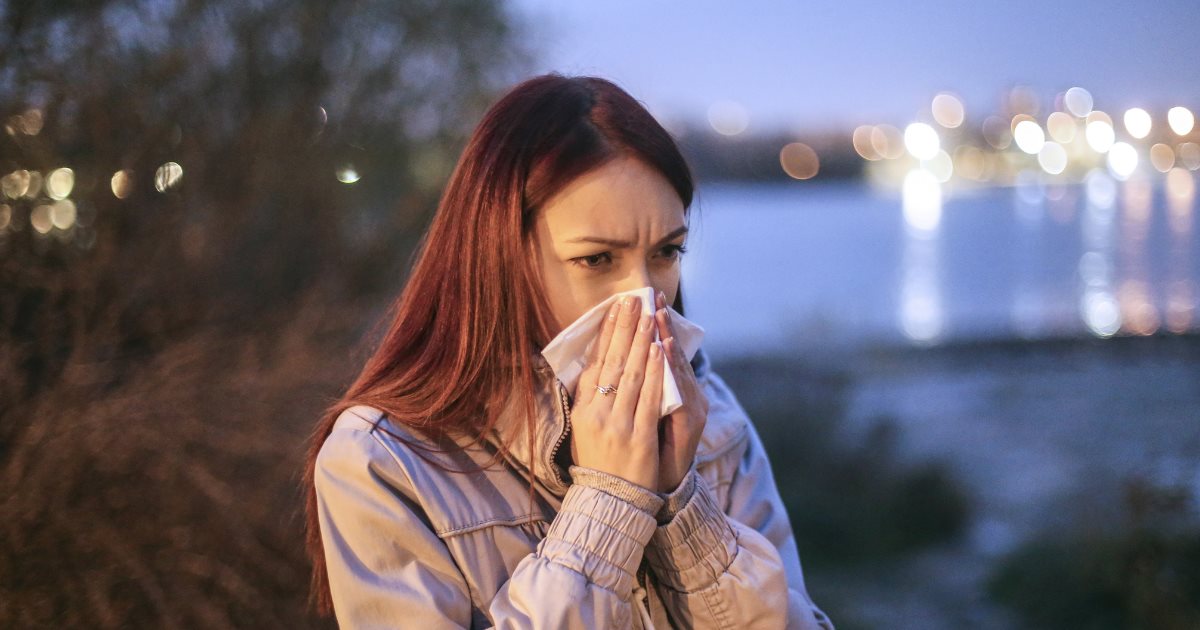
Your Pillow: The Pollen Hotel
Your pillow. Oh, your precious pillow. It’s soft, it’s comforting, it’s where you rest your weary head. And it’s also a five-star resort for pollen. All those pollen grains that settled on your hair during the day? They transfer to your pillow. It’s like a tiny, fluffy allergen magnet.
And the friction! As you toss and turn in your sleep, you’re basically giving that pollen a little massage into the fabric of your pillow. It’s getting nice and cozy. And every time you breathe in, you’re getting a direct hit of allergen goodness. Delicious, right? (Spoiler: not at all).
Think about it: you’re lying there, completely still. The air around you is more stagnant. So, any pollen that is in your room has more time to get close to your face. It’s not being dispersed by movement. It’s just… there. Waiting.
And let’s not forget about dust mites. While not technically pollen, dust mites and their droppings are also major indoor allergens. They love the warm, humid environment of your bed. So, even if pollen isn’t the main culprit for you, your nighttime sniffles might be a double whammy of pollen and dust mites.

The Cortisol Connection?
Now, this is where things get a little science-y, but in a fun way! Our bodies produce a hormone called cortisol. It’s often called the "stress hormone," but it actually plays a role in regulating our immune system. And cortisol levels naturally dip at night.
When cortisol levels are lower, our immune system can become a bit more sensitive. So, that pollen that might have been less bothersome during the day could be met with a more vigorous response from your immune system when you’re trying to catch some Zzzs. It’s like your body is saying, "Hey! What's this doing here? Let's get it!"
It’s a bit like a security guard who’s a little more sleepy at night. They might be a bit more jumpy at any unexpected noise. Your immune system, with its lower cortisol levels, might be a bit more sensitive to those pollen invaders.

The Sneaky Sneezes of Evening
So, why does it feel worse at night? It’s not just in your head. It’s the combination of factors. The settling pollen. The concentrated indoor air. The potential for dust mites. And your body’s own internal rhythms. It’s a perfect storm of sniffle-inducing elements.
And the frustration! You’re trying to relax. You’re trying to fall asleep. And your body decides it’s the perfect time to launch a full-scale nasal assault. It’s enough to make you want to wear a hazmat suit to bed. Or at least a very stylish nose plug.
The good news is, understanding why it happens can make it a little less mysterious and a lot more manageable. Knowing that your bedroom is essentially a pollen trap helps you take action. Think of it as a fun challenge: how to outsmart the pollen!
So, next time you’re up at 2 AM with a tissue in hand, remember this. It’s not just you. It’s science. It’s nature. It’s the quirky, sometimes annoying, but always fascinating world of allergies. And hey, at least we can have a good chuckle about it, right?