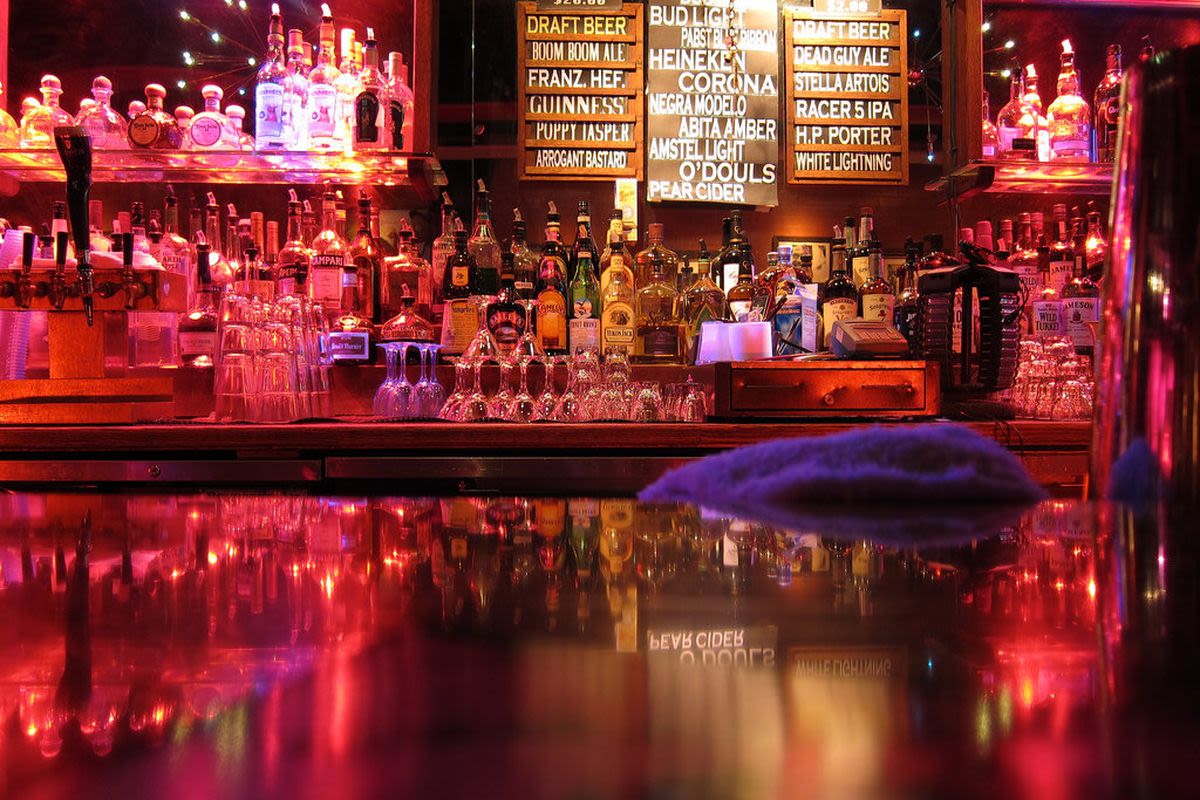
Why Do They Call A Bar A Bar
Ever found yourself cozied up on a stool, nursing a well-crafted cocktail, and wondered, “You know, why do they call this place a bar?” It’s a question that might only pop into your head after a particularly relaxing evening, when the world feels a little softer and the edges of everyday life have blurred just enough. And honestly, it’s a pretty good question. We all know what a bar is, but the origin of the word itself? That’s a story with a bit more fizz than you might expect.
Let’s be real, the word “bar” is pretty darn ubiquitous in the beverage world. You’ve got your sports bars, your dive bars, your cocktail bars, your wine bars, even your juice bars (though we’re focusing on the slightly more potent kind today!). It’s a word that conjures up images of dim lighting, clinking glasses, hushed conversations, and perhaps the faint scent of hops and possibility.
So, where did it all begin? Well, it’s not as simple as pointing to one single invention. Like a good multi-layered drink, the story of the “bar” is a blend of history, practicality, and a dash of evolving language.
Must Read
The Practical Barrier: A Literal Bar
The most straightforward and widely accepted origin story harks back to a very literal barrier. Think way back, to the days before fancy espresso machines and elaborate spirit infusions. In the early taverns and inns, especially in England, there was often a counter or a long wooden plank – you guessed it, a bar – that separated the patrons from the person serving the drinks.
This wasn't just for show. This physical barrier served a few key purposes. Firstly, it helped keep order. Imagine a crowded, boisterous inn. A bar would prevent unruly customers from wandering behind the counter and causing trouble. Secondly, and perhaps more importantly, it created a clear demarcation between the public space and the private working area of the innkeeper. It was the frontline of service, if you will.
This practical function is why we still often refer to the area where drinks are prepared and served as the “bar” even today, even in establishments where there isn’t a physical barrier running the length of the room. The name just stuck, a testament to its enduring utility.
It's kind of like how we still call a telephone a "phone" even though most of us don't hold a physical handset to our ear anymore. The core concept, the function, remains, and the old name just rolls off the tongue.
From Barrier to Establishment: The Evolution
Over time, the word “bar” began to refer not just to the physical counter, but to the entire establishment that featured it. As taverns and inns evolved, and as the focus shifted more squarely towards the serving of alcoholic beverages, the entire venue became known by the name of its most prominent feature.

Think of it as a linguistic shorthand. Instead of saying, “I’m going to the establishment with the long counter where they serve drinks,” people simply said, “I’m going to the bar.” It’s efficient, it’s clear, and it’s a testament to how language adapts to everyday life.
This evolution is a fascinating glimpse into how society changes. The role of the innkeeper shifted, the types of beverages offered diversified, and the social function of these places transformed. Yet, the name remained, carrying with it the echoes of its simpler, more utilitarian beginnings.
The “Bar” Around the World: A Cultural Glance
The concept of a place dedicated to socializing and drinking is, of course, universal. While the word “bar” is deeply ingrained in English-speaking cultures, other languages have their own charming terms for these havens.
In Spain, you’ll find bares (plural of bar), often bustling with people enjoying tapas and cañas (small beers). In France, it’s the beloved bar or bistro, places that are as much about conversation and people-watching as they are about wine and absinthe. Italy offers the ubiquitous bar, which often serves as a morning coffee spot before transitioning into an evening haunt for aperitifs. Germany has its Kneipe, a more traditional pub atmosphere, and Bars, often with a more modern vibe.
Even within English, the word has spawned a rich lexicon of related terms. We have the "bartender" (the person behind the bar), the "barfly" (a regular patron), and even "bar hopping" (moving from one bar to another). It’s a linguistic ecosystem all its own!
Fun Fact Alert!
Did you know that in some parts of the United States, the term "saloon" was more common for drinking establishments, especially during the American Wild West era? While "bar" was always present, "saloon" often conjured images of rowdier places, complete with swinging doors and poker games. The shift towards "bar" becoming the dominant term reflects a broader cultural evolution and perhaps a move towards more refined or at least less overtly boisterous establishments.
Beyond the Literal: The Social Bar
While the physical barrier is a solid explanation, the word “bar” has also come to represent something far more intangible: a place of social connection. It’s a neutral ground, a space where people from different walks of life can come together, share a drink, and engage in conversation.
Think about it. Bars are often depicted in films and literature as pivotal locations for plot development. It’s where characters meet, where secrets are shared, where friendships are forged, and where sometimes, hearts are broken. The bar is a stage for human interaction, a place where the mundane can often give way to the extraordinary.
From the hushed intensity of a dimly lit jazz club bar to the raucous energy of a sports bar on game night, each type of bar offers a different flavor of social experience. They are communities in miniature, offering solace, celebration, and sometimes, just a moment of respite from the outside world.
The Modern Bar: A Multifaceted Experience
Today’s bars are incredibly diverse. We have the craft cocktail bar, where mixologists are akin to culinary artists, meticulously crafting drinks with fresh ingredients and innovative techniques. Think of the resurgence of the speakeasy, bringing a sense of clandestine excitement and old-world charm back to the scene.
Then there are the wine bars, offering curated selections from around the globe, often with knowledgeable staff to guide your palate. Or the beer bars, celebrating the vast and ever-expanding world of craft brews. And of course, the gastropubs, blurring the lines between a casual eatery and a sophisticated drinking establishment, offering elevated pub fare alongside an impressive drink menu.
The term “bar” has become a broad umbrella, encompassing a spectrum of venues, each with its own unique ambiance and appeal. What remains consistent, however, is the fundamental idea of a place where beverages are served and where people gather.
A Little Lingo to Impress Your Bartender:
When you’re at the bar, you might hear terms like:
- On the rocks: Served over ice.
- Neat: Served without ice.
- Up: Chilled and strained into a glass without ice.
- Shaken, not stirred: A classic James Bond move, implying a more vigorous dilution and aeration of the drink.
Knowing these little tidbits can make you feel a bit more in the know, and who doesn't love feeling like an insider?
The Comfort of the Counter
There’s a certain comfort that comes with sitting at a bar. It’s less formal than a table, allowing for a more immediate interaction with the staff and often, with fellow patrons. You can watch the artistry of the bartender at work, the precise movements, the careful measurements, the final flourish of a garnish. It’s a performance, a small spectacle that adds to the overall experience.

For solo diners or drinkers, the bar can be a wonderfully welcoming space. It’s easier to strike up a conversation, to feel part of something without the pressure of formal seating arrangements. It’s a place where anonymity can be comforting, or where connection can be effortlessly found.
And let’s not forget the practicalities! Often, if you’re just popping in for a quick drink or a bite, sitting at the bar is the quickest and most convenient option. It’s efficient, it’s direct, and it’s part of the unpretentious charm.
A Final Sip on the Word
So, the next time you find yourself leaning on a polished counter, the hum of conversation around you, and a perfectly balanced drink in hand, take a moment to appreciate the journey of the word “bar.” From a simple, functional barrier separating server from served, it has evolved into a concept that embodies social connection, cultural exchange, and a delightful spectrum of libationary experiences.
It’s a reminder that even the most commonplace words have stories to tell, layers of history and meaning that add richness to our daily lives. The bar, in all its forms, continues to be a vital part of our social fabric, a place where we can unwind, connect, and perhaps, just for a little while, forget the barriers that exist outside.
Connecting to Our Daily Brews
This journey into the origin of the word “bar” is a gentle nudge to look a little closer at the things we take for granted. It’s about recognizing the history and the humanity embedded in everyday objects and experiences.
Whether your preferred “bar” is a bustling pub, a quiet corner cafe serving a strong espresso, or even your own kitchen counter where you mix up a weekend mocktail, there’s a shared human impulse at play: the desire to pause, to connect, and to enjoy a small pleasure. So, next time you order a drink, remember the literal and figurative bars that have paved the way, and savor the moment. Cheers to that!