Why Do Slugs Come In The House

Ah, the humble slug. Not exactly the poster child for garden glamour, is it? Yet, there's something undeniably fascinating, and let's be honest, a little bit intriguing, about these slimy explorers. Why, oh why, do they decide our cozy homes are the ultimate destination for their slow-motion adventures? It's a question that pops into many a homeowner's mind, often accompanied by a less-than-enthusiastic yelp and a hasty search for a dustpan. But beyond the initial "ick" factor, understanding the motivations behind a slug's indoor escapade is actually quite useful. It helps us become better stewards of our homes and gardens, transforming a minor annoyance into a fascinating glimpse into the natural world that surrounds us.
So, what’s the big draw? Why would a creature perfectly adapted to a damp, leafy existence choose to navigate the treacherous terrain of our living rooms and kitchens? The primary driving force behind a slug's indoor invasion is a quest for survival, and more specifically, for the perfect living conditions. Think of it as a strategic retreat from the harsh realities of the outside world. Our homes, for all their dry surfaces and air-conditioned coolness, offer a veritable smorgasbord of appealing microclimates for these soft-bodied invertebrates.
One of the most significant factors is moisture. Slugs are about 85% water, and they can dehydrate very quickly. This makes them incredibly sensitive to dry conditions. When the sun bakes the soil, or when the air outside becomes parched, slugs will actively seek out damp environments. This is why you often see them emerge after a dry spell or during hot weather. Your home, with its potentially leaky pipes, humid bathrooms, and even the condensation on your windows, can seem like a veritable oasis of hydration. A damp basement, a forgotten spill in the kitchen, or even a slightly damp potted plant can be a siren song for a thirsty slug.
Must Read
Beyond water, slugs are also on the lookout for food. While they have a reputation for devouring our prized petunias, their diet is surprisingly varied. Inside our homes, they can find a range of edible treasures. This might include mold and mildew, which thrive in damp, dark corners. They might also be attracted to fallen crumbs, pet food left out, or even the decaying organic matter found in houseplants. While we might not consider these delicacies, to a slug, they represent a readily available meal ticket, a convenient all-you-can-eat buffet without the competition of larger predators.

Another crucial element is shelter. Our homes provide protection from the elements and from predators. The outside world can be a dangerous place for a slug. Birds, hedgehogs, thrushes, and even some beetles view slugs as a tasty snack. Inside, they can escape these dangers, finding refuge in the nooks and crannies that offer a sense of security. The dark, quiet spaces beneath appliances, behind furniture, or within the walls can be ideal hiding spots where they can rest, digest, and avoid becoming someone else's dinner. They are nocturnal creatures by nature, and the quiet solitude of our homes at night can be particularly appealing.
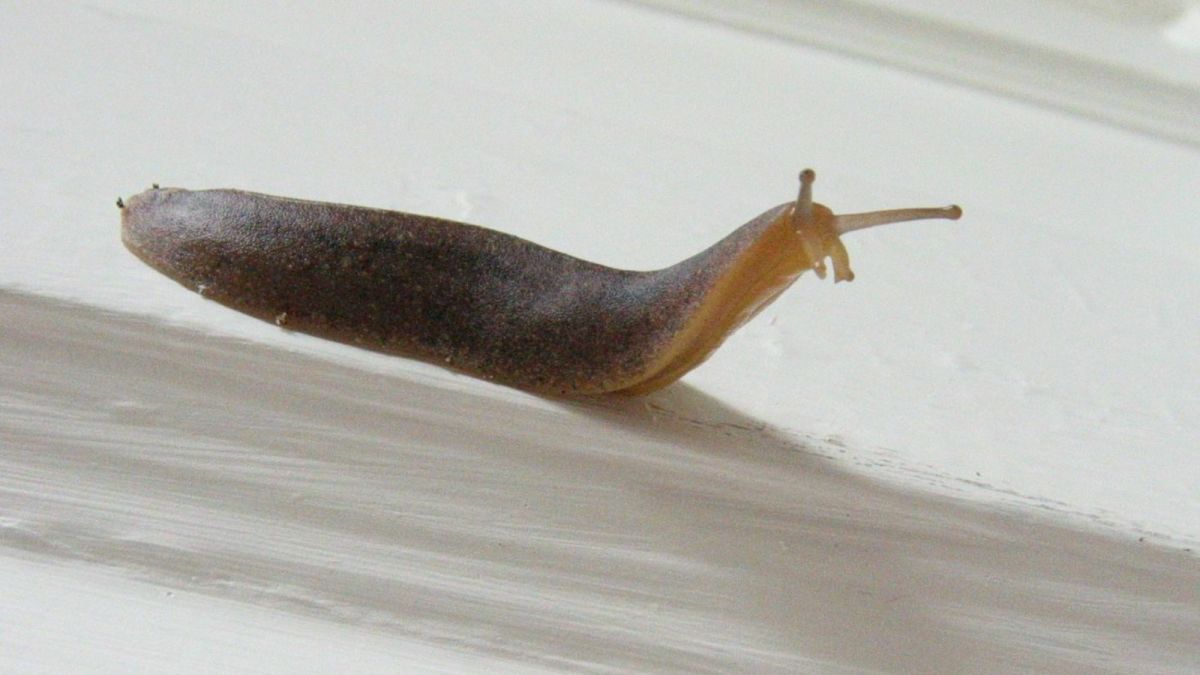
The way our homes are constructed also plays a role. Gaps and cracks around windows and doors, poorly sealed foundations, or even just the way our homes connect to the garden can create an open invitation. Slugs are remarkably adept at squeezing through very small openings, using their slime to navigate surfaces and make their way into places we might not even notice. A tiny crack in a window frame or a gap under a door can be a highway for these determined gastropods.

Furthermore, environmental factors outside can push them indoors. A particularly wet autumn, for instance, can lead to flooded slug habitats, forcing them to seek higher, drier ground, and our homes can inadvertently become that haven. Conversely, a prolonged drought might drive them to seek out any available moisture, leading them to investigate our usually dry interiors.
It’s also worth noting that slugs aren't actively plotting to invade your pristine living space. They are driven by instinct and the basic needs of survival: food, water, and shelter. When these needs are met more readily within our homes, they will explore. Understanding these simple motivations can help us take preventative measures, like sealing up entry points and managing moisture levels, rather than simply reacting with a shriek and a broom. It turns a yucky encounter into an opportunity to learn about the fascinating, albeit slimy, world that shares our space.