Why Do My Rpms Jump While Driving

Ever felt that little jolt, that momentary surge in your engine's hum, and glanced at your dashboard to see the RPMs doing a little dance? It's a common quirk that many drivers experience, and honestly, it can be a bit perplexing. But fear not, fellow road warriors! Understanding why your tachometer needle might be doing the cha-cha is not just a neat party trick for your next coffee break; it's also incredibly useful for keeping your beloved vehicle in tip-top shape and ensuring a smooth, confident ride. Think of it as getting to know your car's personality a little better. We're going to peel back the layers and explore the fascinating world of why your revolutions per minute might be taking an unexpected detour.
The Heartbeat of Your Engine: Understanding RPMs
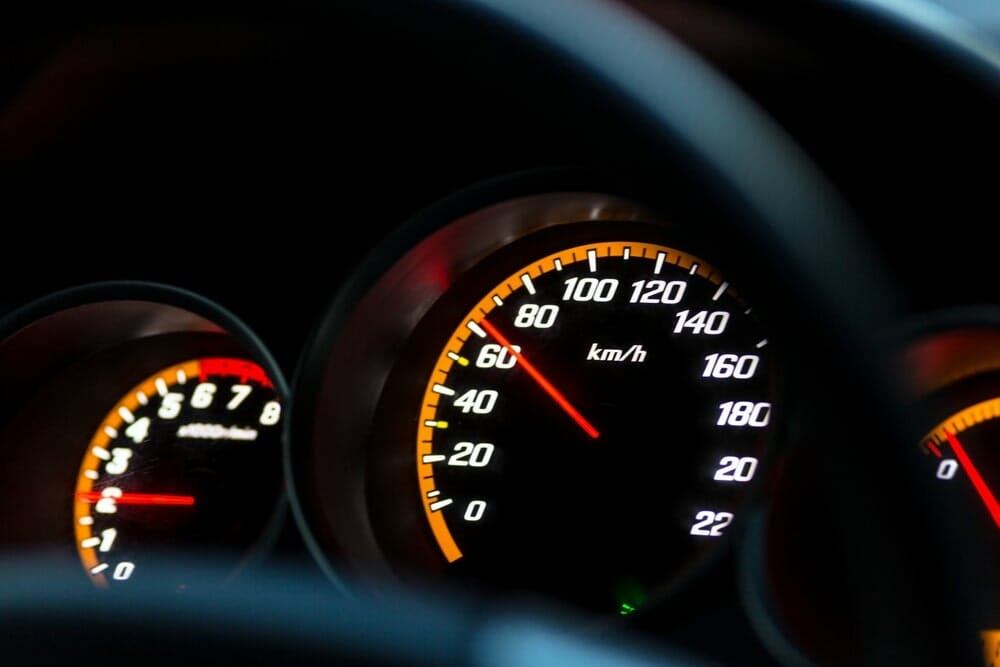
Before we dive into the 'why,' let's quickly touch on the 'what.' The RPM gauge, short for revolutions per minute, tells you how many times your engine's crankshaft is spinning every minute. It's essentially the heartbeat of your car, indicating how hard your engine is working. Higher RPMs generally mean the engine is revving faster, often associated with acceleration or climbing hills. Lower RPMs usually indicate a more relaxed engine, like when you're cruising on the highway or idling at a stoplight. So, when those numbers jump unexpectedly, it's like your car is telling you something's up with its rhythm.
The Usual Suspects: Common Causes for RPM Jumps
There are several reasons why your RPMs might be acting a bit erratic. Let's explore some of the most frequent culprits:
Must Read
Transmission Troubles: The Shifting Shuffle
One of the most common reasons for fluctuating RPMs, especially during acceleration or deceleration, lies within the transmission. If you have an automatic transmission, the system is responsible for smoothly shifting gears to match your speed and engine load. When there's an issue here, like a dirty transmission fluid, a worn-out solenoid, or even a failing torque converter, the transmission might struggle to engage the correct gear. This can cause the engine to rev higher than it should for a given speed, leading to that jump in RPMs. It might feel like a slight hesitation, a clunk, or just an unexplained surge. Think of it as the transmission being a bit indecisive about which gear is the best fit for the current situation.
For those with a manual transmission, the clutch is the key player. If your clutch is slipping, it means the engine is revving, but that power isn't being fully transferred to the wheels. This can manifest as a sudden rise in RPMs without a corresponding increase in speed. It's a clear sign that the clutch plates are no longer gripping as they should.
Vacuum Leaks: The Invisible Intruder
Your engine relies on a precise balance of air and fuel. Vacuum leaks can disrupt this delicate equilibrium. These leaks occur when there are cracks or disconnections in the hoses and lines that create a vacuum within the engine. When unmetered air enters the engine through these leaks, it can confuse the engine control unit (ECU). The ECU tries to compensate by adjusting fuel delivery, which can lead to fluctuations in engine speed and, consequently, in your RPMs. You might also notice other symptoms like a rough idle or a slight hesitation when you press the accelerator.
Idle Air Control (IAC) Valve Malfunction: The Unsteady Idle
The Idle Air Control (IAC) valve is a crucial component, particularly in older vehicles or those with throttle bodies. Its job is to regulate the amount of air that bypasses the throttle plate when it's closed, ensuring a stable idle speed. If this valve gets dirty, sticky, or fails altogether, it can cause the engine to idle erratically. This often translates into RPMs that jump up and down noticeably when your car is at a standstill or in neutral. It’s like the valve is having trouble making up its mind how much air the engine needs to just hum along.

Spark Plug and Ignition System Issues: The Misfiring Moment
A healthy ignition system is vital for a smooth-running engine. This includes your spark plugs, ignition coils, and spark plug wires. If one or more of these components are failing, it can lead to an engine misfire. When a cylinder misfires, it's not contributing its full power to the engine's rotation. This can cause the engine to stumble and the RPMs to drop momentarily, or it might cause the ECU to try and compensate, leading to unexpected surges. You might also notice a rougher idle, a loss of power, or even a check engine light.
Clogged Fuel Injectors or Fuel Pump Problems: The Starved Engine
Just like your body needs consistent nourishment, your engine needs a steady supply of fuel. Clogged fuel injectors or issues with the fuel pump can restrict the flow of gasoline to the engine. When the engine isn't getting enough fuel, it can struggle to maintain a consistent power output, leading to fluctuations in RPMs. This is especially noticeable under load, such as when accelerating or going uphill.

What to Do When Your RPMs Jump
The most important thing to remember is not to panic! A slight, infrequent jump might not be a cause for immediate alarm, but persistent or significant fluctuations definitely warrant attention. If you notice your RPMs jumping consistently, it's a good idea to have your vehicle inspected by a trusted mechanic. They have the diagnostic tools and expertise to pinpoint the exact cause. Early detection and repair can save you from more costly problems down the line and ensure your car continues to be a reliable companion on your journeys.
Pay attention to when the jumps occur. Do they happen during acceleration, braking, idling, or at specific speeds? Note any other unusual symptoms, like strange noises, warning lights on the dashboard, or changes in performance. This information will be incredibly helpful for your mechanic when diagnosing the issue. So, the next time you see those RPMs take a little leap, you'll have a better understanding of what might be happening under the hood!