Why Do I Smell Gas In My Car
Ever find yourself in that unsettling situation: you’re just cruising along, maybe heading to the grocery store or on a road trip, and suddenly, a faint (or not-so-faint!) whiff of gasoline hits your nose? It’s that distinct, almost sweet, yet somewhat concerning smell that makes you wonder, “Why do I smell gas in my car?” It’s a common automotive mystery, and honestly, understanding it isn’t just about potential repairs; it’s a little bit of automotive detective work that can actually be quite interesting, and more importantly, keep you and others safe.
The purpose of exploring this particular car quirk is pretty straightforward: safety and prevention. That gasoline smell is a signal, and like any signal from your vehicle, it’s best to pay attention. Ignoring it could lead to minor inconveniences turning into major problems, or worse, a safety hazard. By understanding the potential causes, you’re empowered to address issues early, saving yourself from costly repairs down the line and, most importantly, preventing the risk of fire or fumes accumulating in your cabin.
Think of it like learning about why your stomach rumbles before a meal. It’s a natural process, and understanding it helps you manage your hunger. Similarly, understanding the gas smell helps you manage your car’s health. In an educational setting, this could be a fantastic starting point for discussions about internal combustion engines, fuel systems, and vehicle maintenance. For many of us in daily life, it’s about that moment of awareness. Did you just fill up? Is the smell stronger after driving for a while? These are all little clues you gather.
Must Read
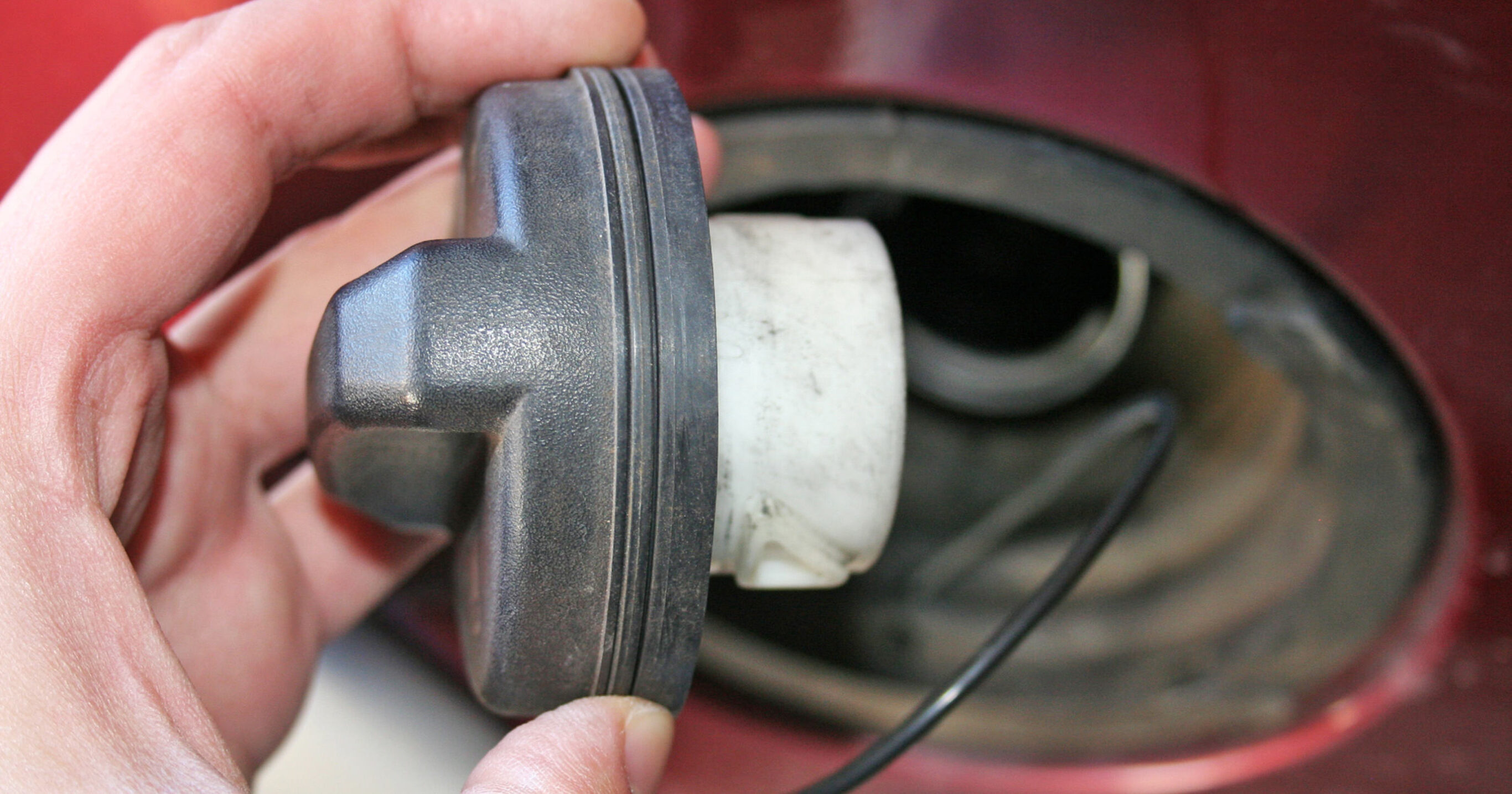
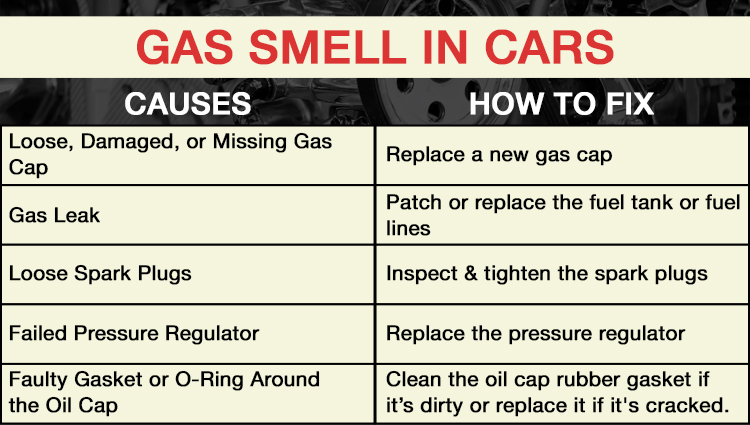
So, what are the common culprits behind this aromatic mystery? Often, it’s as simple as a loose gas cap. Seriously! It’s the easiest thing to check. A loose cap can allow fuel vapors to escape. Another common reason is a leak in the fuel system. This could be a cracked hose, a faulty fuel injector, or a problem with the fuel tank itself. These are usually more serious and require a mechanic’s attention. Sometimes, especially after a recent fill-up or in very hot weather, you might catch a faint whiff from the fuel tank venting, and that’s often normal. But if the smell is persistent or strong inside the car, it's definitely worth investigating.
How can you explore this yourself, without necessarily needing to be a grease monkey? Start with the simplest checks. When you get out of your car, take a sniff around the exterior, particularly near the gas tank and engine area. Is the smell strongest there, or inside the car? Check that gas cap – is it screwed on tight? If you can, observe when the smell is most prominent. Is it when the engine is hot? When you start it up? Or does it linger after you’ve parked? These observations are invaluable. If you’re unsure or the smell is significant, the best practical tip is to contact a trusted mechanic. They have the tools and expertise to pinpoint the issue safely and efficiently. Think of it as a little car check-up, ensuring your trusty steed is running as it should, and smelling… well, like a car should, without the extra gasoline aroma!