
Why Do I Need An Mrcp Scan

Alright, let's talk about something that might sound a tad medical, a bit like deciphering an ancient scroll: the MRCP scan. Now, before your eyes glaze over like a well-loved donut, stick with me. We're going to break this down, no fancy jargon, just good old-fashioned chat, the kind you'd have over a cuppa with a mate.
So, you've been feeling a bit… off. Maybe your tummy's been doing the cha-cha when it should be doing a waltz. Or perhaps there's a vague ache that’s more annoying than a fly in your soup. Your doctor, bless their insightful soul, might have suggested an MRCP. And you're thinking, "MRCP? Is that some new kind of artisanal cheese?"
Nope, not cheese. Though, oddly enough, it's got a lot to do with things that help you digest that delicious cheese. The MRCP stands for Magnetic Resonance Cholangiopancreatography. Go ahead, say it out loud. Sounds like a wizard's spell, right? Abracadabra, pancreas-ography! But at its heart, it's a super-duper scan, a bit like having a celebrity photographer take a sneak peek inside your body, focusing on some very specific, very important bits.
Must Read
Think of your insides as a bustling city. There are roads, highways, and smaller back alleys. In our body city, these are your bile ducts and pancreatic ducts. They're like the plumbing system for all sorts of important juices that help you break down food, especially those rich, creamy delights that make life worth living (hello, cheesecake!).
These ducts are tiny, like the intricate pipework in a dollhouse, and they carry things like bile from your liver and gallbladder, and digestive enzymes from your pancreas. All this is crucial for turning that Sunday roast into something your body can actually use. Without proper flow, things can get backed up, leading to all sorts of unpleasantness. Imagine trying to get your morning coffee through a straw that’s been squashed – not a pleasant experience.
So, Why the Grand Tour?
Your doctor might recommend an MRCP scan if they suspect something's a bit wonky with this intricate plumbing. It's not usually the first thing they pull out of their medical hat, mind you. It's more like a special investigation, a detective on the case when the usual clues aren't quite enough.
The most common reason you might be heading for an MRCP is if there's a suspicion of gallstones. Ah, gallstones. The notorious troublemakers. They're like tiny, unwelcome house guests who decide to have a party in your gallbladder and then, just to be extra spicy, decide to venture out and block those precious ducts. Ouch. That can feel like someone's playing a drum solo on your ribcage.
Gallstones can cause a lot of pain, especially after a fatty meal. You know, the kind of meal that makes you feel like you’ve won the lottery of deliciousness, only to be followed by the lottery of internal agony. If you've had that experience, or if your doctor thinks it's a possibility, an MRCP is a great way to get a clear picture.
But it's not just about gallstones. These ducts can get into trouble for other reasons too. Sometimes, they can get a bit inflamed – a condition called cholangitis or pancreatitis. Think of it like your plumbing getting a bit clogged and irritated, leading to swelling and pain. It’s like when your sink backs up, but instead of soggy cereal, it’s potentially serious digestive issues.
There are also other things that can go wrong. Cysts can pop up, or strictures – which are basically narrowings in the ducts, like a kink in a garden hose. And in rarer cases, doctors might be looking for signs of tumors in or around these areas. It’s all about making sure everything is working as it should be, or if not, figuring out exactly what the hiccup is.
What Actually Happens During the Scan? It's Not Scary, Promise!
Okay, let's demystify the MRCP itself. It's a type of MRI. You know, the big, donut-shaped machine that hums and clicks like a robot convention? Magnetic Resonance Imaging. It uses powerful magnets and radio waves to create detailed cross-sectional images of your body. It's like taking a stack of incredibly thin slices of you, without any of the messy cutting!
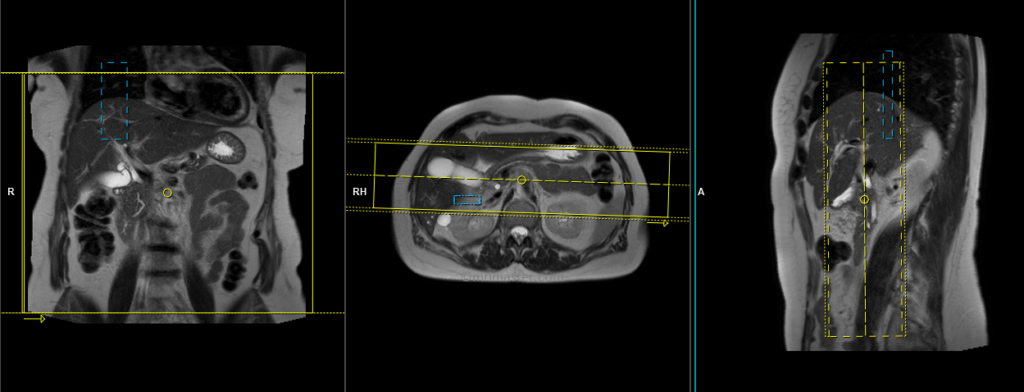
For an MRCP, they focus on those bile and pancreatic ducts. Sometimes, they might ask you to drink a special liquid beforehand. This isn't like that awful chalky stuff your aunt used to give you for a stomach upset (remember that?). This liquid helps to highlight the ducts on the scan, making them stand out more clearly. It’s like using a special marker pen to draw attention to the important parts of a diagram.
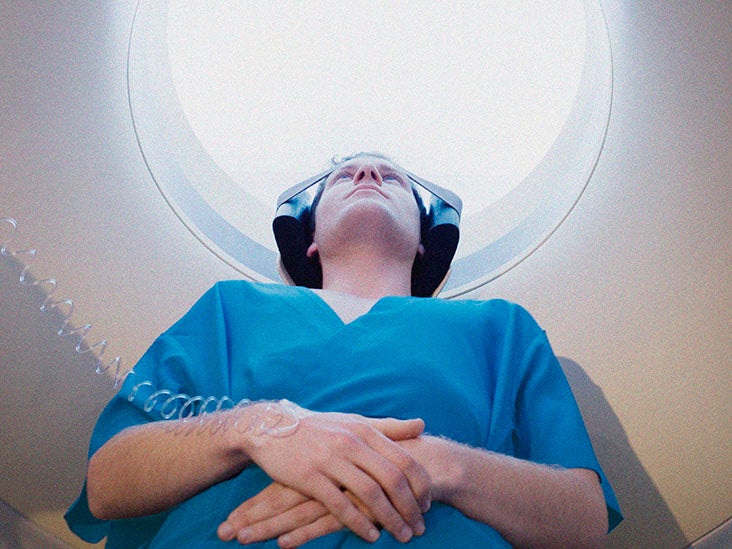
Then, you lie down on a comfortable bed, which then slides into that big MRI machine. And here’s the important part: it’s completely painless. Seriously. The hardest part might be lying still for a bit. It’s like trying to stay perfectly still for a really long selfie session, but with more humming.
You’ll hear noises. Lots of noises. Banging, whirring, clicking. It’s the machine doing its magic. Some people describe it as sounding like a techno rave for robots. You can usually wear headphones to listen to music, which is a lifesaver. So, pop on your favorite tunes, close your eyes, and let the machine do its thing. Think of it as a mandatory relaxation session, with a medical soundtrack.
The technologist will be watching you through a window and can talk to you. They're there to make sure you're comfortable. If you're feeling claustrophobic, which is totally understandable, let them know. They have ways to help, and sometimes even open MRI machines are available, though they might not be as detailed for all scans. But for a standard MRCP, the regular machine is usually the way to go.
So, What Does the Scan See?
The MRCP is brilliant at showing the shape and flow of your bile ducts and pancreatic ducts. It can spot blockages, narrowing, stones, cysts, and even some tumors. It gives your doctor a crystal-clear roadmap of your internal plumbing.
Imagine you're trying to figure out why your favorite fountain isn't working. You could poke around, guess, and hope for the best. Or, you could get a detailed diagram showing every pipe, every valve, and where the blockage is. That's what the MRCP does for your internal plumbing. It’s like a super-powered X-ray, but instead of bones, it’s showing your ductwork in exquisite detail.
It's also a fantastic way to check if any treatment you've had has been successful. If you had gallstones removed, for instance, the MRCP can show that the ducts are clear and flowing freely again.
Why Not Just a Regular Ultrasound or CT Scan?
This is a fair question. Why go for the extra special occasion scan? Well, ultrasounds are great for looking at the gallbladder itself and can often spot larger gallstones. CT scans are good for seeing lots of things in the abdomen. But when it comes to the tiny, delicate ducts that carry those digestive juices, the MRCP is often the gold standard.
/og.png)
Think of it this way: an ultrasound might show you a pebble in a stream. A CT scan might give you a decent overview of the stream's path. But an MRCP? That’s like having a drone that can fly down inside the stream, showing you every twist, turn, and any tiny twig that might be causing a jam. It’s particularly good at visualizing the fluid within the ducts, which is key for seeing how things are flowing.
Plus, and this is a biggie for some folks, an MRCP doesn't involve radiation. CT scans do. While radiation doses are generally safe, it’s always good to minimize exposure when possible, especially if you might need multiple scans over time. The MRI uses magnets and radio waves, which are much gentler in that regard.
When All is Said and Done…
So, if your doctor suggests an MRCP, try not to panic. It’s a safe, non-invasive way to get a really detailed look at a crucial part of your digestive system. It’s a diagnostic tool that helps doctors pinpoint problems and create the best plan for you. It’s not about scaring you; it’s about getting you feeling better. It’s about making sure that your body's internal delivery service is running smoothly, so you can enjoy all those delicious things life throws your way, from that celebratory slice of cake to a comforting bowl of pasta.
Think of it as a necessary tune-up for your body's sophisticated plumbing system. Sometimes, even the best plumbing needs a specialist to take a peek. And the MRCP is like the ultimate plumber's camera, showing exactly what's going on behind the walls, so you can get back to enjoying your life, and maybe that second helping of dessert, without a worry in the world. So, take a deep breath, pop in your earbuds, and let the magic of magnetic resonance do its thing. You've got this!
:max_bytes(150000):strip_icc()/GettyImages-548557055-c18df2b5b8c64952a67d713fb7e9787e.jpg)
