
Why Do Dogs Lick In The Air
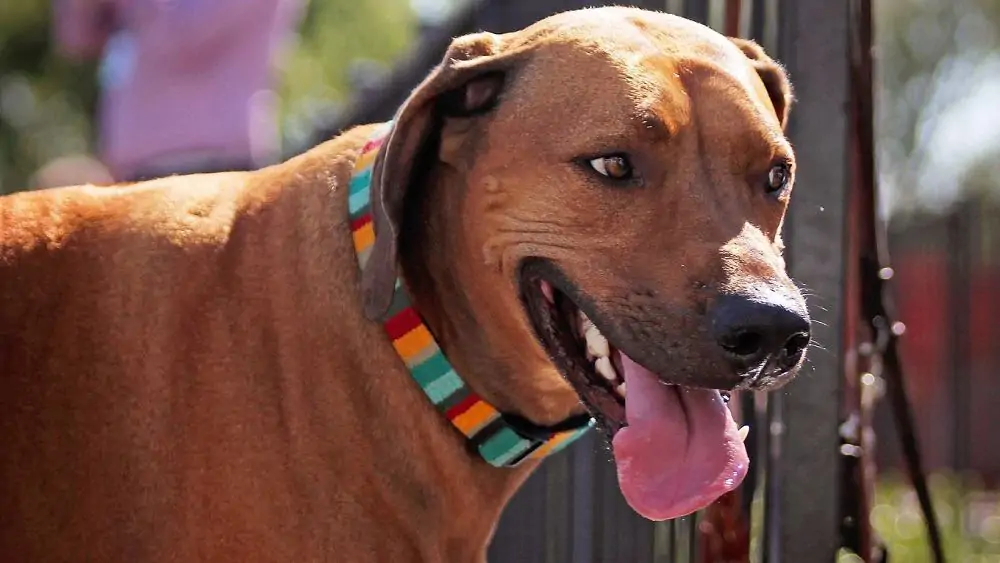
Ever found yourself staring at your furry best friend, who’s suddenly decided to engage in a vigorous session of air-licking? You know the scene: head tilted, tongue flicking out, a look of intense concentration on their face, as if they’re trying to catch an invisible butterfly or perhaps savor the phantom scent of a gourmet steak. It’s a sight that’s both endearing and utterly baffling. Are they hallucinating? Do they have a secret chewing habit involving thin air? Let’s dive into the hilarious, and sometimes surprisingly logical, world of why dogs lick the air.
First off, let's address the elephant in the room, or rather, the dog in the living room performing this peculiar ballet. It’s not usually a sign of them going bonkers. While our imaginations might run wild picturing them battling invisible gremlins, the reality is often far more mundane, and thankfully, less alarming.
The Sniff Test: It's All About the Nose!
Think of your dog's nose as their personal superpower. They experience the world through smells in a way we can only dream of. When your dog is doing the air-lick tango, they’re often intensifying their sense of smell. That little flick of the tongue is like hitting the ‘boost’ button on their olfactory receptors.
Must Read
Imagine you’re trying to hear a whisper in a noisy café. You might cup your hand to your ear, right? Dogs do something similar with their tongues. They're essentially capturing scent particles in the air and bringing them closer to their Jacobson’s organ (also known as the vomeronasal organ), a special scent-detecting organ located in the roof of their mouth. This organ is like a super-sniffer’s secret weapon, and licking the air helps them get those elusive scents right into it.
So, the next time you see them doing it, they might just be analyzing the day's olfactory news. It’s like they’re reading the “scent-mail” of the neighborhood. Did Mrs. Higgins next door get a new poodle? Was there a rogue squirrel that dared to cross their territory? The air holds all the answers, and their tongue is their decoder ring.
A Symphony of Scents
Dogs have somewhere between 100 million and 300 million olfactory receptors, depending on the breed. Humans? We’re lucky if we have around 5 million. That’s like comparing a high-definition IMAX screen to a tiny, pixelated flip phone. So, while you’re happily breathing in the aroma of your morning coffee, your dog is simultaneously processing the faint trace of that squirrel from three blocks away, the lingering scent of a dog that walked past an hour ago, and the subtle perfume of a blooming flower.
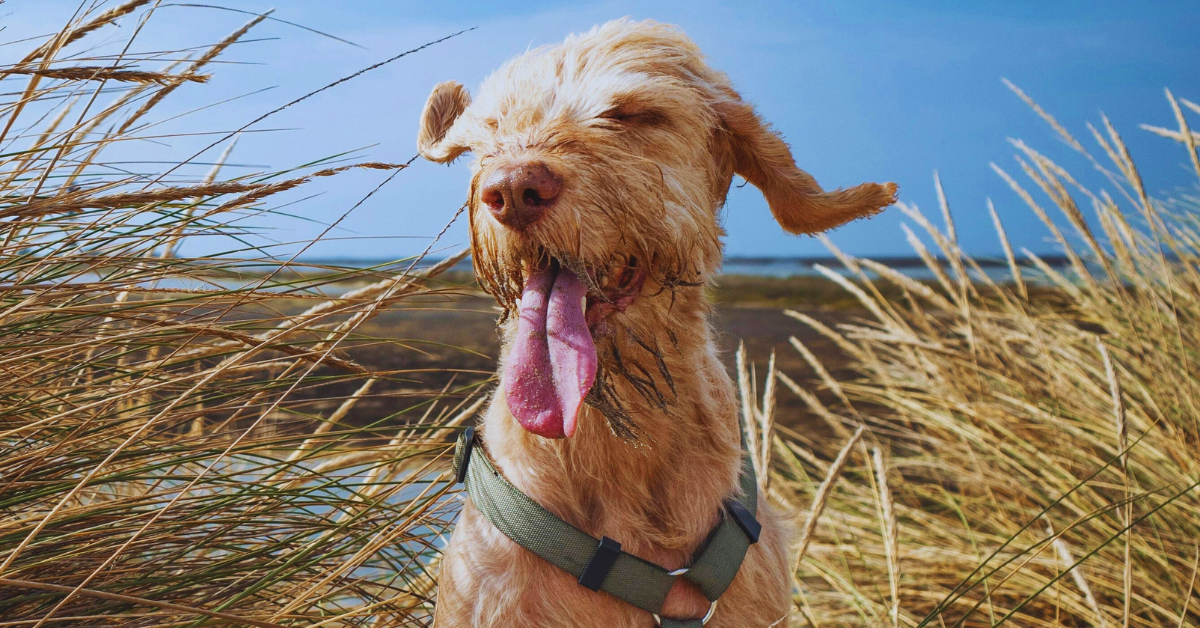
When they lick the air, they’re not just being silly; they're actively engaging with their environment on a level we can't comprehend. It's a sophisticated sensory investigation! They might be tasting the air to get a better handle on what they’re smelling. It’s a multi-sensory experience for them, like us enjoying a particularly delicious meal while listening to a great song.
When the Mouth Needs a Mop
Sometimes, air-licking isn't just about the nose; it's about a literal taste. If there’s something vaguely tasty lingering in the air, like the remnants of a dropped crumb, a bit of spilled juice, or even just the faint savory notes from a nearby restaurant, your dog might try to lick it up. It’s a sort of ‘hope and a prayer’ lick, a shot in the dark to see if they can snag a culinary surprise.
Think of it as their way of saying, "Is there a ghost of a biscuit floating around here? Because if there is, I'm going to find it!" They’re not being greedy; they’re just optimizing their opportunities for deliciousness. And honestly, who can blame them? If I could lick phantom snacks out of the air, I probably would.

This is especially common after they've been eating or drinking. They might be licking their lips and the air to get the last little bits of flavor. It's like those moments when you finish a really good meal and you can't help but lick your lips to savor the lingering taste. For dogs, it’s a more enthusiastic and prolonged version of that.
A Sign of Relaxation (Sometimes!)
Now, for a surprising twist! Sometimes, air-licking can actually be a sign of a relaxed and content dog. When dogs are feeling comfortable and at ease, they might engage in what are called "displacement behaviors." These are seemingly random actions that dogs do when they’re feeling a bit conflicted, a little overstimulated, or just plain mellow.
Imagine you’re watching a really intense movie, and you start fiddling with your keys or chewing on your pen. It’s not because you’re bored; it's because you’re trying to process all the information and feelings. Air-licking can be a similar outlet for dogs.
If your dog is licking the air while lying down, looking peaceful, and their tail is giving a gentle, slow wag, it’s likely a sign of them feeling good. They might be a little sleepy, a little dreamy, and the air-licking is just a gentle expression of their overall well-being. It's like a doggy sigh of contentment, but with more tongue action.
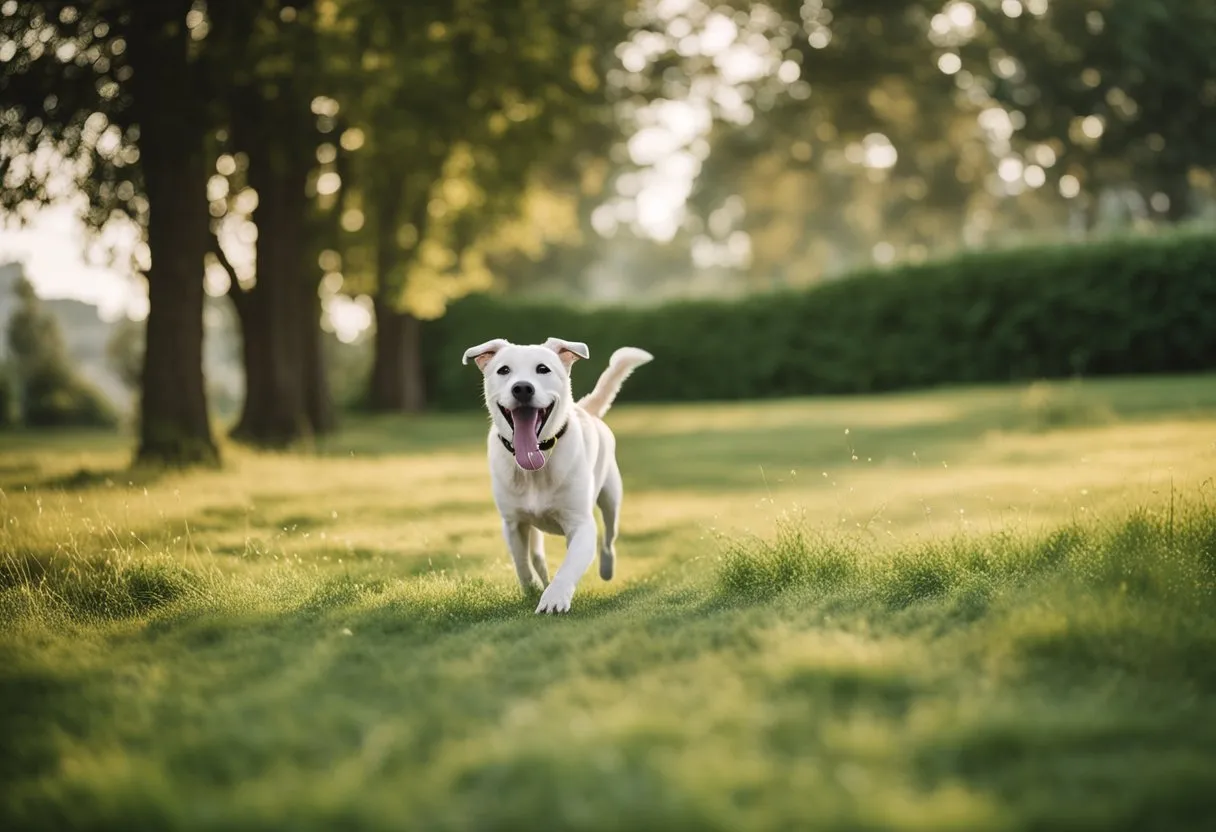
However, it’s important to remember that context is key! If the air-licking is accompanied by other signs of stress – like pacing, panting, yawning, or whale eye (where you see the whites of their eyes) – then it might be a sign that they’re feeling anxious or overwhelmed. In those cases, it’s more about trying to self-soothe than savoring phantom flavors.
The Puzzling Problem: When to Worry
While most air-licking is perfectly normal, there are a few instances where it might warrant a closer look. If your dog is air-licking obsessively, constantly, and without any clear trigger, it could be a sign of a medical issue. This is particularly true if it’s a sudden change in their behavior.
One of the most common medical reasons for excessive air-licking is nausea. If your dog feels sick to their stomach, they might lick the air as a way to try and clear their throat or as a reflex. It’s like that unpleasant metallic taste you get before you throw up, but for them, it’s a more prolonged sensation.

Other potential medical causes can include:
- Dental problems: A sore tooth or gum issue might cause them to lick the air.
- Digestive upset: Beyond nausea, other stomach issues can lead to this behavior.
- Neurological issues: Though rarer, certain neurological conditions can manifest in strange behaviors like excessive licking.
- Medication side effects: Some medications can cause increased salivation or odd oral behaviors.
So, if your dog’s air-licking is becoming a relentless tic, or if it’s accompanied by other worrying symptoms like vomiting, diarrhea, lethargy, or a change in appetite, it’s time to consult your veterinarian. They can help determine if there’s an underlying medical reason that needs to be addressed. It's always better to be safe than sorry, and a quick check-up can rule out any serious concerns.
In Conclusion: A Quirky, Canine Conundrum
Ultimately, for the most part, your dog’s air-licking is just one of their many adorable quirks. It’s a fascinating glimpse into their heightened senses, their quest for tasty morsels, and sometimes, even their state of relaxation. It’s a reminder that our canine companions experience the world in a much richer, scent-filled way than we ever could.
So, the next time you see your furry friend performing their impromptu air-licking routine, don't overthink it too much. Embrace the absurdity! It’s a testament to the wonderful, weird, and utterly lovable nature of dogs. They’re not just pets; they’re furry little detectives, scent connoisseurs, and masters of the mysterious air-lick. And that, my friends, is something to wag your tail about!

