Who Is The Payee On A Check
Hey there, friends! Ever find yourself staring at a check, maybe one you just received or one you’re about to write, and a little thought pops into your head: “Wait a minute, who exactly is this money going to?” It’s a totally valid question, and honestly, it’s one of those little things that can feel a bit mysterious if you haven't really thought about it before. But fear not, because today we’re going to demystify the role of the “payee” on a check. Think of me as your friendly guide through the sometimes-confusing world of financial paper, armed with a smile and maybe a few silly analogies!
So, let’s break it down. At its simplest, the payee on a check is the person or entity to whom the money is being paid. It’s the lucky duck, the fortunate soul, the one who gets to cash that piece of paper and enjoy the fruits of someone else’s generosity (or, you know, payment for goods and services!).
Imagine you’re at your favorite ice cream shop, and you’ve just ordered a ridiculously huge sundae. The cashier hands you the bill. You’re the one who has to pay, right? Well, in that scenario, the ice cream shop is the payee. The money from your wallet is designated to go specifically to them. It’s the same principle with a check, just a bit more formal.
Must Read
The Star of the Show: Identifying the Payee
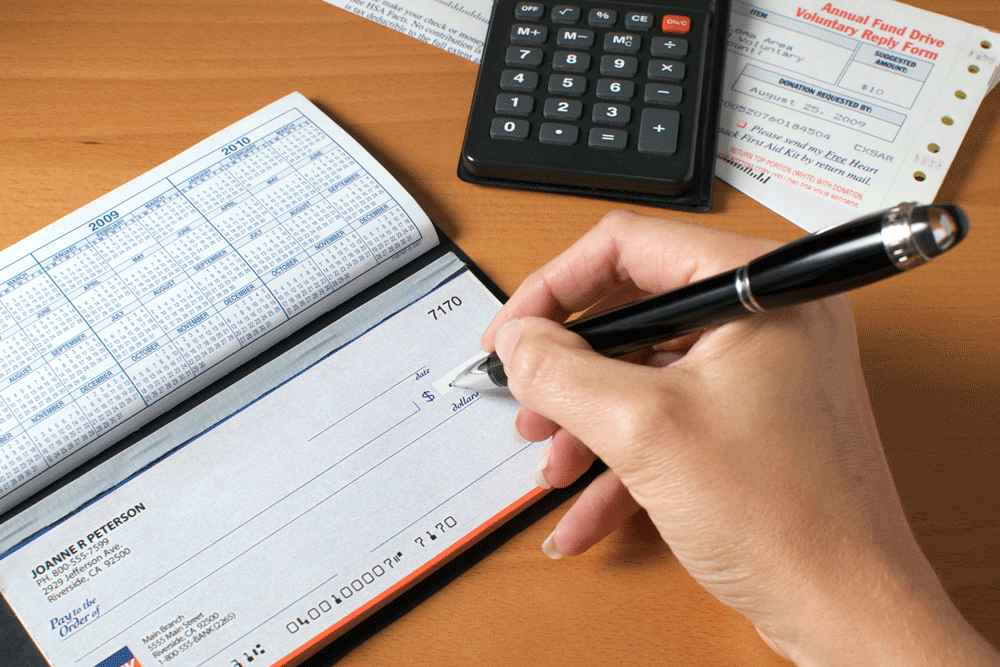
When you look at a check, you’ll usually see a line that says something like “Pay to the order of:” followed by a blank space. That blank space is where the magic happens. It’s where you write the name of the person or business that the check is intended for. This is the payee.
Let’s say your awesome neighbor, Mrs. Gable, mowed your lawn while you were on vacation. You want to pay her back, so you write a check. On that “Pay to the order of” line, you’ll write “Mrs. Gable” (or her full legal name, if you know it!). Mrs. Gable is now the payee. She’s the one who gets to take that check to the bank and get her hard-earned cash (or deposit it into her account). Easy peasy, right?

But what if you’re paying a company? It works the same way. If you’re writing a check to your electric company for your monthly bill, you’d write “XYZ Electric Company” on that line. They become the payee.
Why Does This Even Matter? A Little Story Time!
Okay, so you might be thinking, “Why should I care about this tiny detail? It’s just a name on a piece of paper.” Well, my friends, this is where things get a little more interesting, and understanding the payee can actually save you from some potential headaches. Think of it like this: if you’re sending a surprise gift to your cousin, you wouldn’t just write “To Whoever Finds This” on the gift tag, would you? You’d write your cousin’s name so they’re the only one who can claim their awesome present!
Here’s a fun, albeit slightly exaggerated, example. Imagine you’re writing a check to your friend, Bob, for helping you move. You excitedly write “Bob” on the line. But then, you get a little flustered and accidentally write “Rob” instead. Now, Bob might be a great guy, but if the bank teller is strict, they might say, “Uh, sorry, this check is made out to ‘Bob,’ not ‘Rob.’ We can’t cash this.” Bob would then have to come back to you, and you’d have to void the old check and write a new one. Cue the dramatic music and the ruffled feathers!

Or, consider if you’re paying a business. If you’re supposed to pay “The Corner Bookstore,” but you absentmindedly write “The Book Store” or “Corner Books,” the bank might flag it. While some tellers are super chill and might let it slide, others are trained to be meticulous. The key is that the name on the check should accurately reflect the entity receiving the funds.
The Power of Specificity: Being a Good Payee-Identifier
This is why, when you’re writing a check, taking that extra second to get the name right is super important. If you’re paying an individual, use their full legal name if possible. If you’re paying a business, use their exact legal business name. It’s like double-checking the address before you mail a birthday card – you want to make sure it gets to the right person!

Think about it from the bank’s perspective. They’re holding onto your money, and they need to make sure it’s going to the correct person or entity. They have policies and procedures to follow to protect both you and the financial institution. So, by being precise with the payee’s name, you’re actually making their job easier and ensuring a smoother transaction for everyone involved.
What About “Cash”? A Special Kind of Payee
Now, you might have seen checks where the payee line says “Cash.” This is a special case! When you write “Cash” as the payee, it means whoever physically possesses the check can cash it. It’s like leaving your front door unlocked and saying, “Anyone who walks in can have whatever they want!” While it can be convenient in some situations, it’s also a lot riskier.
If you write a check to “Cash” and then lose it, anyone who finds it can go to the bank and cash it. Poof! Your money is gone. It’s generally not recommended to write checks to “Cash” unless you’re absolutely sure you can keep it safe and you intend for it to be cashed by the person holding it (like if you’re handing it directly to them). It’s like giving someone the keys to your kingdom – you need to trust them implicitly!
Endorsing the Payee: The Other Side of the Coin
Understanding the payee also ties into something called “endorsing” a check. When the payee receives a check, they’ll often sign the back of it. This signature is their way of saying, “Yep, I received this, and I’m either going to cash it or deposit it.” It’s basically their stamp of approval, proving they are indeed the intended recipient.
If you’re the payee, you’ll be signing the back. If you’re writing the check, you’re the one ensuring the correct payee’s name is on the front. It’s a team effort, really!
In a Nutshell: The Payee is the Chosen One!
So, there you have it! The payee on a check is simply the person or entity designated to receive the funds. They are the intended recipient, the lucky winner, the one who gets to benefit from that financial transaction. By taking a moment to correctly identify and name the payee, you’re contributing to a clear, secure, and smooth financial exchange. It’s a small detail that makes a big difference in the grand scheme of things. So next time you’re dealing with a check, remember the payee – they’re the star of that particular financial show!