Where To Buy Bees
So, you're thinking about getting bees? Awesome! It’s a buzzing idea, literally. And let’s be honest, where do you even start with acquiring these tiny, winged wonders? It’s not like you can pop into the local supermarket and pick up a six-pack of the honey-makers.
This whole bee-buying thing is surprisingly cool. Think of it as adopting a tiny, super-productive, fuzzy roommate. Except this roommate makes honey and pollinates your garden. Pretty sweet deal, right?
Finding Your Buzz: The Bee Buying Journey
Alright, so you've decided. You want bees. Now what? The first stop for most new beekeepers is a local beekeeping association. These guys are like the seasoned pros, the Obi-Wan Kenobis of the bee world. They know everyone. They know where the best bees are. And they probably have the best stories about rogue hives and accidental honey spills. Seriously, find your local club. It’s gold.
Must Read
They can point you towards reputable beekeepers in your area. These aren't big corporations. These are usually passionate individuals who love their bees and want to share the joy. Think of them as artisanal bee vendors. Very niche. Very cool.
Why local? Because bees are like tiny ambassadors from your own backyard. You want bees that are already accustomed to your climate. Bees that have been munching on your neighborhood flowers. It’s a bit like ordering from a local farmer’s market. Fresher. Better. And you’re supporting your community. Plus, the drive back with your new buzzy friends is way shorter.
The Bee Packages: A Royal Arrival
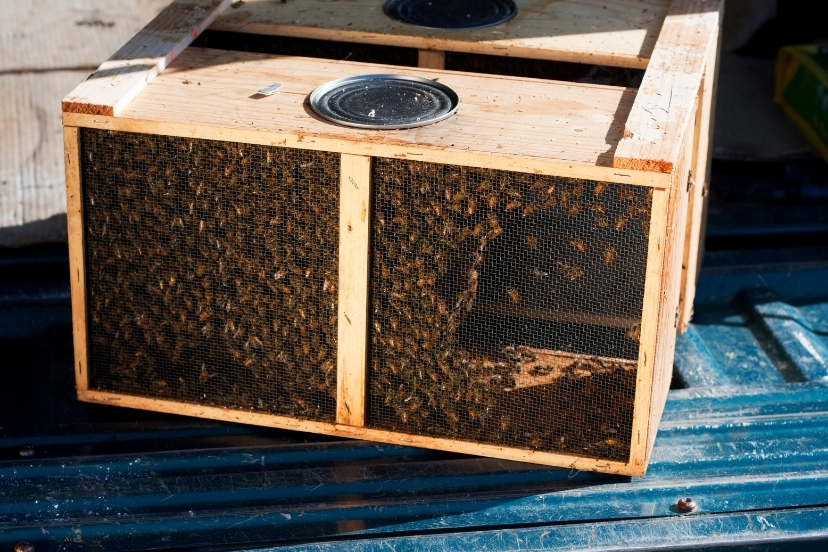
The most common way to start is with a package of bees. Imagine a small cardboard box, about the size of a shoebox. Inside? Thousands of bees. And a queen bee, who is basically the rockstar of the operation. She's the one laying all the eggs, keeping the colony going. Pretty important job.
These packages usually come with about three pounds of bees. That's a lot of tiny workers! You'll also get a queen bee in a little cage, safely tucked away. It’s like a celebrity arriving at a concert, but instead of flashing lights, it’s… well, buzzing.
You order these packages in advance, usually in late winter or early spring. Then, you pick them up. This is where the fun really starts. Imagine going to collect your new pets, and they're literally buzzing inside a box. It’s a thrill. A slight tremor of excitement and maybe a tiny bit of nerves. Totally normal!
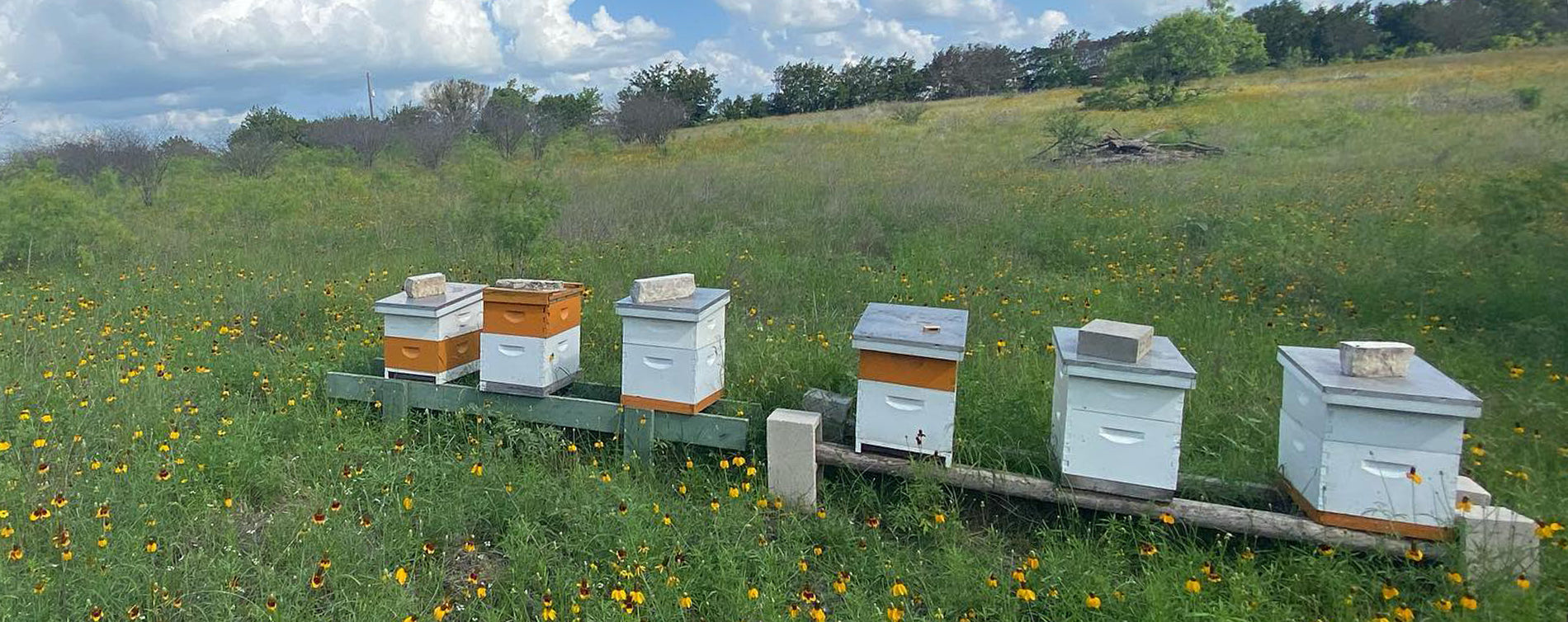
The beekeeper will usually give you instructions on how to install them into your hive. It's a gentle process, mostly involving shaking the bees into their new home. Think of it as moving day for your insect overlords. They'll quickly realize, “Hey, this is pretty sweet!” and start building their honeycomb palace.
Nucleus Colonies: A Head Start for Your Hive
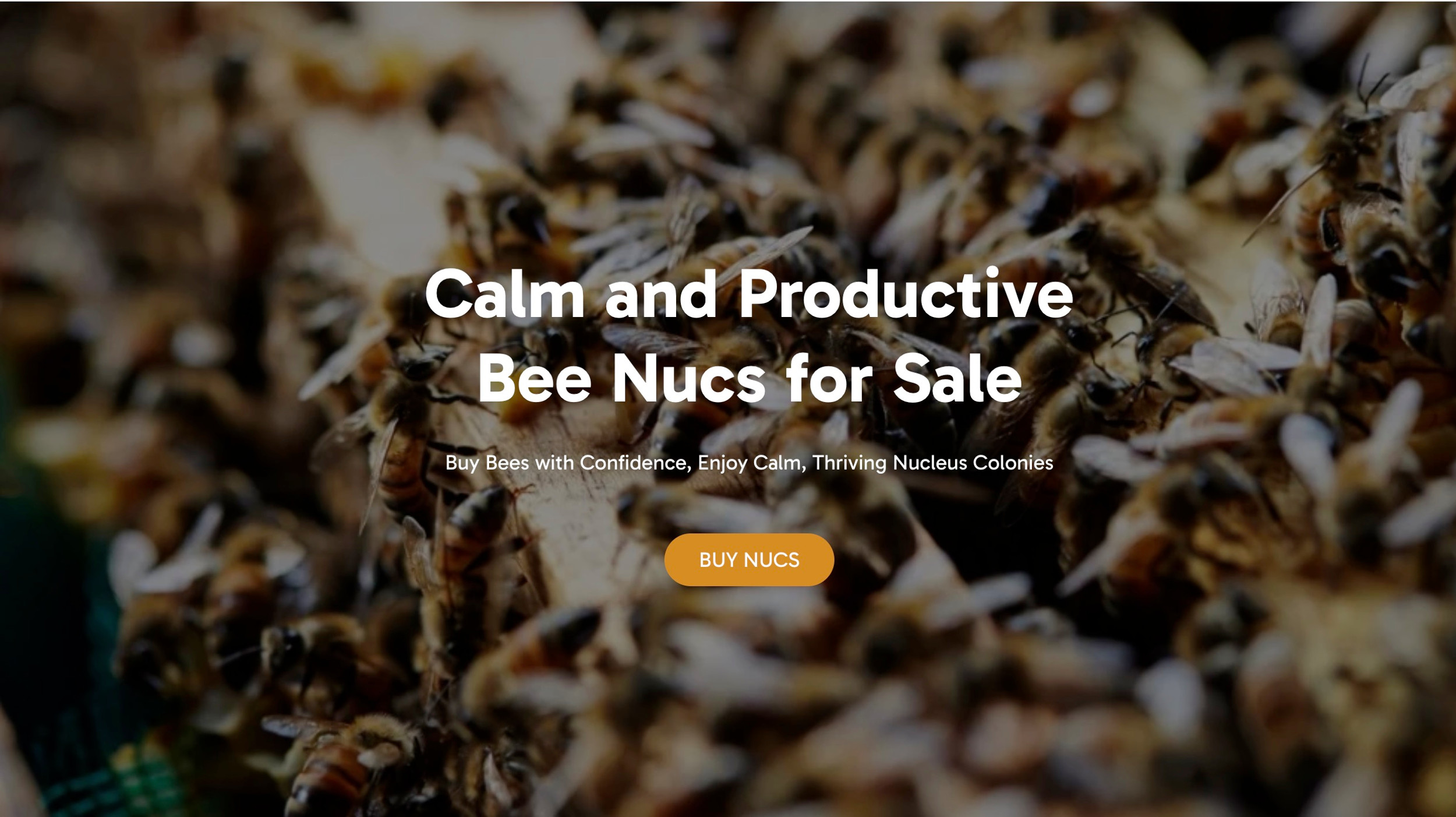
Another popular option is a nucleus colony, or "nuc." This is like a mini-hive. Instead of just a bunch of bees in a box, a nuc is a small, self-contained colony. It typically consists of a queen, some brood (baby bees!), honey, pollen, and about 5,000 worker bees.
It comes in a special, small box. Think of it as a starter kit for beekeeping. It's already got the foundation laid. The bees are already working together. They already have a queen who knows her job. It’s like getting a head start on your new business venture.
Nucs are great because they give your new colony a bit of momentum. They’re already established. They’re already producing. It’s often a bit easier for new beekeepers to get going with a nuc. Less risk of the bees getting overwhelmed or not adapting well.
So, where do you get these magical nucs? Again, local beekeepers are your best bet. You'll want to reserve these early too. They are a hot commodity. Imagine a tiny, buzzing apartment building, ready for residents. Everyone wants one.

Online Bee Sellers: The Digital Apiary
Now, what if you don't have a local beekeeper nearby, or you're an adventurous soul? You can also buy bees online. Yes, you can order bees to be shipped to your door. It sounds wild, right? Like a mail-order bride, but for bees. (Please don't think of it like that. Bees are not for marriage.)
There are several reputable online suppliers. They specialize in shipping bee packages and nucs. They have systems in place to ensure the bees arrive healthy and alive. It’s quite an operation, really. Imagine them packing up thousands of bees, ensuring they have food and water for the journey, and sending them off into the postal system.
When you order online, you'll usually have a designated pickup location or a delivery date. It's a bit more of a gamble than buying locally, as the bees have traveled further. But for many people, it’s the only option. And it works! People get their bees and start their apiaries.
Important note: When buying online, do your research. Read reviews. Make sure they have good shipping practices. You want your bees to arrive happy and ready to work, not grumpy and tired from a cross-country trip.
Breed Matters: What Kind of Bees Are You Getting?
You might be wondering, "Are all bees the same?" Well, not exactly! There are different breeds of bees. The most common in North America is the Italian honey bee. They are known for being docile, good honey producers, and less prone to swarming. Basically, they’re the friendly, hardworking folks of the bee world.
Then there are Carniolan bees. They are also pretty gentle and are great at wintering. They tend to be very active in the spring. Think of them as early birds of the bee community.
And for the more adventurous beekeeper, there are Russian bees. They are known for their resistance to certain bee diseases and mites. They can be a bit more defensive, though. So, maybe not for the absolute beginner who startles easily at loud noises.
Your local beekeeping association or reputable breeder will usually recommend the best breed for your area. They know what works. They know what thrives. Trust their advice. They’ve been there, done that, and probably got stung a few times for good measure.
The Price of a Buzz: What to Expect to Pay
So, how much does it cost to get started with bees? A package of bees typically ranges from $120 to $200. A nucleus colony will usually cost a bit more, say $150 to $250. This can vary depending on the source, the breed, and the time of year.
Remember, this is just for the bees themselves. You'll also need to invest in a hive body (the box your bees will live in), a bottom board, frames, and a top cover. Plus, some basic beekeeping gear like a veil and gloves. You don't want to be a bee's personal buffet, do you?
The initial investment can seem a bit steep, but think of the long-term rewards. Free honey! A beautifully pollinated garden! The satisfaction of contributing to the environment!
The Quirky Side of Bee Buying
Here’s a fun fact: When you buy a package of bees, the queen bee is often kept in a little cage with some "attendant bees." They’re her entourage. Her personal security detail. It’s adorable, in a very insect-y way.
Another thing: the first few days after you install your bees are crucial. They need to get settled. They need to bond with their new home. You might see them flying around a bit, orienting themselves. It’s like they’re exploring their new neighborhood. A very, very important neighborhood.
And then there’s the anticipation. Waiting for your bees to arrive. Checking your email. Staring out the window. It’s like waiting for a package from your favorite online store, but instead of socks, it’s thousands of tiny, honey-making machines.
The whole process of acquiring bees is an adventure. It's a step into a fascinating world. A world of nature, of hard work, of sweet rewards. So, if you’re even a little bit curious, take the leap. Find a local beekeeper. Go to a meeting. Ask questions. You might just find yourself falling in love with these amazing, buzzing creatures.
It's more than just buying bees. It's joining a community. It's learning a new skill. It's connecting with nature in a really profound way. And who knows, you might even end up with a lifetime supply of honey. Now that's a sweet deal.