When Can You Get A Gender Scan
Hey there, future parents and curious minds! So, you're expecting, and the whispers of a tiny human growing inside are getting louder. It's such an exciting time, right? Full of anticipation, and let's be honest, a whole lot of questions. One of the big ones that pops up pretty early on is: when can we actually find out if we're having a little dude or a little dudette? Yep, we're talking about the gender scan, that magical moment when the mystery starts to unravel.
It's totally understandable why this is such a hot topic. For some, it’s about preparing the nursery with the right colors (though, let's be real, we all know pink and blue aren't the only options, and that’s totally cool too!). For others, it’s just about that sheer, unadulterated curiosity. Like, who isn't a little bit intrigued to know what their little bundle of joy will look like, and what adventures they might embark on?
So, When's the Big Reveal?
The short and sweet answer is: it depends! It's not a hard and fast rule that applies to every single pregnancy. But generally speaking, the earliest you can reliably get a pretty good idea of your baby's sex is through an ultrasound, and we're usually looking at the second trimester for that.
Must Read
Think of it like this: when your baby is super tiny, still developing all their amazing bits and bobs, it’s a bit like trying to identify a specific car model when it’s still just a collection of parts. Things are still forming, and it’s hard to tell what’s what. But as they grow, their little features start to become more defined.
The Magic of the Ultrasound
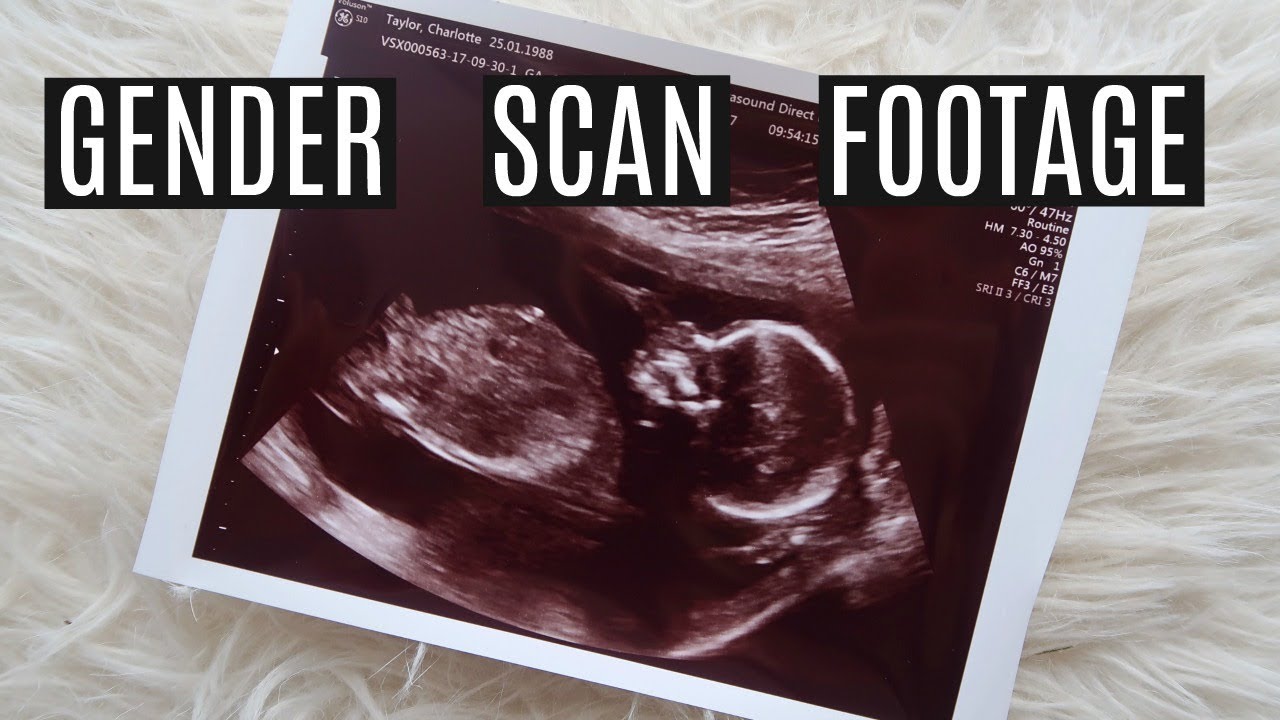
Most commonly, people get their gender scan during a standard anatomy ultrasound. This is a really important scan anyway, usually done between 18 and 22 weeks of pregnancy. The main goal of this scan is to check on your baby's development – making sure all their organs are forming properly, measuring their growth, and checking for any potential issues.
But, as a super cool bonus, if your baby is in a good position and cooperating (babies can be so cheeky sometimes, can’t they?), the sonographer might be able to see the tell-tale signs. It’s like getting a sneak peek at the most precious preview screening of your life!

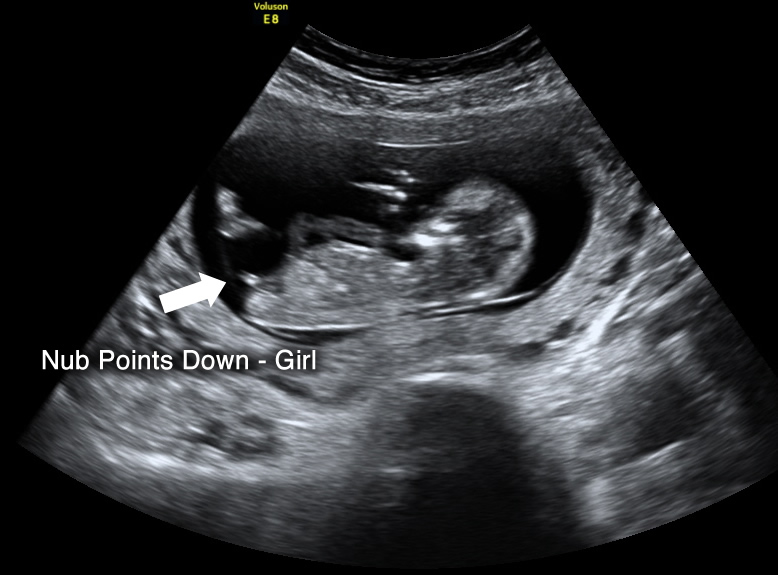
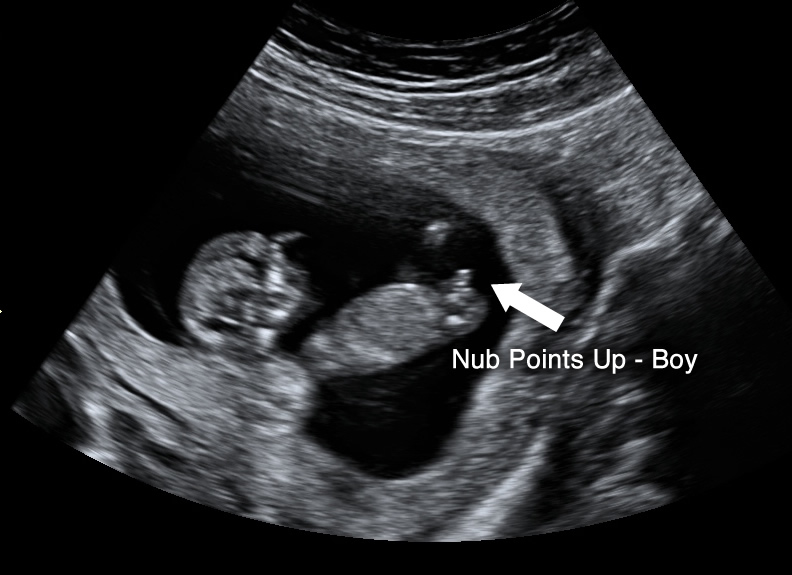
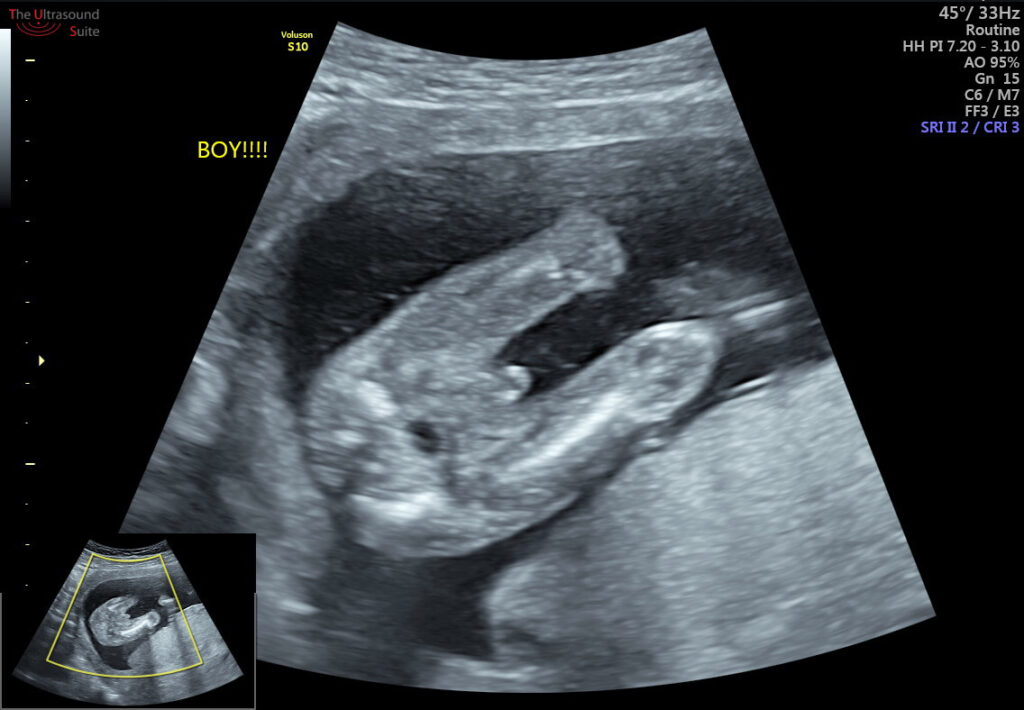
How do they do it, you ask? Well, during the ultrasound, the sonographer looks for the presence or absence of external genitalia. For a boy, they're usually looking for the penis and scrotum. For a girl, they're looking for the labia. It’s all about those little anatomical differences that emerge as the pregnancy progresses.
What About Earlier? Can We Peek Sooner?
This is where things get a little more… speculative. While the anatomy scan is the most common time, some people might be wondering if there are ways to find out even earlier. And the answer is, well, yes, but with some important caveats.
There are medical tests that can determine the sex of your baby much earlier, but these are usually reserved for specific medical reasons. For instance, if there's a concern about a genetic condition that is more common in one sex than the other. These tests often involve analyzing DNA from the mother’s blood or from the amniotic fluid.
One such test is called Non-Invasive Prenatal Testing (NIPT). This blood test is typically done around 10 weeks of pregnancy. While its primary purpose is to screen for chromosomal abnormalities like Down syndrome, it can also accurately determine the baby's sex. So, if you’re doing NIPT for medical screening, you might get your gender answer sooner than you think!
However, it’s important to remember that NIPT is a medical test. If you’re purely interested in finding out the gender and don't have any medical concerns, you might have to wait for the anatomy scan, or discuss with your healthcare provider if NIPT is suitable for you.
The Mystery of the "Sneak Peek"
You might have heard about something called a "sneak peek" or early gender blood test. These are essentially the same as the NIPT, but offered by private clinics purely for the purpose of gender determination. Again, these can be done as early as 7-10 weeks, depending on the clinic and the specific test.
These tests analyze cell-free fetal DNA in the mother's bloodstream. If they detect Y chromosomes, it's a boy! If only X chromosomes are found, it's a girl! It’s pretty mind-blowing science, really, all happening in the background while you’re just trying to get through your day and maybe crave some pickles.
But, as with all early tests, there are things to consider. The accuracy can be affected by various factors, and it's always a good idea to confirm the results with a later ultrasound. Plus, the cost can be a factor, so it’s something to weigh up for yourself.
Factors That Can Affect the Scan
So, even when you reach that magic 18-22 week window, it's not guaranteed that you'll get your answer. Babies are little artists, and sometimes they just don't want to show off their goods. Here are a few things that might make it tricky:
- Baby's Position: If your little one decides to do a somersault or tuck their legs in just the right way, the sonographer might not be able to get a clear view. It's like trying to see over a fence when the neighbor's cat is sitting perfectly in the way!
- Placenta Position: Sometimes, the placenta can be positioned in a way that obstructs the view of the baby's private parts.
- Body Mass Index (BMI): In some cases, a higher BMI of the mother can make it a bit harder to get a crystal-clear image.
- Ultrasound Equipment: While most modern equipment is fantastic, the quality of the imaging can sometimes play a role.
Don't get disheartened if you don't get the news on your first anatomy scan. It's pretty common! Your healthcare provider might offer to schedule another quick scan, or you might just have to wait a little longer. Patience, as they say, is a virtue, especially when you're waiting for a tiny human!

The "What Ifs" and What Else to Know
It's also worth mentioning that sometimes, even with the best technology, there can be a small margin of error. While rare, it's not impossible. This is another reason why some people prefer to wait until the baby is born to have the absolute confirmation. But for most parents, an ultrasound finding is generally considered very reliable.
What's really cool is how far we've come with prenatal technology. Not that long ago, finding out your baby's sex before birth was practically impossible. Now, we have these amazing windows into the womb, allowing us to bond with our babies even before they arrive.
Ultimately, the decision of when and if you want to find out your baby's gender is entirely yours. Some parents love the surprise, others can't wait to know. There's no right or wrong way to do it. What’s important is that you’re celebrating this incredible journey of creating a new life!
So, whether you’re counting down the weeks until your anatomy scan, considering an early blood test, or opting for the ultimate surprise, know that the anticipation is part of the magic. Enjoy the journey, and get ready for the most amazing adventure of your life!