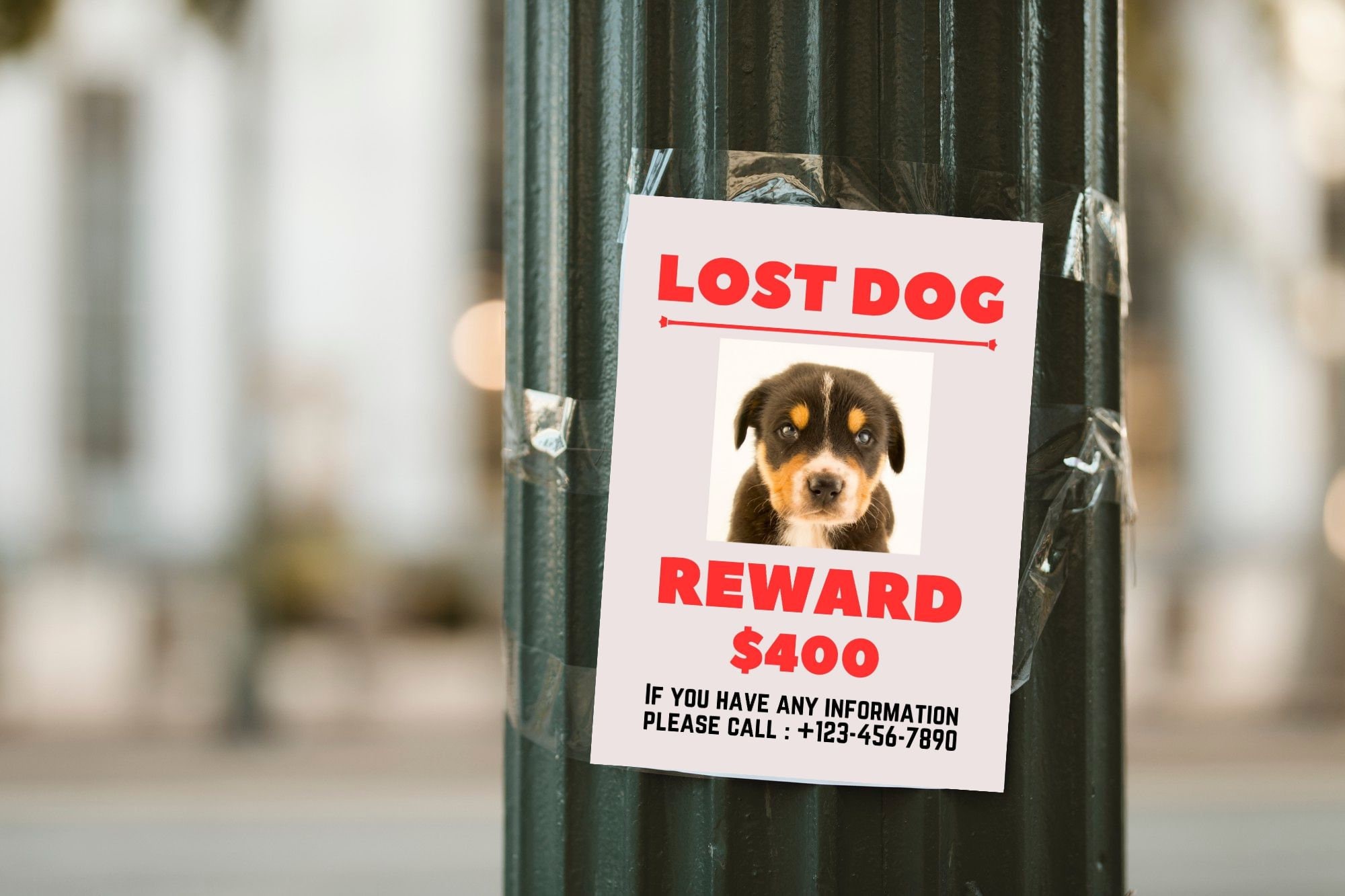
What To Do With A Lost Dog
It's a scenario we all secretly dread, isn't it? That moment of panic when you realize your furry best friend isn't by your side. A lost dog. It's a situation that can tug at anyone's heartstrings, and knowing what to do can make a world of difference, not just for the dog, but for the worried owner too. Learning about this isn't exactly a thrilling adventure, but it's a deeply practical and compassionate skill to have in your back pocket. Think of it as becoming a neighborhood hero, ready to lend a hand (or a leash!) when it's needed most.
The purpose of understanding how to help a lost dog is beautifully simple: to reunite them with their loving family and ensure their safety. The benefits are immense. For the dog, it means a quicker return to comfort and familiarity, avoiding potential dangers like traffic or getting lost further afield. For the owner, it alleviates immense stress and provides hope. And for you, the person who finds or encounters the lost dog, it's a chance to do a genuinely good deed, fostering a sense of community and empathy. It's a small act that can have a profound positive impact.
While we might not have a formal "lost dog curriculum" in schools, the principles are woven into our daily lives and can be a valuable learning experience, especially for children. Imagine a scenario where a child spots a lost dog in the park. Knowing to approach calmly, not to chase, and to look for a collar or tag are all lessons in responsible pet ownership and community awareness. In daily life, this knowledge equips us to be better neighbors and more helpful citizens. It's about being observant and proactive. For instance, if you often see a particular dog on your street and suddenly it's alone and looking confused, your awareness is the first step in potentially helping it get home.
Must Read
So, how can you practically explore this topic? It's easier than you think! Firstly, familiarize yourself with local animal shelters and rescue organizations. Knowing their contact information and how they operate is crucial. You can often find this information with a quick online search for "[your city/town] animal shelter." Secondly, pay attention to your surroundings. If you see a dog that seems lost – wandering aimlessly, looking distressed, or without an owner nearby – take a moment to observe. Is it wearing a collar? Does it have tags? These are immediate clues.
If you find a lost dog, here are some simple ways to help: Approach calmly and speak gently. Don't make sudden movements. If the dog seems approachable, try to check for identification. If there's a tag, you might be able to call the owner directly. If there's no immediate identification, or the dog is too scared to approach, the next best step is to contact your local animal control or shelter. They have the resources and experience to help. You can also post on local social media groups, such as community Facebook pages or lost and found pet groups, providing a clear photo and description of the dog, along with the location where it was found. Remember, even just being aware and knowing who to call is a significant contribution. It’s about being a good human, and sometimes, that means helping a furry friend find their way back home.