What To Do On Day Of Arafah
The Day of Arafah is more than just a day; it's a golden opportunity, a spiritual crescendo before the joyful celebrations of Eid al-Adha. It's a day packed with immense blessings and a chance to connect with the Divine on a deeper level. Think of it as the ultimate spiritual reset button, a moment to pause, reflect, and recharge your faith. It’s popular because of its profound significance, a day when duas are said to be readily accepted, making it a cornerstone of the Hajj pilgrimage and a cherished day for Muslims worldwide.
The Significance of the Day
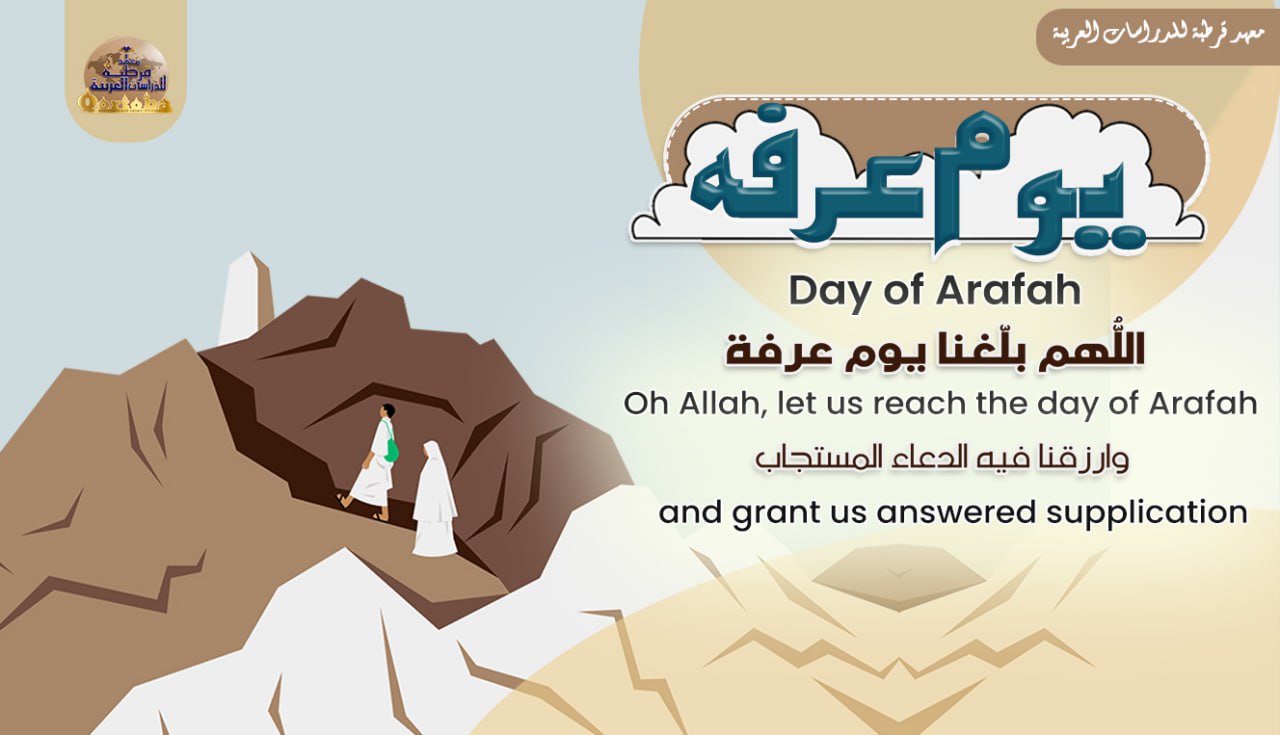
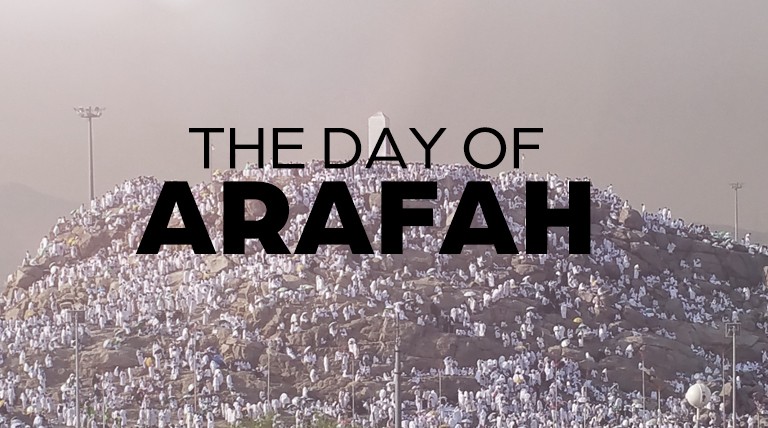
So, what makes this day so special? The Day of Arafah, which falls on the 9th day of Dhu al-Hijjah, is significant for several key reasons. Firstly, it's the day when pilgrims performing Hajj gather on the plains of Mount Arafat, engaged in fervent prayer and supplication. This gathering is the pinnacle of the Hajj, a powerful demonstration of unity and devotion. Prophet Muhammad (peace be upon him) said, "Hajj is Arafah." This profound statement highlights the centrality of this day. Imagine thousands upon thousands of people, united in their plea to Allah, their voices rising as one in the vast expanse. It's a truly awe-inspiring spectacle.
Secondly, it's believed to be the day when Allah perfected His religion and completed His favor upon the believers. A verse in the Quran is revealed on this day: "This day I have perfected for you your religion and completed My favor upon you and have approved for you Islam as [your] religion." (Quran 5:3). This completion signifies the fullness and perfection of Islam as a way of life, a divinely guided path. This realization alone is a source of immense gratitude and a reminder of the precious gift of faith we have been bestowed.
Must Read
The benefits of observing the Day of Arafah are manifold and deeply spiritual. The most celebrated benefit is the immense reward promised for fasting on this day. The Prophet Muhammad (peace be upon him) said, "Fasting on the Day of Arafah, I seek from Allah that He may forgive the sins of the year that preceded it and the year that comes after it." (Muslim). This is an incredible offer of divine mercy and forgiveness, a chance to have two years of sins wiped clean! It’s a powerful incentive to dedicate this day to spiritual cleansing and seeking Allah's pardon. Think of it as a spiritual spring cleaning for your soul!

Making the Most of Your Day
Now that we understand its importance, how can we make the most of this blessed day, whether we are pilgrims or observing it from afar? The core of the day lies in dua (supplication) and remembrance of Allah (dhikr). The most recommended dua for the Day of Arafah is the one taught by the Prophet himself: "La ilaha illallah wahdahu la shareeka lah, lahul-mulku wa lahul-hamdu wa huwa 'ala kulli shay'in qadeer." (There is no god but Allah, alone, without partner. To Him belongs sovereignty and praise, and He is over all things competent.) Reciting this repeatedly is a beautiful way to engage with the essence of the day.
The Day of Arafah is a unique opportunity for spiritual renewal. It’s a time to turn our hearts and minds fully towards Allah, seeking His forgiveness, mercy, and guidance.
Beyond the specific duas, the entire day is an invitation to immerse yourself in worship. This can include:
- Fasting: As mentioned, the fast is highly recommended. It’s a physical act of discipline that helps purify the body and mind, making you more receptive to spiritual reflection.
- Reading the Quran: Delve into the Divine words, reflecting on its meanings and seeking solace and guidance. The Quran is a constant source of wisdom and a companion in our spiritual journey.
- Supplication (Dua): Make heartfelt prayers for yourself, your loved ones, and the entire Ummah. Pour your heart out to Allah; He is the All-Hearing and the All-Knowing. This is your prime time to ask for anything your heart desires, from forgiveness to success in this life and the hereafter.
- Remembrance of Allah (Dhikr): Engage in glorifying Allah through phrases like Subhanallah (Glory be to Allah), Alhamdulillah (Praise be to Allah), and Allahu Akbar (Allah is the Greatest). Consistent remembrance keeps your heart connected to your Creator.
- Seeking Forgiveness (Istighfar): This is a crucial aspect. Ask for sincere forgiveness for your shortcomings and mistakes. The Day of Arafah is a prime time for this spiritual cleansing.
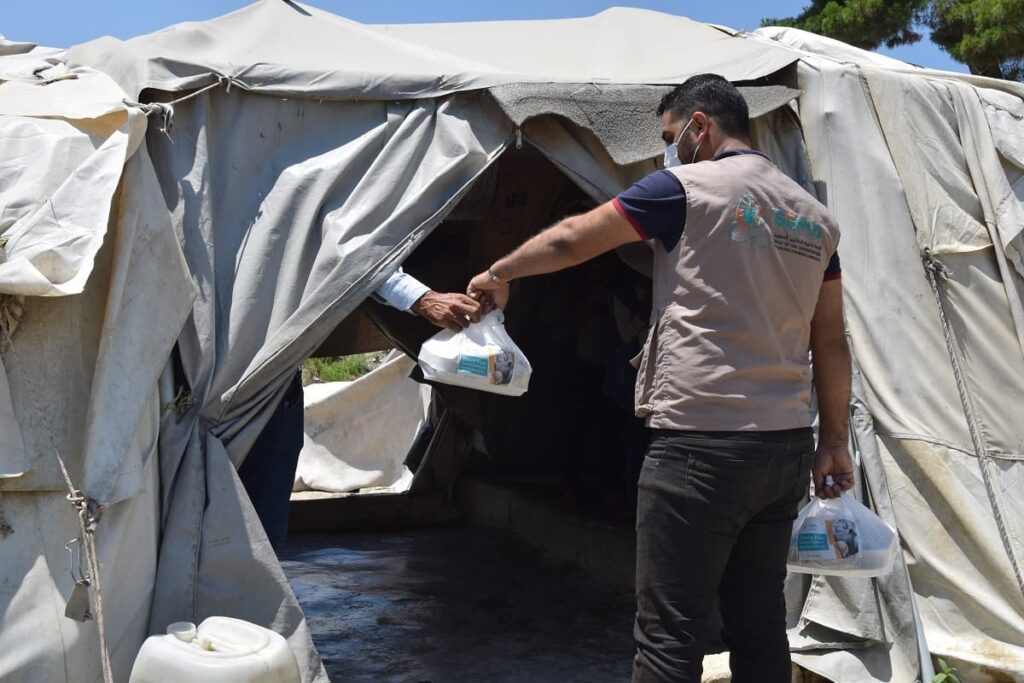
- Acts of Charity: While not specific to Arafah, general acts of kindness and charity are always rewarded and can amplify the blessings of any day. Helping others is a reflection of the compassion Allah Himself shows us.
- Reflection and Introspection: Take time to reflect on your life, your relationship with Allah, and your goals. Use this day to set intentions for the future and to identify areas for personal growth. What aspects of your faith do you want to strengthen? What habits do you want to cultivate?
- Avoiding Għibah (Backbiting) and Gossip: Just as important as what you do is what you avoid. Ensure your tongue is guarded from backbiting and idle talk, as these actions can negate the spiritual benefits of your worship.
For those on the pilgrimage, the experience is heightened by the physical presence on the plains of Arafat, surrounded by millions of fellow Muslims in a state of deep devotion. The atmosphere is charged with spirituality, a palpable sense of connection to Allah and to each other. If you are not performing Hajj, you can still connect with this spirit by dedicating your day to intense worship and supplication, creating your own personal Mount Arafat in your heart.
In essence, the Day of Arafah is a gift. It's an opportunity for immense spiritual gain, a chance to draw closer to Allah than perhaps any other day of the year. So, embrace it, cherish it, and make every moment count. The rewards are immeasurable, and the peace it brings to the heart is unparalleled. Let this day be a turning point, a renewed commitment to your faith and a step towards a more fulfilling spiritual life.