What Size Sup Board Do I Need

Alright, let's talk SUP! Stand-up paddleboarding. It's the coolest way to get on the water, right? And you're wondering, "What size SUP board do I actually need?" Don't sweat it. It's not rocket science, but it's definitely more fun than picking out socks. Think of it as choosing your adventure chariot!
Picking the right size is like finding the perfect pair of jeans. Too small? You're gonna feel squished and wobbly. Too big? You might feel like you're piloting a majestic, but slightly unwieldy, cruise ship. We want that sweet spot, that Goldilocks moment of paddleboard perfection.
The Big Three: Length, Width, and Thickness!
So, what actually makes a SUP board a certain size? It boils down to three main things: length, width, and thickness. These aren't just random numbers. They're the secret sauce to how your board will perform and feel out there on the waves, or, more likely, on that super chill lake.
Must Read
Let's dive into each one, shall we? Get ready for some serious SUP-splaining!
Length: The Speed Demon (or Chill Cruiser)
Length is the longest dimension of your board. Think of it as how far forward you can stretch your toes. Longer boards are generally faster. They cut through the water like a hot knife through butter. If you're into cruising long distances or trying to catch a few gentle waves, a longer board is your friend.
Imagine a super-sleek race car. That's your long SUP. Now imagine a comfy, spacious minivan. That's your shorter, more maneuverable board. See the difference? A longer board also offers more stability because it has a bigger surface area to distribute your weight. This is especially helpful if you're a beginner!
For most beginners and recreational paddlers, a board between 10'6" and 12' is a fantastic starting point. This gives you a good balance of stability and glide. If you're on the taller or heavier side, definitely lean towards the longer end of that spectrum.
Fun fact: Some of the longest SUPs out there are used for downwind racing. We're talking 18 feet and beyond! That's basically a paddleboard limo. Imagine getting a bunch of friends on one of those for a group paddle. That's a party waiting to happen!

Width: The Stability Superhero
Width is all about how wide your board is. This is a huge factor in how stable you feel. A wider board means more surface area for your feet, and therefore, more room for error when you’re finding your balance. Think of it as a wider runway for landing your airplane (you, the paddleboarder).
Beginners absolutely love wider boards. Why? Because they’re less likely to tip over! It’s like having training wheels for your paddleboarding adventures. If you’re a bit clumsy, or just want to feel super secure while you’re learning, go wide.
Generally, you'll see boards ranging from 28 inches to 34 inches wide. For a beginner, aim for something in the 30-32 inch range. This will give you plenty of stability without feeling like you’re paddling a bathtub. If you’re a lighter, more experienced paddler who wants to carve and turn, you might opt for a narrower board.
Quirky detail: Some very specialized race boards can be as narrow as 24 inches! That’s seriously impressive balance required. You'd need nerves of steel and legs like a flamingo!
Thickness: The Buoyancy Buddy
Thickness is exactly what it sounds like: how thick your board is from the bottom to the top. This might seem less important than length and width, but it plays a crucial role in buoyancy and weight capacity.
A thicker board will float higher in the water, which means it will carry more weight and be less likely to get swamped. This is especially important if you're a heavier rider or plan to carry gear (like a picnic basket or a very enthusiastic dog).

Most inflatable SUPs and many hardboards are around 4-6 inches thick. A 6-inch thick board is generally preferred for its superior buoyancy and rigidity. This is a good all-around thickness for most people. You might see some specialized boards that are thinner, but for general use, thicker is often better for stability and carrying capacity.
Think of it this way: a thin board is like a pancake; it's flat and easily gets submerged. A thick board is like a perfectly puffed-up brioche; it floats beautifully!
Who Are You, Really? (And What’s Your SUP Style?)
Okay, enough about the numbers for a sec. Let's get personal. What are you actually going to do on your SUP? This is where the fun really kicks in.
The Chill Cruiser/Beginner
Are you picturing yourself gently gliding across a glassy lake, maybe with a cold drink in hand? Or are you a complete newbie, just wanting to get your sea legs (or lake legs) without feeling like you're constantly fighting gravity?
If this is you, prioritize stability. Go for a board that's on the longer side (11' or more) and definitely wider (30-32 inches). A good all-around inflatable SUP (iSUP) is often your best bet here. They're durable, easy to transport, and incredibly stable. Plus, they won't punch a hole in your wallet like some fancy hardboards.

The Fitness Fanatic
Do you see yourself doing SUP yoga, getting a killer core workout, or even attempting some SUP sprints? You need a board that's responsive and stable enough to handle your moves.
For yoga, you’ll want something wide and stable. A 32-inch width is usually ideal. For more performance-oriented fitness, you might consider a slightly narrower board if you’re comfortable with your balance, but still want good glide. Length can vary, but a 10'6" to 11'6" is a good middle ground.
The Surfer Wannabe
Dreaming of catching waves and feeling like Kelly Slater (on a really good day)? This is where things get a bit more specialized.
Surf-oriented SUPs are typically shorter, narrower, and often thinner than all-around boards. This makes them more maneuverable and easier to get onto a wave. However, they are much less stable. This is definitely not a beginner board! You'll need excellent balance and paddling skills. Think of these as the nimble surfboards of the SUP world.
The Adventure Seeker (Touring/Expedition)
Are you planning epic journeys, packing a tent, and heading off the beaten path? You need a board that can carry gear and go the distance.
These boards are generally longer and narrower than all-around boards to maximize glide and speed for touring. They’ll have plenty of tie-down points for all your adventure essentials. Think of them as the expedition vehicles of the SUP world. A 12'6" or 14' touring board would be your jam.
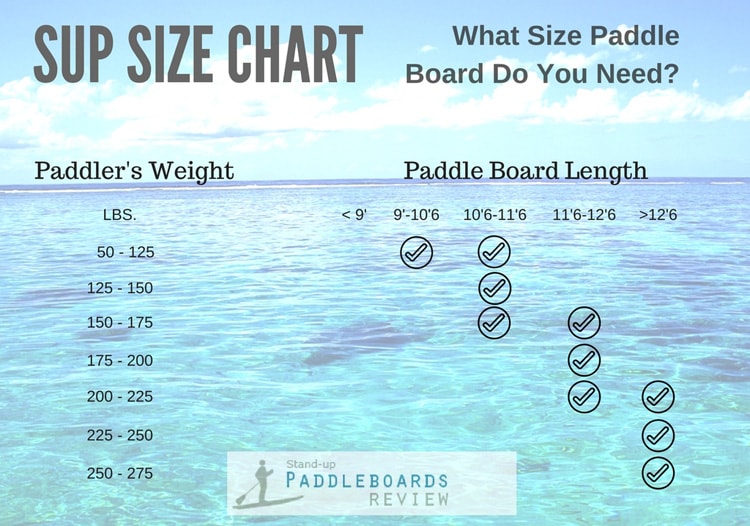
Weight Matters!
Don't forget your own weight! This is a crucial factor in choosing your SUP. Manufacturers usually list a weight capacity for their boards. This isn't just about how much the board can float; it's about how well it will perform.
If you're at or near the maximum weight capacity, the board will sit lower in the water, making it less stable and harder to paddle. It’s always a good idea to aim for a board with a weight capacity that’s about 20-30% more than your actual weight. This gives you that buffer for stability and performance, especially if you have a bit of extra gear or a furry first mate.
And what about that furry first mate? Oh yes, we’re talking about dogs! If you plan on bringing your pup along for the ride, you'll need a board with ample space and good stability. Many dogs love SUPing, and a wider, longer board is usually best for both of you!
The Takeaway: Don't Overthink It!
Ultimately, the "perfect" size SUP is the one that makes you feel confident and happy on the water. Don't get bogged down in too many technicalities, especially when you're starting out.
For most people, a 10'6" to 11'6" long, 30-32" wide, and 4-6" thick all-around board is a fantastic place to begin. It's the trusty Swiss Army knife of the SUP world – versatile, reliable, and ready for almost anything.
So, go forth and explore! The water is calling, and your perfect-sized SUP is waiting. Happy paddling, friend!