What Is The Size Of A Brick
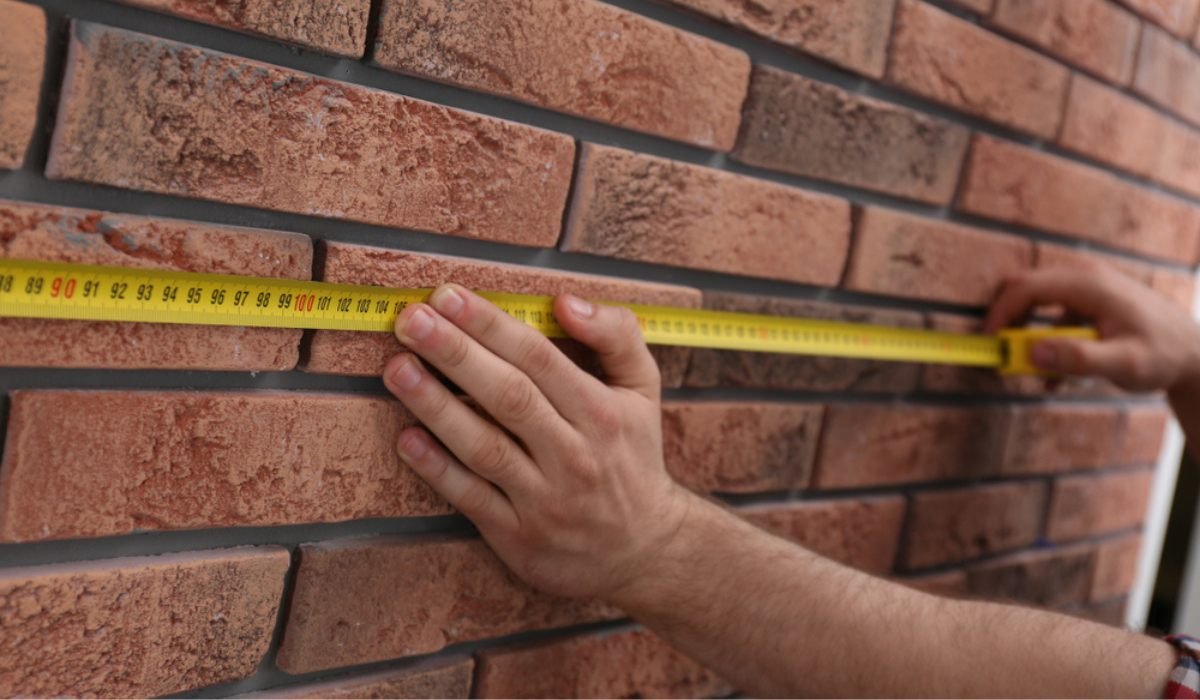
I remember, not too long ago, standing in front of this ridiculously overgrown garden wall. It was one of those "weekend project that spiraled into a month-long saga" situations. My neighbor, bless his enthusiastic heart, had decided it was time for a complete overhaul. And me? Well, I was roped in as the designated brick-hauler. Suddenly, my weekend plans of binge-watching documentaries and attempting to bake a sourdough that wouldn't resemble a doorstop were replaced with the rhythmic thud of bricks hitting the wheelbarrow.
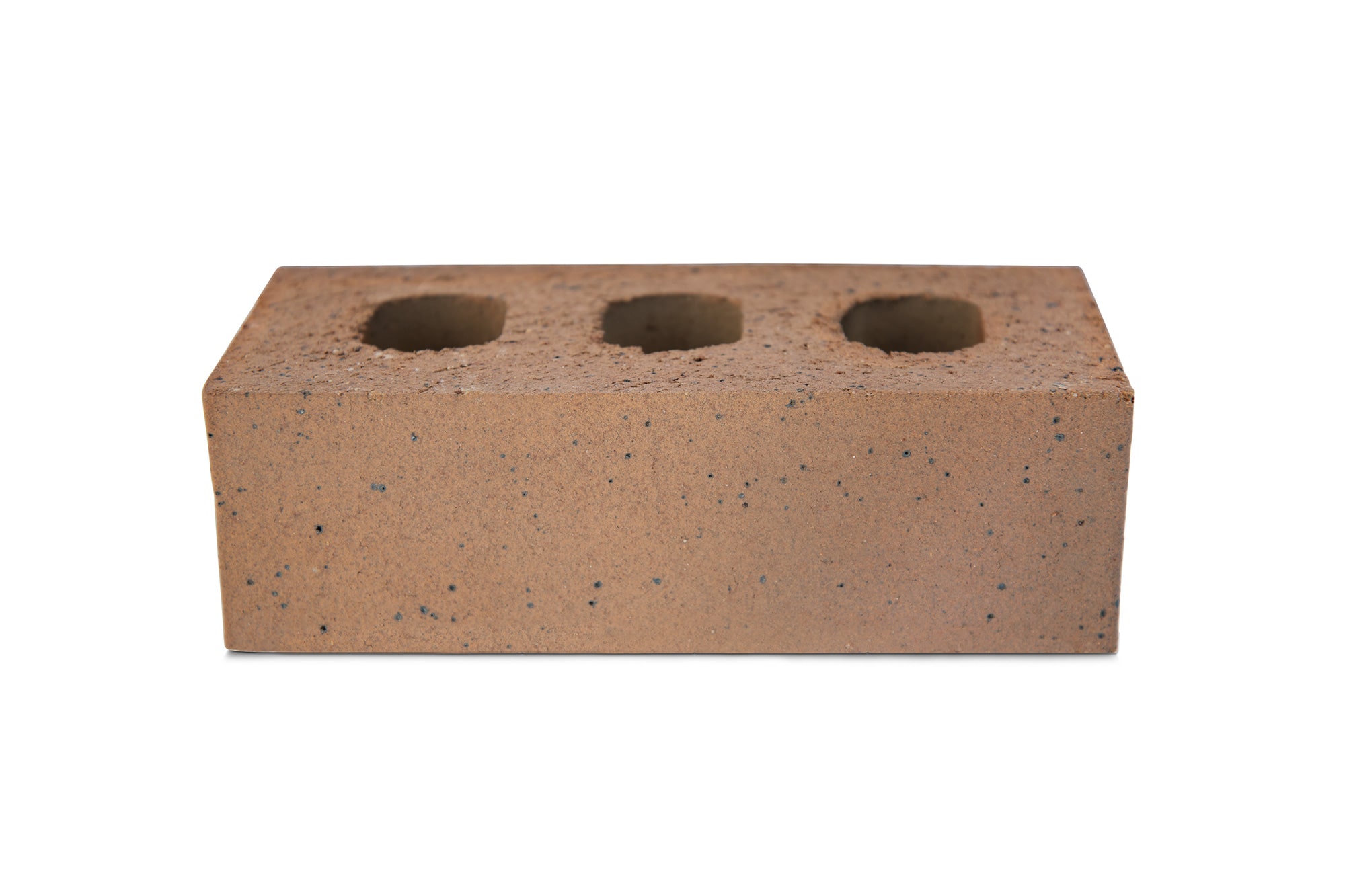
Anyway, as I was wrestling with a particularly stubborn pile, I had this moment. Staring at this single, unassuming red rectangle, I thought, "Huh. I wonder what the actual size of a brick is?" It’s one of those things you just know when you see it, right? It’s a brick. It fits in your hand. It’s… brick-sized. But then the curiosity kicked in. Was it always this size? Are they all identical? And why, oh why, did it feel like I was hauling a ton of them to build a wall that, by the way, still has a slight lean to it. (Don't tell my neighbor.)
This seemingly simple question, "What is the size of a brick?" actually opens up a surprisingly complex and, dare I say, fascinating world. It’s not just about a number; it's about history, standardization, and a whole lot of practicality. So, let's dive in, shall we? Grab a metaphorical cup of tea, or maybe an actual one, because we’re about to get down and dirty with the dimensions of these humble building blocks.
Must Read
The "Standard" Brick: More of a Suggestion, Really
If you were to ask a builder, or anyone who’s ever laid a brick (or ten thousand), they'd probably give you a number. And that number would likely be what we commonly refer to as the "standard" or "nominal" size of a brick. In many parts of the world, especially in the UK and North America, this standard size hovers around 215mm x 102.5mm x 65mm (or roughly 8.5 inches x 4 inches x 2.5 inches).
Now, before you grab your tape measure and start critiquing your local brick wall, there’s a crucial detail: this is often the nominal size. What’s nominal, you ask? Well, think of it as the intended size, the size that accounts for the mortar joint. Because, let's be honest, bricks don't just magically fuse together. They need a little something in between, and that something is mortar. So, when you add a standard mortar joint (usually around 10mm or 0.5 inches), the brick plus its mortar makes a neat, easy-to-work-with module.
This standardization is, like, a huge deal in construction. Imagine if every brick was a slightly different size. Builders would be spending their days chipping away at bricks, trying to make them fit, or just chucking them in frustration. It would be chaos. So, the idea of a standard size is all about efficiency and predictability. It’s the unsung hero of the building industry. And as someone who’s only ever moved them, I can appreciate the builders’ side of things more now!
Why This Size? A Little Bit of History and a Whole Lot of Logic
So, why this particular size? It’s not like some ancient brick-making council just sat around one day and decreed, "Let there be bricks of 215 by 102.5 by 65!" There are, as always, historical and practical reasons.
Historically, brick sizes varied quite a bit. But as building techniques evolved and the need for more consistent construction grew, standardization started to take hold. The dimensions that became common were often derived from the raw materials and the manufacturing processes of the time. Think about the size of a human hand – it’s no coincidence that many tools and building elements are designed to be easily handled. A brick needs to be big enough to build quickly, but small enough for a single person to lift and maneuver without straining their back (or, you know, triggering a personal crisis about DIY projects).
Furthermore, the proportions themselves matter. The ratio of length to width to height affects how the bricks bond together, how they distribute weight, and how stable the resulting structure is. The 2:1:0.5 ratio (approximately) of length to width to height for the nominal size is a classic for a reason. It’s structurally sound and allows for various bonding patterns, which are essentially different ways of laying the bricks to create strength and visual appeal.

And let's not forget the kiln. The size of the bricks also had to be optimized for firing in kilns. You can't just cram them in willy-nilly; they need to be arranged in a way that allows for even heating and curing. So, there’s a whole science behind it, really. It’s not just about making mud blocks and baking them.
But Wait, There Are Other Sizes? (Spoiler: Yes)
Now, this is where things get a little more interesting, and where my initial curiosity might have led me down a rabbit hole if I’d had more time. The "standard" brick is a great starting point, but it's not the only brick. Not by a long shot.
You’ll find different types of bricks used for different purposes. For example, there are engineering bricks, which are denser, stronger, and more water-resistant. These are often used in foundations or in damp environments. They tend to be a bit smaller than your standard facing brick, often with slightly different dimensions.
Then there are the historical bricks. Old buildings are a treasure trove of varying brick sizes. You might see smaller, hand-molded bricks from centuries ago, or larger, more rustic ones from different eras. These aren't just quirky architectural details; they often reflect the local clay sources and the manufacturing capabilities of the time. So, if you're ever restoring an old building, matching those original brick sizes can be a bit of a detective job.
And of course, there are bricks from different countries. While there's a global trend towards standardization, especially in modern construction, different regions might have their own "local standards" or traditional sizes that have been used for generations. So, the brick you find in Australia might not be the exact same dimensions as one from Canada, even if they look similar.
It’s a bit like comparing shoe sizes, isn't it? You have your common sizes, but then you have specialized shoes, custom-made shoes, shoes from different countries. The principle is the same: a fundamental object that has been adapted and varied based on need and tradition.

The Actual Brick: The "Work" Size
So, if the nominal size includes the mortar, what’s the size of the brick itself, the actual physical object you pick up? This is what we call the "work" size or the "actual" size. This is the dimension of the brick without the mortar.
For that UK/North American standard brick, the work size is typically around 215mm x 102.5mm x 65mm. Wait, didn't I just say that? Ah, this is where the confusion can creep in! The nominal size is designed so that when you add a standard mortar joint, it reaches the target dimensions for building. So, for a nominal size of, say, 225mm x 112.5mm x 75mm, the work size of the brick would be smaller, allowing for that 10mm mortar joint all around.
Let's clarify with a common example often found in the UK, sometimes referred to as a "traditional" or "standard" brick. * Nominal Size: 225mm x 112.5mm x 75mm. This is the size you'd factor in when calculating how many bricks you need for a wall, as it accounts for the mortar. * Work Size (Actual Size): Typically around 215mm x 102.5mm x 65mm. This is the physical brick itself. The difference of approximately 10mm on each dimension is the mortar joint.
This is why when you're ordering bricks, you'll often see both nominal and actual dimensions listed. Understanding the difference is key to avoiding any nasty surprises, especially if you’re trying to match existing brickwork. My neighbor, thankfully, just went with whatever the local builder's merchant had in stock. Smart man.
The Metric vs. Imperial Conundrum
As you can probably tell, when we start talking about measurements, we inevitably stumble into the glorious world of metric and imperial. It's like a friendly (or sometimes not-so-friendly) debate that’s been going on for decades.
In countries that have fully embraced the metric system (like most of the world, cough), brick sizes are generally expressed in millimeters. This is where you see the neat, rounded millimeter figures like 215mm or 225mm for length. It's logical, it's consistent, and it's easy to work with smaller increments.

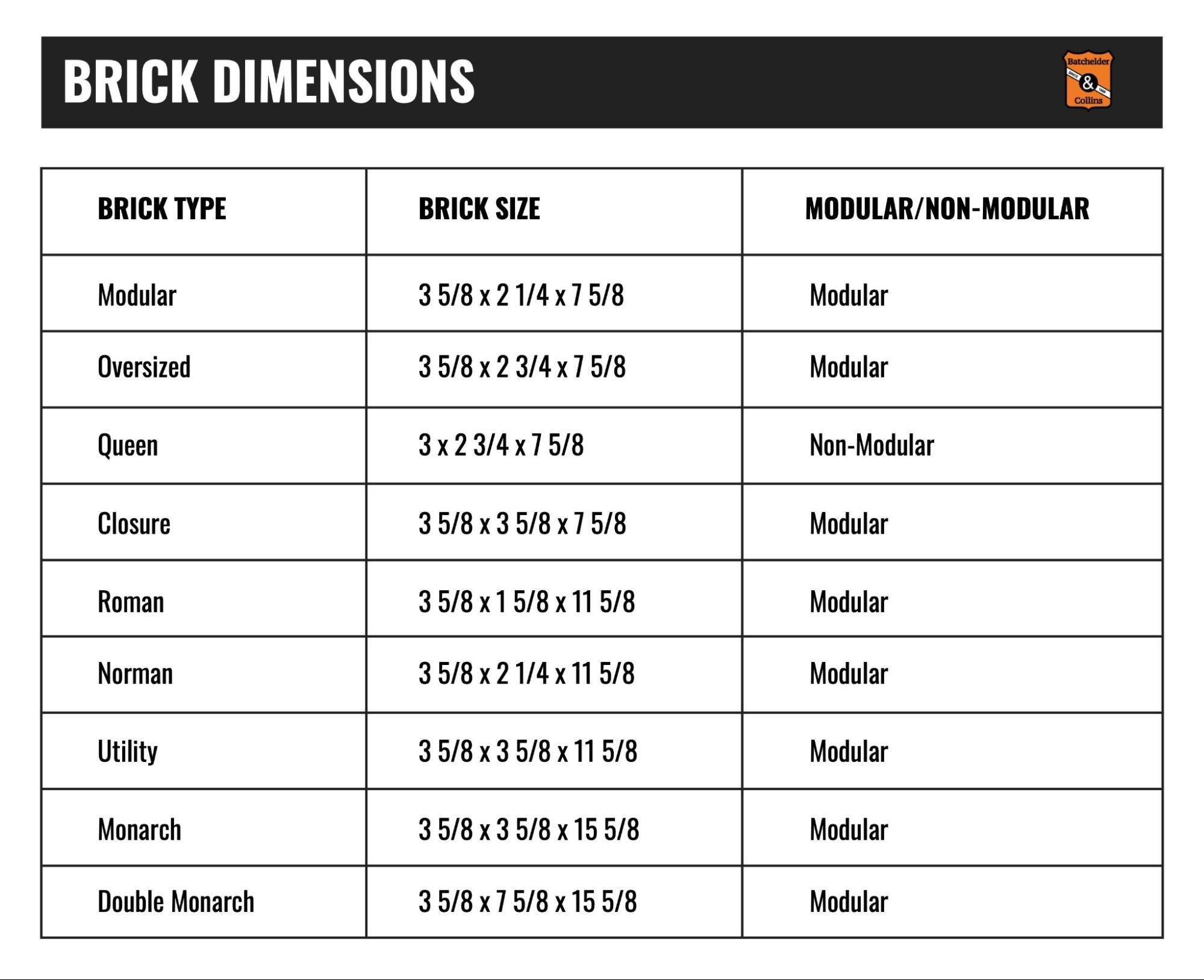
In places that still hold onto the imperial system (like the US and, to some extent, the UK for certain historical measurements), you'll hear things in inches. The "standard" US modular brick, for instance, has a nominal size of 7 5/8 inches x 3 5/8 inches x 2 1/4 inches. And again, this is the nominal size, including the mortar. The actual brick is smaller.
The funny thing is, even within these systems, there are variations. And sometimes, imperial and metric dimensions are not direct conversions. A "standard" metric brick might not be a perfect inch-for-inch equivalent of a "standard" imperial brick. This can be a headache for international projects or for anyone trying to compare specifications across borders. It’s a reminder that even the most basic building blocks can have their own unique global passport.
The Power of Standardization (and the Frustration of Non-Standardization)
The beauty of standardized brick sizes, whether metric or imperial, is that it makes construction efficient. Architects can design with confidence, knowing the dimensions of the materials. Builders can order with certainty, knowing what they’ll receive. Manufacturers can produce consistently. It’s a beautifully interconnected system.
But what happens when you don’t have standard sizes? This is where my neighbor's overgrown wall comes in. If you’re dealing with old buildings, or if you’re trying to achieve a specific aesthetic that calls for a non-standard brick, then the challenge begins. You might have to source reclaimed bricks, which can be expensive and time-consuming, or find specialist manufacturers who can create custom sizes.
And let me tell you, trying to find an exact match for a 150-year-old brick that’s slightly chunkier than today’s standard can feel like an archaeological dig. You’re looking for that perfect imperfection that tells a story. It's a different kind of satisfaction, I suppose, than just grabbing a pallet of uniform red bricks.
Beyond the "Standard" Brick: Speciality Sizes and Their Roles
We’ve talked a lot about the common sizes, but it’s important to remember that the world of bricks is diverse. Think of it as a family with many members, each with their own distinct characteristics.
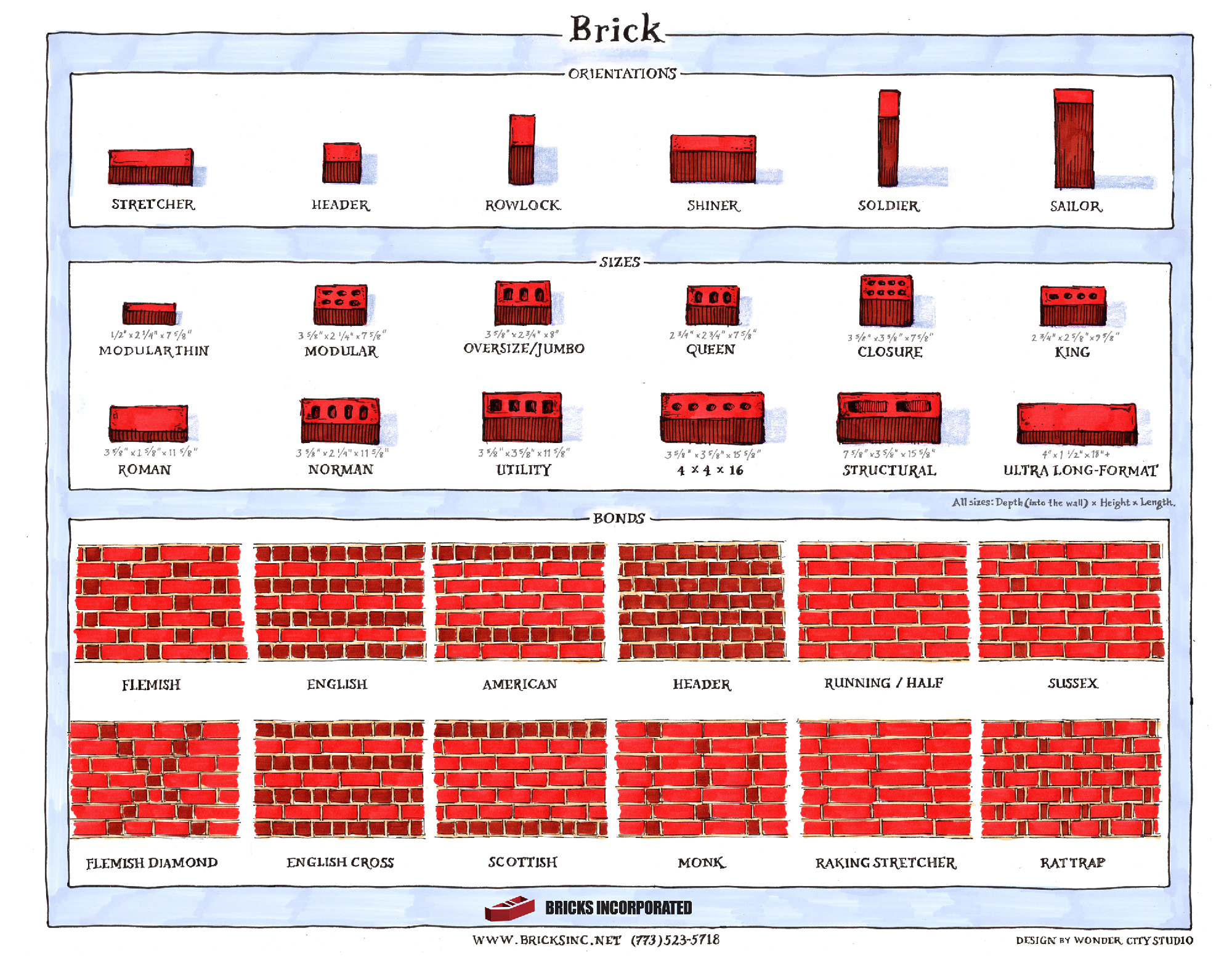
For instance, there are dutch bricks, which are typically longer and thinner than standard bricks, giving a different visual effect. They’re often used for their aesthetic appeal and can require different construction techniques.
Then there are cladding bricks or brick slips. These are essentially thin slices of brick, designed to be applied to a surface to give the appearance of a brick wall without the structural load of a full brick. They come in a range of sizes, often designed to mimic the look of traditional bricks but with a more modern application.
And let's not forget the sheer variety of face bricks. While the underlying dimensions might be similar, the texture, color, and finish can vary wildly, all contributing to the final look of a building. But even within these aesthetic variations, the underlying size tends to remain within a recognized range to maintain ease of construction.
The Takeaway: It's All About the Context
So, what is the size of a brick? The simple answer is: it depends. It depends on where you are, what era the brick is from, what it’s intended to be used for, and whether you’re talking about the actual brick or the nominal size that includes the mortar.
It's a question that starts with a simple observation and leads to an appreciation for the intricate details of construction, history, and global standards. For me, it’s a reminder that even the most commonplace objects have a story and a purpose. And that sometimes, the most interesting insights come from asking the seemingly obvious questions.
Next time you’re passing a brick wall, take a moment. Observe the uniformity, or perhaps the charming lack thereof. Think about the hands that laid those bricks, the kilns that fired them, and the engineers who determined the precise dimensions that allow our buildings to stand tall and proud. It’s more than just mud and fire; it's a testament to human ingenuity and the enduring power of a well-sized brick. Now, if you’ll excuse me, I have a date with a wheelbarrow and a very patient neighbor.