Ever wondered what all those bits and bobs under the hood of your car actually do? It’s a jungle of metal, wires, and mysterious hoses, right? Well, today, we’re going to shine a spotlight on one of those unsung heroes, a component so crucial, so darn important, it practically deserves a tiny marching band. We're talking about the manifold!
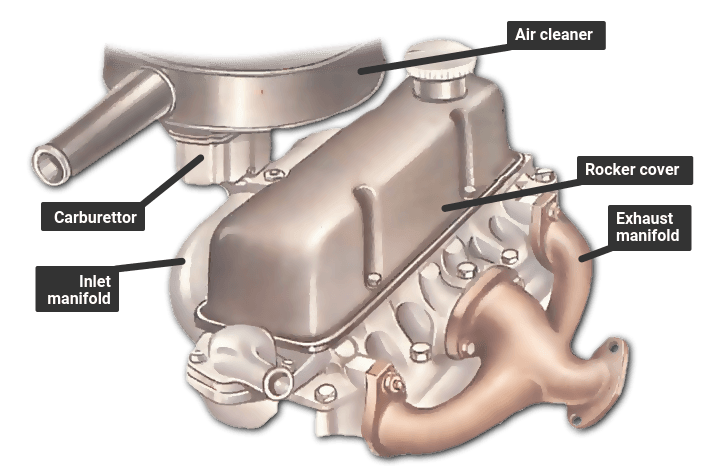
Now, before you picture some kind of alien spaceship part, relax! The manifold is actually a pretty straightforward, yet incredibly clever, piece of automotive engineering. Think of it as your car’s super-organized traffic director for air and exhaust. Yep, that’s it! It’s all about making sure things go where they need to, when they need to, with maximum efficiency. Imagine a busy intersection in a bustling city. Without traffic lights and lane markings, it would be pure chaos, right? Cars honking, drivers yelling, probably a few fender benders. Well, the manifold is kind of like the city planner and the traffic cop for your engine’s gases.
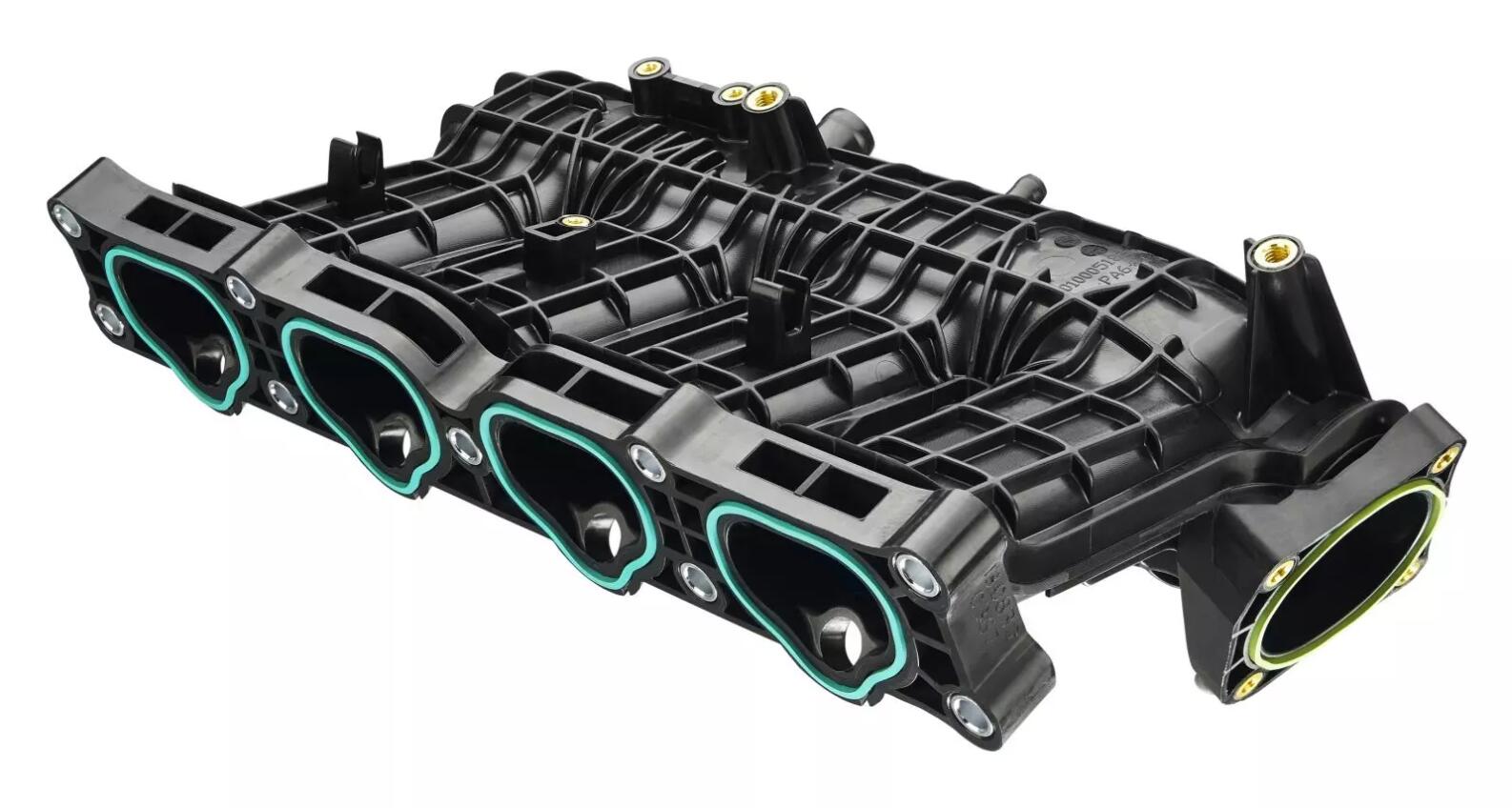
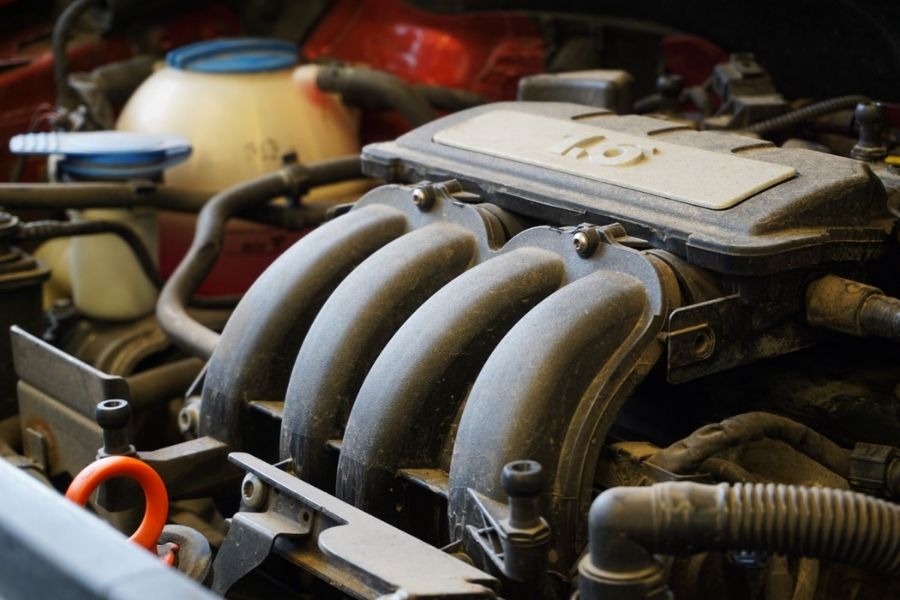
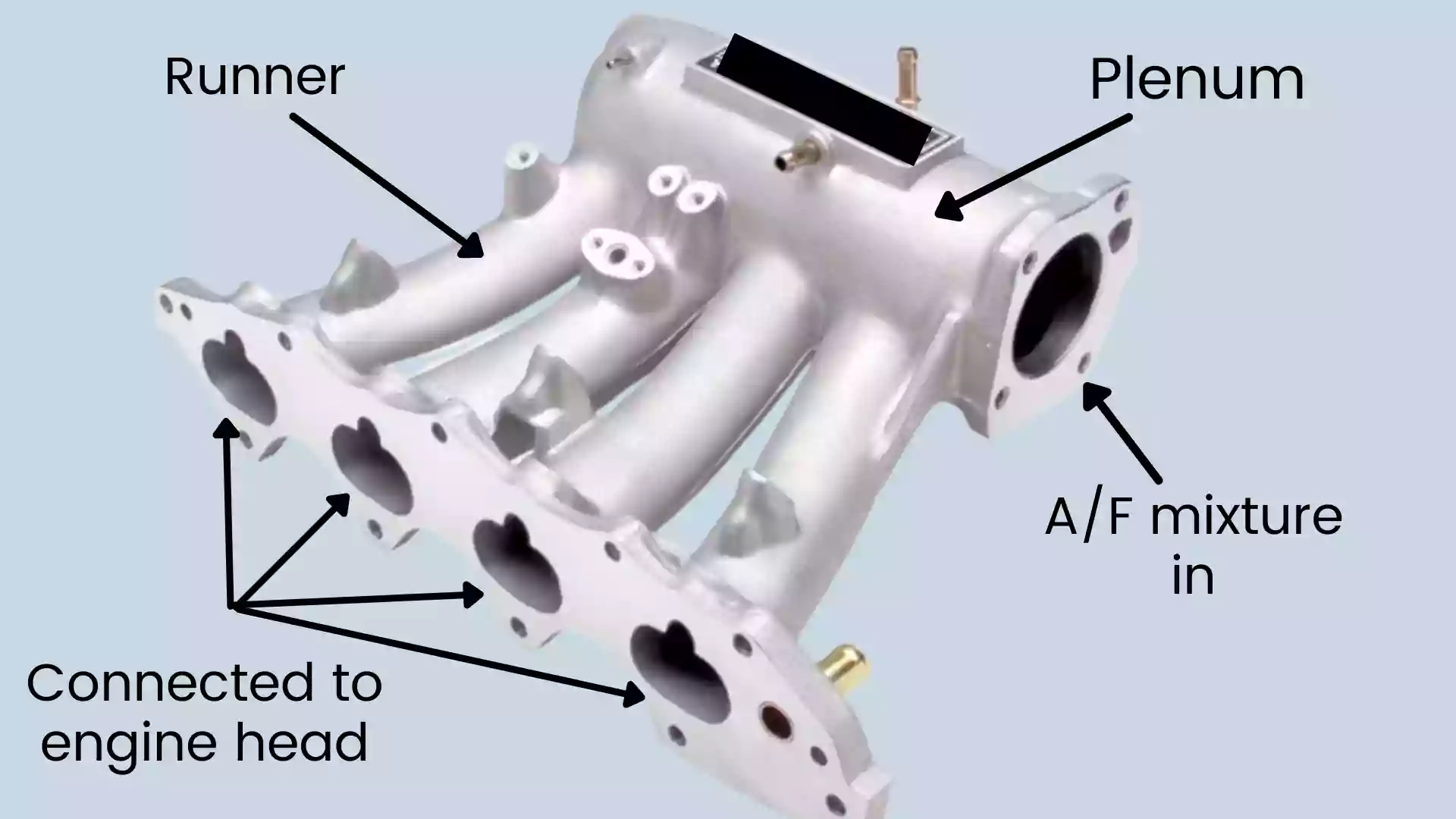
You’ll actually find two main types of manifolds in most gasoline-powered cars, and they’re each brilliant in their own way. First up, we have the intake manifold. This is the guy responsible for happily ushering in the fresh air (and a little bit of fuel, depending on your car’s setup) that your engine so desperately craves to get things burning. Think of it as a welcome mat and a distribution center all rolled into one. It takes the air that’s been sucked in and, with a series of carefully designed tubes or runners, splits it up, ensuring that each of your engine’s cylinders gets a perfectly measured gulp of this vital mixture. Without a good intake manifold, your engine would be gasping for breath like you after a really intense spin class. It wouldn’t get enough air, and therefore, wouldn’t have enough power to get you from “oh-dear-that’s-a-steep-hill” to “woo-hoo-I’m-conquering-this-mountain!” It's like trying to feed a whole family with just one tiny spoon – no fun for anyone involved!
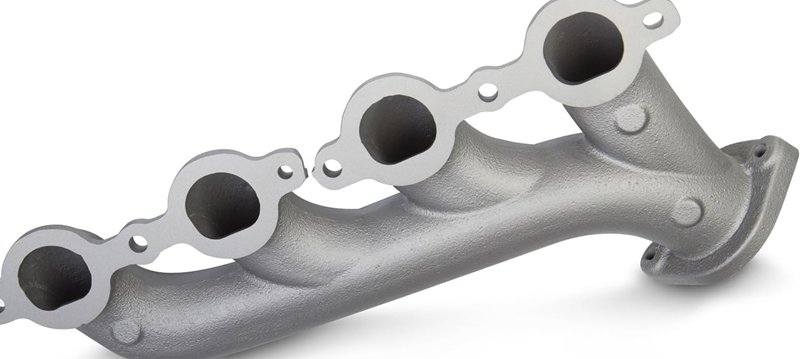
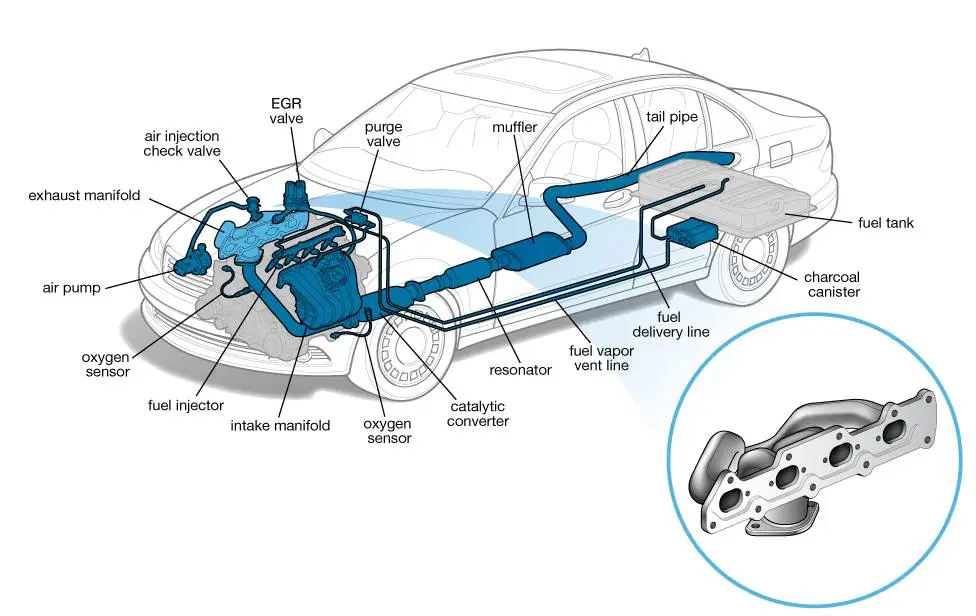
Now, for the flip side of the coin, we have the exhaust manifold. This is the hard-working fella that deals with the aftermath of all that combustion. After your engine does its magical thing and turns fuel into go-power, it produces a whole lot of hot, smelly gases. The exhaust manifold's job is to collect all these gases from each of your cylinders and funnel them out of the engine and into the exhaust system. It's like the ultimate cleanup crew, making sure all the "waste" is efficiently collected and whisked away so your engine can get ready for its next round of power-making. Imagine a group of friends all leaving a party at the same time – if there’s only one tiny door, it’s going to be a bottleneck! The exhaust manifold provides multiple entry points, like several doors, allowing all those exhaust gases to exit smoothly and quickly.
What is an exhaust manifold and what does it do? | AutoGuru
Why are they shaped the way they are? Well, that's where the magic really happens! Both manifolds are designed with very specific lengths and diameters for their runners. This isn't just for looks, folks! It's all about something called resonance. Think of it like blowing across the top of a bottle. You get a certain note, right? The engineers use this principle to make sure that the air and exhaust pulses move in a harmonious way, helping to suck in fresh air and push out spent gases more effectively. It’s like giving your engine a gentle, but powerful, push with every cycle. It’s a bit like a well-choreographed dance; everything has its timing and its place for maximum impact. A really well-designed exhaust manifold can even help scavenge out the exhaust gases more efficiently, leaving the cylinder cleaner and ready for a fresh charge of fuel and air.
So, in essence, your car’s manifold is the unsung hero of efficient combustion, the silent conductor of your engine’s symphony of power. It’s a testament to how clever design can make even the messiest of jobs – like dealing with exploding fuel – run like a dream!
Exhaust Manifold for Cars - Welcome To Car World - Your Ultimate Car
You might be wondering, “Can I see this magical manifold?” Absolutely! On most cars, the exhaust manifold is pretty easy to spot. It’s usually a chunky, cast-iron or stainless steel piece that bolts directly to the cylinder head, right where the exhaust pipes start to emerge. It often looks like a bunch of pipes all coming together. The intake manifold, on the other hand, can be a bit more hidden, often tucked away and made of aluminum or plastic. But if you’re ever peering under the hood and see a large component with multiple tubes or runners snaking off it, chances are you're looking at a manifold in action.
So, next time you hear that satisfying roar of your engine, or feel that surge of power as you accelerate, give a little nod of appreciation to the humble manifold. It might not have the flashy looks of a spoiler or the roar of a performance exhaust, but without its diligent work, your car wouldn't be the efficient, powerful machine you love to drive. It's the quiet achiever, the behind-the-scenes superstar that keeps your journey smooth and exhilarating. Pretty neat, huh? It’s a tiny part of a big, complex machine, but boy, does it punch above its weight!