What Is The Fret On A Guitar
Alright, gather 'round, you magnificent humans and aspiring rockstars! Today, we're diving into a topic so fundamental, so utterly crucial to the very soul of guitar playing, that its absence would render the instrument… well, just a really fancy plank with strings. We're talking about the humble, yet mighty, fret. Now, you might be thinking, "Fret? Isn't that what you do when your Wi-Fi cuts out mid-Netflix binge?" And sure, you'd be right. But on a guitar, it's a whole different ballgame. It’s the unsung hero, the tiny metal wizard that makes all those dreamy chords and face-melting solos possible.
Imagine a guitar without frets. It’d be like trying to cook without a recipe – you’ve got all the ingredients, but no clue where to put them for a delicious outcome. It would just be… noise. Beautiful, expensive, resonant noise, sure, but not exactly the stuff of stadiums and screaming fans. So, what exactly is this magical little bar of metal? Let's break it down, shall we?
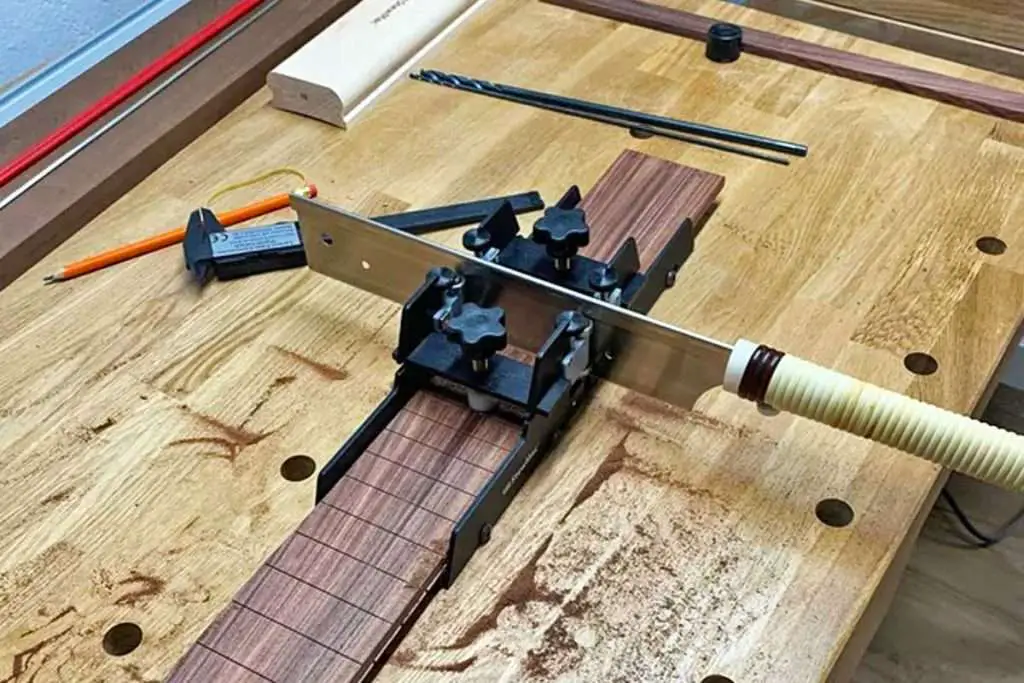
Essentially, a fret is a raised strip of metal that runs across the fretboard of a guitar (and many other stringed instruments, for that matter). They're usually made of nickel, silver, or even stainless steel – because apparently, even our guitar bits deserve to be fancy.
Must Read
Think of them as tiny, invisible fences. When you press a string down against the fretboard just behind one of these metal strips, you're essentially shortening the vibrating length of that string. And here's the kicker, folks: shorten the string, and you change the note! Mind. Blown.
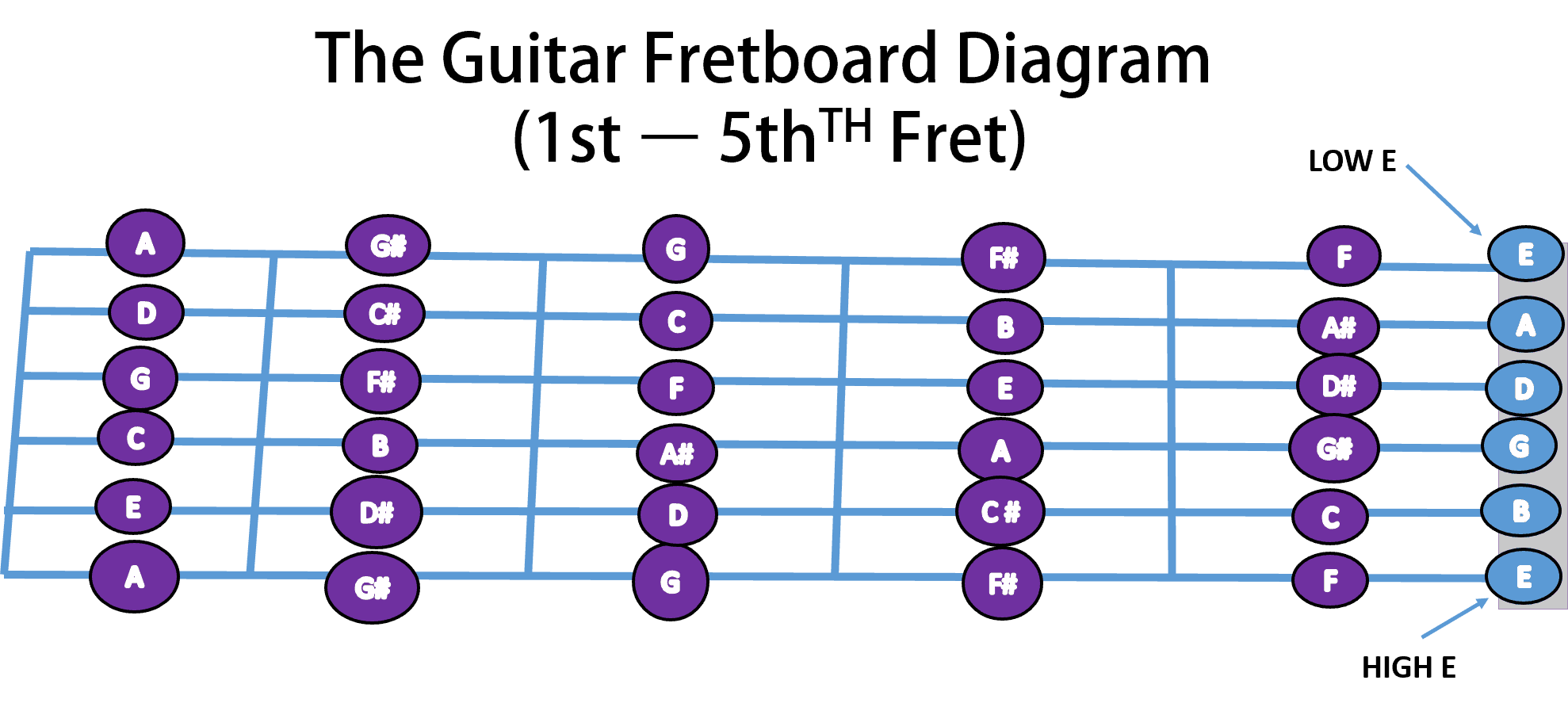
It's like having a secret dial for sound. Each fret represents a specific musical note. So, if you're playing an open string (that's a string that's not being pressed down by your finger), it has its fundamental, natural note. Press it down behind the first fret? Bam! You've just nudged the pitch up by a semitone. Press it behind the second fret? Another semitone higher. It’s like a musical staircase, and the frets are your perfectly spaced steps.

Why metal, though? Couldn't they just be little wooden bumps? Well, my friends, metal is hard. And it needs to be. Imagine trying to get a clean, clear note if your "fret" was made of, say, a marshmallow. Every time you pressed down, your finger would sink in, and your note would sound like a sad, deflated balloon. Metal provides a sharp, defined edge for the string to vibrate against, giving you that crisp, clear tone we all know and love. It’s the difference between a perfectly struck gong and a gentle pat on a pillow. Not that patting pillows is bad, mind you. It’s just… not a B flat.
The Not-So-Secret Life of Frets
Now, you might be wondering, "How many of these magical metal bars are there?" That, my friends, depends on the guitar! Most standard guitars have around 19 to 24 frets. Think of the fretboard as a miniature highway system, and each fret is a carefully planned exit. Too few, and you’re stuck in a musical cul-de-sac. Too many, and it’s a traffic jam of potential notes!
The distance between each fret is super important. It's not random, oh no. It’s all based on the physics of sound and the mathematical ratios that make music sound… well, musical. If the frets were spaced evenly, it would sound like a bunch of cats fighting over a tin can. The frets get progressively closer together as you move up the fretboard. This is because as the vibrating length of the string gets shorter, the amount of pitch change for a given distance also gets smaller. It’s a bit like trying to fold a piece of paper – the first fold is easy, but each subsequent fold gets a little bit harder and smaller.

This precise spacing is what allows us to play all those beautiful scales and chords without having to guess where the notes are. The guitar makers have done the math for us! They’re like the unsung heroes of musical geometry, silently ensuring that when you play a G major chord, it actually sounds like a G major chord and not a minor existential crisis.
The Unsung Heroes of Tuning Stability
Here’s a fun fact that might surprise you: those little fret wires also play a role in keeping your guitar in tune! When you press a string down, you’re pressing it against the fret. This means the string is effectively anchored at that point. If the fret itself is slightly worn or uneven, it can create friction and cause your tuning to drift faster than a politician’s promises.

A well-installed and maintained set of frets provides a stable reference point for the string. It’s like a tiny, metal referee ensuring fair play for your notes. So, the next time your guitar sounds a bit wonky, you might want to give those frets a little loving glance. They work hard for you!
And let’s not forget the sheer feel of it. Playing a guitar with smooth, well-dressed frets is like gliding your fingers over silk. Playing one with rough, sharp frets is like trying to play with sandpaper glued to your fingertips. Not ideal for shredding, I can tell you that. It’s the difference between a gentle caress and a vigorous scrubbing.
So, there you have it. The fret. That unassuming strip of metal that transforms a simple wooden instrument into a vehicle for pure sonic bliss. It’s the silent conductor, the invisible architect, the tiny, metallic guardian of all that is melodious. Next time you pick up a guitar, give a little nod of appreciation to those hardworking frets. They’re the reason you can strum a happy tune, belt out a power ballad, or even just make that hilarious "wah-wah" sound effect. Without them, we'd all just be strumming planks, and the world would be a significantly less groovy place. And that, my friends, is a tragedy I don't even want to think about.