What Is The Def On A Diesel
So, you’ve got yourself a diesel rig. Maybe it’s a beefy pickup truck that could pull a small house, a trusty work van that’s seen more miles than your average marathon runner, or even a sleek, modern SUV that surprises folks with its go-getter attitude. Whatever your diesel machine, you've probably heard whispers about something called “DEF.” It sounds a bit like a secret agent code name, doesn't it? Well, forget spies and secret missions; DEF is actually a pretty heartwarming superhero for your diesel engine.
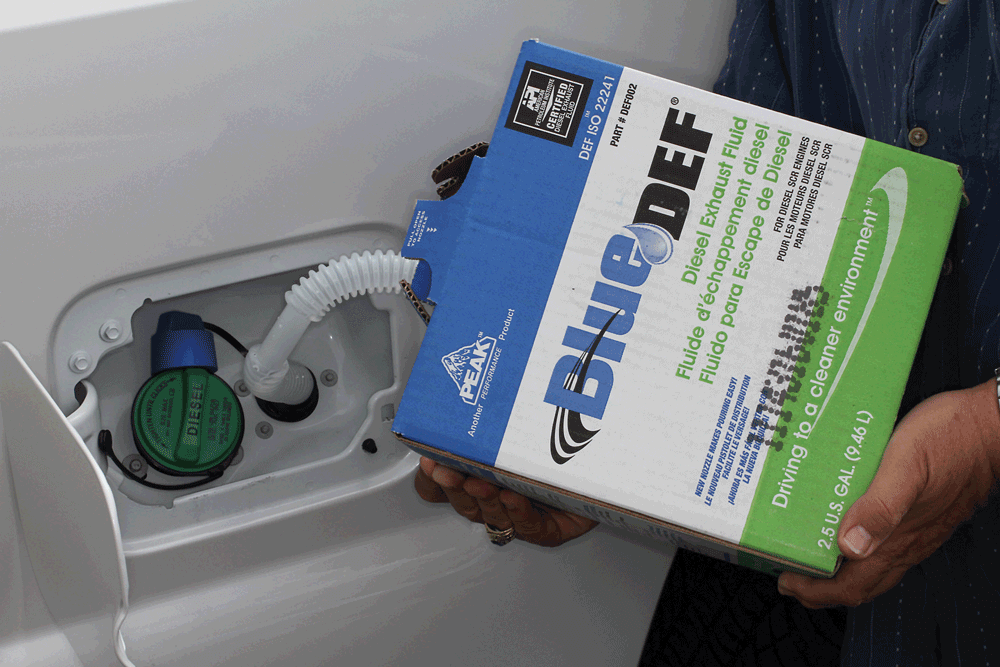
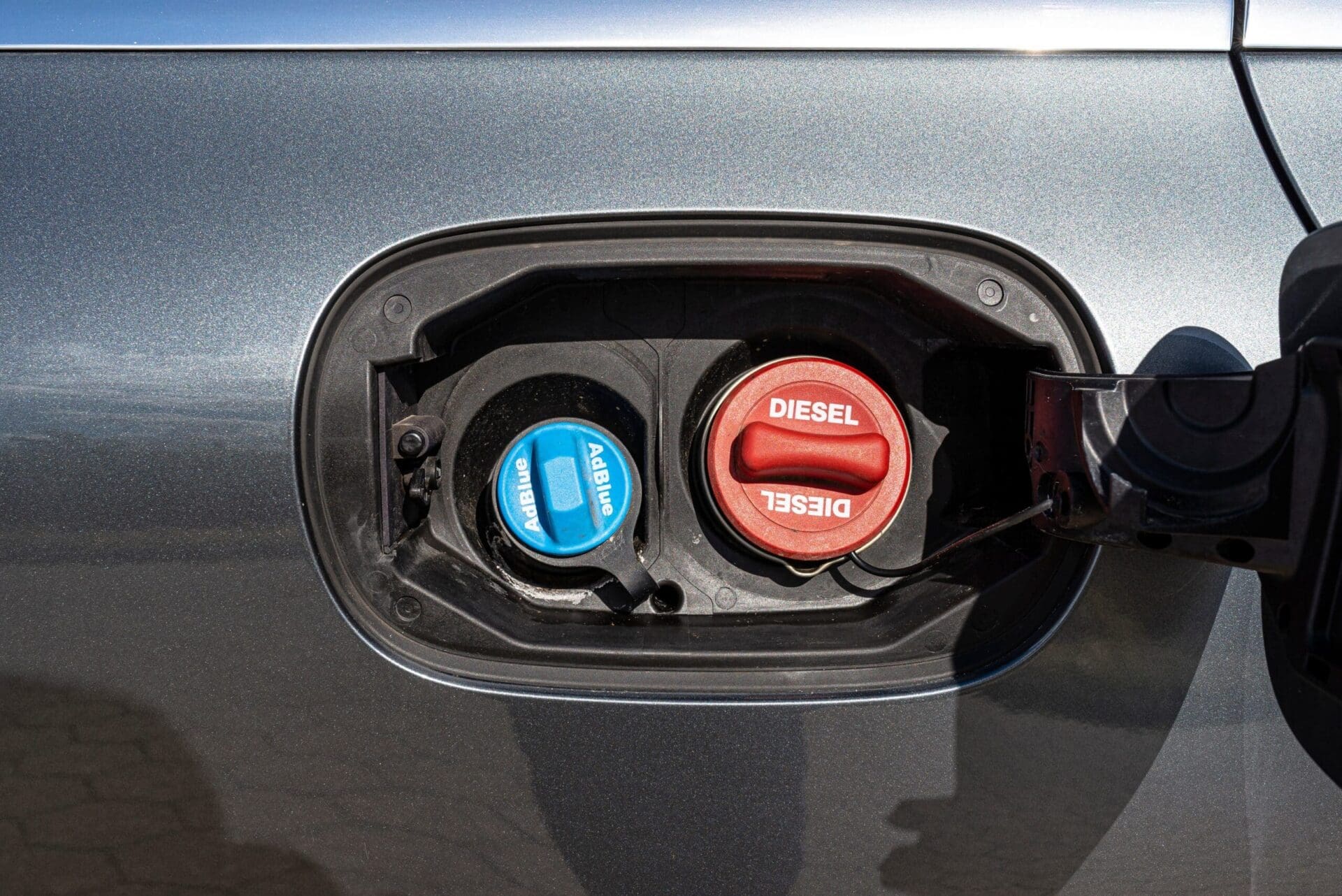
Let’s break it down, nice and easy. DEF stands for Diesel Exhaust Fluid. Yep, that’s it. It’s not some fancy fuel additive that magically boosts horsepower (though we wouldn't say no to that!). Instead, it’s a liquid that hangs out in its own special tank on your vehicle, just chilling until it’s needed. Think of it as a helpful sidekick, ready to jump into action whenever your engine is working hard.
Now, why does your diesel need this liquid sidekick? Well, diesel engines are tough cookies. They’re known for their power and their efficiency. But, like all of us, they can be a little… well, gassy. When a diesel engine burns fuel, it produces exhaust fumes. Some of these fumes contain tiny particles of something called nitrogen oxides, or NOx for short. Now, NOx isn’t exactly the life of the party for our planet’s air quality. It can contribute to smog and other yucky stuff that we’d rather not breathe.
Must Read
This is where our hero, DEF, swoops in. Your diesel vehicle has a clever system called the Selective Catalytic Reduction, or SCR. Sounds complicated, right? But really, it’s just a fancy name for a smart chemical reaction. When your engine's exhaust gets hot and steamy, a little bit of DEF is sprayed into the exhaust stream. It’s like a tiny, controlled mist.
This mist of DEF then meets the hot exhaust gases, and something pretty amazing happens. The DEF, which is actually a mixture of urea and deionized water (basically very pure water), transforms. It breaks down into ammonia and carbon dioxide.
Now, the ammonia is the real star of the show here. It teams up with the nitrogen oxides in the exhaust and, with the help of a special catalytic converter (that’s the “catalytic” part of SCR!), they have a little chemical party. And guess what? The end result of this party is harmless nitrogen gas and water vapor. That’s right – the very same stuff that makes up our air and what we drink! So, DEF is basically turning potentially harmful exhaust into nothing more than good old air and water. How cool is that?

Think of your diesel engine as a diligent worker, always giving its best. DEF is like the responsible friend who reminds the worker to clean up after themselves, making sure they’re not leaving a mess behind. It’s a commitment to a cleaner environment, and it’s built right into the heart of your vehicle. It’s a quiet, unsung hero, working behind the scenes every time you start your engine.
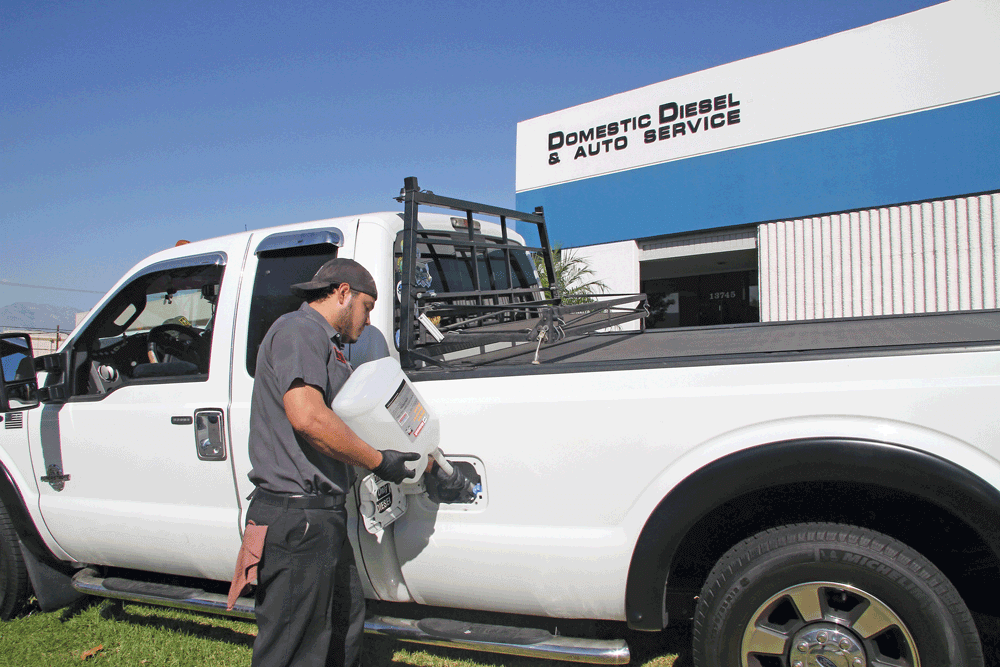
Now, you might be wondering where you get this magical stuff. It’s not exactly something you pick up at your local grocery store (though that would be an interesting aisle to navigate!). You can usually find DEF at gas stations, auto parts stores, and even some truck stops. It’s typically sold in jugs or in bulk at the pump, just like your diesel fuel. When you’re filling up your diesel tank, you’ll often see a separate, smaller nozzle or a dedicated pump for DEF. It's usually blue, a little visual cue to remind you that this is a different kind of fluid. And don’t worry, it’s not nearly as expensive as some other car fluids, making its environmental benefit even more accessible.

A common question is, “What happens if I run out of DEF?” Well, the clever engineers who designed these systems know that running out is a possibility, and they’ve built in a little nudge. Your vehicle will typically give you plenty of warning. You’ll see a warning light on your dashboard, and you might even get a message on your display. If you ignore these warnings and completely run out of DEF, your vehicle’s computer will, for its own protection and to comply with emissions standards, limit its performance or even refuse to start. It’s like your diesel saying, “Hey, I can’t do my best work if I can’t breathe clean air, and neither can you!” It’s a gentle, but firm, reminder to keep your sidekick topped up.
So, the next time you’re behind the wheel of your diesel, give a little nod to the DEF tank. It’s a small thing, a simple liquid, but it plays a huge role in making your powerful diesel engine a cleaner and more responsible member of the road community. It’s a testament to innovation, a commitment to the environment, and a surprisingly heartwarming aspect of the diesel experience. It’s not just about hauling, towing, or getting where you need to go; it’s about doing it with a little less impact on the world around us. And that, in its own quiet way, is pretty wonderful. It’s the unsung hero in blue, working diligently to make your diesel drive a little bit cleaner, one exhaust puff at a time.