
What Is The Cc Of An Email

Alright, settle in, grab your imaginary latte, and let’s talk about something that sounds way more complicated than it is: the mystical CC of an email. Honestly, I used to think it stood for something like “Catastrophic Correspondence” or maybe “Can’t Communicate” because, let’s be real, sometimes emails feel like that. But nope, it’s much simpler, and thankfully, less dramatic. It’s Carbon Copy, and it’s basically the polite (or sometimes not-so-polite) way of saying, “Hey, just so you know, I’m looping this other person in on this conversation.”
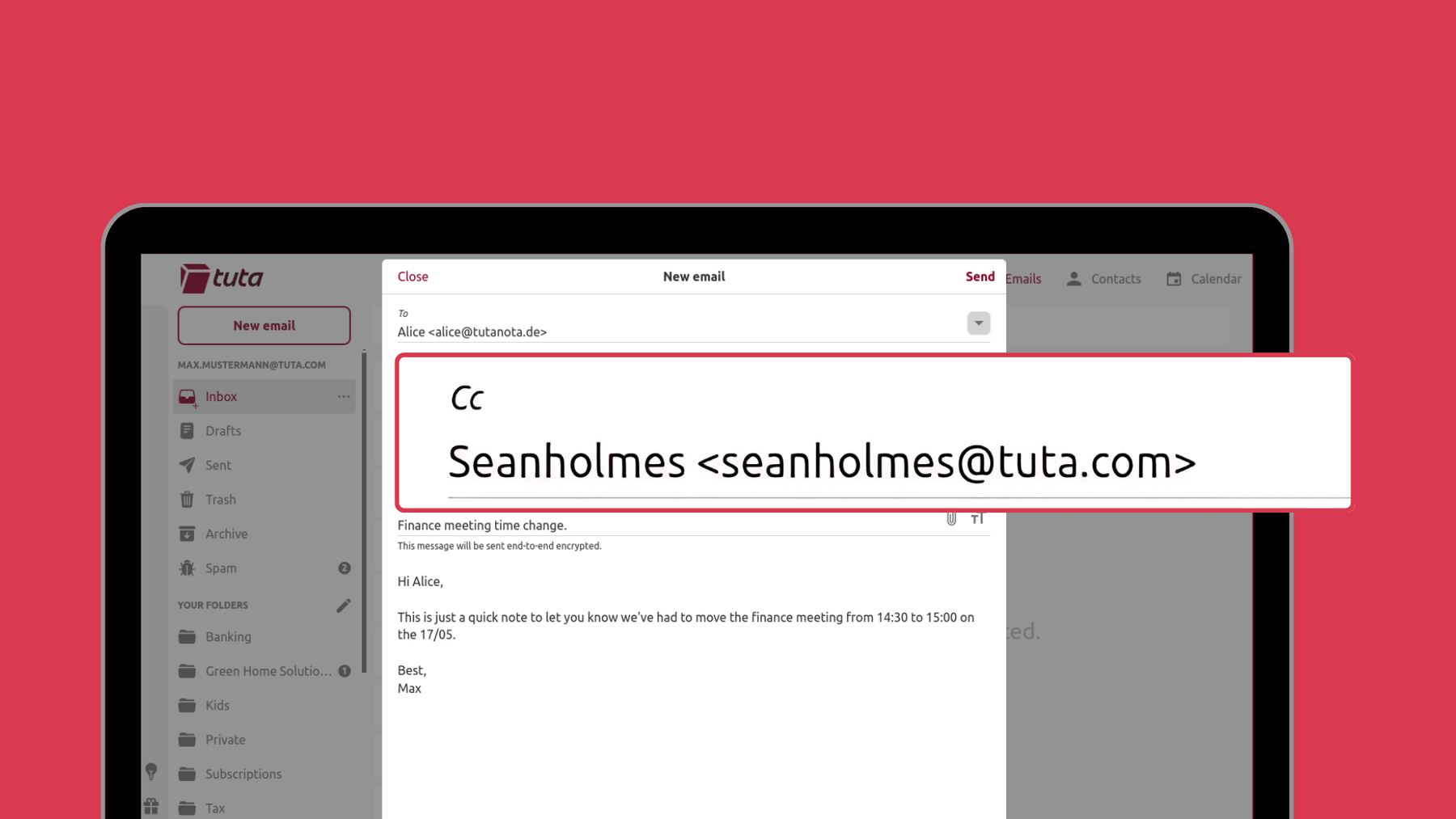
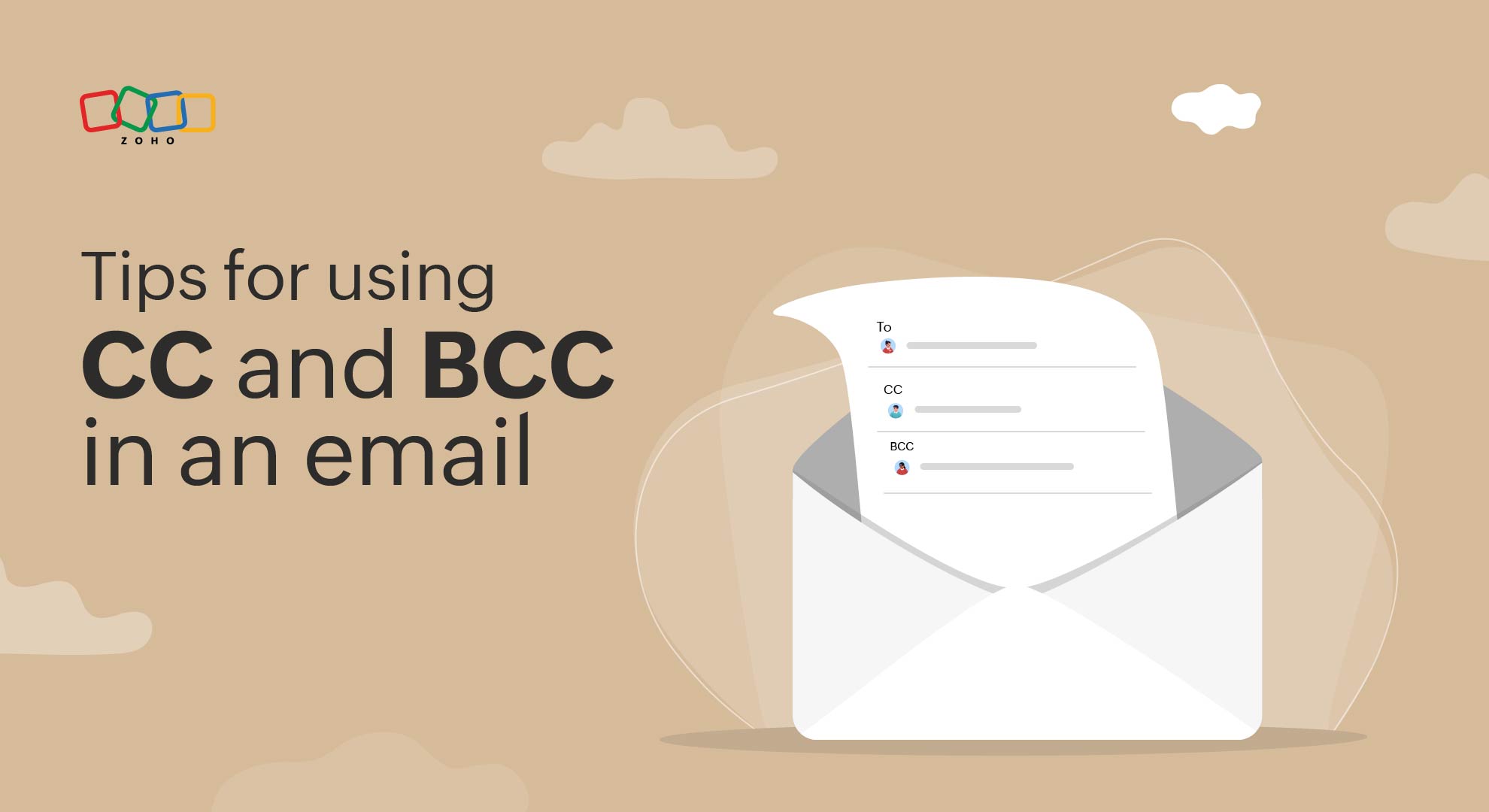
Think of it like this: when you’re sending an email, the person whose address is in the “To:” field is the main event. They’re the VIPs, the star of the show, the ones you’re directly asking to do something, respond, or generally be involved. The CC field, on the other hand, is for the audience. They’re the peanut gallery, the spectators, the ones you want to keep informed without necessarily expecting a direct reply from them.
It’s like when you’re telling your friend a hilarious story about your weird neighbor, and you also want your mom to know what’s going on. You wouldn’t put your mom’s name in the “To:” field of the story, right? She’s not the protagonist of the neighborly escapade! But you might pop her address in the CC line so she can have a chuckle (or a concerned sigh). It’s about information sharing, pure and simple.
Must Read
The Origins of the Opaque 'CC'
Now, where did this arcane abbreviation come from? Buckle up, buttercups, because we’re going on a brief, slightly dusty trip down memory lane. Before we had sleek laptops and instant email delivery, we had… typewriters. And before typewriters had fancy electric bells, they had something called carbon paper. This was a magical (and messy) sheet of paper coated with ink that you’d put between two sheets of regular paper. When you typed on the top sheet, it would press ink onto the bottom sheet, creating a duplicate. Voilà! Your very own carbon copy, no photocopier required. It was the original copy-paste function, except way more labor-intensive and prone to smudging your fingers.
So, when the digital age rolled in and they needed a way to replicate that “sending a copy to someone else” functionality, they looked to the familiar world of physical mail and decided to slap the name of the trusty carbon paper onto it. Brilliant, right? It’s like naming your Wi-Fi “Dial-Up Dream” – a nostalgic nod to the past, even if the technology is lightyears ahead. Fun fact: some historians (okay, maybe just me after a third coffee) theorize that the very first email ever sent was probably a CC'd message, just to make sure the sender’s pet parrot was also in the loop.
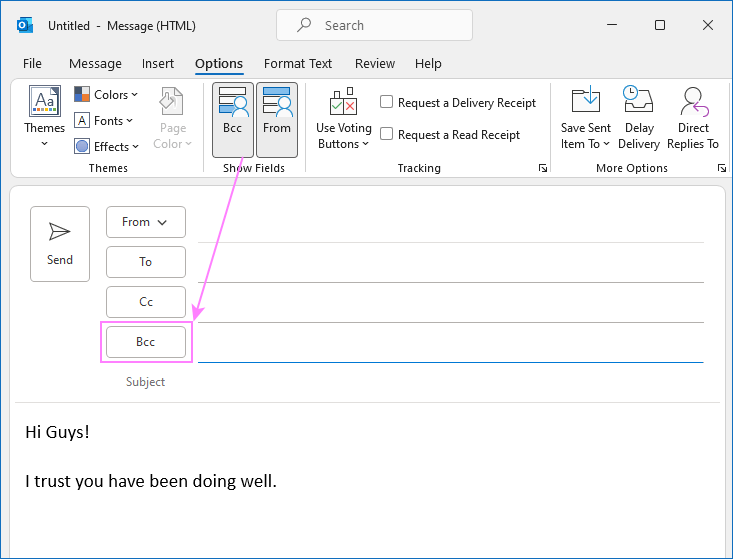
When to CC and When to Just Say 'To': The Etiquette Edition
The real question, of course, is when should you use CC? This is where things can get a little dicey, like navigating a minefield in roller skates. The general rule of thumb is: if you’re not directly asking the person in the CC line to do something, or if their input isn’t essential for the immediate next step, then CC them. They are the passive observers, the silent guardians of knowledge.
For instance, if you’re sending a report to your boss (the “To:”), you might CC your colleague who helped with the research. They don’t need to do anything with the report now, but they should know it’s been submitted, and their contribution is acknowledged. It’s like giving them a little “Atta boy!” via digital post.

Here are some classic CC scenarios:
- Keeping your manager in the loop: You’re emailing a client about a project. You To: the client, and CC: your boss. This way, they can see you’re actively working and engaging. It’s like having a bodyguard for your productivity.
- Informing your team: You’re asking a question of another department. You To: the relevant person, and CC: your own team members so they’re all on the same page and can learn from the interaction. Think of it as a mini-seminar for your crew.
- Archiving a conversation: Sometimes, you just want to make sure a record of a decision or a significant exchange is stored somewhere accessible. You might To: the main recipient and CC: a project manager or a shared inbox for reference. It’s digital breadcrumbing for future you.
The key is to avoid CC'ing everyone and their mother. Imagine receiving an email that’s CC'd to 30 people, and none of them actually need to do anything. It’s like being invited to a party where you’re only there to watch everyone else dance. Frustrating and a waste of precious inbox space!
The Dark Side: When CC Goes Wrong
But oh, the CC can also be a weapon of mass inbox destruction. Ever been on the receiving end of a fiery email thread where you’re suddenly CC'd into a debate you had no idea was happening? It feels like walking into a room where everyone’s arguing about what to have for dinner, and you just wanted a slice of pizza. Suddenly, you’re expected to have an opinion, or worse, take sides!
There’s also the dreaded “Reply All” to a CC’d message. This is a classic blunder, akin to accidentally shouting your deepest secrets in a library. If you’re in the CC line, and you feel compelled to respond, always check who you’re replying to. Nine times out of ten, a direct reply to the sender is sufficient. Hitting “Reply All” when you only needed to reply to the sender is like bringing a marching band to a whisper-quiet meditation session. Disruptive and unnecessary.
And let’s not forget the passive-aggressive CC. You know the one. Someone sends an email to Person A, CC'ing Person B (the boss, naturally), and the email is riddled with subtle digs at Person A. It’s less about informing Person B and more about highlighting Person A’s perceived failings to the higher-ups. It’s email warfare, folks, and the CC is the tiny, insidious cannon.
So, What's the Bottom Line?
Ultimately, the CC field is a tool. And like any tool, it can be used for good or for… well, for making your colleagues’ inboxes explode. Use it wisely. Use it to keep people informed when they don’t need to be the primary responders. Think of it as a helpful nudge, a gentle whisper of information, rather than a loud announcement or a direct order.
If you’re ever in doubt, ask yourself: Does this person need to know this right now to do their job or make a decision? If the answer is a lukewarm “maybe,” then probably CC. If the answer is a resounding “yes,” then perhaps they belong in the “To:” line. And if the answer is a shrug of indifference, then save yourself and everyone else the inbox clutter and leave them off entirely.
So there you have it. The CC: not so scary after all. It’s just a digital carbon copy, a way to share the email equivalent of a memo with a wider, albeit less directly involved, audience. Now go forth and CC responsibly, and may your inboxes be ever so slightly less chaotic.
:max_bytes(150000):strip_icc()/auto-cc-all-mail-outlook-1173769-1855cb54f3c9489597a632d1b26b1239.png)
