Ever found yourself holding a snapped 3D print, a broken toy, or a project that just didn't quite hold together? If you've dabbled in the amazing world of 3D printing or even just enjoyed a good craft session, you've likely encountered the need for a trusty adhesive. But when it comes to PLA, that wonderfully popular and accessible 3D printing filament, the quest for the "best glue" can feel like a treasure hunt! It's a fun challenge because finding the right adhesive can transform a frustrating failure into a triumphant success, bringing your creations back to life or making them stronger than ever before. Whether you're a seasoned maker or just starting out, understanding how to bond PLA is a super useful skill that opens up a whole new world of possibilities.
So, what's the big deal about sticking PLA together? Well, PLA (Polylactic Acid) is fantastic for a multitude of reasons. It's biodegradable, relatively easy to print with, and comes in a rainbow of colors. But, like many plastics, it can sometimes be brittle, or your print might come off the build plate with a slight imperfection that needs a bit of patching. That's where glue comes in! The purpose of using the right glue for PLA is simple: to create a strong, durable, and often seamless bond between pieces. Think about it: you’ve spent hours designing and printing that intricate vase, only for a small part to break off. A good adhesive not only repairs it but can make it virtually invisible. For larger prints, you might want to join multiple parts together, and a well-chosen glue will ensure that your assembled masterpiece doesn't fall apart with a gentle nudge. The benefits are huge – it saves you time and money by letting you fix rather than re-print, allows for more complex and larger designs, and generally elevates the quality and longevity of your PLA projects.
The Contenders: Popular and Effective Adhesives for PLA
When we talk about sticking things together, especially something as specific as PLA, a few types of adhesives tend to rise to the top. It’s not a one-size-fits-all situation, but rather a spectrum of solutions depending on what you're trying to achieve.
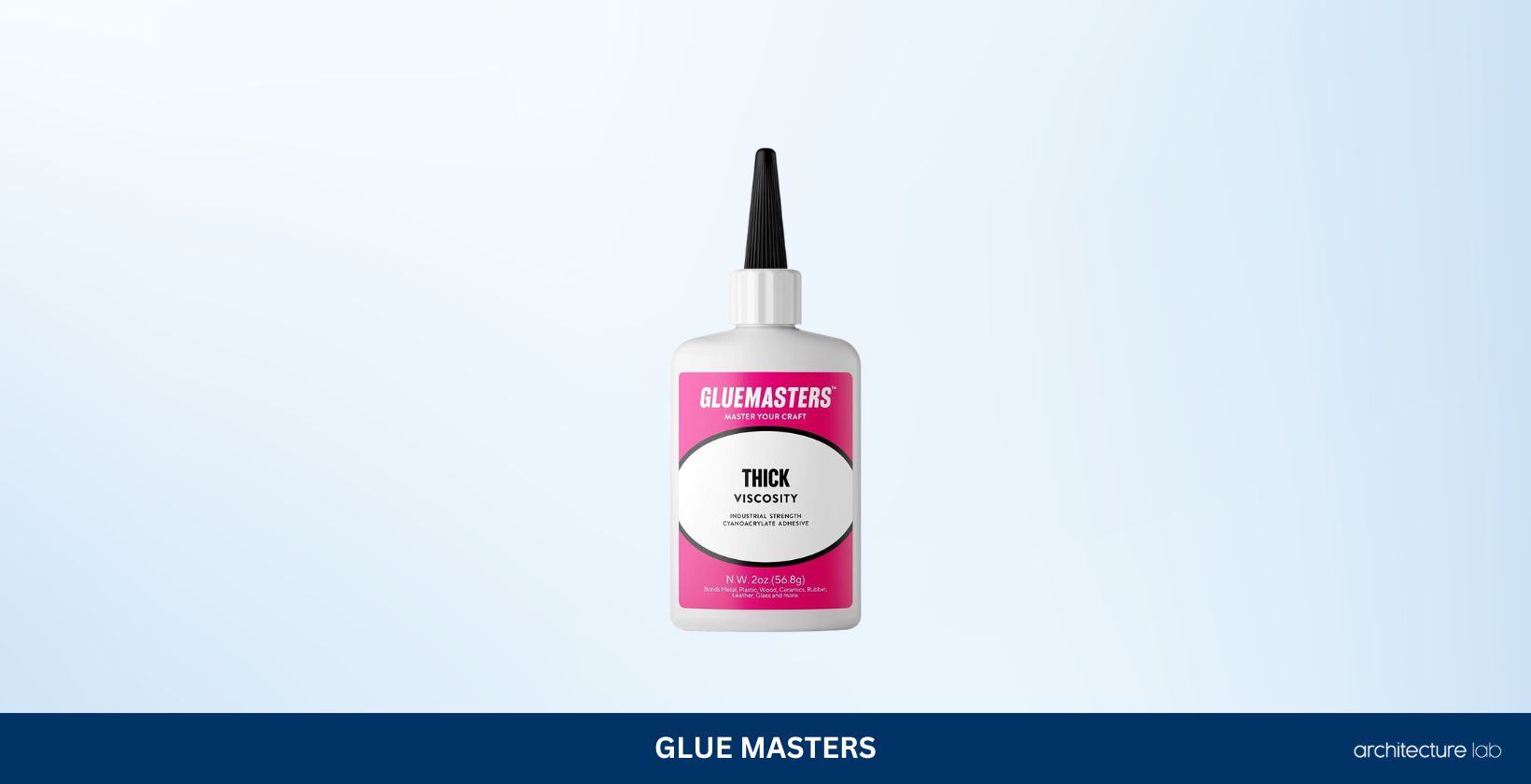
Super Glue (Cyanoacrylate): This is probably the most common go-to for many. It's fast, forms a strong bond, and is readily available. For small repairs on PLA, a good quality super glue, especially one formulated for plastics, can be incredibly effective. The key benefit here is the speed of adhesion; you can often hold pieces together for just a few seconds, and they'll be firmly attached. It’s perfect for quick fixes and detailed work where you don't want a lot of mess or clamping time.
However, super glue can sometimes be a bit brittle itself, meaning if the bond is put under stress, the glue line might snap. Also, it can leave a white residue, sometimes called 'blooming,' which might be undesirable for aesthetic reasons. For larger gaps or if you need a bit more flexibility, it might not be the ideal choice.
The Best Glue for PLA: A Beginner’s Guide
Epoxy Resins: If you need a bond that’s not only strong but also offers some flexibility and can fill larger gaps, epoxy is a fantastic option. Typically a two-part system (a resin and a hardener), epoxy creates a very robust and often waterproof bond. It takes longer to cure than super glue, usually requiring a few minutes to several hours, and often needs some clamping or support while it sets. The advantage of epoxy is its sheer strength and its ability to bond to a variety of surfaces, not just PLA. It’s excellent for structural repairs or when you need a very reliable, long-lasting connection that can withstand more abuse.
The trade-off with epoxy is the cure time and the potential for mess. Mixing the two parts precisely is important for optimal strength, and spills can be tricky to clean up. Some epoxies can also yellow over time, which might affect the appearance of your project.
CA Glue with Accelerator (Activator): This is where super glue gets a power-up! Using a CA accelerator, also known as an activator, alongside your cyanoacrylate glue dramatically speeds up the curing process. Instead of holding pieces together for 30-60 seconds, they can be bonded in literally seconds. This is a game-changer for high-volume production or when you need to bond many small parts quickly. The activator also helps to reduce the blooming effect sometimes seen with super glue.
Best PLA Glues & Step by Step Guide [+ Table]
The benefit of this combination is unparalleled speed and a strong bond. It’s particularly useful for 3D printed parts where precise alignment is crucial and holding them in place for an extended period is difficult. The main consideration is that the bond, like regular super glue, can still be brittle. It also requires you to have both the glue and the activator, adding an extra step to your supplies.
Specialized Plastic Adhesives: You’ll also find glues specifically marketed for plastics. These often work by slightly melting and re-fusing the plastic surfaces together. Brands like Loctite Plastics Bonding System or specialized cement for plastics can be very effective. These adhesives are formulated to bond well with materials like PLA, often creating a very strong and visually appealing bond that can be sanded and painted. The advantage is that they are designed for this exact purpose, minimizing the risk of damaging the PLA. They often offer a good balance of strength, speed, and aesthetics.
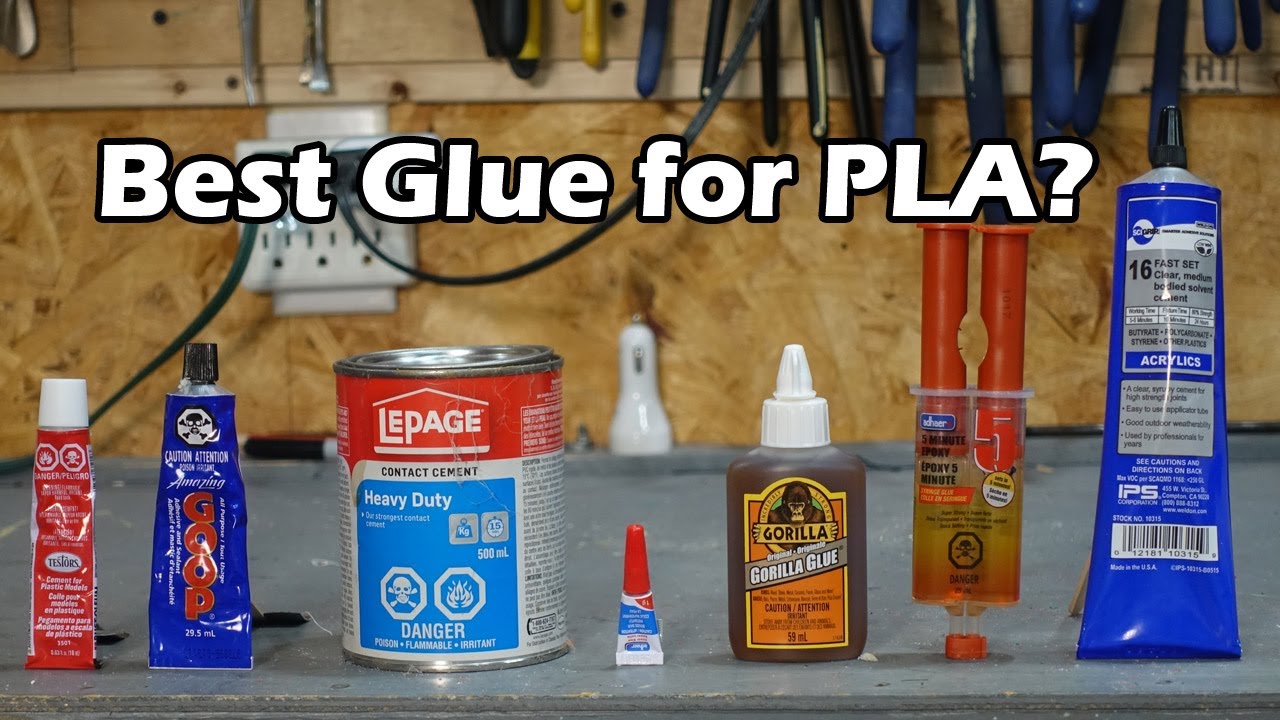
THE Ultimate Glue for 3D Printed PLA - YouTube
The downside is that you might need to experiment to find the one that works best for your specific PLA and application. Some can also release strong fumes, so good ventilation is a must.
Tips for a Perfect PLA Bond
No matter which glue you choose, a few general tips will help you achieve the best results when bonding PLA:
Clean Surfaces are Key: Make sure the surfaces you’re trying to bond are clean, dry, and free of any dust, oil, or old glue residue. A quick wipe with isopropyl alcohol can work wonders.
Test on a Scrap Piece: If you’re unsure how a particular glue will interact with your PLA, always test it on a small, insignificant piece first. This will save you from making a mistake on your main project.
Use Sparingly: A little bit of glue goes a long way, especially with super glues. Too much can squeeze out, create a mess, and weaken the bond.
Proper Clamping/Holding: Ensure the parts are held firmly in place while the adhesive cures. This might involve clamps, rubber bands, or simply holding them by hand for the required time. For epoxies, you might need to support the pieces so they don't shift.
Consider Post-Processing: Once the glue is fully cured, you might want to sand, paint, or finish the area to make the bond even more seamless. Many of these glues can be sanded and painted over once they've set.
Ultimately, the "best" glue for PLA often depends on the specific demands of your project. For quick fixes and detailed work, super glue (especially with an accelerator) is often the champion. For stronger, more structural bonds or when filling gaps, epoxy takes the crown. And for a tailored solution, specialized plastic adhesives are worth exploring. By understanding these options and following some basic bonding principles, you can confidently tackle any repair or assembly task with your PLA creations!



![Best PLA Glues & Step by Step Guide [+ Table]](https://the3dprinterbee.com/wp-content/uploads/2022/07/Glueing-PLA-with-Superglue-4.webp)