What Is The Beam Of A Boat
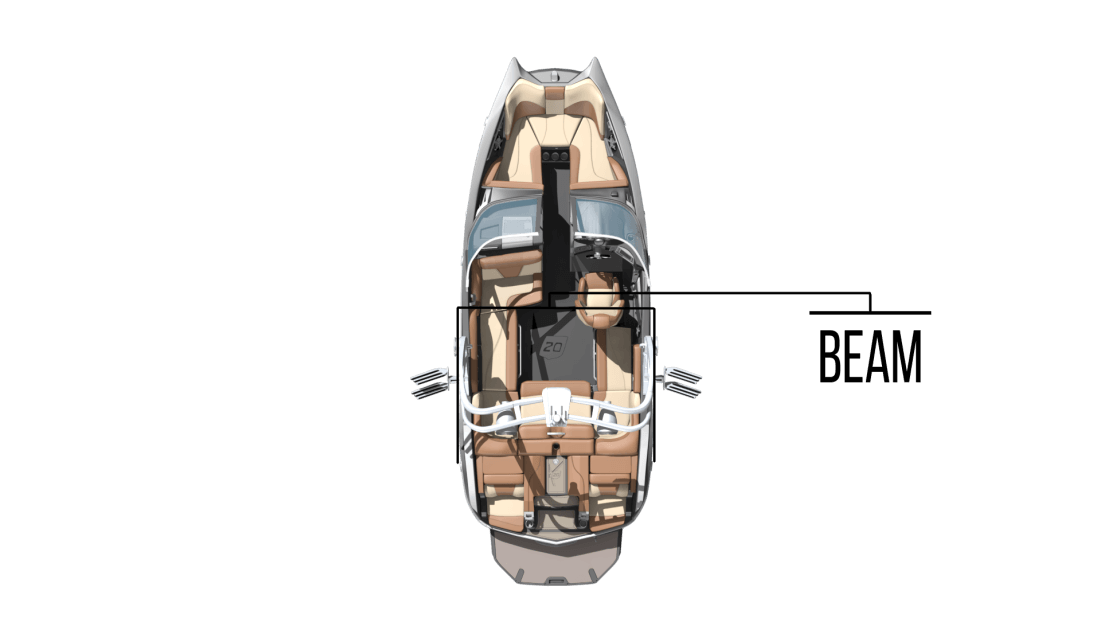
Ever looked at a boat, from a tiny dinghy bobbing in the waves to a majestic yacht slicing through the water, and wondered about its secret sauce? You know, that invisible something that keeps it all together and afloat? Well, my friends, let's talk about the beam of a boat. No, it's not the bright light from a lighthouse (though that's cool too!). The beam is essentially the boat's widest point. Think of it as its natural hip measurement, its glorious girth.
Imagine you're talking about your friend, Barry. Barry's a pretty big guy, right? You'd say he's got a bit of a… well, a substantial presence. The beam of a boat is like that substantial presence. It’s where the boat is at its absolute broadest. It’s the part that dictates a lot about how the boat behaves, how much space you’ve got inside, and even how big a trailer you’ll need to haul it around. It’s a pretty darn important number, even if it sounds a bit simple.
Let's break it down with some everyday analogies, shall we? You know how when you're squeezing through a narrow doorway, you have to turn sideways? That's because you have a certain width, a personal beam, if you will. If you're all lanky and thin, you can probably waltz through without a second thought. But if you're built like a friendly bear who enjoys a good buffet, you might have to do a little shimmy. A boat is no different. Its beam determines how easily it can navigate tight spots, like marinas or narrow canals. A skinny boat has a narrow beam, making it zippy and nimble. A wide-beamed boat might feel a bit more like trying to park a minivan in a compact car spot – doable, but you need to be more careful!
Must Read
Think about your car, too. The width of your car, from side mirror to side mirror, is its beam. You wouldn't want to try and parallel park a bus in a spot designed for a Smart car, would you? The beam is that critical measurement that tells you if you're going to scrape something. On a boat, a wider beam generally means more stability. It’s like having a wider stance when you’re trying to balance on a slippery surface. The broader you are, the harder it is to tip over. This is why those big, sturdy fishing boats or ferries often have a generous beam – they need to be able to handle choppy seas without feeling like they're about to do a somersault.
So, why is this “beam” thing so important? Well, it’s not just about aesthetics, though some boats do look undeniably stylish with a certain beam. It has a huge impact on the boat's stability. A wider beam, as we’ve touched upon, means more stability. Imagine standing on one leg versus standing with both feet planted wide apart. Which one feels more secure? That's your beam at play! A boat with a wide beam is like a seasoned dancer with perfect balance. It can lean into turns or ride out waves with grace and confidence. It’s less likely to feel like it’s going to flip over when a big wave comes calling.
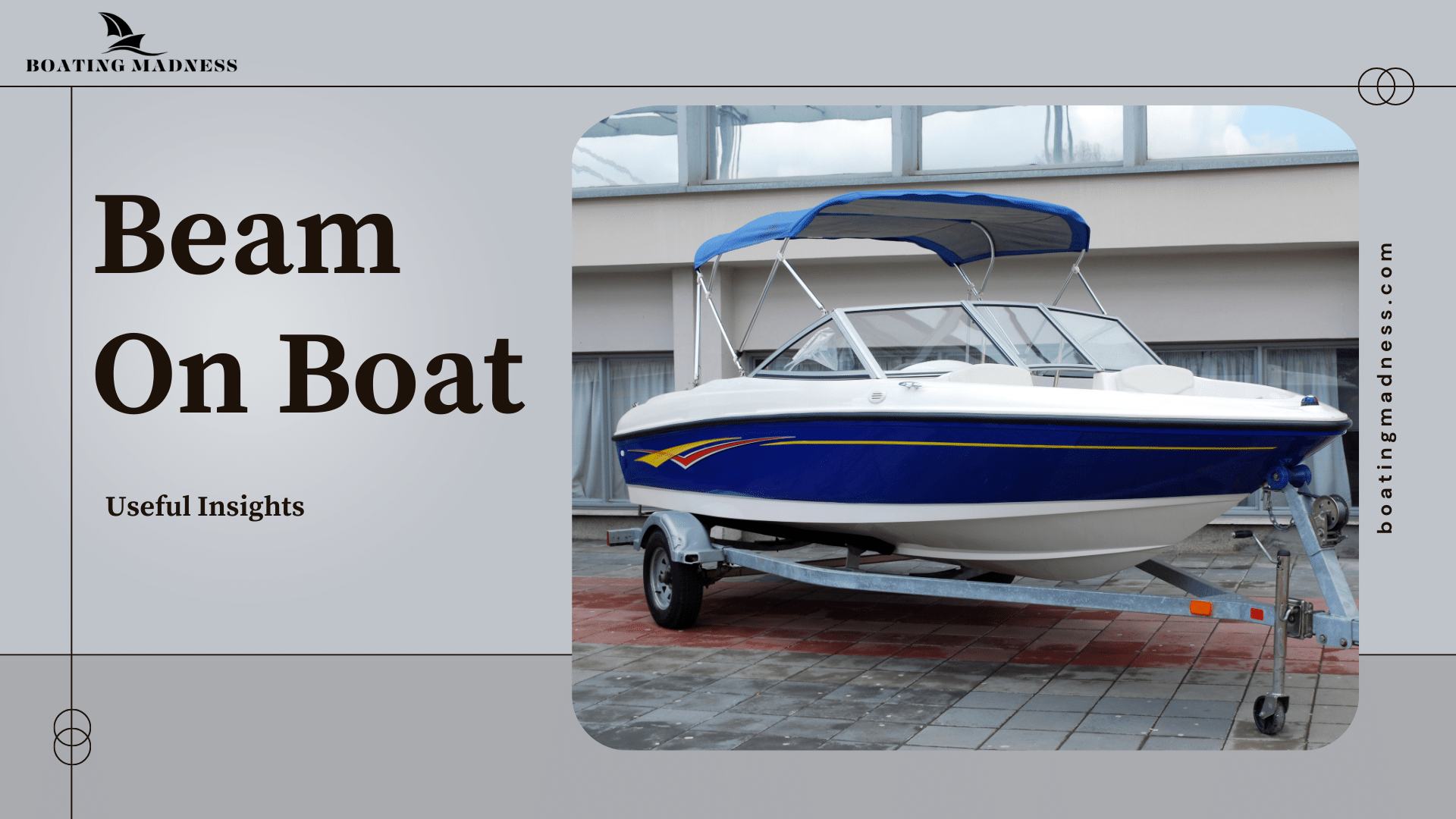
On the flip side, a narrow beam can make a boat faster. Think of a racehorse – sleek, lean, and built for speed. A boat with a narrow beam has less resistance against the water. It’s like trying to run through water with your legs spread wide versus keeping them together. You’ll go faster with them together, right? So, if speed is the name of the game, you might see boats with a more slender beam. These are the athletes of the nautical world, built for pure performance.
But here’s where it gets really interesting. The beam isn’t just one static number. It can actually change depending on the boat's design. Some boats are designed to be widest right in the middle, like a well-fed cat lounging in the sun. Others might have a more U-shaped hull where the beam is more consistent for a larger portion of the boat. And then there are those fancy ones that flare out at the top, almost like a trumpet – that’s a wider beam up higher, which can add even more stability and deck space. It’s like some people have a consistent waistline, while others have more of an hourglass figure. Boats can have their own unique shapes!
Let's talk about space. The beam of a boat directly influences how much room you have inside the hull. Think about the interior of your home. If your living room is narrow and long, it can feel a bit cramped, right? But if it's wider, you can spread out, fit more furniture, and really feel comfortable. The same applies to a boat. A boat with a wider beam will generally have more living space, more room for berths (those cozy sleeping bunks), a galley (that's the boat's kitchen, for you landlubbers), and a head (the boat's bathroom – don’t be shy!). So, if you're planning on long cruises with the family, or you just like to stretch out and feel like you're not living in a shoebox, a wider beam is probably going to be your best friend.
![Boat Beam [What Is It and Its Relation to A Boat's Stability]](https://boatinggeeks.com/wp-content/uploads/2020/10/beam-on-a-boat.jpg)
You might have heard terms like "beam at the widest point" or "maximum beam." These are basically telling you the same thing: where the boat is at its absolute broadest. It’s like when you’re measuring your waist for a pair of trousers – you measure at the widest part of your midsection. Boats are measured in a similar, though perhaps more scientific, way. The beam is a crucial specification when you’re looking at boat plans, when you’re comparing different models, or even when you’re trying to figure out if your new boat is going to fit in your garage (a common, and sometimes hilarious, problem for boat owners!).
Consider the different types of boats and how their beams might reflect their purpose. A sleek racing sailboat? Likely a narrower beam for speed. A sturdy trawler designed for long-distance cruising in rough weather? Probably a wider beam for stability and comfort. A nimble speedboat for zipping across lakes? Might have a moderate beam, balancing speed with a bit of stability. It’s all about trade-offs, just like choosing between a sports car and an SUV. One prioritizes agility, the other prioritizes carrying capacity and a smoother ride over bumps.
![Boat Beam [What Is It and Its Relation to A Boat's Stability]](https://boatinggeeks.com/wp-content/uploads/2020/10/what-is-the-beam-of-a-boat.jpg)
Have you ever been on a boat that felt a bit tippy? Like you had to hold onto something every time someone walked across? That boat might have had a narrower beam relative to its length and height. Conversely, a boat that feels incredibly planted, even in choppy water, probably has a healthy beam contributing to its stability. It’s that reassuring feeling of being grounded, even when you’re floating on a giant body of water.
It's also worth noting that the beam isn't always measured at the waterline. Sometimes, the widest point of the boat might be higher up. This is particularly true for boats with flared hulls, where the sides curve outwards as they go up. This flare can increase stability and also add more deck space. It’s like a dress that’s fitted at the waist and then flares out at the skirt – more room to move and a nice silhouette!
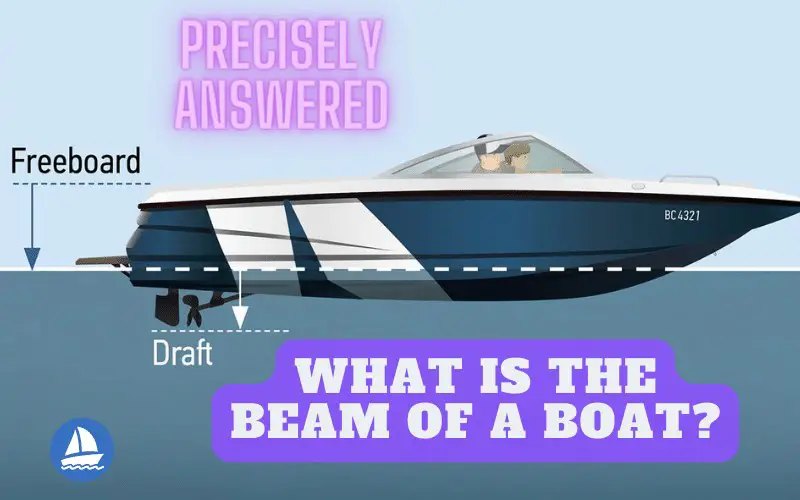
Let's get a little technical for a second, but keep it fun. Boat designers use the beam in conjunction with other measurements, like the length of the boat (its LOA – Length Overall) and its draft (how deep it sits in the water), to calculate things like a boat's displacement. Displacement is essentially how much water the boat pushes out of the way, which is directly related to its weight and buoyancy. A wider beam can contribute to a larger displacement, meaning the boat is heavier and sits lower in the water, or it can be used to distribute weight more evenly, making it more stable. It’s like how a wider person will naturally displace more water than a thinner person – simple physics, but important for boats!
![Boat Beam [What Is It and Its Relation to A Boat's Stability]](https://boatinggeeks.com/wp-content/uploads/2020/10/boat-beam.jpg)
Think about sailing. When a sailboat leans over in the wind (that’s called "heeling"), a wider beam provides a greater lever arm for stability. The boat has more resistance to being pushed further over. Imagine trying to push over a pyramid versus a tall, skinny obelisk. The pyramid, with its wide base, is much harder to topple. The beam is that wide base for the boat.
And what about docking? Trying to maneuver a wide boat into a tight slip can be a bit of a nail-biter. You're constantly checking those "clearances," making sure you're not about to kiss the neighbor's gelcoat. A narrower beam makes this a bit easier, giving you a bit more breathing room. It’s like trying to do a three-point turn in a compact car versus a delivery truck. The truck driver has to be a lot more precise!
So, the next time you’re admiring a boat, whether it’s at a marina, in a movie, or just a picture online, take a moment to consider its beam. Is it sleek and slender, built for speed? Or is it broad and sturdy, a picture of stability? It’s more than just a measurement; it’s a key characteristic that defines how a boat looks, how it feels, and what it’s designed to do. It’s the boat’s personality, its proportions, its very essence in a way. And understanding it, even in a simple, everyday way, can make you appreciate these magnificent vessels just a little bit more. It’s like understanding why your friend Barry is so good at giving big, comforting hugs – it's all about his generous beam!