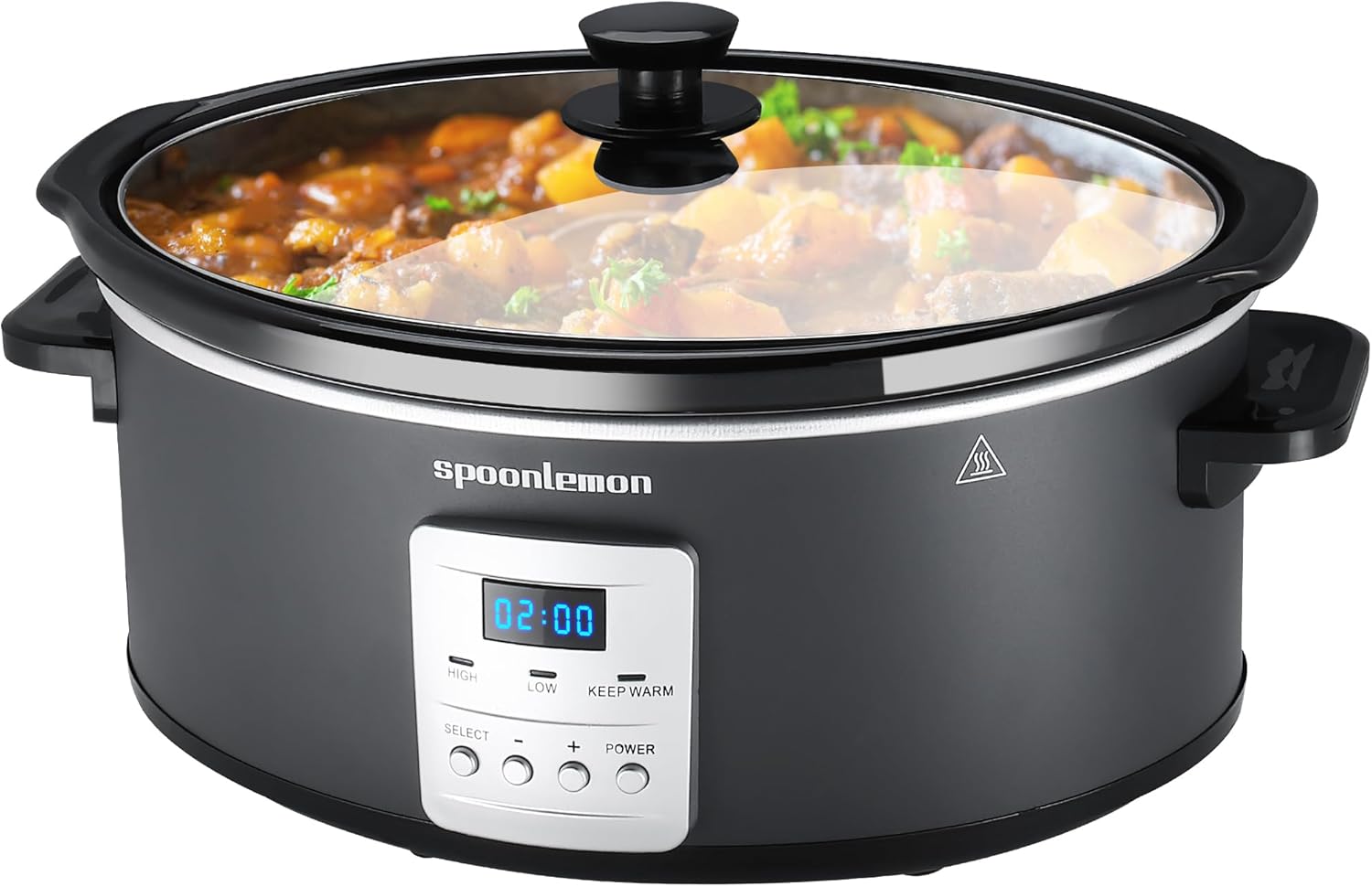
What Is Low Temp On Crock Pot

So, you've got this Crock-Pot, right? That magical slow cooker that promises culinary wonders with minimal effort. But then you look at the settings, and there it is: "Low". What’s the deal with that? Is it just, like, a suggestion? Or does it actually do something?
Let's be real, sometimes those dials on kitchen appliances can feel a little… mysterious. Like a secret code for gourmet chefs. But the Crock-Pot's Low setting? It's actually one of its best friends. Think of it as your culinary chill-out zone.
The "Low" Down on Low Heat
Alright, so what exactly is "Low" on your beloved Crock-Pot? It’s not exactly a science experiment, but it’s definitely more than just a casual wave of warmth. Basically, the Low setting is designed to cook your food slowly and gently. We're talking temperatures that hover around 190°F to 200°F (88°C to 93°C). Not exactly a roaring boil, is it? More like a very enthusiastic simmer that decided to take a spa day.
Must Read
This is where the magic happens, folks. Unlike the "High" setting, which is more like a speedy sprint to dinner, "Low" is your marathon runner. It takes its sweet time, letting all those flavors meld and deepen. Ever wonder why your grandma’s pot roast was so ridiculously tender? Chances are, it spent a long time basking in the gentle glow of a Low setting.
Why Bother With Low?
You might be thinking, "But why would I want to wait longer for my food?" Oh, my friend, let me tell you. The benefits are huge. For starters, tenderness is the name of the game here. Tougher cuts of meat, the kind that might make your jaw do some serious work on the High setting, become melt-in-your-mouth deliciousness on Low. Think chuck roast, brisket, even some pork shoulders. They just… surrender to the slow heat. It’s beautiful, really.
And the flavors! Oh, the flavors! When food cooks slowly, all those aromatic compounds have time to develop and mingle. They don't get zapped away by intense heat. It’s like letting a good wine breathe, but for your dinner. You get a much richer, more complex taste profile. Your chili will taste like it’s been simmering for days (even if it hasn’t!), and your stews will be packed with depth. It’s like a flavor party where everyone’s invited and no one’s in a rush.
Plus, it's ridiculously forgiving. Ever worried about overcooking something? On Low, it’s much harder to go wrong. You can leave it for hours and hours, and it will still be perfect. It’s the appliance equivalent of a gentle hug. It’s not going to judge you if you get distracted by that latest cat video or forget to stir for an hour. It’s just there, doing its thing, keeping your food warm and delicious.

The Time Factor: Low and Slow is the Way to Go
So, how long are we talking here? When you choose the Low setting, you’re generally looking at cooking times of 6 to 10 hours. Yes, that's a while. But here’s the secret sauce: you can often just set it and forget it. Wake up, pop your ingredients in, set the dial, and then come home to a house that smells amazing. It’s like having a personal chef who works for free and never complains about the washing up.
Think about it: you leave for work, and your dinner is already cooking itself. You come home after a long day, and instead of facing a frantic scramble to make something edible, your meal is practically waiting for you, perfectly cooked and ready to be devoured. It’s a weeknight warrior’s best friend. It takes the stress out of meal prep, leaving you with more time for, well, whatever it is you do when you’re not admiring your Crock-Pot’s handiwork.
When is Low the Real MVP?
There are definitely certain dishes that shine on the Low setting. If you’re making pulled pork? Low is your absolute best friend. That pork shoulder will shred itself with a fork after a good long stint on Low. Beef stew? Absolutely. Those root vegetables and chunks of beef will become incredibly tender and flavorful. Even soups and chilis benefit from the extended, gentle cooking time. They develop a richness that you just can't achieve with a quick boil.
And let's not forget about beans! If you're cooking dried beans from scratch (bravo, by the way!), the Low setting is your secret weapon for achieving that perfect, creamy texture without them turning to mush. It’s a delicate balance, and Low nails it. Seriously, it’s like the Crock-Pot’s own personal culinary assistant, whispering sweet nothings of slow-cooked perfection into your ingredients.

Low vs. High: The Eternal Crock-Pot Debate
Okay, so we’ve sung the praises of Low. But what about High? When should you use that one? Think of High as your "I need dinner now" setting. It cooks food much faster, usually in 3 to 4 hours. It’s great for smaller cuts of meat, or when you're in a pinch for time. If you’ve forgotten to start your meal in the morning, High can be a lifesaver.
However, here’s the catch. While High is faster, it’s also less forgiving. You’re more likely to end up with dry or tough food if you’re not careful. It’s like a high-speed chase – thrilling, but you might end up with a few bumps and bruises. Low, on the other hand, is more of a leisurely scenic drive. Smoother, more relaxing, and you arrive at your destination (delicious food!) in one piece.
For things like chicken breasts, High can actually be a good option, as they cook relatively quickly. But even then, if you have the time, Low will often yield a more tender result. It’s all about the patience. And in our fast-paced world, patience can feel like a superpower. Thankfully, your Crock-Pot can help you harness it for delicious purposes.
When in Doubt, Go Low
Honestly, if you’re ever unsure about which setting to use, 90% of the time, Low is the way to go. It’s the default setting for a reason. It’s designed to bring out the best in your ingredients with minimal fuss. It's the reliable friend who’s always there for you, ready to whip up something amazing without asking for anything in return. Well, except maybe a little bit of your time.

Think of it this way: High is for when you're in a hurry. Low is for when you want the best possible outcome. It’s the difference between a quick snack and a gourmet meal. Which one do you want to be serving to your family and friends? I thought so. The Low setting is your ticket to effortless deliciousness. It’s your culinary comfort blanket. It’s the unsung hero of your kitchen.
Tips and Tricks for Mastering Low
So, how can you really get the most out of your Crock-Pot’s Low setting? A few little tricks can make all the difference. First off, don't overfill your Crock-Pot. It should be about two-thirds full for optimal cooking. Too much food, and it won't heat evenly. Imagine trying to pack for a vacation with too many clothes – it’s just going to be a mess, right? Same principle applies here.
Secondly, browning your meat before you put it in can add a whole other layer of flavor. It's an extra step, sure, but trust me, it’s worth it. That little bit of caramelization is pure gold. It’s like giving your meat a little pre-game pep talk before its long journey on the Low setting. It’s ready to bring its A-game to the party.
And finally, resist the urge to peek! Every time you lift that lid, you’re letting precious heat escape. It’s like opening the door to your cozy house on a cold day – you lose all that warmth! Try to keep the lid on as much as possible. Your Crock-Pot is doing its thing, don’t interrupt its flow.

Don't Forget the Liquids!
A crucial aspect of Crock-Pot cooking, especially on Low, is ensuring you have enough liquid. Since the lid stays on for so long, things don't evaporate as much as they would on the stovetop. However, you still need enough liquid to keep everything moist and to help the cooking process. Think of it as providing a spa bath for your food! You don't want it to dry out and get grumpy.
Generally, you'll want to add about half to two-thirds the amount of liquid you'd use for stovetop cooking. For stews and braises, this is especially important. Broth, water, wine, tomato sauce – whatever your recipe calls for! This liquid helps to create steam, which then circulates and cooks your food evenly. It's like a self-watering system for your dinner. Genius, right?
The Takeaway: Embrace the Slow
So, there you have it. The mystery of the Crock-Pot's Low setting is no more! It’s your invitation to a world of tender, flavorful, and ridiculously easy meals. It’s your permission to step away from the stove and let technology do the hard work. It’s your secret weapon for weeknight dinners and weekend feasts alike.
Next time you’re staring at that dial, don’t be intimidated. Embrace the "Low." Let it work its magic. Your taste buds will thank you, your schedule will thank you, and your inner chef (who’s probably a bit lazy, let’s be honest) will absolutely thank you. It’s the slow and steady approach to culinary greatness. And who doesn't love a little bit of slow and steady in their life? Especially when it leads to something so utterly delicious.
So go forth and slow cook! Experiment with those tough cuts of meat, create those soul-warming stews, and enjoy the incredible convenience. The Low setting is your culinary bestie, and it’s ready to make your life a whole lot tastier. Now, if you'll excuse me, I think I smell something delicious… probably coming from my own Crock-Pot. Happy cooking!