What Is An Acid And An Alkali

Okay, let's talk about something that sounds super science-y but is actually hiding in your kitchen and your medicine cabinet. We're talking about acids and alkalis. You might remember these from school, a bit like that pop quiz you totally forgot about.
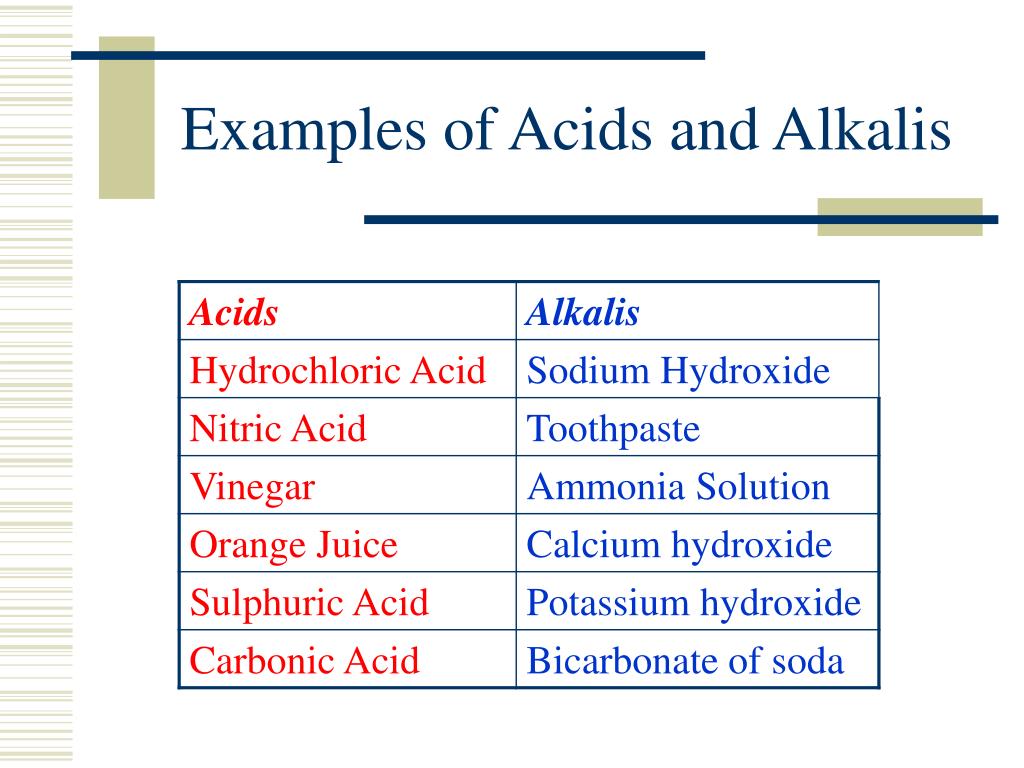
Think of acids like the sour pusses of the chemical world. They're the ones that make your tongue pucker up. Lemon juice? Definitely an acid. Vinegar? Oh yeah, that's an acid too. It's like they have a permanent "meh" face.
And the fun part? Some acids are actually pretty mild and delicious! Like the ones in your favorite fruits. They give things that zing, that burst of flavor. Others? Well, let's just say you don't want to be friends with those without some serious protection.
Must Read
These guys are known for being a little bit… well, reactive. They like to mix things up. They can dissolve certain things, which is super handy for cleaning. But it also means you shouldn't go pouring them on your favorite rug. Just a little friendly advice.
Now, alkalis are the opposite. They're like the chill ones. The laid-back friends who are always ready to neutralize things. Think of them as the calming presence in a chaotic chemical party. They're sometimes called bases, which sounds a bit like "basic," and in a good way!
Soap is a classic example of an alkali. Ever notice how soap feels a bit slippery? That's the alkali at work, making it good at cleaning away all that greasy gunk. It’s like the ultimate de-stickifier.
Baking soda, that stuff you use to make cakes fluffy? Yep, that's an alkali too. It's a mild one, thankfully. You can even put a little bit on a bee sting to calm it down. See? Practical!
So, if acids are the sourpusses, alkalis are the smooth operators. They’re often a bit bitter, not usually something you’d want to taste on their own. But their magic happens when they meet their chemical opposites.
This is where the real party starts. When an acid and an alkali get together, something interesting happens. They kind of cancel each other out. It's like a chemical truce. This process is called neutralization.
Imagine an acid is super energetic and jumping around, and an alkali is super calm and sitting on the couch. When they interact, they both sort of settle down. The wild energy of the acid gets balanced by the calming nature of the alkali.
This neutralization is pretty important. It happens in our stomachs! We have acid in our stomachs to digest food. Sometimes, that acid gets a little too enthusiastic, leading to that uncomfortable feeling we call heartburn.
And what do we often reach for when we have heartburn? An antacid. Guess what an antacid is? You got it! It's an alkali. It swoops in to neutralize the excess acid. It's like a tiny chemical bodyguard for your tummy.
It’s a bit like a seesaw. If one side is down (too much acid), you add weight to the other side (alkali) to bring it back to the middle. The middle ground is neutral, like pure water.
So, how do we know if something is an acid or an alkali? We use something called an indicator. Think of it like a mood ring for chemicals. These indicators change color depending on whether they're in an acid or an alkali.
One famous indicator is litmus paper. It's like a little strip of colored paper that takes a dip in your mystery liquid. If it turns red, you've likely got an acid. If it turns blue, congratulations, you’ve found an alkali!
Another cool indicator comes from nature: red cabbage juice. Yep, boiling red cabbage and using the water can give you a fantastic, homemade indicator. It can turn shades of pink, purple, and even green or blue depending on what you mix it with. It’s like having a science experiment that doubles as a colorful art project.
Now, not all acids and alkalis are created equal. Some are super weak, like the ones in our food. They're generally safe and even beneficial. You can nibble on a lemon without fear.
But then there are the strong ones. We’re talking about things like battery acid or drain cleaner. These are the "stay away" chemicals. They are very, very powerful and can cause serious harm. They're the bullies of the chemical world.
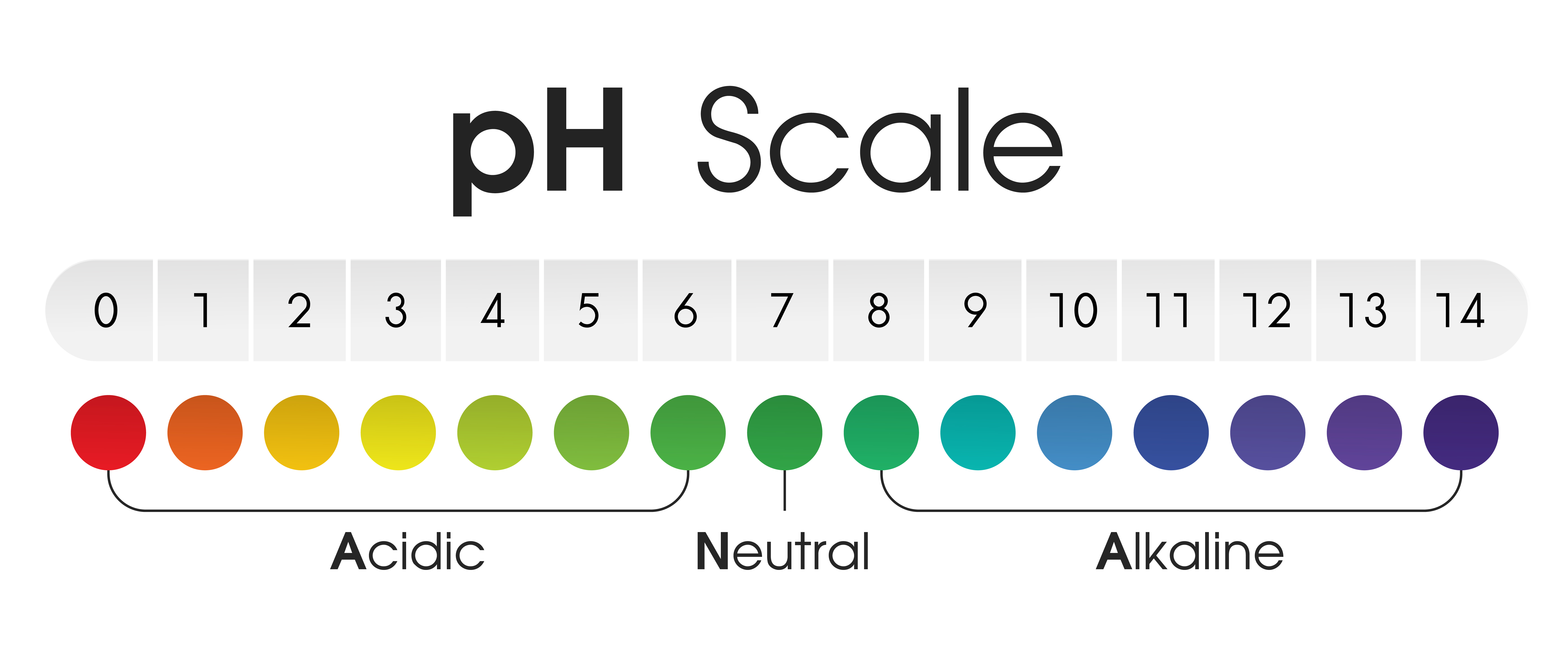
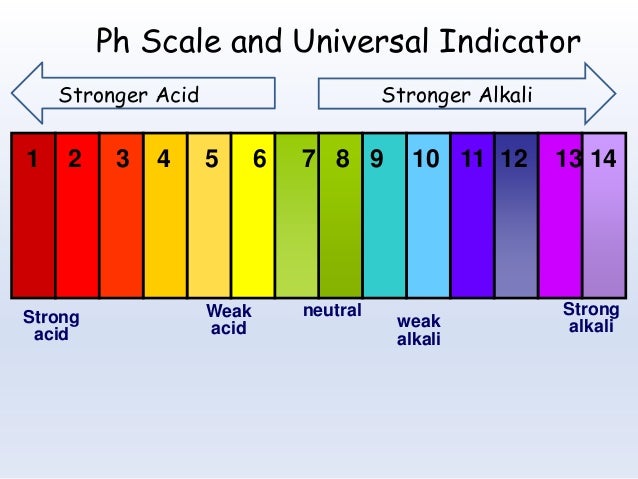
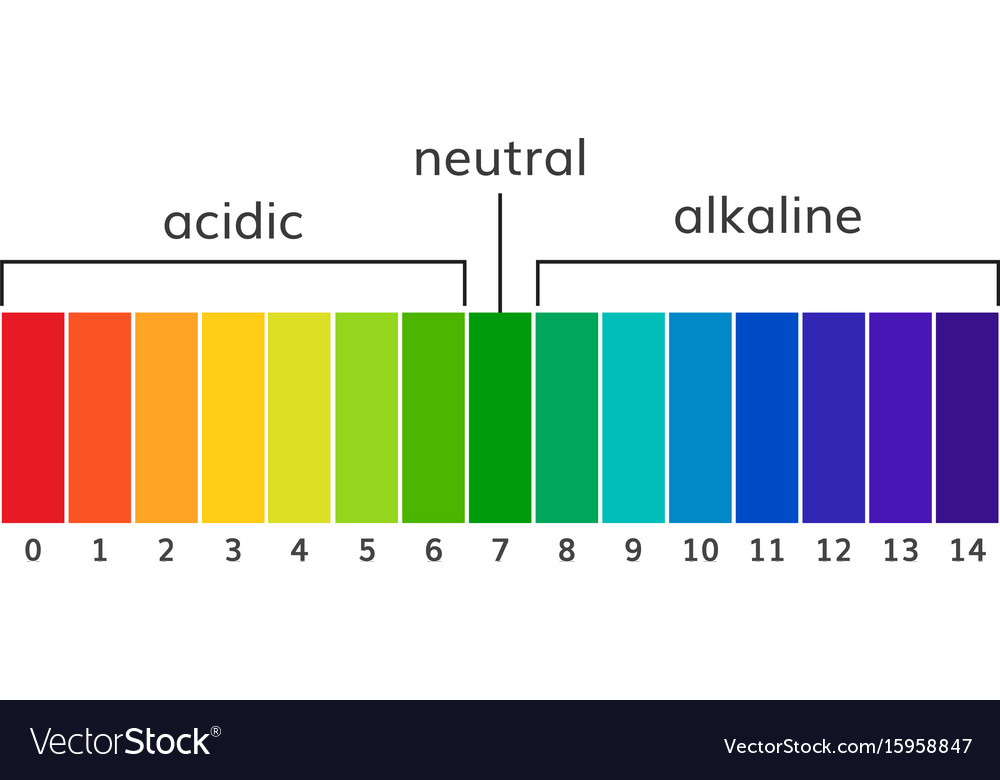
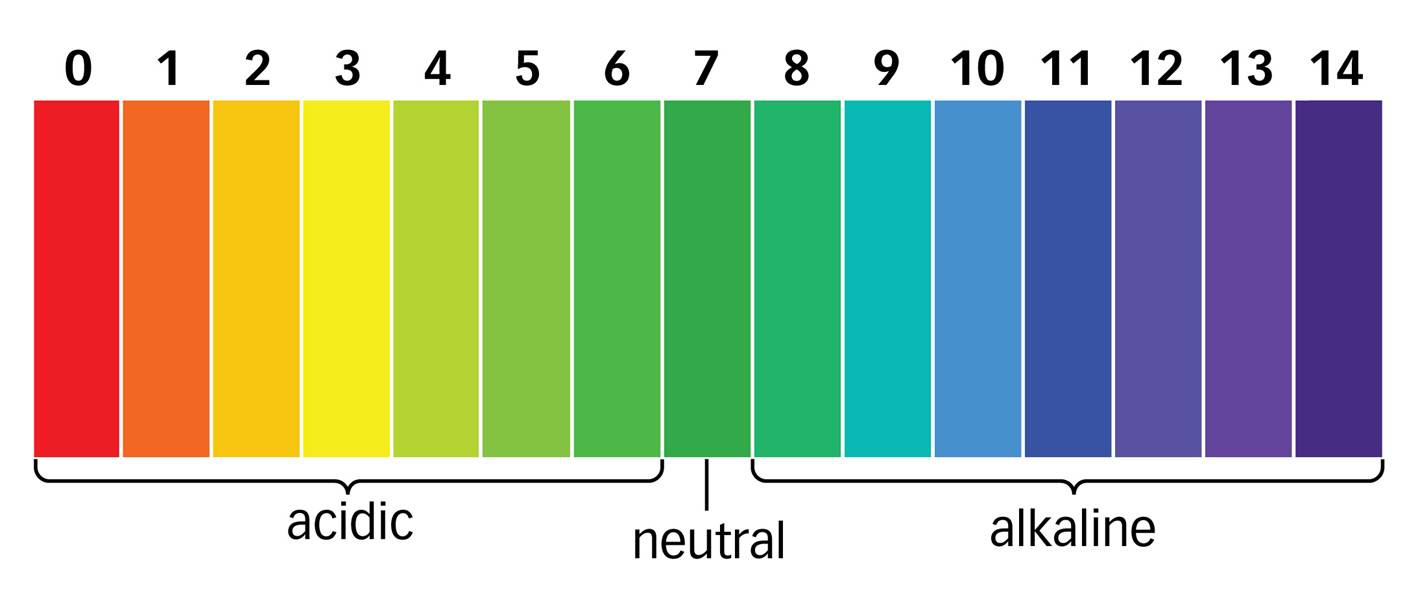
The strength of an acid or alkali is measured on something called the pH scale. This scale goes from 0 to 14. Numbers below 7 are acidic. Numbers above 7 are alkaline. And right in the middle, at 7, is neutral.
So, battery acid might be down at a pH of 0 or 1. Super acidic, very dangerous. Drain cleaner might be up at a pH of 13 or 14. Super alkaline, also very dangerous. Pure water sits comfortably at pH 7.
Vinegar is typically around a pH of 2 or 3. It’s acidic enough to be useful for cleaning and cooking, but not so strong that it’ll melt your face off. Lemon juice is similar, maybe a bit higher on the scale.
Soap, on the other hand, might have a pH of around 9 or 10. It’s alkaline, which is why it’s good at cutting through grease. Baking soda dissolved in water is also in the alkaline range.
It's fascinating how these simple properties play such a big role in our lives. From making our food taste good to helping us clean our homes and even soothing our upset stomachs, acids and alkalis are all around us. They’re the unsung heroes of everyday life.
Sometimes, I think people get scared of the words "acid" and "alkali" because they sound so intimidating. But really, they're just parts of the chemical language that describes how different substances behave. It’s like learning that "happy" and "sad" are just ways to describe how someone is feeling.
My unpopular opinion? We should all be a little more curious about the chemistry happening around us. It's not about becoming a mad scientist. It’s about understanding the world a bit better, with a smile.
So next time you squeeze a lemon, reach for the soap, or even just drink a glass of water, take a moment to appreciate the acids and alkalis at play. They’re the silent, sometimes sour, sometimes slippery, but always fascinating components of our universe. They make life, well, more interesting. And a little bit cleaner.
And remember, when in doubt, check the pH. Or just don’t go tasting unknown liquids. That’s the safest bet, acid or alkali. Let’s keep our taste buds intact for the delicious, neutral foods.
It's a wild world out there, chemically speaking. But with a little understanding, it becomes a lot less intimidating and a lot more entertaining. Just remember: acids pucker, alkalis soothe, and together they find their happy medium. Science, but make it fun.