What Is A Wishbone On A Car
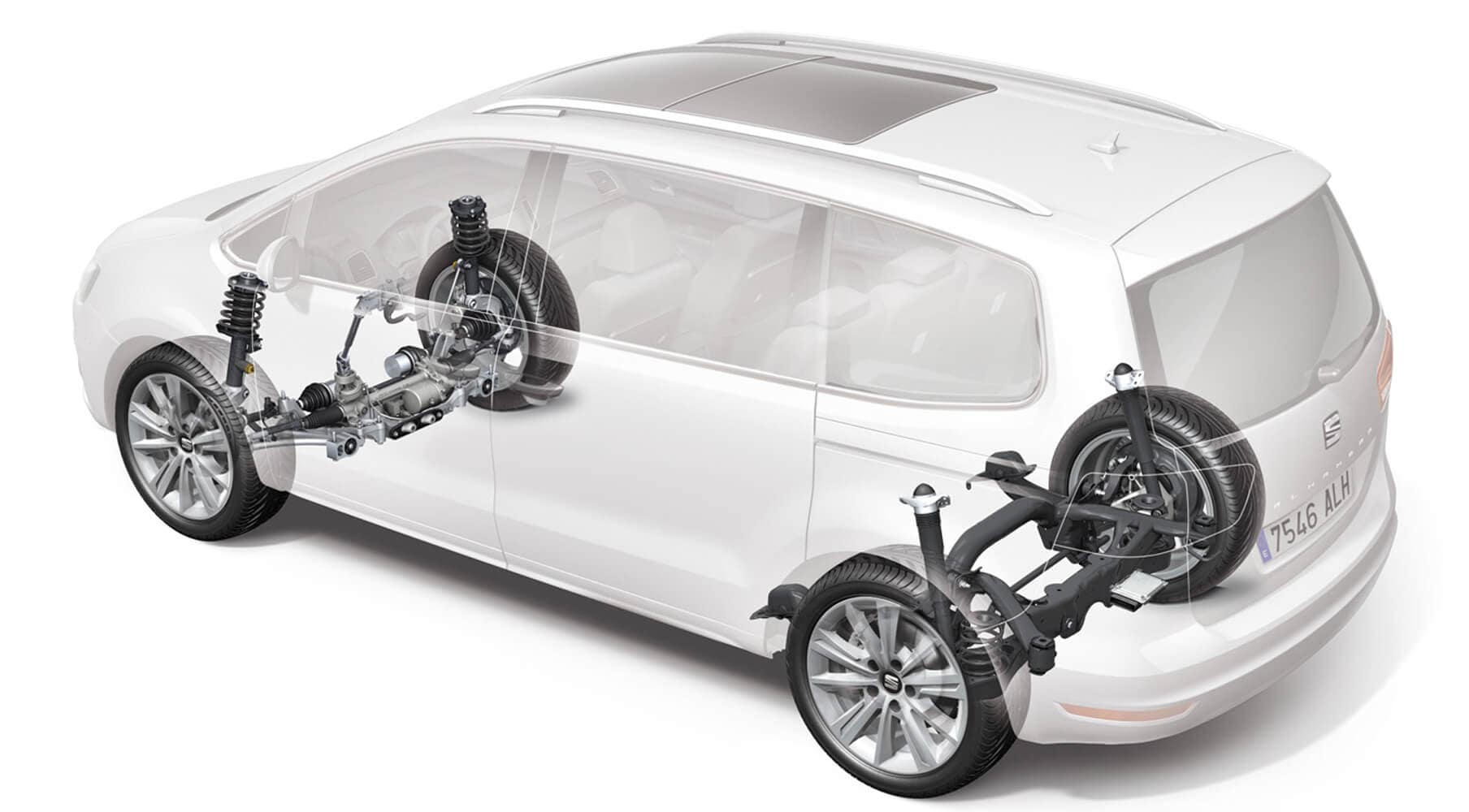
Hey there! Grab your coffee, let's chat about something a little… weird. Ever looked under your car and seen a funny-shaped metal thing? Yeah, me too. It’s not some alien artifact, I promise. It's called a wishbone, and honestly, it’s kind of a big deal.
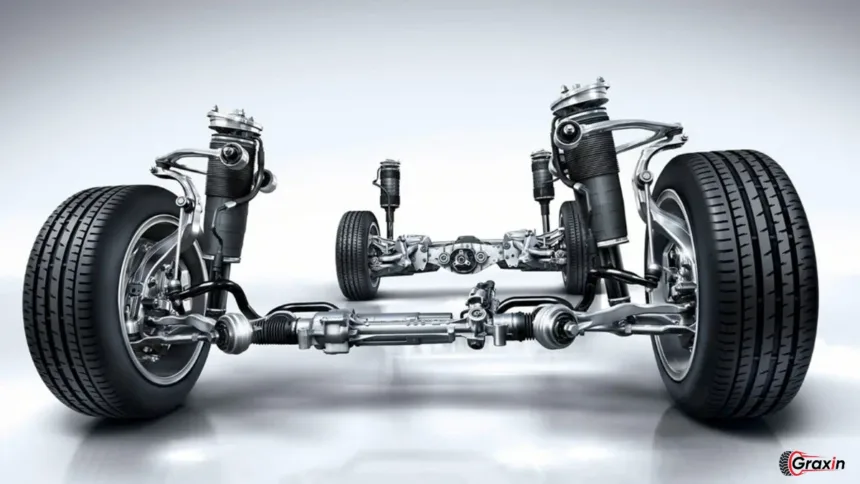
So, what exactly is this thing? Picture this: you’re driving, right? Your wheels are doing their thing, turning, bouncing, you know, the whole shebang. But how do they stay attached? How do they move up and down without just flopping around like a fish out of water? That’s where our friend, the wishbone, comes in.
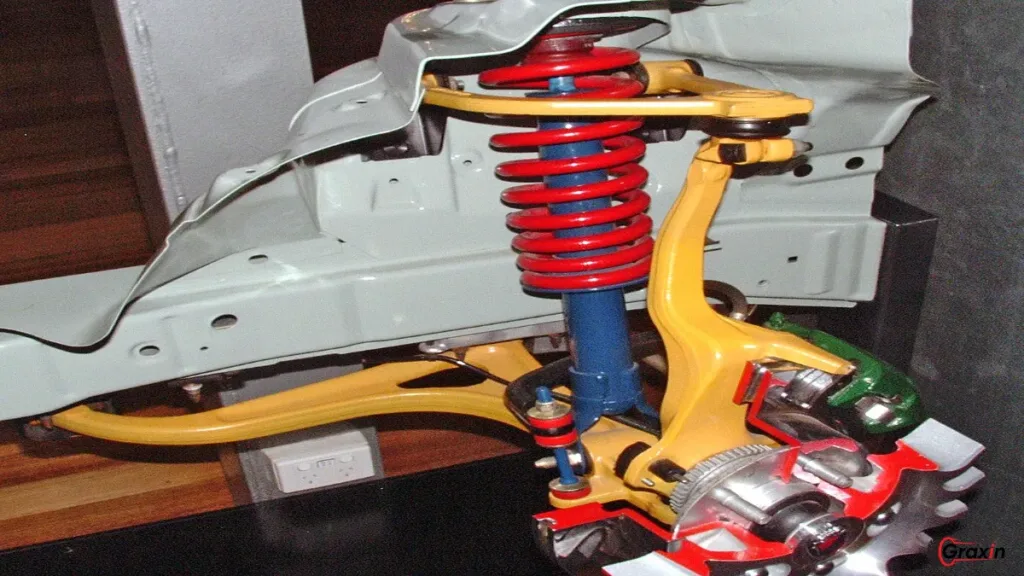
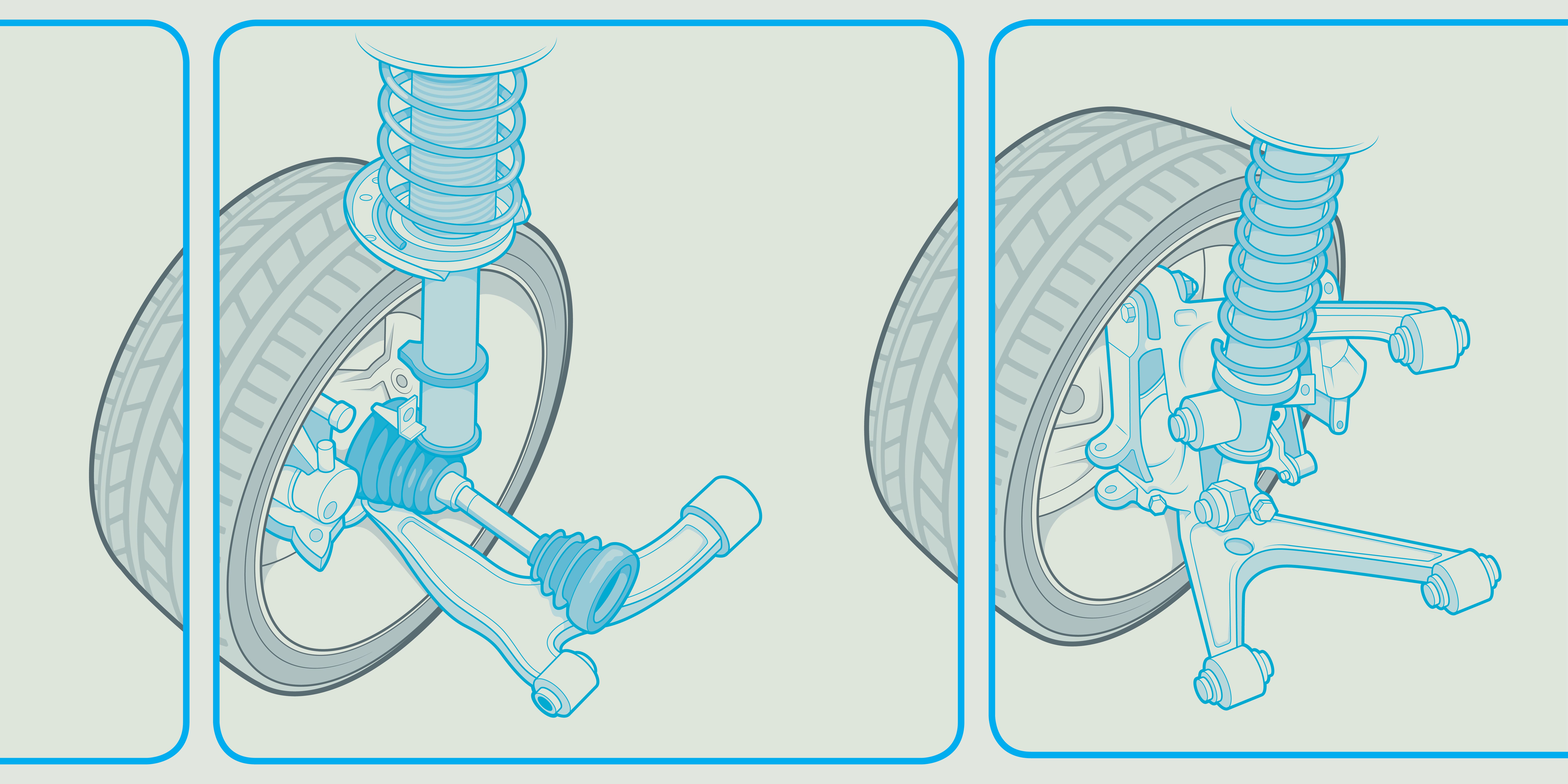
Think of it like an arm. A really sturdy, metal arm. It connects your wheel hub – that’s the part the wheel actually spins on – to the car’s frame. Pretty simple, right? But it’s how it connects, and how it's shaped, that makes it work its magic.
Must Read
It’s usually shaped kind of like… well, a wishbone. Like the one you break after Thanksgiving dinner with your sibling, hoping for the best possible future. Except, this one is way more crucial. If you break this one, your future driving around is looking pretty grim, my friend.
Now, you won’t just find one wishbone. Oh no, cars are fancy. They usually have a pair of them. One on top, and one on the bottom. This creates what we call a control arm, or sometimes an A-arm because, you guessed it, it often looks like the letter ‘A’. How clever are these car engineers, am I right?
Why two? Well, it’s all about stability and control. These arms allow the wheel to move up and down, following the bumps and dips in the road. You know, so you don’t feel every single pebble as if it were a boulder. But they also keep the wheel pointing in the right direction. It’s like having a very strong, very helpful hug for your wheel.
The Wishbone’s Superpowers: What Does It Actually Do?
Okay, so we know it holds the wheel. But what else? This little guy is doing a lot more than just hanging out. It’s basically the unsung hero of your car’s suspension system.
First off, it's all about suspension. When your tire hits a bump, the wishbone allows that wheel to move upwards. This absorbs the shock, preventing it from jarring your entire car and, more importantly, your back. Without them, every pothole would feel like a minor earthquake. Ouch.
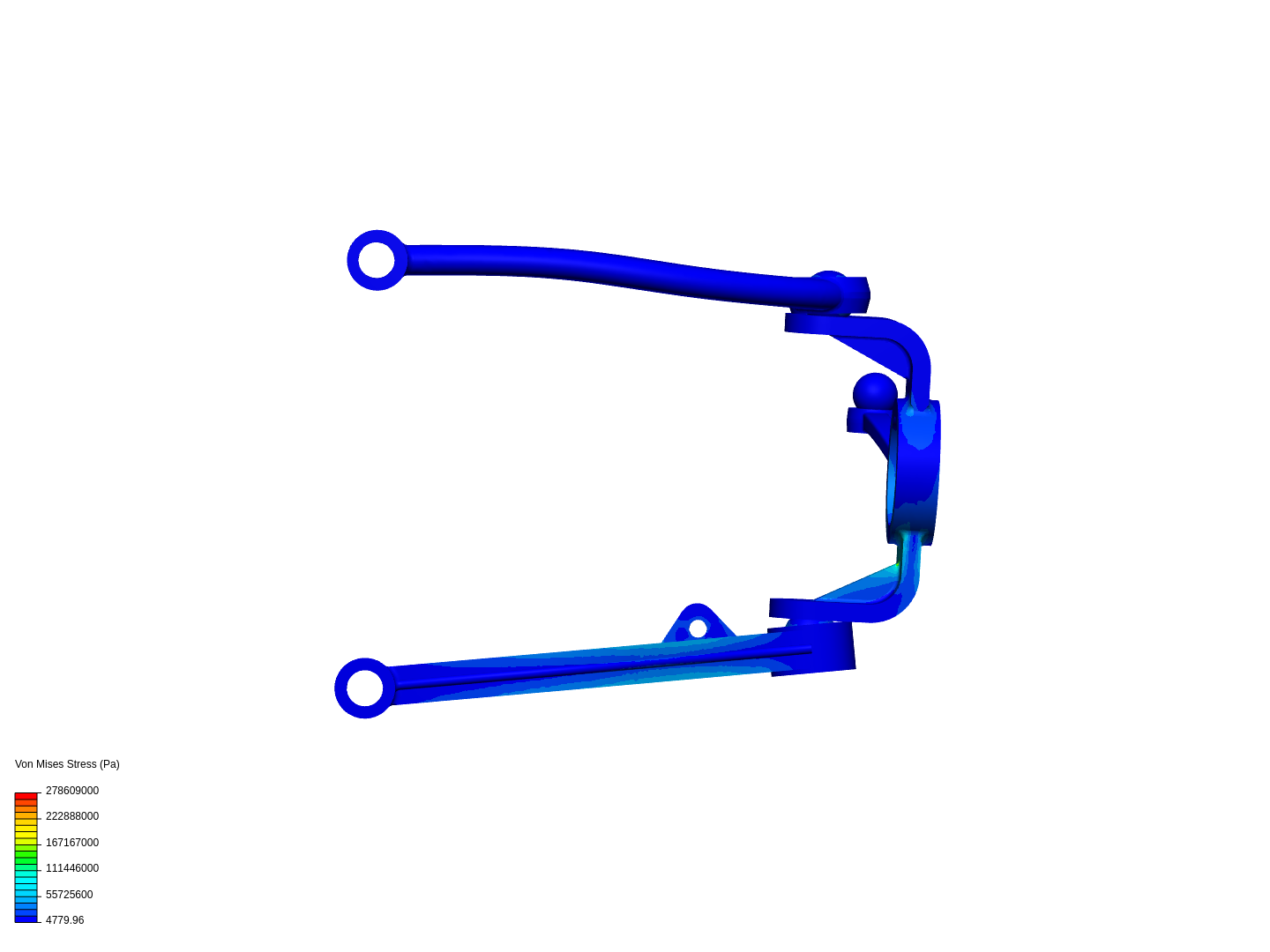
It also plays a huge role in steering. Ever wondered how your car turns? The wishbones are a key part of that. They help guide the wheels when you turn the steering wheel, making sure you go where you want to go. Imagine trying to steer a car where the wheels just flailed around randomly. Not ideal, is it?
And then there’s alignment. This is a big one, folks. Proper wheel alignment is crucial for safe driving, even tire wear, and good fuel economy. Guess who helps keep everything perfectly aligned? Yep, our wishbone friends. They ensure the angles of your wheels are just right, like a meticulously set up soldier standing at attention.
They are engineered to allow movement in specific ways. They let the wheel go up and down, but they limit sideways movement. This is super important. You don't want your wheels splaying out like a flamingo on roller skates, do you?
Different Shapes, Same Goal: The Many Faces of the Wishbone
Now, you might be thinking, "Are all wishbones identical?" Not quite! While the basic idea is the same – connecting the wheel to the car and allowing controlled movement – they can come in a few different flavors.
Like I mentioned, the most common is the A-arm. This is the one that looks like the letter ‘A’. It has two mounting points on the car frame and connects to the wheel hub at a single point. Simple, effective, and found on tons of cars.

Then you have the control arm. Sometimes, this is used interchangeably with wishbone, but often it refers to a single arm that pivots at one end on the chassis and has the wheel hub attached to the other. It's a bit more straightforward in its connection, but still performs that vital role of controlling wheel movement.
Some cars might have a trailing arm. This one is a bit different. It connects at one point to the car frame and then attaches to the suspension at a point behind the wheel. Think of it like a swing arm. It’s more common in rear-wheel-drive setups or independent rear suspensions.
And for the truly high-performance machines? You might see multi-link suspension systems. These are way more complex, using several individual links instead of just a wishbone. But even in these intricate setups, the fundamental principles of controlling wheel movement and alignment are still at play, often with elements that act like wishbones working in harmony. It's like a whole symphony of metal arms!
Why Should You Care About Your Wishbone? (Hint: It's Not Just for Wishing!)
So, why am I rambling on about this? Because a healthy wishbone is a happy car, and a happy car means a happy you.
When a wishbone starts to wear out, or the bushings (those are the rubbery bits that let it pivot smoothly) go bad, things can get… wobbly. You might start to notice a few tell-tale signs.
One of the first things people notice is uneven tire wear. If your tires are wearing out faster on the edges, or one side is more worn than the other, your alignment is probably off. And guess what can cause that? You got it – dodgy wishbones. It’s like your tires are being forced to run at a weird angle all the time.
You might also feel some strange noises. Clunking, knocking, especially when you go over bumps or when you’re turning. This is often the sound of metal-on-metal contact because the worn bushings aren’t doing their job of cushioning the movement anymore. It's like the car is complaining, "Ouch, that hurts!"
Poor handling is another big one. Does your car feel a bit vague when you steer? Does it pull to one side? Do you have to constantly fight the steering wheel to keep it straight? That could very well be your wishbones screaming for attention. The car isn't responding like it used to; it's become a bit… lazy.
And, of course, there's the safety aspect. A severely damaged wishbone can lead to a complete loss of control. Imagine your wheel suddenly deciding to go in its own direction. Not good. Not good at all. It can be the difference between a smooth ride and a very, very bad day.
So, next time you’re getting your car serviced, or even if you’re just giving it a quick once-over yourself, take a peek under there. See those metal arms connecting to your wheels? Those are your wishbones. Give them a little nod of appreciation. They’re working hard for you!
When to Call in the Cavalry (aka The Mechanic)
Now, I'm not saying you need to become a car whisperer overnight. But if you suspect something is up with your wishbones, it’s definitely time to get a professional opinion.
A mechanic will be able to inspect them for cracks, rust, or any signs of wear and tear. They can check the bushings for damage and test the overall integrity of the suspension. They’ve got the tools and the know-how to tell if your wishbone is still on its game or if it’s time for a replacement.
Replacing wishbones can be a bit of a job. It involves lifting the car, disconnecting various suspension components, and ensuring everything is reassembled correctly for proper alignment. It’s not usually a DIY job for the faint of heart. Unless you're a seasoned gearhead, of course!
But the cost of replacement is a tiny price to pay for the peace of mind and the safety you get in return. Plus, think of the money you’ll save on premature tire replacements! It’s an investment in your car’s longevity and your own safety.
So there you have it. The humble wishbone. Not just a quirky name from a holiday tradition, but a vital component that keeps your car running smoothly, steering accurately, and keeping you safely on the road. Pretty cool, right? Now go tell your friends about it. They'll be so impressed. Or at least, they'll know why their car is making that weird clunking noise. You're welcome!