What Is A Tin Can Made Of

Hey there, fellow food explorers and kitchen adventurers! Ever found yourself staring at a can of your favorite beans, that trusty tin of tuna, or perhaps a delightful dollop of condensed milk, and just wondered, "What is this thing actually made of?" You know, beyond the label and the tantalizing contents inside? It’s one of those everyday mysteries we don't often pause to ponder, like how does a remote control really work, or where do all those stray socks disappear to? Well, today, we're diving into the humble, yet mighty, tin can. And trust me, it’s a story worth uncanning!
Now, when we say "tin can," we're actually using a bit of a nickname, like calling your dad "Pop" even if his name isn't Robert. For the most part, these metal marvels aren't entirely made of tin anymore. The main star of the show, the real heavy-lifter, is actually steel. Think of steel as the hardworking backbone of the can, strong and reliable, just like that friend who always shows up when you need them most. This steel is usually coated with a thin layer of tin, and that’s where the "tin can" name comes from!
So, why the tin? Well, steel, as tough as it is, can get a bit rusty if left exposed to the elements – or, in this case, the food and moisture inside. The tin acts like a superhero’s cape, a protective shield for the steel. It’s a bit like when you’re building a sandcastle. You want the sturdy base, the sand (our steel!), but you also want to put a little shell on top to keep it from crumbling, right? The tin keeps the steel from reacting with the food and, more importantly, prevents any nasty rust from sneaking in.
Must Read
Imagine a world without tin cans. Chaos! Your picnic basket would be a lot lighter, but also a lot less convenient. Think about those spontaneous impromptu BBQs. "Hey, let's grab some baked beans and corn!" Shakes imaginary can. Easy peasy. Or what about a quick weeknight dinner? A can of soup is like a culinary knight in shining armor for busy evenings. These cans have been our trusty sidekicks for generations, preserving our food and making our lives just a little bit simpler.
A Touch of History (Don't worry, it's quick!)
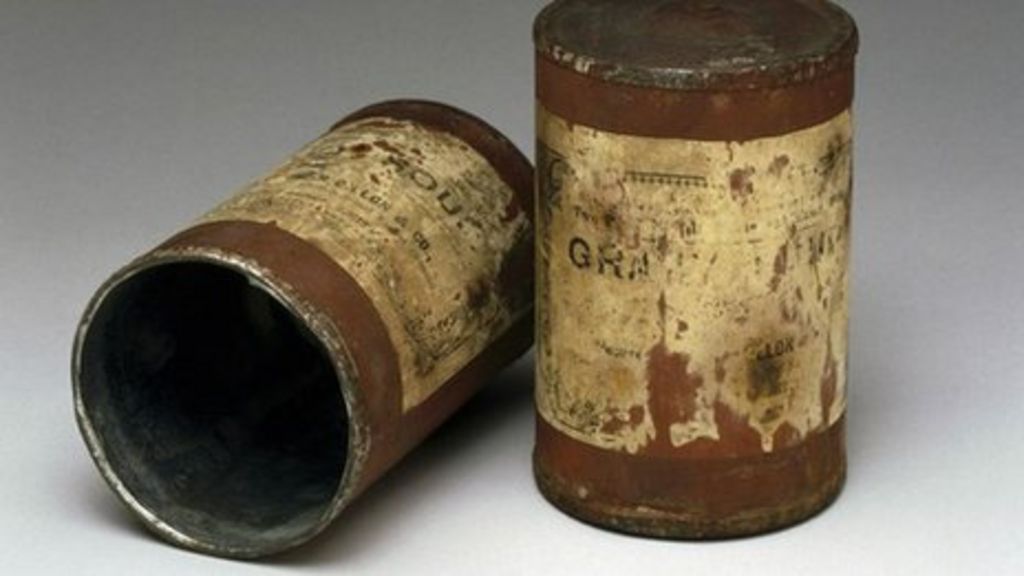
The whole canning thing really kicked off back in the early 1800s. Napoleon Bonaparte, yes, that Napoleon, was looking for a way to feed his army. Turns out, keeping soldiers fed and happy is pretty important for winning wars! A clever French inventor named Nicolas Appert came up with the idea of sealing food in glass jars and heating them. It worked! Later, a British inventor named Peter Durand figured out that metal containers were even better for long-term storage and transportation. And so, the metal can was born, revolutionizing food preservation and making food accessible to more people than ever before. It’s kind of like the original Tupperware, but for the masses and built to last!
Now, let's talk about the real secret ingredient that makes these cans so good at their job: the coating. While the tin is the historical hero, modern cans often have an extra layer of protection. Think of it like putting on sunscreen and a hat on a really sunny day. This inner coating is often made of polymers, which are essentially fancy plastic-like materials. They create an even more robust barrier between the food and the metal.
Why do we need this extra barrier? Well, some foods can be a bit acidic, like tomatoes or pineapple. Without a good coating, these acids could react with the metal, potentially affecting the taste or even the safety of the food. The polymer coating is like a polite bodyguard, ensuring that the food stays pure and delicious, just as it was meant to be. It’s like the difference between wearing a nice suit and wearing a suit with a stain – one just looks and feels a lot better, and keeps things…cleaner!

Why Should We Even Care?
You might be thinking, "Okay, so it's steel, tin, and some fancy plastic. Big deal." But here's the thing: understanding what our food comes in helps us make more informed choices. It’s about appreciating the engineering and science that goes into something as simple as a can of peaches. It’s about knowing that when you pick up that can, you're holding a carefully crafted vessel designed to keep your food safe and fresh for a long, long time.
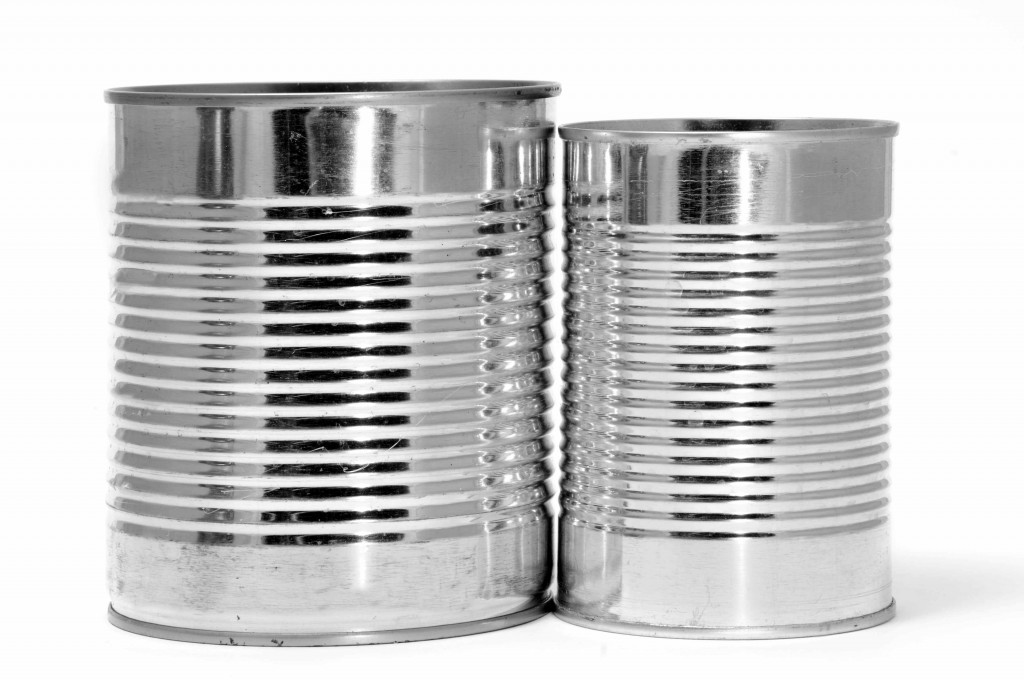
Consider the environmental aspect, too. These cans are incredibly recyclable! Steel is one of the most recycled materials on the planet. So, when you toss that empty can into the recycling bin, you're not just getting rid of trash; you're sending it off to become something new. It’s like a caterpillar turning into a butterfly, but in a very industrial, eco-friendly way. This cycle of reuse is super important for our planet, and the humble tin can plays a big role in it.
Think about it: that can of soup that saved you from a burnt dinner, that can of coconut milk that made your curry extra creamy, that can of fruit that brought a little sunshine to a cloudy day. Each one represents a journey from farm to your table, with a sturdy, protective partner along the way. It’s a testament to human ingenuity, a silent guardian of our pantry staples.
So, the next time you pop open a can, take a moment to appreciate the layers of material that have protected its contents. It’s a fascinating blend of old-school charm (hello, tin!) and modern-day cleverness (hi, polymers!). It’s a reminder that even the most ordinary objects can have pretty interesting stories to tell. And that, my friends, is something pretty cool to know about your everyday pantry heroes.