What Is A Hearing At Court
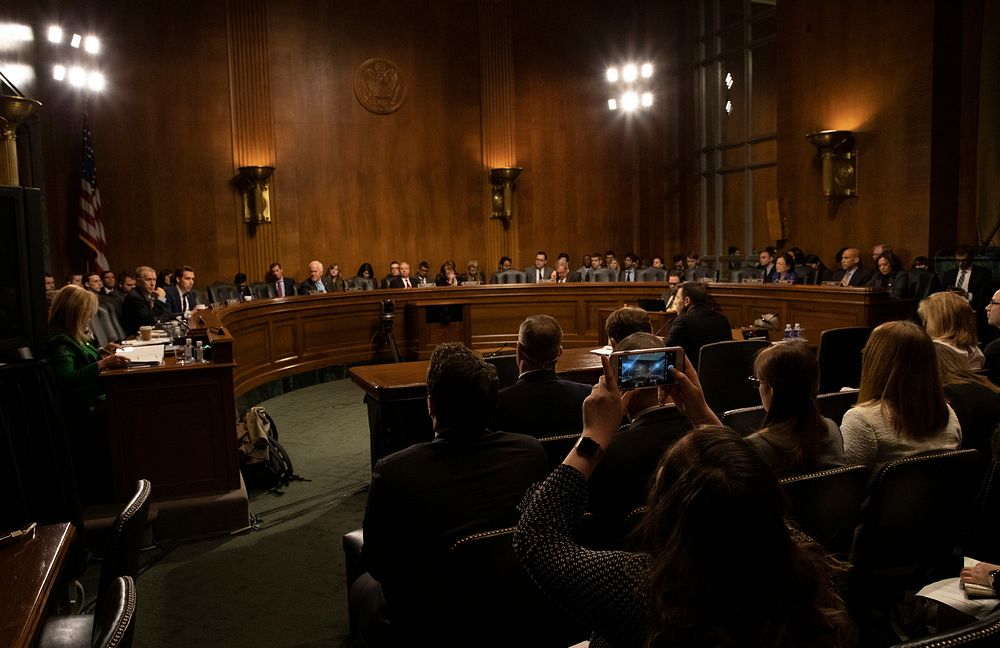
Alright, let’s talk about something that sounds super serious, maybe even a little intimidating: a hearing at court. Now, before you picture dusty law books and people wearing powdered wigs, let’s ditch that image. Think of it more like… a really organized conversation. A conversation where the stakes are a bit higher than deciding whose turn it is to take out the trash, but still, at its core, it’s about getting some stuff sorted out.
Ever had a disagreement with a neighbor about that rogue sprinkler that keeps watering your prize-winning petunias? Or maybe a slightly heated discussion with a roommate about who really finished the last of the good biscuits? A court hearing can sometimes be a bit like that, just with, you know, a judge and less dramatic cookie crumbs. It’s essentially a formal way to present your side of a story to someone who’s supposed to be impartial, someone who’s there to listen to everyone and then make a decision based on what’s been said and any evidence provided.
It's Not Always a Dramatic Showdown
So, what is a hearing, really? Imagine you’re at a really important family meeting. Everyone has a point to make, maybe some grievances to air, and a decision needs to be made about something significant. That’s a bit like a hearing, but instead of Uncle Barry’s questionable investment advice, it’s about legal matters. And instead of Aunt Carol’s famous potato salad, there might be actual documents involved.
Must Read
The key thing to remember is that a hearing isn't always the grand finale, the “you’re guilty!” or “you’re innocent!” moment you see in movies. Often, it’s just a step along the way. Think of it like a pit stop in a race. Things happen there, adjustments are made, and then the race continues. A hearing might be for a judge to get a better understanding of a situation, to decide on a temporary order (like who gets to use the car until the main case is sorted), or to set deadlines for things like filing more paperwork.
The "Who's Who" of a Hearing
Let’s break down the players. You’ve got the judge, obviously. This is your referee, your umpire, your – dare I say – benevolent dictator of the courtroom. They’re there to keep things orderly and make sure everyone plays by the rules. They’ve probably heard it all, from sob stories that would make a stone cry to arguments that are as flimsy as a wet paper bag.
Then you have the people involved in the case. These are the folks who have a vested interest in whatever is being discussed. They might be called parties. If it’s a divorce, it’s the couple. If it’s a dispute over a contract, it’s the people who signed it. Sometimes, they have lawyers with them. Think of lawyers as your legal pit crew. They're the ones who know the rulebook inside and out, can strategize, and speak the specific language that judges understand. If you don’t have a lawyer, you're what they call “pro se” or “self-represented.” It’s like trying to fix your own car with just the manual and a YouTube video – possible, but you might end up with a few extra nuts and bolts lying around.
There might also be witnesses. These are people who saw or heard something relevant to the case. Imagine your neighbor Bob, who can testify that he saw the sprinkler rogueishly inching its way onto your lawn every Tuesday at 3 PM. He’s a witness. He’s just there to tell what he knows, plain and simple.
Why Do We Even Have Hearings?
So, why all the fuss? Why not just send everything in by mail, like a really important pizza order? Well, the legal system, bless its heart, likes to see and hear things. It likes to understand the nuances, the body language, the little hesitations that might not come across in a written document.
Hearings are often about efficiency. Sometimes, a quick chat in front of the judge can clear up a lot of confusion. It's like when you're trying to explain a complex problem to someone, and they just nod, say "Ah, I see!" and fix it. A hearing can be that moment. It helps move the case forward. If things are just sitting around gathering dust, a hearing can be the kickstart needed to get them moving again.
They’re also about fairness. Imagine if all decisions were made without anyone actually explaining their situation. That wouldn’t feel very fair, would it? A hearing gives everyone a chance to speak, to present their evidence, and to be heard. It’s the legal system’s way of saying, “Okay, let’s listen to all sides before we make a call.” It’s like giving everyone a turn on the mic before the talent show judging.
Different Types of Hearings: It's Not One-Size-Fits-All
Now, not all hearings are created equal. They're like different kinds of meetings you might have at work or with your friends. You’ve got the quick check-in, the detailed discussion, and the big decision-making pow-wow.

There are status hearings. These are usually short and sweet. The judge just wants to know where the case is at. Think of it as the “How’s it going?” meeting. Are we on track? Are there any roadblocks? Lawyers or parties might say, “Your Honor, we’ve exchanged all the documents, and we’re waiting for Dr. Smith’s report.” The judge might say, “Great, let’s schedule another hearing in a month to see if we can set a trial date.” Easy peasy.
Then you have motion hearings. This is where someone in the case files a “motion,” which is basically a formal request for the judge to do something. It’s like saying, “Hey Judge, can you please order the other side to give us those important documents? They’re being as cooperative as a cat with a bath!” The judge will listen to the arguments for and against the motion and then make a ruling. These can get a bit more detailed, and sometimes lawyers do some serious back-and-forth.
There are also evidentiary hearings. These are a bit more serious. It's where witnesses might actually testify, and evidence is formally presented. Think of it like building a case, brick by brick. This is where you might see those dramatic courtroom scenes you’ve imagined, though hopefully without the fainting spells. Evidence is crucial here. It’s like bringing your receipts to prove you bought the suspiciously wobbly ladder, not just saying, “I swear, it looked fine on the shelf!”
And sometimes, there are scheduling hearings. These are all about logistics. When can everyone be in court? When can the experts be available? It’s like trying to organize a large group outing where everyone has a conflicting work schedule and a preference for pizza over tacos. The judge is the master scheduler, trying to make it all work.

What to Expect on the Day
So, you’ve got a hearing coming up. What do you actually do? First off, dress appropriately. This isn't a beach party. Think of it as dressing for a job interview, even if you’re just there to say “yes, my petunias were definitely being watered.” Clean, conservative clothing is the way to go. You want to look respectful, not like you just rolled out of bed after a marathon of legal dramas.
Arrive early. Seriously. Courtrooms can be confusing places. There are security checks, finding the right room, and just generally getting your bearings. Imagine trying to find your seat at a huge concert, but with more metal detectors and less cheering. Being early reduces stress and ensures you won’t miss your turn.
Listen carefully. This is probably the most important piece of advice. Pay attention to what the judge is saying, what the other parties or lawyers are saying, and what the court staff are doing. If you’re unsure about something, don’t be afraid to ask, but do it politely and at the right time. It’s like being in a really important lecture; you wouldn’t shout out random answers, but you’d raise your hand if you genuinely didn’t understand a key concept.
Be respectful. Even if you feel like the other side is being completely unreasonable, or the judge’s questions feel a bit pointed, you must maintain your composure. Address the judge as “Your Honor.” Don’t interrupt. This isn’t the place for an emotional outburst. Think of it as a formal dinner party where you can’t just start yelling at your date because they ordered the wrong wine.

If you have a lawyer, they will guide you. They are your navigator through this legal labyrinth. They’ll tell you when to stand, when to speak, and what to say. They’re like having a personal assistant for your legal journey, except this assistant is really good at talking to judges.
The Verdict (Sort Of): It's About Clarity and Process
Ultimately, a court hearing is about bringing clarity to a situation. It’s a structured conversation designed to gather information, present arguments, and allow an impartial decision-maker to move a case forward. It’s not always a dramatic scene; often, it’s a quiet, methodical process.
Think of it like this: you’re trying to get a recipe for a complex dish, and you’ve only got bits and pieces. The hearing is where you bring all the ingredients, lay them out, and the judge, the master chef, figures out how to put it all together to make a coherent meal. Sometimes, the chef just needs a quick look at your pantry (your evidence), other times, they need to hear you explain your cooking techniques (your testimony).
While the idea of a court hearing might sound daunting, remember that most of the time, it’s just a formal step in a larger process. It’s about communication, evidence, and ultimately, finding a resolution. And who knows, maybe you’ll even learn a thing or two about the legal system, much like you learn a surprising amount about plumbing when you have to fix a leaky faucet.
So, next time you hear the term "court hearing," don't immediately picture a scene from Law & Order. Picture a structured, albeit formal, conversation. A place where stories are told, evidence is presented, and decisions are made, all with the aim of bringing some order to the often-messy business of life. And remember, even in the most serious of settings, a little bit of common sense and a lot of respect can go a long way. It’s just about getting things sorted, one formal conversation at a time.