What Is A Dry Sense Of Humour

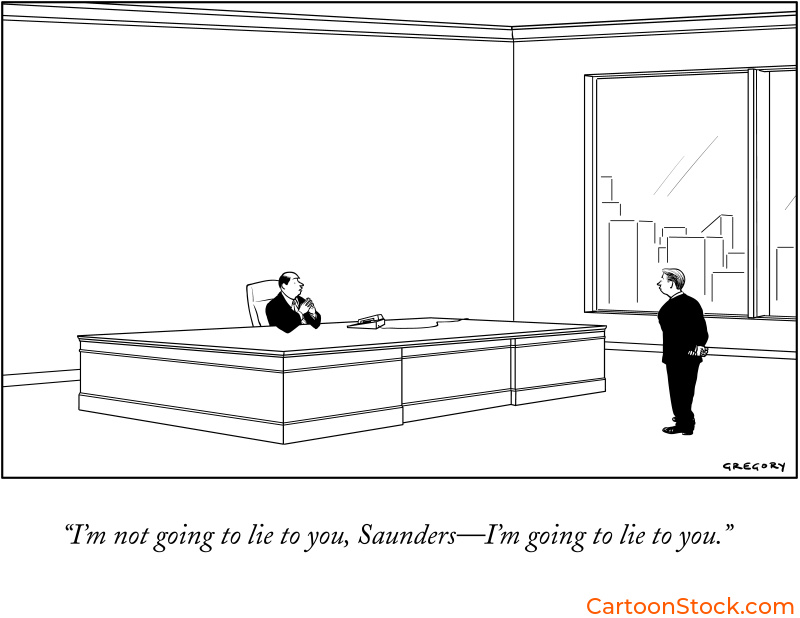
Ever heard someone tell a joke, but they didn't crack a smile themselves? It's like they delivered a punchline with a perfectly straight face. That, my friends, is often the essence of a dry sense of humour. It's a special kind of funny that doesn't hit you over the head with loud laughter. Instead, it whispers, and you have to lean in to catch it.
Think of it like this: it's the humour that arrives understated. The joke is there, the wit is sharp, but the delivery is cool as a cucumber. There's no dramatic build-up or exaggerated expression. The funniness comes from the cleverness of the words, not the performance.
This style of humour often relies on understatement. Someone might say something completely outrageous, but in a very calm, matter-of-fact way. It's the contrast between the absurd statement and the normal delivery that makes it so hilarious. Your brain has to do a little work to connect the dots and get the joke.
Must Read
Imagine someone describing a disaster as a "minor inconvenience." That's dry humour at its finest. The sheer lack of emotional reaction to something terrible is what tickles your funny bone. It's a subtle nod to the absurdity of life.
Another key ingredient is irony. Dry humour loves to play with expectations. It says one thing but means another, or presents a situation that's the opposite of what you'd expect. This creates a delightful surprise for your mind.
People with a dry sense of humour often have a keen eye for the ridiculousness of everyday situations. They see the funny side of things that most people might just accept. They're like detectives of the absurd, finding comedy in the mundane.
Why is it so entertaining? Well, for one, it makes you feel a little bit smart. When you "get" a dry joke, it's like you've unlocked a secret code. You're in on the joke, and that feels pretty good.
It also requires a certain level of attention from the listener. You can't just passively listen; you have to engage. This makes the humour more rewarding when it lands. It's a shared moment of understanding between the joke-teller and the listener.
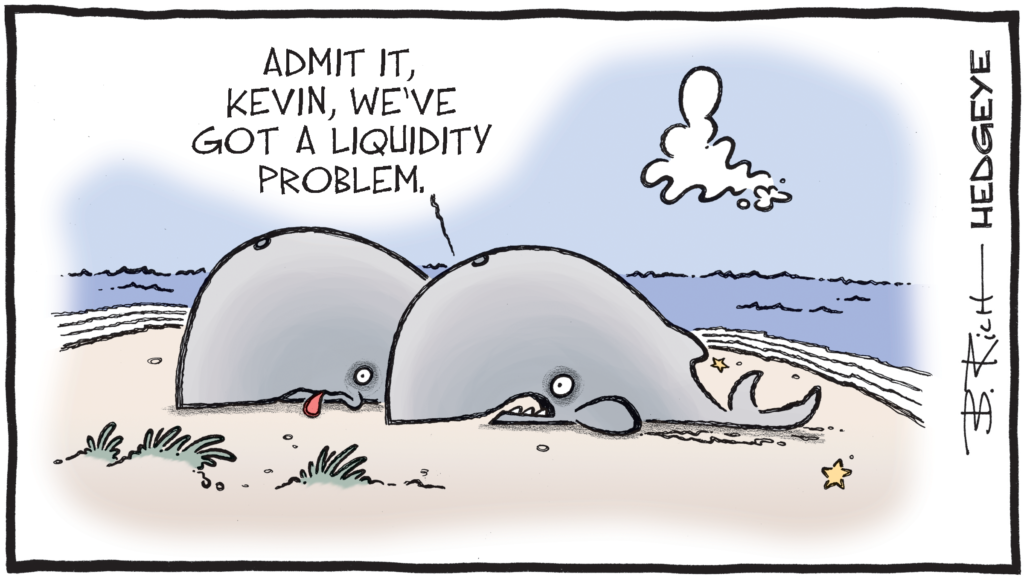
Think about some famous examples. People like Stephen Fry or Aubrey Plaza are often cited for their dry wit. They deliver punchlines with such composure that you might miss the joke if you're not paying attention. That's part of the charm!
This type of humour isn't for everyone, and that's okay. Some people prefer their comedy loud and boisterous. But for those who appreciate a more nuanced approach, dry humour is a true delight. It’s like a fine wine; it’s appreciated by those who understand its subtle complexities.
The beauty of dry humour lies in its sophistication. It's not about shock value or silly faces. It's about the clever use of language and the unexpected twist that catches you off guard. It's the comedy of intellect.
Sometimes, dry humour can also be a way of dealing with difficult situations. By approaching them with a calm, witty perspective, it can make them feel a little less daunting. It's a coping mechanism wrapped in a clever quip.
It's also about a certain detachment. The humourist doesn't seem overly invested in being funny. They present the joke as if it's just a fact, and that very detachment is what makes it funny. It’s the ultimate understated performance.

Let's consider a scenario. You're late for work, stuck in traffic. Your friend texts, "Hope your day is going as smoothly as this traffic jam." The lack of exclamation points or emojis makes it dry. It's a sarcastic observation delivered with perfect calm, and you can't help but chuckle.
The appeal of dry humour is that it often feels authentic. It doesn't feel forced or overdone. It's a natural expression of wit and observation. It’s the kind of humour that feels like it comes from a place of genuine amusement.
It's also a way to connect with people on a deeper level. When you share a laugh over a dry joke, it suggests a shared understanding of the world. You both see the subtle absurdities and appreciate the cleverness in pointing them out.
Think of the feeling of a perfectly delivered one-liner. No fanfare, just a quiet remark that makes you rethink something or see it in a new, funny light. That's the magic of dry humour at work.
It’s the kind of humour that can make you smile inwardly. You might not burst into loud laughter, but you’ll have a knowing smirk. It’s a private joke between you and the comedian.

The understated delivery is crucial. If the person delivering the dry joke starts giggling or acting out, it ruins the effect. The stillness and seriousness are what sell it. It’s the calm before the comedic storm, except the storm is just a gentle shower of wit.
Some might mistake it for being sarcastic or even a little bit mean. But true dry humour is usually more observational and less about attacking. It's about pointing out the funny in a gentle, almost clinical way.
It can be a sign of intelligence. Developing and appreciating dry humour often requires a quick mind and a good grasp of language. It’s a mark of someone who thinks deeply and can express their thoughts with precision and wit.
You might find it in books, in films, or in conversations. It's a versatile form of comedy that can adapt to many situations. It’s a quiet force that can bring a lot of amusement.
So, next time you hear a joke that makes you chuckle without a huge belly laugh, take a moment to appreciate the dry wit at play. It’s a subtle art form, and once you start to notice it, you’ll see it everywhere.
It’s like discovering a hidden gem. You might have overlooked it before, but now that you’ve seen its sparkle, you can’t get enough. The world becomes a slightly funnier, more interesting place.
Perhaps you’ve even found yourself using it. You deliver a witty observation with a straight face, and the silence that follows is filled with the unspoken understanding of the joke. That’s when you know you’ve embraced the dry side.
It’s a quiet rebellion against the expected, a subtle wink in a world that often shouts. The quiet brilliance of dry humour is what makes it so enduring and so, well, funny.
It’s the humour that doesn’t demand your attention but rewards it handsomely. It’s the comedy that lingers, making you think about it long after the joke is told. And that, my friends, is a truly special thing indeed.