What Is A Caliper In A Car

Hey there, friend! Grab a sip of your coffee, settle in. We're gonna chat about something a little… technical, but honestly, it's not as scary as it sounds. We're talking about calipers in cars. Yeah, those things you might have seen peeking out from behind your shiny rims. What even are they, right?
So, picture this: you're cruising along, windows down, maybe belting out some questionable 80s power ballads. Suddenly, you gotta stop. Like, now. What's the magic behind that sudden halt? It's not just your foot slamming on the pedal. Oh no. There's a whole system working its tail off, and the humble caliper is a huge part of that. Think of it as the car's way of giving the wheels a firm hug. A very, very strong, controlled hug. And it's all about stopping.
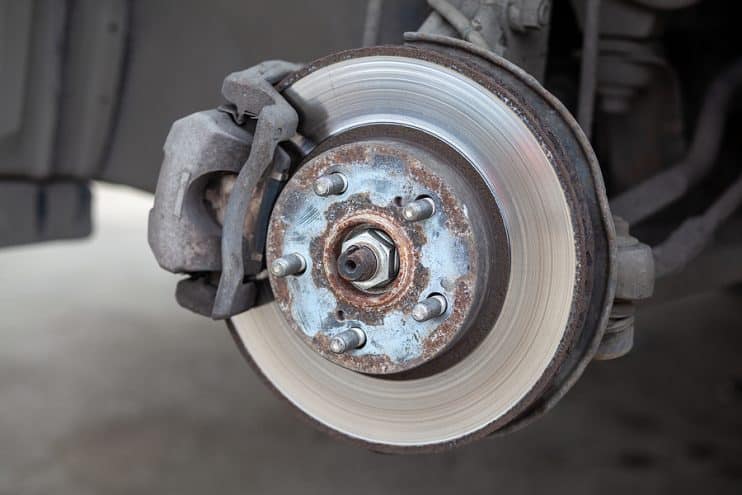
Okay, so, in super simple terms, a caliper is a part of your car's braking system. Revolutionary, I know! But it’s more than just a part; it’s kind of the star player in the stopping show. You know those discs that spin around when your wheels do? Those are called brake rotors. The caliper’s job is to grab onto those spinning discs with all its might. And when it grabs? Boom! You slow down. Pretty neat, huh?
Must Read
The Anatomy of a Brake Hugger
Let’s dive a little deeper, shall we? Don't worry, no pop quizzes at the end of this chat. The caliper itself is usually a pretty sturdy metal thing. It’s shaped a bit like a clam, if a clam was designed by engineers who really liked physics. It’s got these things called brake pads inside it. These pads are the real heroes of the actual grabbing. They're made of some pretty tough stuff, like ceramic or metallic compounds. They’re the ones that get all the friction love.
So, when you hit that brake pedal, it’s not just a direct command to the caliper. Nope, there’s a whole sequence of events. You push the pedal, which pushes a rod, which goes into the master cylinder. That’s where the hydraulic magic happens. Think of it like squeezing a tube of toothpaste – the pressure you apply gets transferred. This pressurized fluid then travels through tiny tubes, called brake lines, all the way to the caliper.
Once that hydraulic pressure reaches the caliper, it’s game on! Inside the caliper, there are usually one or more little pistons. These pistons get shoved outward by the fluid pressure. And where do they shove? You guessed it – against the brake pads! It's like they're saying, "Alright pads, go do your thing!" The pads then get pushed firmly against the spinning brake rotor. Squeeeeze. That friction is what slows the rotor, and therefore your wheel, down. It’s a beautiful symphony of physics and engineering, all happening so you don’t become one with the car in front of you. Thank goodness for that, right?
Different Flavors of Calipers
Now, just like there are different types of ice cream (and who doesn't love options?), there are a couple of main types of calipers. It’s not a super complex world, but it’s good to know they exist. We're mostly talking about fixed calipers and floating calipers. Don’t let the fancy names scare you; they’re still just doing the same job: stopping your ride.
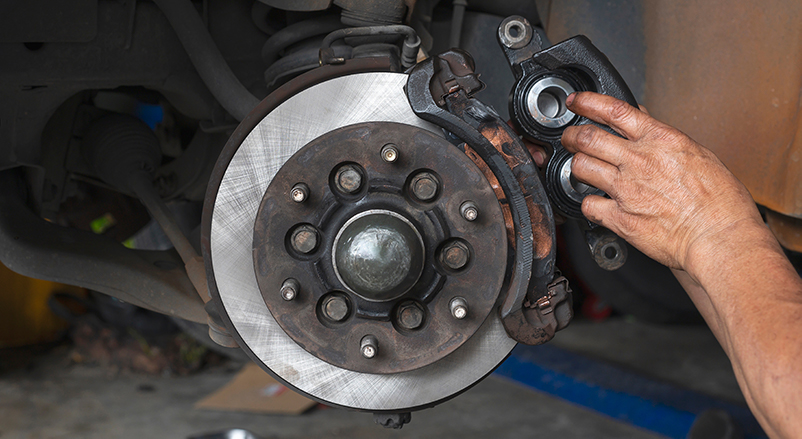
Let’s start with the floating caliper. This is the more common one you'll find on, well, a lot of everyday cars. Think your trusty sedan, your sensible hatchback. It's usually simpler and cheaper to make, which is always a plus, right? In a floating caliper design, there's typically just one piston (or sometimes two, on opposite sides of the rotor). When you apply the brakes, this piston shoves the brake pad on its side against the rotor. But here's the clever part: the caliper itself is designed to slide. So, as the piston pushes its pad, the whole caliper assembly moves sideways, pulling the other brake pad into contact with the rotor. It's like it's wiggling its way into a perfect grip. Pretty slick.
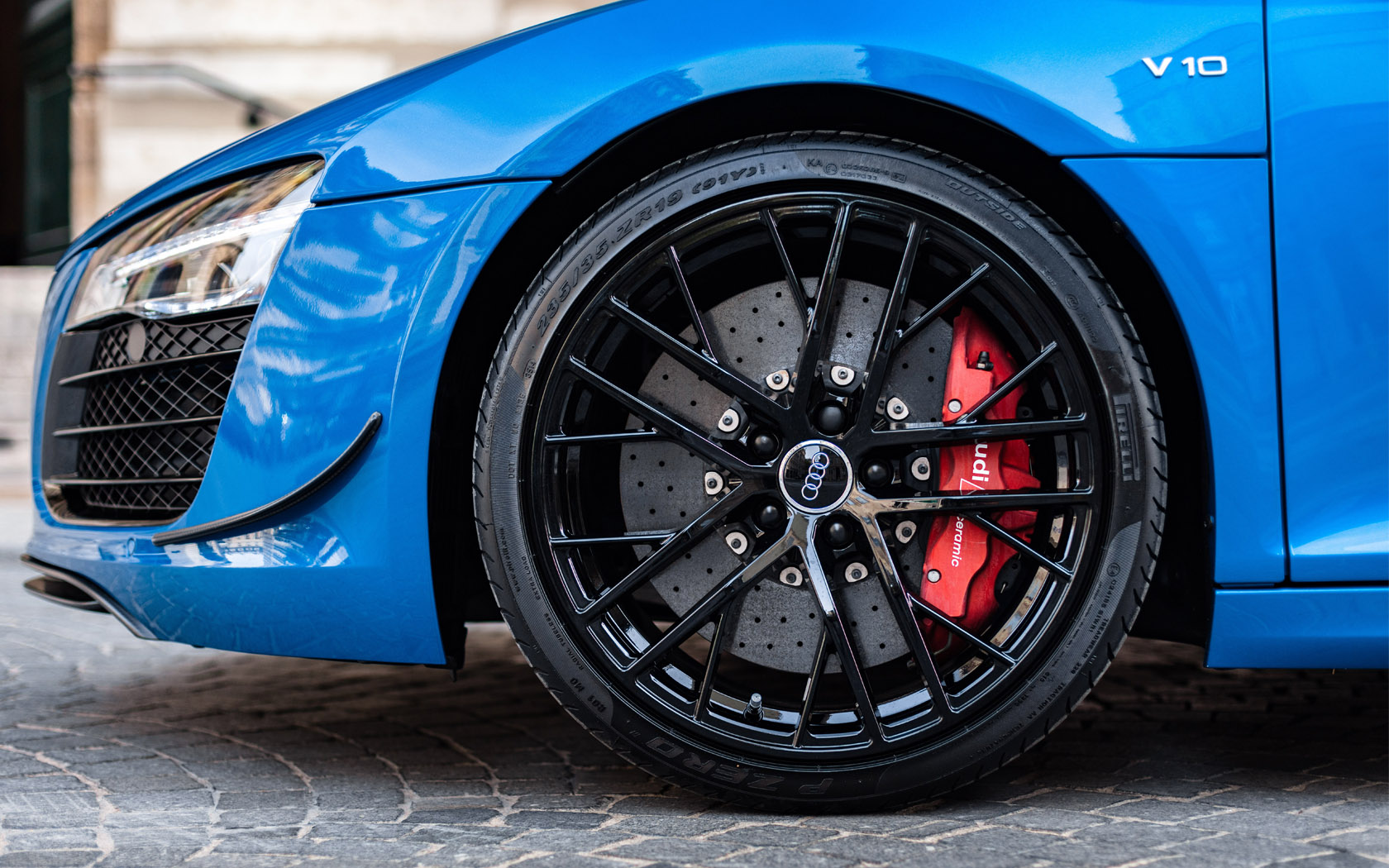
Then we have the fixed caliper. These are usually found on higher-performance cars, sports cars, or vehicles that do a lot of heavy lifting. Why? Because they tend to be a bit more robust and can handle more heat. In a fixed caliper, there are typically multiple pistons, usually on both sides of the rotor, all at once. These pistons are stationary; they don't move the whole caliper. Instead, they just push their respective brake pads directly onto the rotor. It's a more direct and powerful application of force. Imagine having a whole team of little hydraulic arms pushing the pads simultaneously. That's the idea. Because there's no sliding mechanism, they can often offer a bit more consistent braking power, especially under intense conditions. Less wiggle, more direct smash. And that’s often what you want when you’re going super fast.

Why Should You Care About Your Calipers?
Okay, okay, I hear you. "This is all interesting, but why do I need to know about these metal huggers?" Good question! Because, my friend, your brakes are kind of a big deal. Your life, and the lives of everyone around you, literally depend on them working properly. And calipers? They're crucial to that whole operation. If your calipers are acting up, your brakes aren't going to be as effective. Or, even worse, they might not work at all. Yikes!
So, what are some signs that your calipers might be staging a quiet protest? Well, first off, you might notice some weird noises. A grinding sound when you brake? That’s often a sign that your brake pads are worn down to the metal, and that metal-on-metal action is not good for your rotors or your calipers. Another one is a pulling sensation. If your car pulls to one side when you brake, it could mean one caliper isn't applying as much pressure as the other. It’s like one wheel is getting a weaker hug, so the car leans that way. Annoying, and a safety hazard.
You might also feel a spongy brake pedal. You push down, and it feels… mushy. Not firm and responsive like it should be. This could be a sign of air in the brake lines, which is often related to a leaky caliper or a problem with the hydraulic system. And hey, if you’re really unlucky, you might see a brake warning light pop up on your dashboard. That’s your car’s way of screaming, "Something's wrong, pay attention!" Listen to the car, people!
When Calipers Get Grumpy
Calipers, bless their metallic hearts, can’t last forever. They face a lot of heat, a lot of pressure, and a lot of grit and grime from the road. So, they can wear out. Or they can get damaged. Sometimes, a caliper piston can get stuck. This is when it either won't move at all, or it gets stuck in the "applied" position, meaning your brake is constantly dragging. Imagine running a marathon with one shoe tied really tight. Not fun. A dragging brake not only makes your car sluggish and uses more fuel, but it also generates a TON of heat, which can warp your rotors and even damage the caliper itself. Overheating is not the caliper's friend, not at all.
Another issue is caliper corrosion. Especially if you live in an area where they salt the roads in winter, that salt can eat away at the metal parts. This corrosion can cause the caliper piston to seize up, or the caliper housing itself to weaken. And then there are leaks. The rubber seals around the piston can degrade over time, allowing brake fluid to leak out. If you see any oily, colored fluid (brake fluid is usually amber or sometimes blueish) pooling under your car, especially near the wheels, that’s a bad sign. It means your brake fluid is escaping, and without that fluid, your brakes won't work. Full stop.
The Importance of Healthy Brakes (and therefore, healthy Calipers!)
Look, I know we're talking about car parts, and sometimes that can feel like a foreign language. But the brake system, and the caliper as its core component, is one of the most vital safety features on your vehicle. It’s not something you want to neglect. Think of it like this: you wouldn’t ignore a weird noise from your heart, would you? (Okay, bad analogy, but you get the point!). Your brakes are your car’s heart. And the caliper is like the strong, steady beat.

So, what’s the takeaway? Pay attention to your car. Listen for those unusual sounds. Feel for any changes in how your brakes perform. If something feels off, don't just turn up the radio and ignore it. Get it checked out by a professional. They can inspect your calipers, your brake pads, your rotors, and the whole system to make sure everything is in tip-top shape.
Sometimes, a simple brake pad replacement is all that’s needed. But if your calipers are showing signs of wear or damage, they might need to be rebuilt or replaced. It might sound like a daunting expense, but trust me, the cost of a brake repair is significantly less than the cost of an accident. Seriously, not even close. A little preventative maintenance can save you a whole lot of headaches, and more importantly, keep you and your loved ones safe on the road. So, next time you see those things peeking out from your wheels, give a little nod of appreciation. They’re working hard for you!
And there you have it! The wonderful, the mysterious, the essential caliper. Not so scary now, is it? It’s just a hardworking piece of metal doing its best to keep you from becoming a human projectile. Give your brakes some love, and they'll keep you safe. Now, about that second cup of coffee…