What Emotions Do Psychopaths Feel

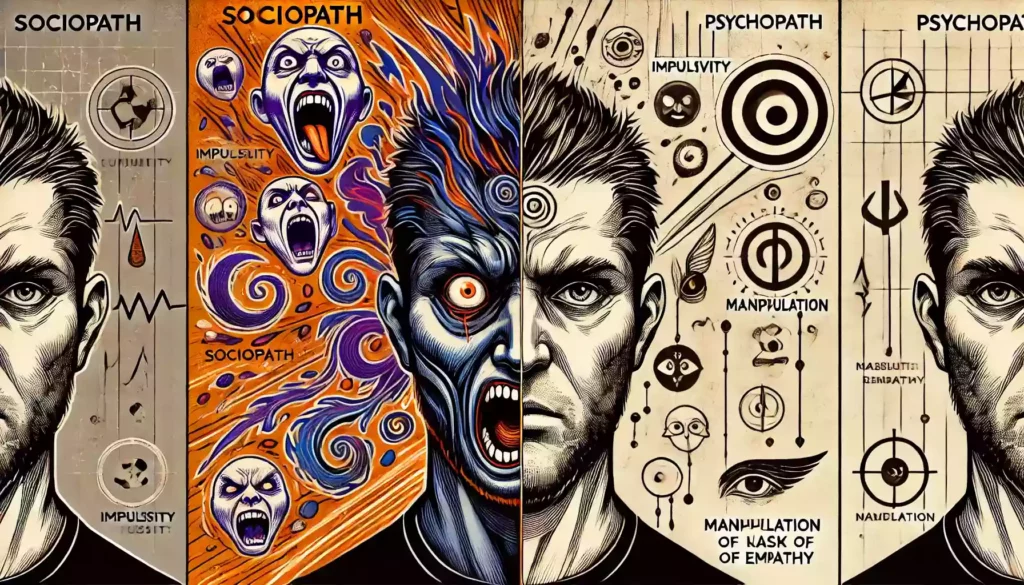
Hey there, curious minds! Ever found yourself watching a crime drama and wondering, "What is going on in that character's head?" Or maybe you've heard the word "psychopath" tossed around and pictured some mustache-twirling villain with a heart of… well, probably not stone, but definitely something less squishy. Today, we're diving into a topic that's both fascinating and a little bit spooky: what emotions do psychopaths actually feel? And no, it's not just a never-ending episode of "I'm bored and want to mess with people." (Though that might be a part of it, let's be honest.)
So, buckle up, grab your metaphorical magnifying glass, and let's try to demystify this complex concept. We're going to keep it super chill, no heavy academic jargon here. Think of it as a chat over coffee, except the coffee is, you know, about brains and feelings. And hopefully, no one spills it.
The Million-Dollar Question: Do They Feel Anything at All?
This is the big one, right? The headline you’d click on in a heartbeat. The short answer is: yes, they do feel emotions, but it's a bit like comparing a Michelin-star meal to a packet of instant noodles. They're both food, sure, but the experience is… different. Very, very different.
Must Read
Think about it. We humans are basically emotional soup. We’ve got a whole rainbow of feelings swirling around: joy, sadness, anger, fear, love, disgust, surprise… you get the picture. Psychopaths, on the other hand, seem to operate with a more limited palette. It’s like they’ve got the primary colors, but the pastels and the neon are missing.
Fear: The Missing Ingredient?
One of the most striking things about psychopathy is a reported lack of fear. This isn't just being brave, like running into a burning building to save a kitten (though some psychopaths might do that, but perhaps for the adrenaline rush). This is a deeper, more fundamental absence of that gut-wrenching, "oh-crap-I-need-to-run-or-hide" feeling.
Imagine walking down a dark alley late at night. Most of us feel a prickle of unease, our senses on high alert. A psychopath might stroll through, completely unfazed. Why? Because the circuitry in their brain that’s supposed to sound the alarm bell for danger seems to be on a permanent coffee break. This can be incredibly advantageous in certain high-stakes situations, like a battlefield or a cutthroat business negotiation. But it also means they’re less likely to learn from scary experiences. Oops, almost got hit by a bus. Guess I won't do that again. For some, that lesson just doesn't sink in.
Scientists have done some pretty cool studies using brain imaging (don't worry, no actual brains were harmed in the making of this article!). They've shown that when psychopaths are presented with fear-inducing stimuli, their amygdala – the brain's fear center – doesn't light up like a Christmas tree. It’s more like a dim, flickering nightlight. Fascinating, right? And a little bit chilling.

What About Other "Negative" Emotions? Anger, Sadness, Guilt…
Okay, so fear is a bit of a no-show. What about the other juicy emotions we love to… well, not love to feel? Anger is definitely on the menu for psychopaths. They can get angry, and sometimes, really angry. Think explosive, rage-fueled outbursts. It's often a reaction to frustration, or when their sense of entitlement is challenged. Imagine someone cutting them off in traffic. Most of us might honk or swear under our breath. A psychopath might see it as a personal affront, a declaration of war. You dared to impede my glorious journey?! Prepare for my wrath!
Sadness? That’s a bit more of a mixed bag. They might experience a sort of… frustration at not getting what they want, which can be mistaken for sadness. But the deep, soul-crushing grief that many of us feel when we lose someone or something important? That seems to be significantly muted, if present at all. It’s more like a logical inconvenience than an emotional devastation.
And then there’s guilt. Oh, guilt. This is the emotion that makes us squirm, that whispers "you shouldn't have done that" in our ears. For psychopaths, guilt is practically an alien concept. They might understand the idea of guilt, they can see that others feel it, but they don't experience it themselves. It’s like trying to explain the taste of chocolate to someone who’s only ever eaten unsalted crackers. They can grasp the components, but the actual sensation is lost.
The Guilt-Free Zone
This lack of guilt is a major reason why they can engage in harmful behaviors without the emotional baggage. They can lie, cheat, steal, and even hurt others, and then simply move on to the next thing without a second thought. No sleepless nights, no haunting regrets. It’s a blank slate, ready for their next grand, and often selfish, plan. This can be incredibly disorienting for people who are used to navigating the world with a conscience.
Think of it this way: imagine you’ve accidentally broken a vase. You feel bad, right? You might apologize, offer to replace it. A psychopath, in the same scenario, might see it as an unfortunate accident, or even look for someone else to blame. The emotional weight of the action just doesn’t register.
The Shiny Side: Joy, Excitement, and… Pleasure?
So, it’s not all doom and gloom. Psychopaths do experience positive emotions, and often with an intensity that can be quite striking. They are perfectly capable of feeling joy, excitement, and pleasure. In fact, they often seek out these feelings with a relentless drive. This can manifest as a love for thrill-seeking, high-risk activities, and anything that provides an immediate reward.
Think of someone who thrives on the adrenaline rush of gambling, or someone who is constantly seeking out new, exciting experiences, even if they’re a bit dangerous. This isn’t necessarily a bad thing on its own, but when combined with other psychopathic traits, it can lead to reckless and destructive behavior.
The "Superficial Charm" Factor
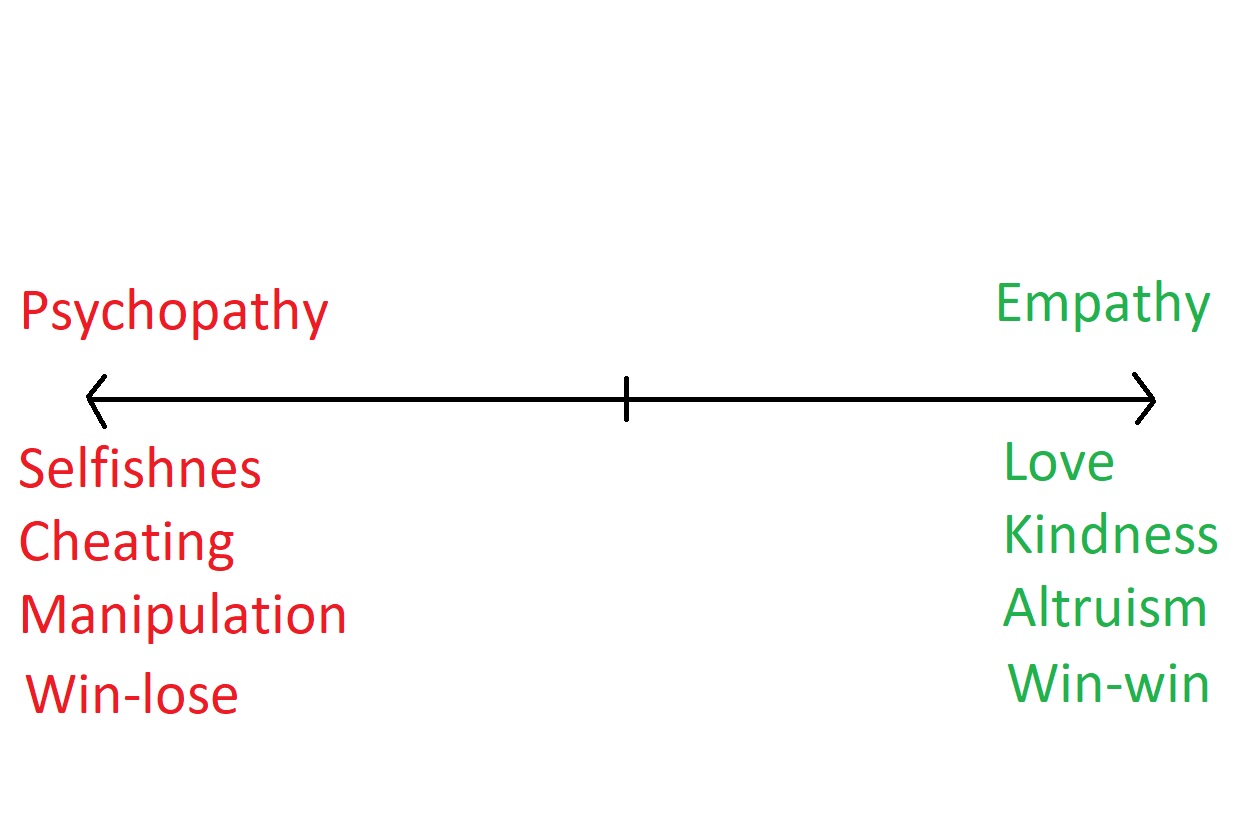
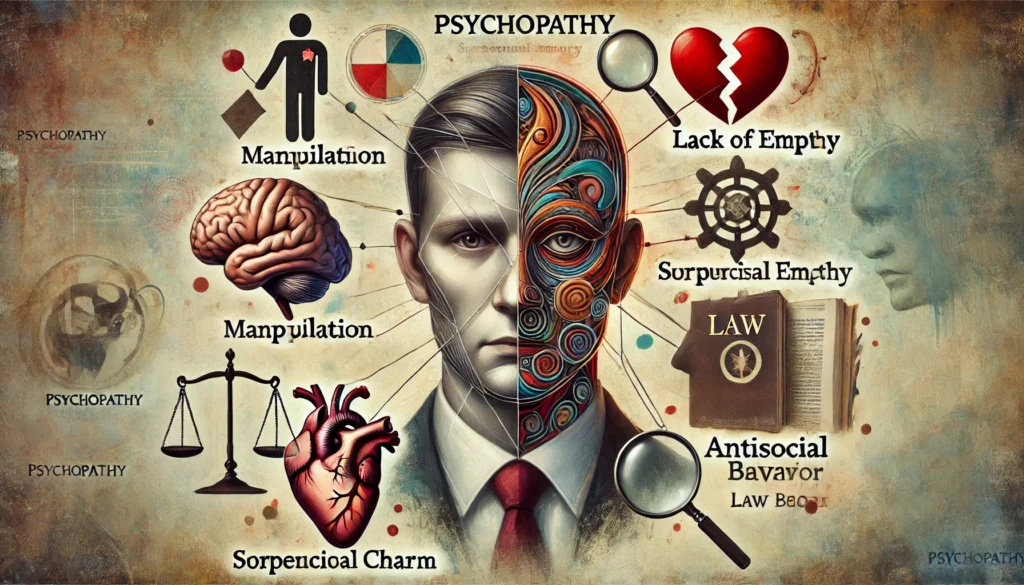
This ability to experience pleasure and excitement, coupled with their lack of negative emotions, contributes to the infamous "superficial charm" often associated with psychopaths. They can be incredibly charismatic, witty, and engaging. They know how to make people feel good, how to charm them, and how to get them to like them. It's like they've studied the playbook of human interaction and are masterfully executing it, but without the genuine emotional connection.
Imagine a really smooth salesperson who can sell you anything. They’re friendly, they’re persuasive, they make you feel like you’re their favorite person in the world. Now imagine that underlying that charm, there’s no genuine empathy or care for your well-being. They’re just playing a role to get what they want. That’s the superficial charm in action.

Empathy: The Real Missing Piece
While they might not feel fear in the way we do, and their guilt is non-existent, the biggest emotional deficit in psychopathy is arguably a lack of empathy. Empathy is our ability to understand and share the feelings of another. It’s what allows us to connect with people on a deep level, to feel their joy and their pain.
Psychopaths can often cognitively understand that someone is upset. They can see the tears, hear the shaky voice, and logically deduce that the person is experiencing sadness. But they don't feel that sadness themselves. They can’t put themselves in that person's shoes and truly feel what they’re feeling. It’s like watching a movie about someone crying – you understand they’re sad, but you don’t start crying along with them unless you’re particularly susceptible to sad movies.
The "Cognitive Empathy" Trick
This is where things get particularly interesting, and a little concerning. Some psychopaths can become very good at mimicking empathy. They learn what emotional responses are expected in certain situations and can perfectly replicate them. They’ll say the right things, offer the right condolences, and appear incredibly caring. But it’s all a performance. It’s a calculated act, designed to manipulate and achieve their goals.
It's like they're incredibly skilled actors, but their stage is real life, and their audience is us. They can read the script of human emotions and deliver their lines flawlessly, but there’s no genuine emotion behind the performance. This makes them incredibly difficult to detect and understand, because they can appear so convincing.
So, Are They Robots?
It’s easy to fall into the trap of thinking psychopaths are emotionless robots, devoid of any feeling. But as we’ve seen, that’s not quite accurate. They feel emotions, just a different set, and to a different degree. They experience excitement, pleasure, and anger. Their emotional landscape is simply… less populated with the softer, more vulnerable feelings that bind us together as humans.
Instead of a full orchestra, they might have a powerful rock band. They can produce some incredible, driving music, but they’re missing the subtle harmonies and the gentle melodies that create a more complex and nuanced experience.
The "Why" is Still a Mystery
The exact reasons behind these differences are still being explored. Genetics, brain development, and environmental factors all likely play a role. It’s a complex interplay of nature and nurture, and scientists are working hard to untangle it all. It’s not as simple as "they’re just bad people." There’s a neurobiological component at play, a fundamental difference in how their brains are wired.
It’s important to remember that not everyone who exhibits some of these traits is a psychopath. Psychopathy is a clinical diagnosis, and it involves a constellation of specific characteristics. And even within the spectrum of psychopathy, there are variations.
A Little Bit of Empathy Goes a Long Way
Understanding the emotional world of psychopaths can be a bit like peering into an alien landscape. It's different, it's sometimes unsettling, but it's also a crucial part of understanding human behavior. It highlights the incredible importance of empathy and our ability to connect with one another.
Ultimately, while it can be a bit of a head-scratcher, learning about these differences helps us appreciate our own emotional richness even more. The capacity for deep love, for gut-wrenching sadness, for the warm glow of shared joy – these are incredible gifts. So, the next time you’re feeling a surge of emotion, whether it’s a belly laugh or a good cry, take a moment to savor it. It’s a testament to the beautiful, complex, and wonderfully human tapestry of feelings that we all share. And that, my friends, is something truly worth celebrating. Go forth and feel all the things!