
What Do You Need For A Tortoise

So, you’ve decided to invite a shelled superstar into your life! Awesome choice! Tortoises are seriously cool creatures, like little ancient wizards who just happen to graze on dandelions. But before you rush out and grab the first tortoise you see (please, don't do that!), we need to chat about what this magnificent reptile actually needs to live its best life. Think of this as your tortoise starter pack, your VIP guide to happy herpetology!
First things first, let's talk about where your new friend is going to hang its hat. Or, you know, its shell. This is a biggie, and it's called the enclosure. Forget that tiny plastic tank your hamster used to live in. Tortoises need space. And I mean real space. For most common pet tortoises, like Sulcatas or Russian Tortoises, we're talking about an enclosure that's at least 4 feet by 2 feet for a young one. As they grow (and oh boy, do they grow!), you'll need something even bigger. Think of it as a tortoise mansion. They’re not exactly Olympic swimmers, but they do like to wander and explore. So, a spacious enclosure is key to a happy tortoise.
Now, what goes in this tortoise palace? Lots of yummy, safe substrate! This is the stuff that lines the bottom of the enclosure. You can't just use regular dirt from your garden, okay? We're talking about things like a mix of topsoil and coconut coir, or special tortoise substrates you can buy. Avoid anything dusty or that can cause impaction (that's a fancy word for a blocked tummy, and we don't want that!). Some people like to use a blend that holds a bit of humidity, others prefer something drier, depending on the tortoise species. Do your research on your specific tortoise's needs – it’s like giving them their perfect climate control!
Must Read
Speaking of climate, let's dive into the temperature situation. Tortoises are ectotherms, which is a fun way of saying they rely on their environment to regulate their body temperature. They can't just pop on a jumper when they're chilly! So, you'll need to create a temperature gradient in their enclosure. This means one end of the enclosure should be warmer than the other. We're talking a basking spot that can reach around 95-100°F (35-38°C), thanks to a heat lamp. The cooler end should be around 75-80°F (24-27°C). You’ll need a reliable thermometer or two to keep an eye on this. Imagine having to choose between a cosy fireplace and a cool breeze – that's what you're creating for your tortoise!
And while we're on the subject of lights, you absolutely must have a UVB light. This is not optional, people! UVB rays are essential for tortoises to synthesize Vitamin D3, which they need to absorb calcium. Without it, they can develop serious health problems like metabolic bone disease (MBD), and trust me, you do not want to deal with that. These UVB bulbs need to be replaced regularly, usually every 6-12 months, because they lose their UVB-producing power over time, even if they still look like they're glowing. It’s like their little sunshine makers!
Water, water everywhere… well, maybe not everywhere, but it's super important. Your tortoise will need a shallow water dish. Why shallow? Because they can actually drown in deep water, and we're not looking for a tragic poolside drama. The dish should be sturdy enough that they can't tip it over, but easy for them to climb in and out of. You'll want to change the water daily, or whenever it looks a bit… well, tortoise-y. Some tortoises like to poop in their water. It’s a thing. Don't judge!

Feeding Your Little Herbivore
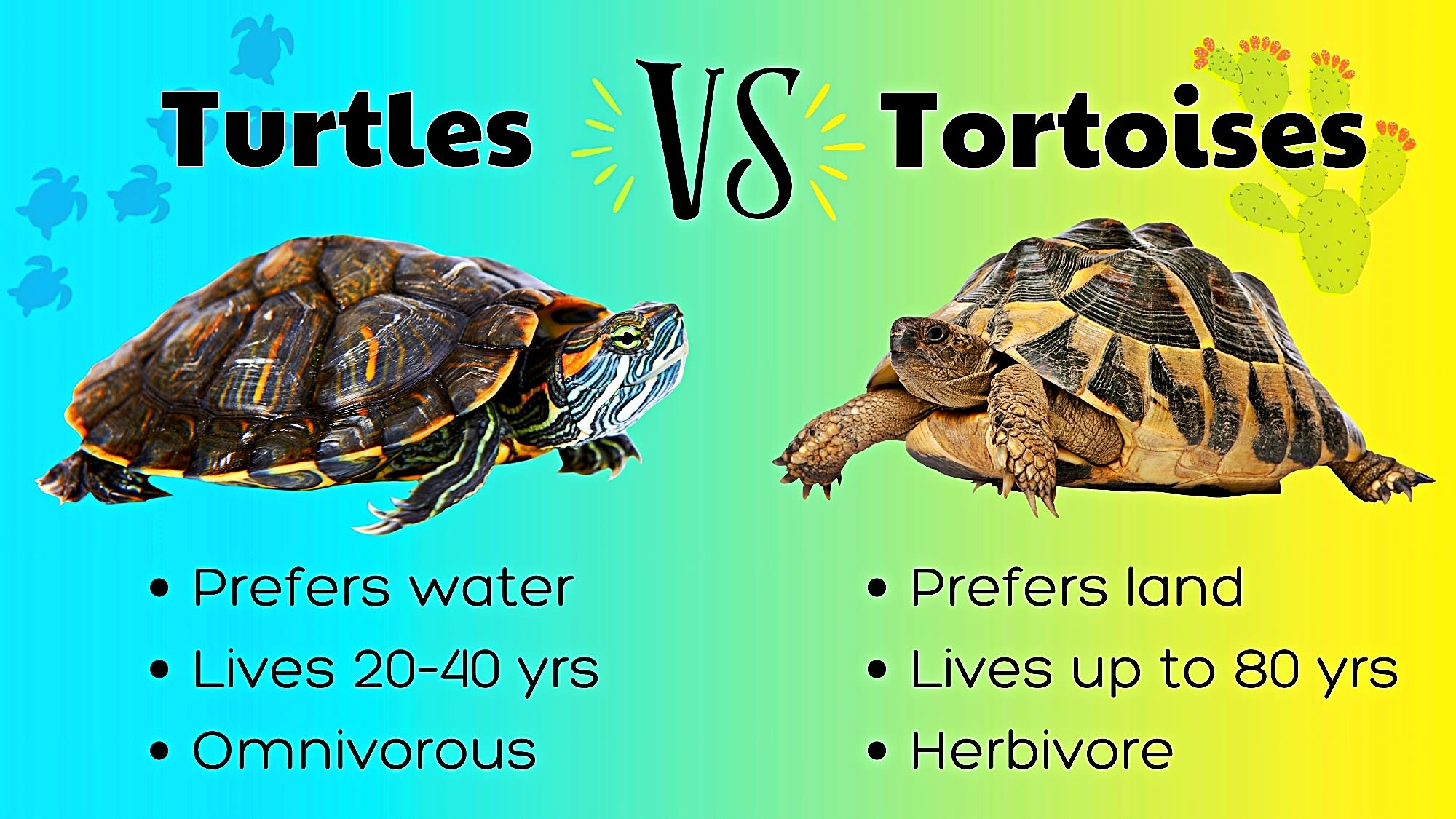
Okay, let's talk about the good stuff: food! Tortoises are herbivores, meaning they munch on plants. And not just any plants. For most popular pet species, the staple of their diet should be leafy greens. Think dandelion greens (yes, the ones from your lawn, if you know they're pesticide-free!), collard greens, mustard greens, turnip greens, and endive. These are packed with the good stuff they need.
What about other veggies? A little bit here and there is okay for some species, but you need to be careful. Things like carrots and bell peppers should be fed sparingly as treats, as they can be a bit high in sugar. And please, for the love of all that is shelled, avoid fruit. Most tortoises can't digest fruit properly, and it can cause a whole host of digestive issues. So, no offering them grapes or strawberries as a "treat." They’re not dogs, bless their little scaly hearts!
You'll also need to dust their food with calcium powder. This is especially important for young, growing tortoises, but beneficial for all. Some calcium powders have Vitamin D3 added, which is great if your UVB lighting isn't perfect, but it's generally best to have a plain calcium supplement and rely on your UVB for the D3. Think of it as making sure their bones are as strong as their shell!
How often should you feed them? Young, growing tortoises might need to be fed daily. Older tortoises can be fed every other day or a few times a week. Again, this depends on the species, so do your homework! It’s all about finding that sweet spot for their digestive system.

Hiding Spots and Enrichment
Even though they have a built-in house, tortoises appreciate a good hiding spot. This could be a half-log, a cork bark hide, or even a commercially made reptile hide. It gives them a sense of security, a place to retreat when they feel stressed or just want to have a nap without feeling exposed. Imagine never having a private space – no fun, right?
And what about playtime? Well, it's not exactly fetch, but tortoises do benefit from enrichment. This means making their enclosure interesting and stimulating. You can add different textures to their substrate, safe plants they can't eat (or that are edible but plentiful), and varied structures for them to climb on (within reason – they’re not mountain goats!). Some people even create "tortoise mazes" or simply rearrange things occasionally to keep them guessing. A little bit of novelty goes a long way in preventing boredom!
Important Considerations: Beyond the Basics
We've covered the main stuff, but there are a few other things to keep in mind to be a truly epic tortoise parent.
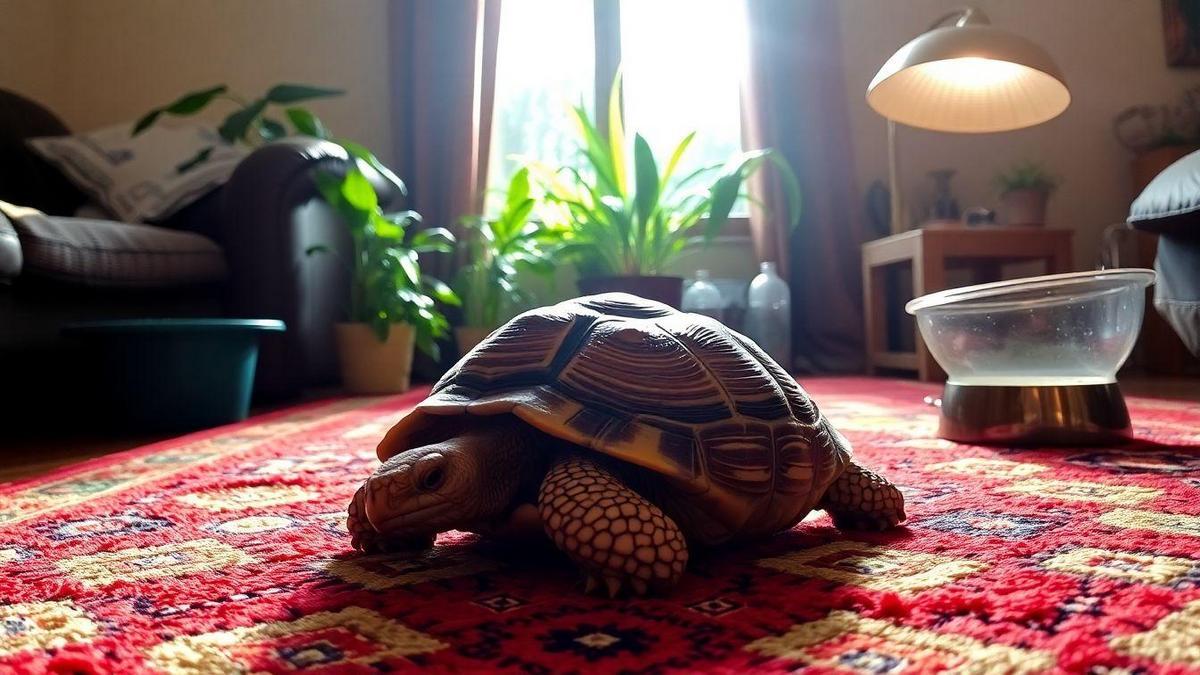
Veterinary Care: Just like us, tortoises can get sick. It's a good idea to find a reptile veterinarian in your area before you have an emergency. Regular check-ups can catch potential problems early. They’re not exactly chatty when they feel unwell, so you need to be observant.
Species Research: I know I've said it a few times, but I'm going to say it again: RESEARCH YOUR SPECIES! A Russian Tortoise has very different needs from a giant Sulcata. Their dietary requirements, humidity levels, temperature needs, and adult size can vary dramatically. Don't just pick the cute one you saw at the pet store without knowing its lifelong commitments. It’s like choosing a dog breed – you wouldn’t get a Great Dane if you live in a studio apartment!
Handling: Tortoises generally aren't pets that enjoy being handled constantly. They can be stressed by too much picking up. While it's okay to handle them gently for cleaning or health checks, try to limit it. Let them be tortoises! They're more for observing and appreciating their unique existence.
Soaking: Many tortoises benefit from regular soaks in shallow, lukewarm water. This helps with hydration and can encourage them to defecate. You can do this a few times a week, again, in a shallow dish.
Cleanliness: A clean enclosure is a healthy enclosure. Spot clean daily for droppings and uneaten food. A full substrate change might be needed every few months, depending on the type of substrate and how well you maintain it.
Escape Artists: Be aware that some tortoises are surprisingly good at escaping. Make sure your enclosure is secure and that there are no gaps they can wiggle through. They have a surprising amount of determination when they set their minds to it!
The Joy of Tortoise Keeping
Bringing a tortoise into your life is a commitment, no doubt about it. They can live for a very, very long time – some species for decades, even centuries in rare cases! But the reward is immense. Watching these ancient beings go about their slow, deliberate lives is incredibly calming and fascinating. They have a quiet dignity about them that is truly special. You'll learn their little personalities, their favourite spots to bask, and the way they enthusiastically crunch on a tasty dandelion leaf. It's a unique kind of companionship, built on observation, care, and a whole lot of respect for their natural needs.
So, if you're ready to embark on this wonderful journey, armed with this knowledge, you're well on your way to providing a fantastic life for your shelled friend. May your tortoise enclosure be spacious, your temperatures be perfect, and your dandelions always plentiful. Happy tortoise keeping, and get ready to smile every time you see that little head pop out of its shell!

