
What Do They Do In A Pre Op

So, you've got a date with the operating room on the horizon. Don't panic! The pre-op phase is less of a daunting hurdle and more of a gentle warm-up before the main event. Think of it as your personal pit stop, where the experts fine-tune your ride (that’s you!) to ensure everything runs smoothly. It’s all about getting you prepped, informed, and feeling as calm and collected as a cucumber in a spa.
Let's break down what actually happens during this crucial period. It's not some mysterious ritual performed in hushed tones. Instead, it's a series of practical steps designed to maximize your safety and comfort.
The Grand Tour: Your Pre-Op Checklist
When you get that call or email scheduling your surgery, it usually comes with a flurry of information. This is your pre-op instruction manual. Don't just shove it in a drawer! Read it. Reread it. Highlight the bits that seem most important. It’s your roadmap to a stress-free preparation.
Must Read
The first major thing you'll likely encounter is a pre-operative assessment. This can happen in person, over the phone, or even via a secure online portal. It's basically a deep dive into your health history. Think of it as a super-detailed interview where you spill the beans on everything your doctor needs to know.
The Health Deep Dive
They'll ask about your medical history, including any chronic conditions like diabetes, high blood pressure, or heart issues. They'll want to know about any past surgeries, allergies (especially to medications or latex), and if you've ever had a bad reaction to anesthesia. This isn't about judgment; it's about gathering vital puzzle pieces.
They'll also inquire about your lifestyle. Things like smoking habits, alcohol consumption, and recreational drug use are incredibly important because they can affect how your body responds to surgery and anesthesia. Be completely honest here. Your medical team is there to help, not to lecture. This information helps them tailor your care to your specific needs.
Medications are a big one. You'll be asked to list every single thing you take, from prescription drugs and over-the-counter remedies to vitamins, herbal supplements, and even things like essential oils. Some medications can interact with anesthesia or increase the risk of bleeding, so knowing the full picture is crucial. Your doctor might advise you to stop taking certain medications for a period before surgery.
The Physical Check-Up
Often, you'll have a physical examination. This might include taking your vital signs (blood pressure, heart rate, temperature), listening to your heart and lungs, and a general assessment of your physical health. Depending on the surgery, you might need blood tests, urine tests, or even imaging like X-rays or an EKG. These tests help confirm your overall health and identify any potential issues that need addressing before you go under the knife.
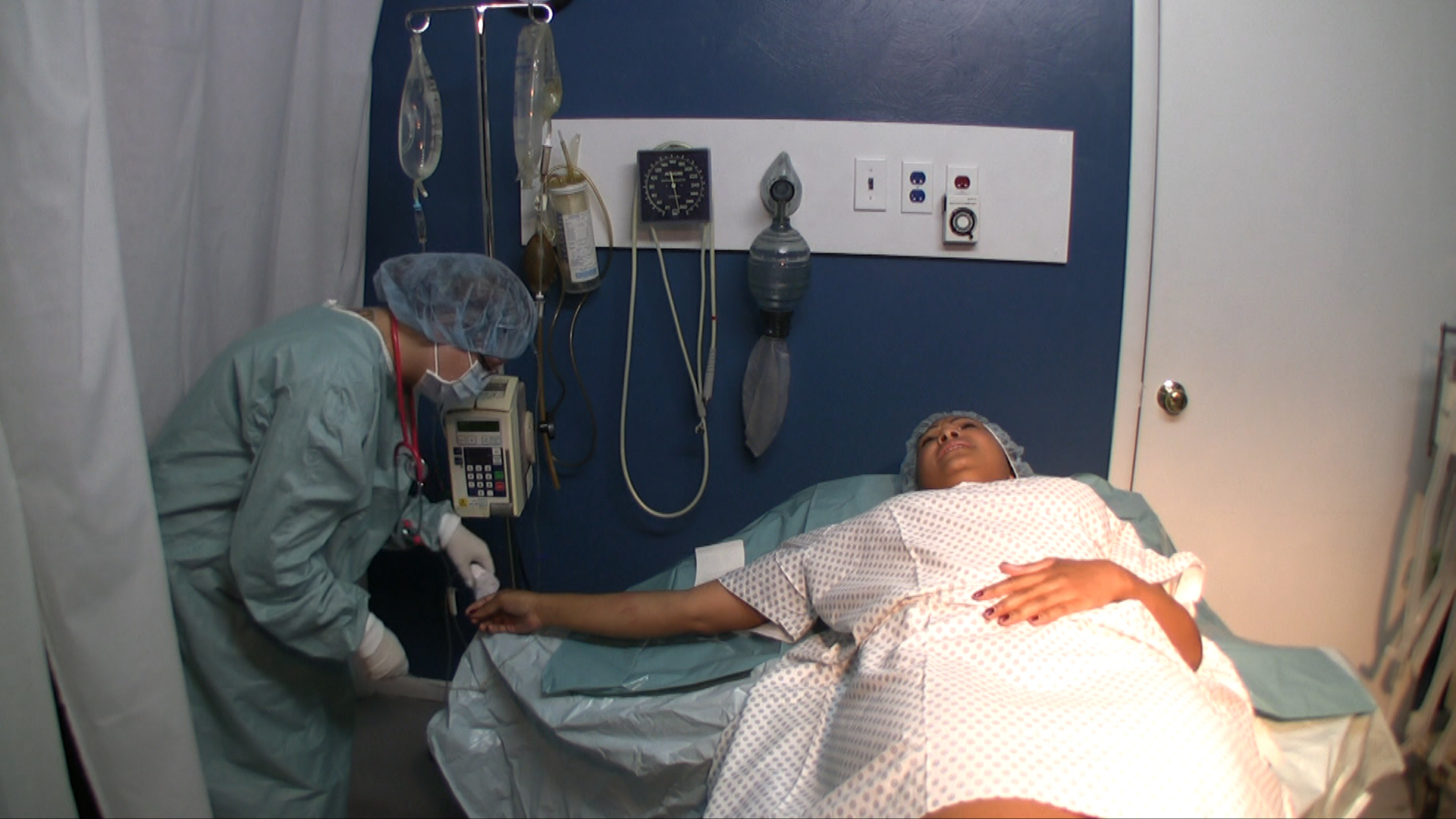
Think of it like getting your car serviced before a long road trip. You want to make sure all the fluids are topped up, the tires are good, and there are no hidden problems. This pre-op check is your body's equivalent of that vital tune-up.
The Nitty-Gritty: Practicalities and Protocols
Beyond the medical assessments, there are practical steps you need to take. These are often the ones that feel a bit more inconvenient but are absolutely essential for a safe and successful procedure.
Food and Drink: The Fasting Factor
One of the most common instructions you'll receive is about fasting before surgery. This means no food or drink for a specific period leading up to your procedure. Usually, this is for about six to eight hours before surgery. The reason is pretty straightforward: an empty stomach prevents nausea and vomiting during and after anesthesia, which can be serious complications.
You'll also likely be advised to avoid certain things. For instance, some doctors recommend avoiding alcohol in the days leading up to surgery as it can interfere with medications and healing. Similarly, if you're a smoker, you might be asked to quit or at least cut back significantly for a period before and after your surgery. Smoking impairs blood flow and wound healing – not ideal when your body is trying to recover.
Tip: Set multiple alarms or reminders on your phone for when you need to stop eating and drinking. It’s easy to lose track, especially when you’re feeling a bit anxious or distracted.

Hygiene and Home Prep
You might be asked to shower with a special antiseptic soap the night before and the morning of your surgery. This helps reduce the risk of infection. Don't underestimate the power of a good scrub! It’s like giving your skin a superhero shield.
Think about what you'll need when you get home. If you're having a procedure that requires recovery time, stock up on groceries, comfortable clothes, and anything else you might need. Arrange for someone to drive you home and ideally stay with you for the first 24 hours, especially if you're having anesthesia.
Fun Fact: The practice of cleaning surgical sites dates back centuries! Early surgeons knew cleanliness was important, even if they didn't fully understand the germ theory of disease. Hippocrates, the father of Western medicine, advocated for cleanliness in wound care.
The Emotional Tune-Up: Mind Over Matter
Let's be real: going into surgery can stir up a cocktail of emotions. Anxiety is a big one. It's perfectly normal to feel a bit apprehensive. The pre-op process is also about helping you manage these feelings.
The Power of Information
A well-informed patient is often a calmer patient. The pre-op appointment is your chance to ask every single question that’s bouncing around your head. Don't be shy! No question is too small or silly. Understanding the procedure, the recovery process, and what to expect can significantly reduce anxiety. It’s like knowing the plot of a movie before you watch it – it makes the experience less surprising and therefore less stressful.
You'll likely meet with nurses, and sometimes even the surgeon or anesthesiologist, during this phase. They are your go-to people for clarification. If you don't understand something, ask them to explain it again, perhaps in a different way. They’re trained to communicate complex medical information in an accessible manner.

Mental Rehearsal and Relaxation
Some people find it helpful to practice visualization techniques. Imagine the surgery going smoothly, your recovery being quick, and yourself feeling better. Think of it as positive self-talk, but with a visual component. Like rehearsing a presentation, but for your well-being.
Other helpful relaxation techniques include deep breathing exercises, meditation, or listening to calming music. There are tons of apps and online resources that can guide you through these. Even a simple 10-minute mindfulness session can make a world of difference.
Cultural Reference: Many cultures have traditions around healing and well-being that emphasize inner peace and positive energy. From the ancient Greeks’ concept of ataraxia (a state of serene calmness) to modern mindfulness practices, the idea of a calm mind aiding recovery is a consistent theme.
The Day Of: Final Touches
On the day of your surgery, the pre-op process continues in the hospital or surgical center. You'll likely change into a hospital gown – a rite of passage for many!
Your vital signs will be checked again, and you'll have an IV line inserted. This is for administering fluids and medications, including pain relief and, of course, the anesthesia. The anesthesiologist will also likely come to speak with you, review your chart, and answer any last-minute questions you might have about the anesthesia itself.
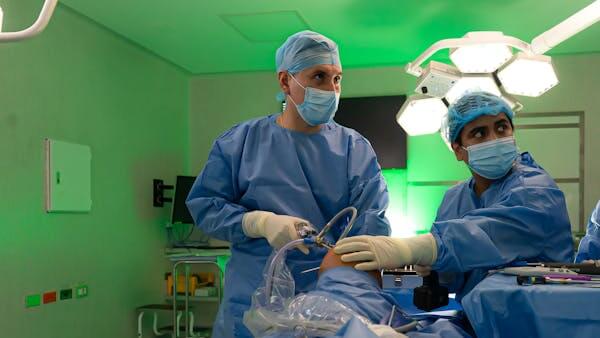
Your surgeon will also visit to confirm the procedure and mark the surgical site if necessary. It’s a chance for a final sign-off, ensuring everyone is on the same page.
What to Bring (and What to Leave at Home)
Keep it simple! Bring your ID, insurance card, a list of your medications, and any completed pre-op paperwork. Comfortable, loose-fitting clothes to wear home are a must. Pack a book, headphones, or anything else that might help you relax while you wait.
Leave valuables like jewelry, large sums of cash, and electronics (unless specifically permitted) at home. You don't want to be worrying about your designer watch while you're focused on recovery.
The Takeaway: A Smooth Transition
The pre-operative phase is fundamentally about preparation and reassurance. It’s a well-orchestrated process designed to ensure your safety, minimize risks, and set you up for the best possible outcome. By understanding what’s involved, actively participating in your assessments, and taking care of your physical and mental well-being, you can approach your surgery with confidence.
Think of it like packing for a dream vacation. You do your research, gather your essentials, and plan your itinerary. The pre-op is your personal travel plan for a successful medical journey. It’s not just about the procedure itself, but about the entire experience, ensuring you feel supported and cared for every step of the way.
And in the grand scheme of things, these preparation steps are a small investment for a significant return: your health. It's a testament to how modern medicine prioritizes the individual, ensuring that even before the scalpel touches, the focus is on you, your safety, and your comfort. It’s a gentle reminder that sometimes, the most important work happens before the main event even begins, paving the way for a smoother, more positive outcome.

