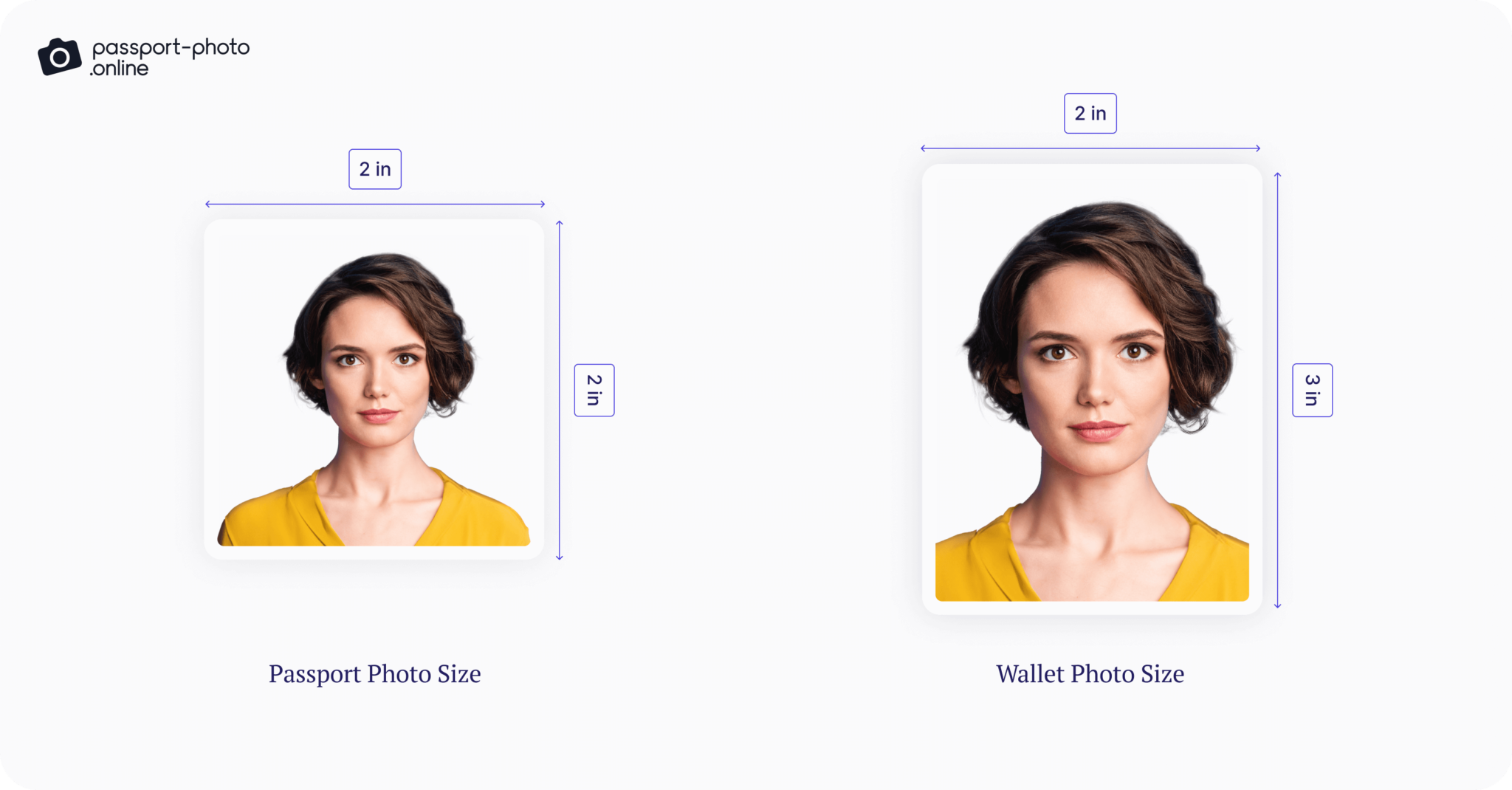
What Are Wallet Size Dimensions

Hey there, fellow humans! Ever stopped to think about the humble wallet? Yeah, that little thing we stuff our cash, cards, and maybe that crumpled photo of a beloved pet into. We use it every single day, but have you ever really considered its dimensions? It sounds a bit… technical, right? Like something an engineer or a tailor would obsess over. But honestly, there's something kinda neat about it when you dig a little deeper.
So, what exactly are wallet size dimensions, anyway? It’s not like there's a universal law dictating that every wallet must be exactly this size or that. But there are definitely some widely accepted standards, and understanding them helps us appreciate why our wallets fit so snugly in our pockets and why some just… don't. It’s all about that perfect balance, you know?
The Standard Wallet Symphony
When most people think of a wallet, they’re probably picturing the classic bifold or a slim cardholder. These are the workhorses of the wallet world, and they tend to stick to a pretty consistent size range. Think of it like a favorite song; it has a structure that just works.
Must Read
Generally, a standard bifold wallet clocks in around 8.5 to 9 inches in length when fully opened, and about 3.5 to 4 inches in height. When it’s folded up, that’s your pocket-friendly size, usually around 4.5 inches wide by 3.5 inches tall. That’s about the size of a deck of cards laid side-by-side, or maybe a small smartphone.
Why these numbers? Well, it’s partly about tradition, and partly about pure, practical ergonomics. Our back pockets, historically speaking, are roughly that size. A wallet that’s too big is going to bulge and be uncomfortable. Too small, and it might not hold all your essentials. It’s a sweet spot that’s been refined over years and years.
The Cardholder Conundrum (or lack thereof!)
Now, let’s talk about the sleek and minimalist cardholder. These guys are all about streamlining. They’re built to hold just the absolute necessities – your most-used cards and maybe a few folded bills. They’re a bit more forgiving with dimensions because they aren’t designed to swallow a whole wad of cash.

Cardholders can vary more, but they typically fall in the range of 4 inches wide by 3 inches tall when empty. Some can be even slimmer, like a credit card itself (which is about 3.37 inches long and 2.125 inches wide). A cardholder is basically trying to be as close to the size of your cards as possible, just with a bit more structure and the ability to sneak in a couple of emergency dollars.
It’s kind of like comparing a full-sized backpack to a fanny pack. Both carry things, but they serve different purposes and have very different size constraints. The cardholder is your streamlined, "just the essentials" option.
Why Does It Even Matter? (Spoiler: It kinda does!)
You might be thinking, "Okay, cool dimensions, but who cares?" Well, believe it or not, these dimensions have a huge impact on your daily life. Think about it:
- Pocket Perfection: The primary reason wallet dimensions are so important is pocket fit. A wallet that’s too wide will stick out awkwardly. A wallet that’s too tall might poke you when you sit down. It’s all about that seamless integration into your clothing.
- Comfort is Key: Nobody wants a brick in their back pocket. The right dimensions mean a comfortable carry, whether you’re walking, sitting, or even running for the bus (we’ve all been there!).
- Capacity vs. Clutter: Different dimensions allow for different capacities. A larger bifold might hold more cards and cash, but it can also lead to more clutter. A slimmer wallet forces you to be more selective. It’s a trade-off, like choosing between a king-sized bed and a cozy futon.
- Style Statement: Let's be honest, your wallet is a subtle accessory. The dimensions, along with the material and design, contribute to the overall aesthetic. A sleek, slim wallet often conveys a sense of modern sophistication, while a more traditional bifold might feel more classic and substantial.
The "European" Fold: A Different Flavor
Have you ever heard of a "European" wallet? These often have different proportions. They tend to be taller and narrower than their American counterparts. Instead of folding in half horizontally like a bifold, they might fold in thirds vertically.
These dimensions are often around 4.5 to 5 inches tall and 3.5 to 4 inches wide when closed. The idea here is that they can accommodate larger banknotes (like Euros or Pounds) more easily without as much folding, which can sometimes be a pain. It's a subtle shift, but it can make a difference for international travelers or those who deal with different currencies regularly. It’s like choosing between a wide-brimmed hat and a fedora – both offer shade, but with a different look and feel.
Beyond the Bifold: The Quirky and the Custom
Of course, the world of wallets isn't limited to just bifolds and cardholders. There are trifolds, money clips, travel wallets, and all sorts of niche designs. Their dimensions can vary wildly.
.png)
Trifolds, for instance, often have similar widths to bifolds but are taller when open to accommodate the extra fold. Money clips are designed to be incredibly thin, holding just cash and a couple of cards. Travel wallets can be quite large, often the size of a small clutch, to hold passports, boarding passes, currency, and other travel essentials.
And then there are custom-made wallets. These are where dimensions can get really interesting. You can get something designed to fit your specific needs, whether that’s holding a particular number of business cards, a specific type of coin, or even a hidden compartment for a tiny emergency tool. It’s like having a bespoke suit for your money!
The Material's the Master
It's also worth noting that the material of the wallet can affect how it feels and even how its dimensions are perceived. A thick leather wallet, even at standard dimensions, will feel more substantial than a super-thin nylon cardholder. The flexibility of the material also plays a role. A stiff leather might feel a bit more rigid within its dimensions, while a soft, supple leather will mold and flex more readily.

It’s like comparing a crisp linen shirt to a soft cotton t-shirt. Both might cover you, but the feel and drape are entirely different, even if the "size" is comparable.
The Takeaway: It's All About the Fit
So, next time you pull out your wallet, take a moment. Notice how it feels in your hand, how it slides into your pocket. Those dimensions, seemingly minor, are the result of centuries of practical design and evolving needs. They’re the unsung heroes of our daily transactions, ensuring that our financial lives are carried with a blend of convenience, security, and a touch of personal style.
It's a small detail, but understanding wallet size dimensions gives you a little more appreciation for the everyday objects we take for granted. And who knows, maybe it’ll inspire you to think about the dimensions of other things in your life. Happy pocketing!