What Are The Objective Lenses On A Microscope

Have you ever peered through a microscope and marveled at the hidden worlds it reveals? From the intricate patterns on a butterfly's wing to the bustling activity of single-celled organisms, microscopes open up a universe of wonders right before our eyes. And at the heart of this incredible magnification power are the objective lenses. These aren't just fancy bits of glass; they're the unsung heroes of microscopy, the primary workhorses that gather light and create the initial, magnified image.
So, what exactly are these objective lenses, and why should you care? Think of them as the "eyes" of the microscope. Their main purpose is to gather light from your specimen and create a highly magnified, real image. This image is then further magnified by the eyepiece (or ocular lens) to give you the final, super-sized view. Without a good objective lens, even the most sophisticated microscope would be pretty useless. The quality and magnification of the objective lens directly determine how much detail you can see and how close you can get to those tiny, fascinating subjects.
The benefits of understanding objective lenses are pretty significant, especially if you're curious about the world around you. They allow us to explore the microscopic realm, which is crucial in so many fields. In education, they're fundamental for biology classes, teaching students about cells, bacteria, and the intricate structures of life. Imagine a student in a science lab, looking at a drop of pond water and seeing paramecia swimming – that's the magic of a good objective lens at work!
Must Read
But it's not just for scientists and students. Objective lenses play a role in our daily lives too, even if we don't realize it. Think about medical diagnostics: doctors use microscopes with powerful objective lenses to examine blood samples, tissue biopsies, and identify diseases. In materials science, they help engineers inspect the quality of tiny components in electronics or the structure of new materials. Even in forensics, objective lenses are used to analyze evidence at a microscopic level.

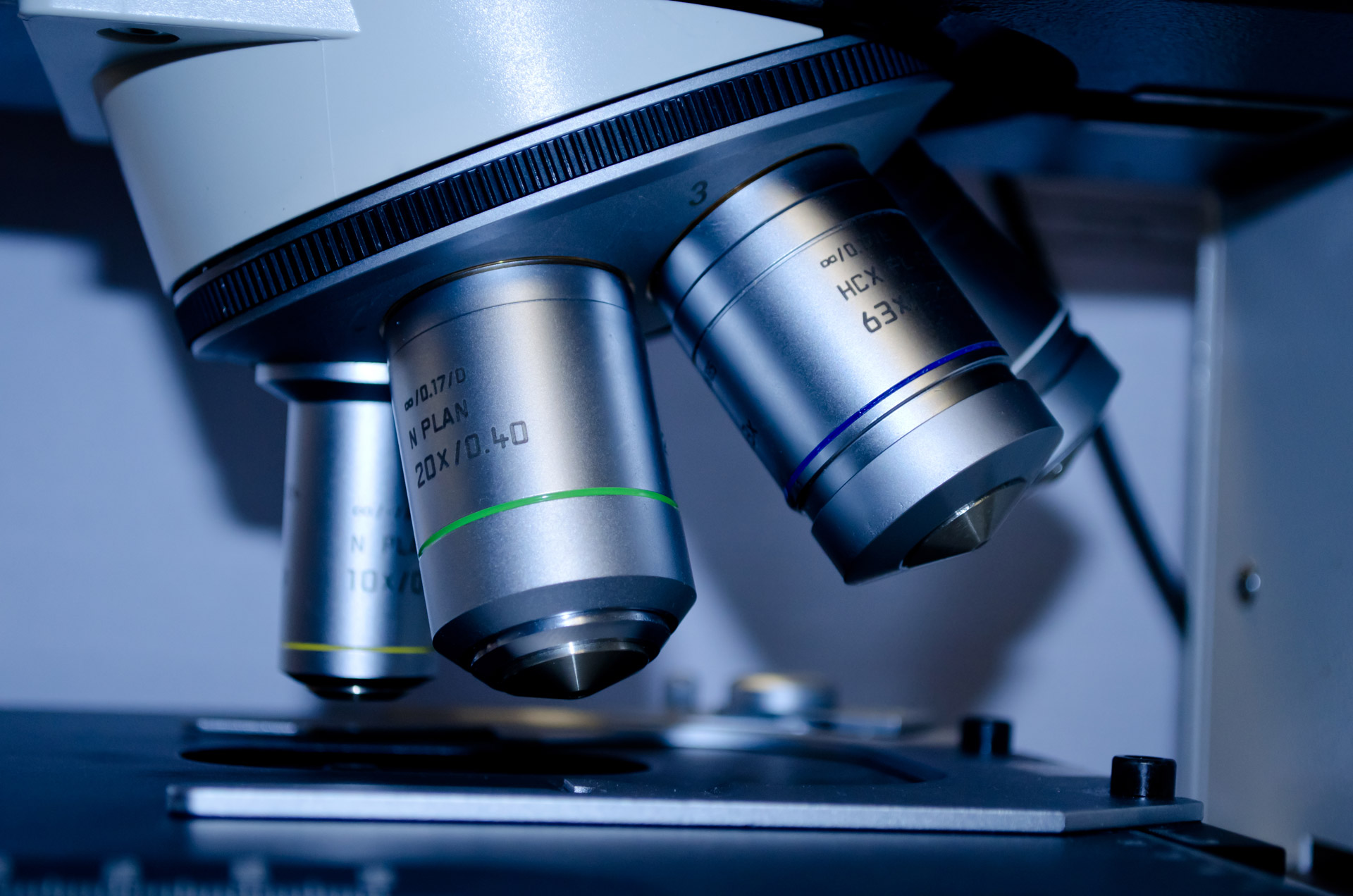
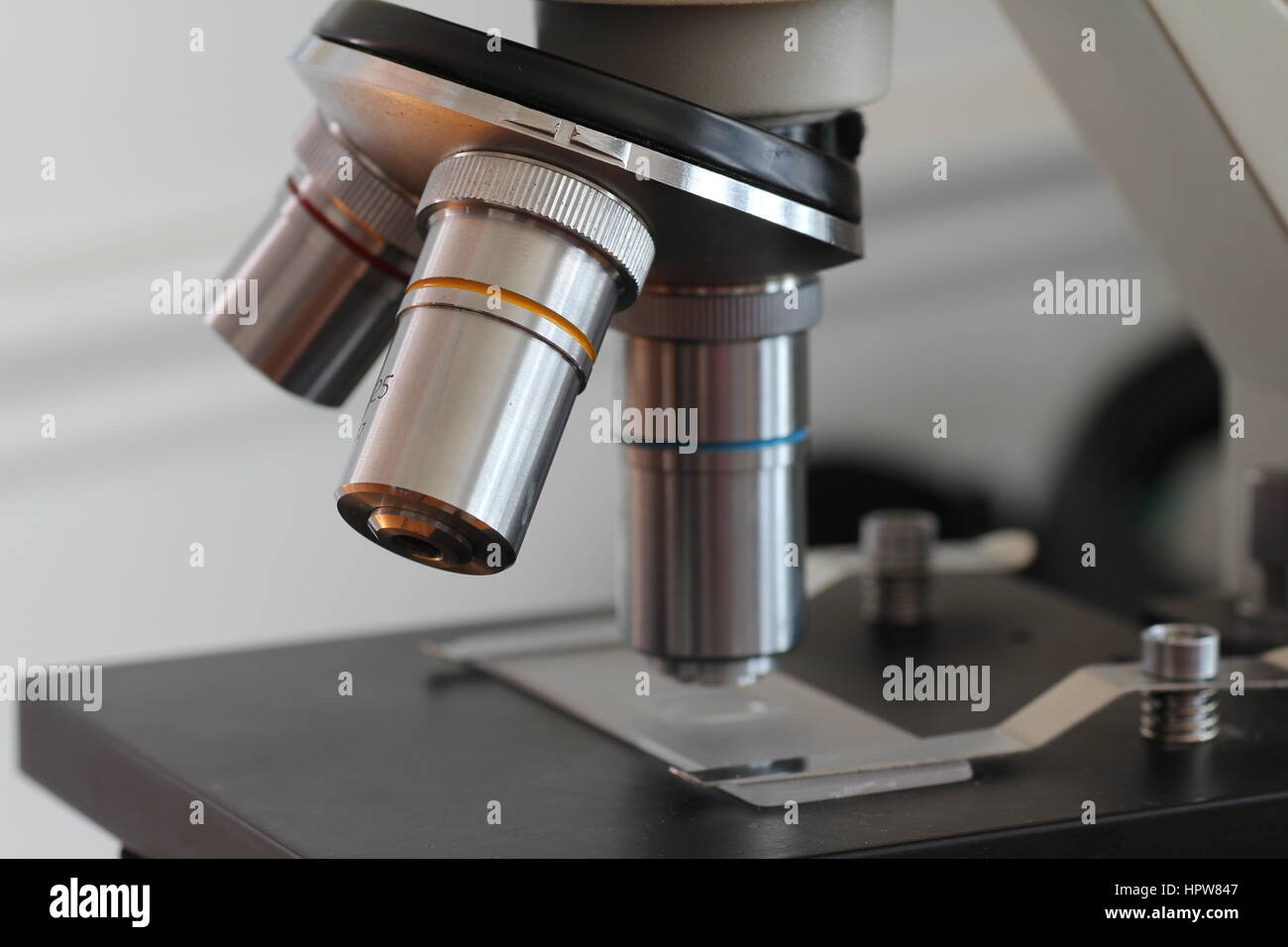
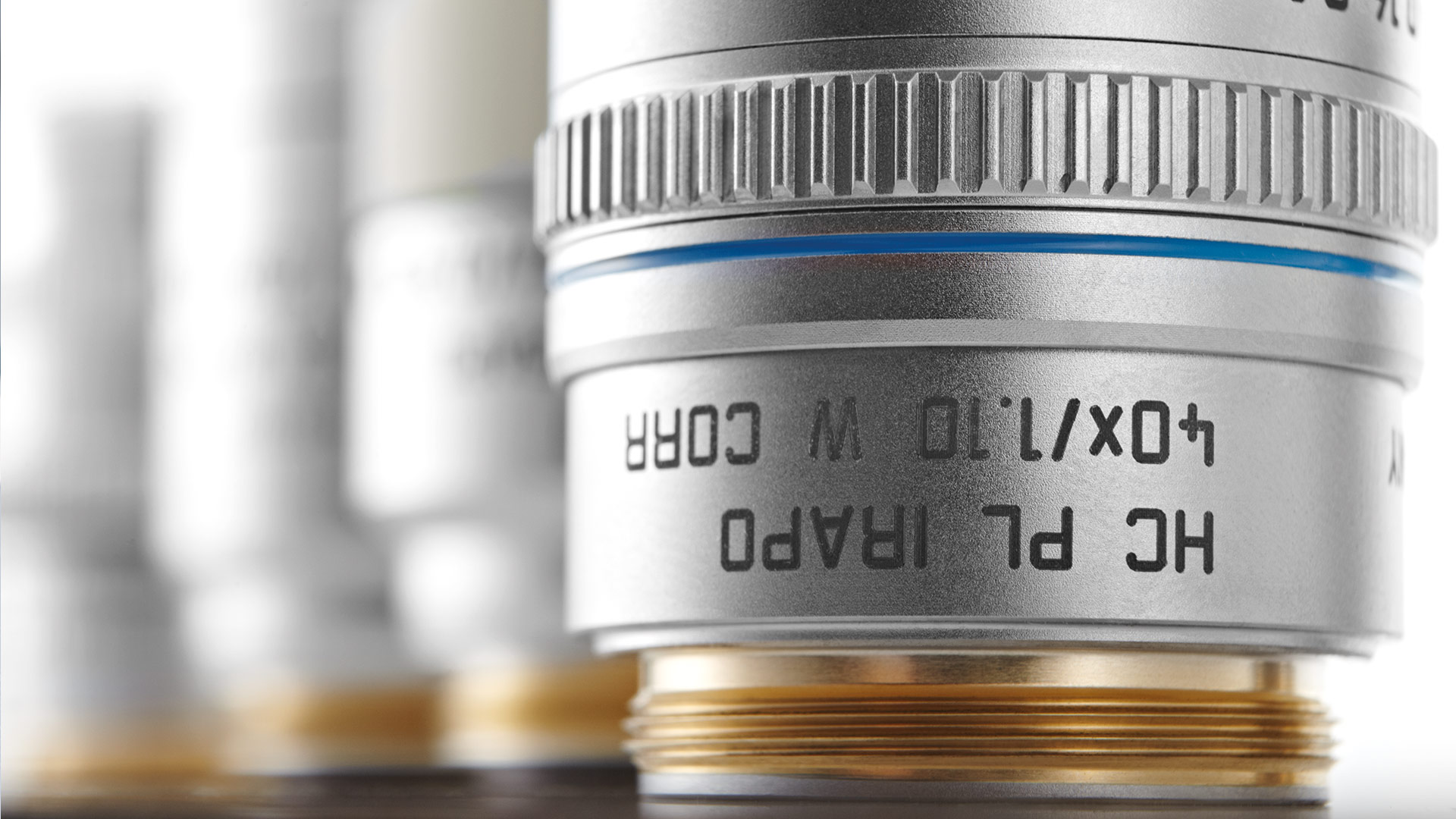
Exploring objective lenses doesn't require a laboratory. If you have access to a microscope, even a basic one, you can start experimenting. Pay attention to the different lenses attached to the revolving nosepiece. You'll notice they have numbers and letters printed on them, like "4x," "10x," or "40x," indicating their magnification. Some might also have an "oil" marking, which means they're designed for use with immersion oil for even higher magnification and clarity. Try observing the same specimen with different objective lenses and see how the level of detail changes. Notice how the field of view (the area you can see) gets smaller as the magnification increases.
You can also experiment with common household items. A tiny bit of sugar crystals, a strand of hair, or a leaf fragment can reveal surprisingly intricate patterns under magnification. Remember to start with the lowest power objective lens first and then gradually move to higher powers. It's a simple yet incredibly rewarding way to appreciate the power and importance of these often-overlooked components. So next time you look through a microscope, give a nod to those objective lenses – they're your gateway to a universe of the very, very small!