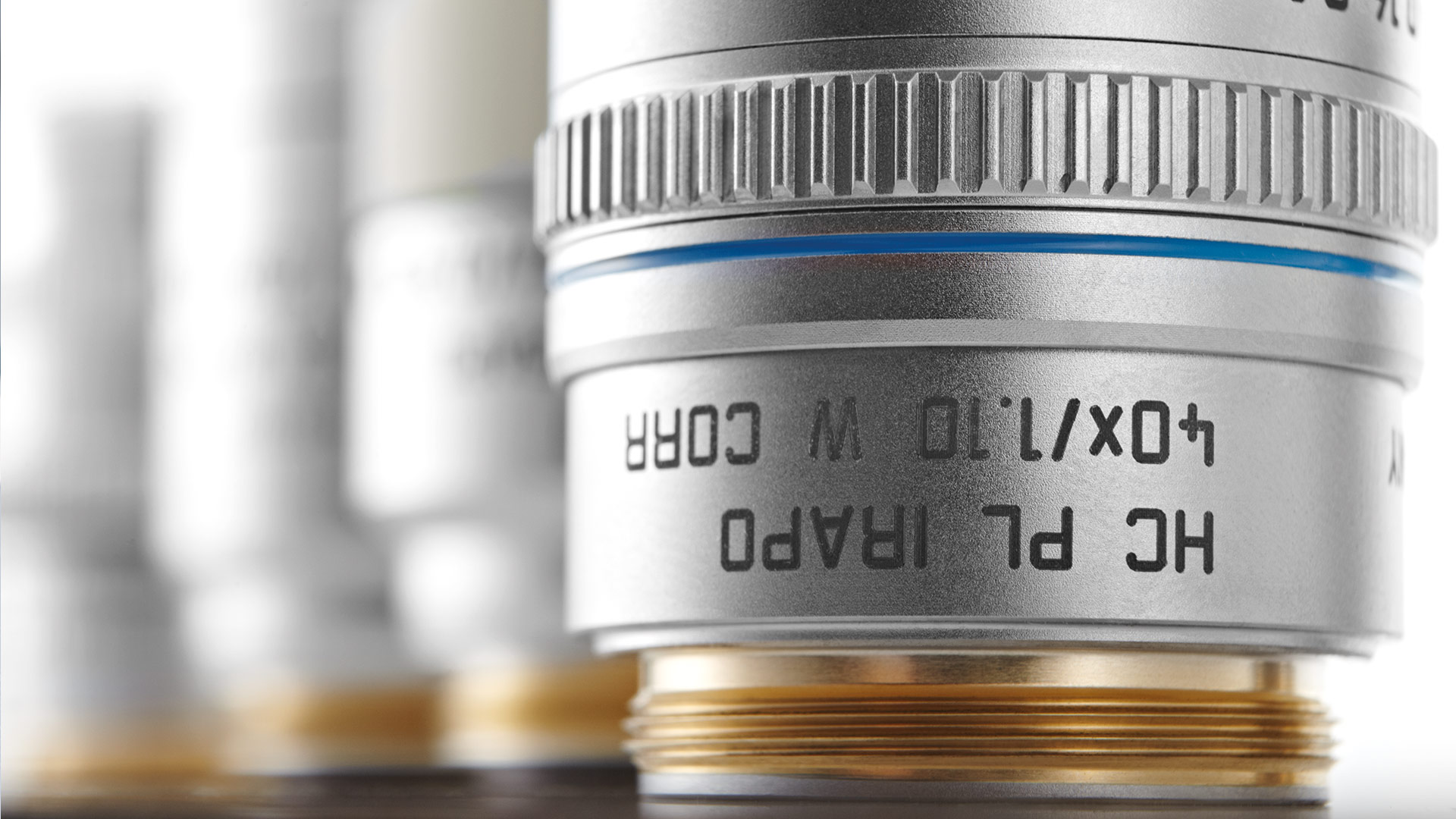
What Are The 3 Objective Lenses On A Microscope

Ever stared into a microscope and felt like you were on the cusp of discovering a brand new universe? It’s a feeling, right? You’ve got your little slide, maybe a tiny speck of something interesting, and you’re ready for some serious science. But then, you notice those little knobs. And those other little knobs. And then, the main attraction: the objective lenses.
These aren't just pretty glass tubes. They're your ticket to seeing the teeny-tiny. Think of them as your magnifying glasses on steroids. And guess what? There isn't just one. There are usually a few, all lined up, just waiting for you to spin them into action. It’s like a carousel of microscopic possibilities!
Now, if you’re anything like me, the first time you encountered them, you might have thought, "Okay, how many of these things do I actually need?" You probably just fiddled until something looked vaguely clear. And hey, no judgment here! We've all been there. But today, let's decode these little wonders. Let's talk about the three objective lenses you'll most commonly find hanging out on your microscope.
Must Read
The Lowly (But Lovely) 4x: Your First Friend
Meet the first guy in our objective lens trio: the 4x lens. This one is your gentle introduction to the microscopic world. It's the one you’ll likely start with most of the time. Think of it as the friendly wave hello from the land of the small.
Its magnification is pretty low, hence the "lowly" title. But don't let that fool you. This lens is fantastic for getting a big picture. You can scan your entire slide with it and find the general area you want to explore further. It’s like scouting out the neighborhood before deciding which house to visit.
The 4x objective has a wide field of view. This means you can see a larger portion of your sample at once. It’s perfect for locating specimens or just getting a general overview of your prepared slide. It’s the grand tour before you zoom in on the details.
Unpopular opinion incoming: Sometimes, the 4x is all you need! Not every scientific breakthrough requires seeing bacteria do a jig. Sometimes, just seeing that a whole bunch of something is there is enough. Don’t underestimate the power of the basic. It’s the comfy sweatpants of the microscope world – reliable and gets the job done.
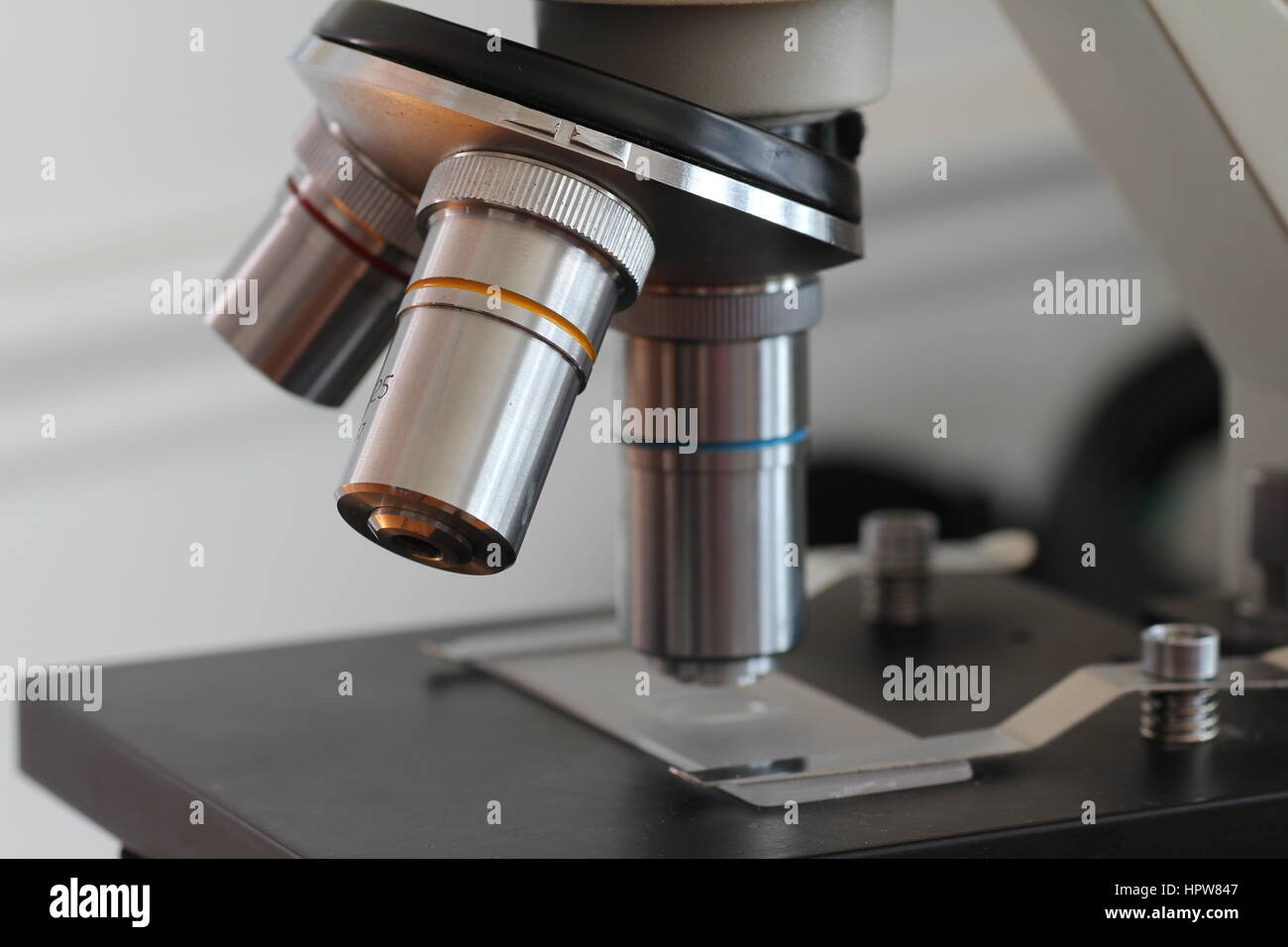
The Mid-Level Marvel: The 10x Objective
Next up in our microscopic caravan is the 10x objective lens. This one is a step up. It’s like moving from a nice overview to a slightly more intimate conversation with your tiny subject.
With the 10x, things start to get a bit more interesting. You're not just seeing "stuff" anymore; you're starting to see shapes. You can make out cells more clearly, or perhaps the distinct features of a tiny insect leg. It’s where the plot thickens, microscopically speaking.
The 10x lens offers a good balance between magnification and field of view. You’re still seeing a decent chunk of your slide, but the details are much sharper and more defined than with the 4x. It’s the reliable middle child, always there to provide a good compromise.
Many general observations are perfectly suited for this magnification. If you're a student learning to use a microscope, the 10x is probably your workhorse. It’s the bread and butter of basic microscopic exploration. It’s where you start to feel like a real scientist, even if you’re just looking at pond water.
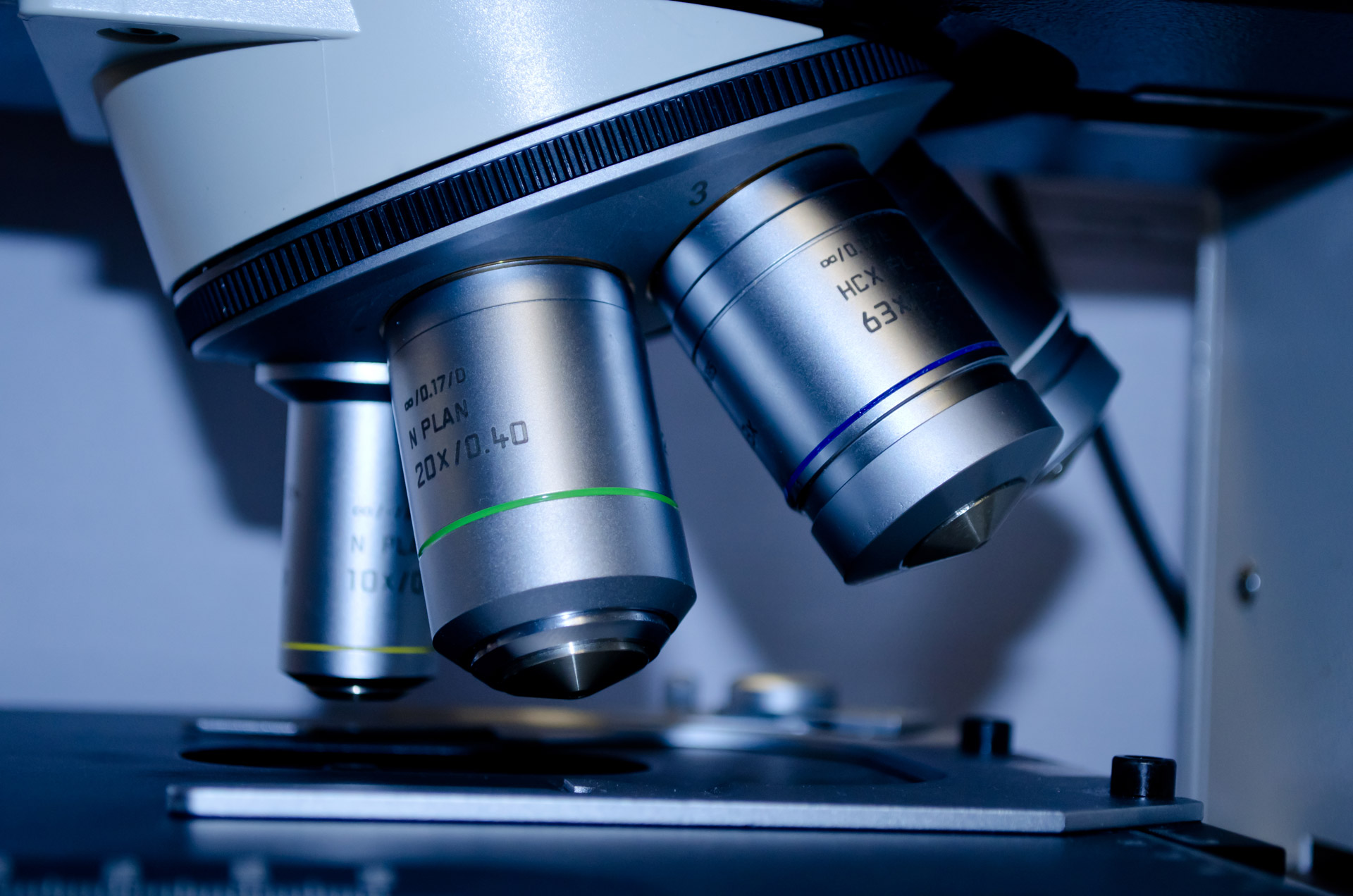
You’ll find yourself switching to the 10x after locating something promising with the 4x. It’s the natural progression. You’ve found your spot, now let’s get a closer look. It’s like finding the perfect meme and then wanting to share it with everyone you know, but with scientific accuracy.
The High-Powered Hero: The 40x Objective
And now, for the main event, the star of our objective lens show: the 40x objective lens! This is where the real magic happens. Prepare to be amazed, or at least mildly impressed.
When you spin this beauty into place, the world under your microscope transforms. Suddenly, those blurry shapes from the 10x become incredibly detailed. You can see the nucleus of a cell, the intricate patterns on a diatom, or the tiny hairs on a fly’s wing. It’s like going from a blurry selfie to a professional portrait.
The 40x objective offers a significant magnification boost. However, it also comes with a trade-off: a much smaller field of view. You’re focusing in on a very specific area. It’s like putting on blinders, but in a good way, so you can concentrate on the fine details.

This is where you’ll spend a lot of time when you really need to examine something closely. It’s the investigative journalist of the objective lenses, digging deep into the story.
Important note, my friends: When you use the 40x, you'll often need to use the fine focus knob. The coarse focus knob is too aggressive at this magnification. It’s like trying to thread a needle with oven mitts on. The fine focus is your delicate touch. Don't be afraid of it!
Sometimes, the 40x can feel overwhelming. Everything is so magnified! You might find yourself frantically moving the slide, trying to keep your subject in view. It's a common experience, and frankly, a bit comical if you think about it. We're all just little humans trying to wrangle microscopic things.
Beyond the Trio: The (Rarely Used by Me) 100x
Now, I know what some of you are thinking. "But what about the even higher ones?" Yes, there are often even more powerful lenses, like the 100x objective. This one usually requires immersion oil. And honestly? For most casual observers, it's a bit of a hassle.

The 100x objective offers incredible magnification. You can see things that are almost impossibly small. But the oil is sticky, it can be messy, and sometimes you wonder if the extra detail is worth the extra effort. For the average person just wanting to peek at some interesting cells, it's usually overkill.
It’s the fancy sports car of lenses. Amazing for specific, high-stakes races, but maybe not what you take to the grocery store. We’ll stick to our trusty 4x, 10x, and 40x for our everyday microscopic adventures.
Putting It All Together
So, there you have it. The dynamic trio of objective lenses: the guiding 4x, the observant 10x, and the detail-obsessed 40x. They work together, each playing a crucial role in revealing the hidden world around us.
You start broad with the 4x, find your target, then step it up to the 10x for a better look. Finally, you zoom in with the 40x for the nitty-gritty details. It’s a systematic process, a scientific dance. And it’s surprisingly satisfying.
The next time you find yourself peering into a microscope, take a moment to appreciate these ingenious little tools. They’re not just glass; they’re your gateway to a universe of wonder. And who knows? Maybe with the right lens, you’ll be the one to discover that brand new universe after all. Happy peering!