
What Air Con Gas Do I Need
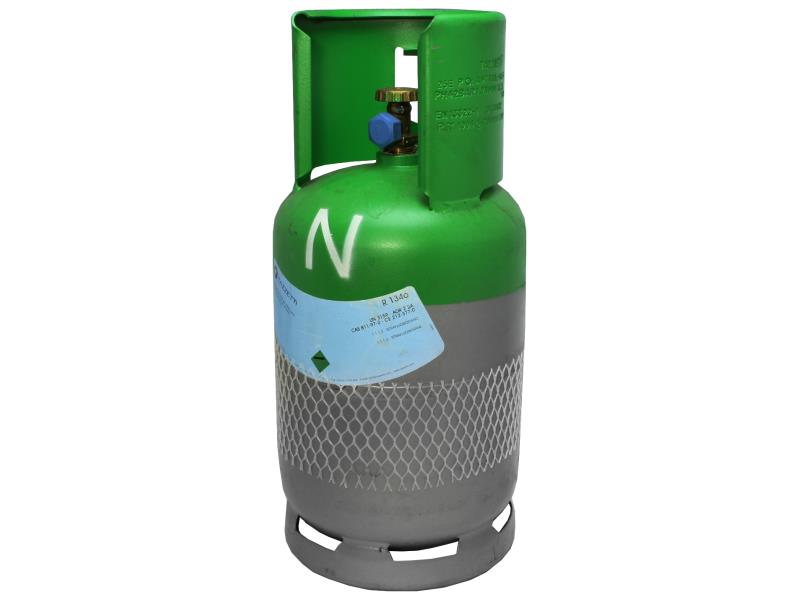
Hey there, cool cat! So, your trusty air conditioner is starting to sound a little… wheezy? Or maybe it's just not delivering that arctic blast you've come to expect during those sweltering summer days. You've probably heard whispers about "air con gas" and now you're wondering, "What on earth is that, and more importantly, what air con gas do I need?" Don't sweat it (pun totally intended!), because we're about to dive into the wonderfully weird world of refrigerant gases without making your brain feel like it's in a sauna.
Think of your air conditioner like a sophisticated refrigerator. It doesn't actually create cold; it's more of a magician that moves heat from inside your home to the outside. And the star of this heat-moving show? That's right, it's the refrigerant, often casually referred to as "air con gas." It's this magical liquid that cycles through your system, absorbing heat as it evaporates and releasing it as it condenses. Pretty neat, huh?
Now, the big question: what kind of gas is this magical stuff? The answer, my friend, is that it's not just one single gas. The world of air conditioning has evolved, and so have the refrigerants. It's kind of like how phones went from rotary dials to smartphones – a significant upgrade!
Must Read
The Classics: R-22 and Why It's Not Your Friend Anymore
Let's start with the old-timer, the granddaddy of air con gases: R-22, also known as Freon. For years, R-22 was the go-to for pretty much all air conditioning systems. It was reliable, it did the job, and everyone knew it. So, what's the big deal? Well, R-22, bless its heart, is a bit of an environmental party pooper. It's a hydrochlorofluorocarbon (HCFC), and when it escapes into the atmosphere, it’s not exactly singing Kumbaya with the ozone layer.
Remember when we were all told to use sunscreen because of the hole in the ozone layer? Yeah, R-22 had a hand in that. Because of its ozone-depleting properties, it’s been phased out in most developed countries. This means that if your air conditioner is an older model, it likely uses R-22. And if it's leaking, topping it up is becoming increasingly difficult and expensive, not to mention the environmental guilt trip you might get.
So, if someone tells you your system needs R-22, you might want to have a serious chat with them. It’s like asking for a floppy disk in a world of cloud storage – technically possible, but definitely not the future.
The Modern Marvel: R-410A, the Current Champion
Enter the hero of our story (at least for now): R-410A. This is the most common refrigerant you'll find in air conditioning systems installed in the last decade or so. It's a hydrofluorocarbon (HFC), which is a significant improvement because it doesn't harm the ozone layer. Hooray for the planet!
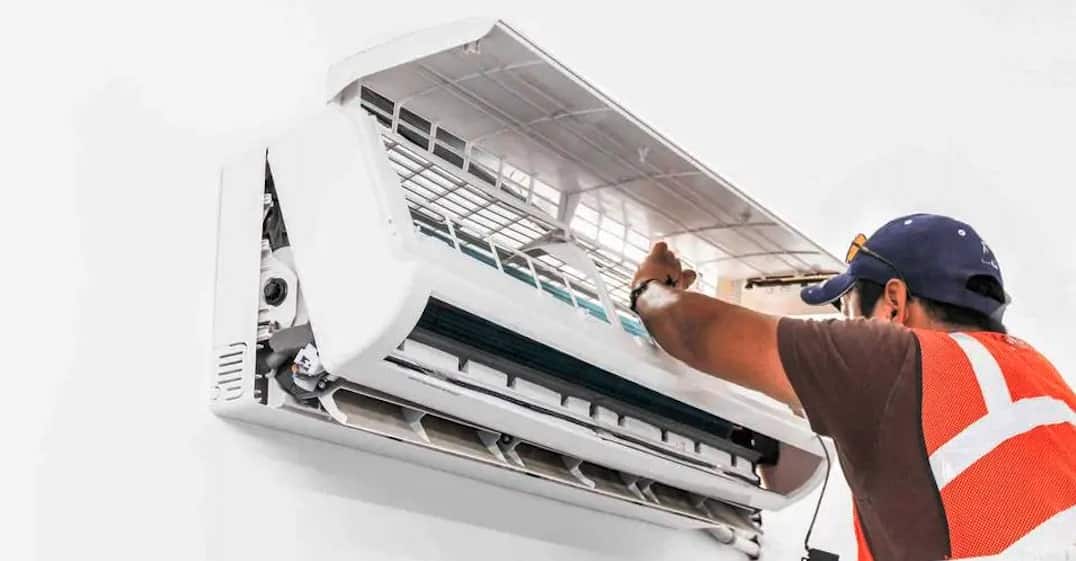
R-410A is a blend of two other refrigerants, R-32 and R-125. Think of it as a perfectly mixed cocktail designed for optimal cooling. It works more efficiently than R-22 and can even allow manufacturers to design more compact and quieter air conditioning units. Plus, it's readily available, so if your system needs a top-up, this is likely what you'll be getting.
But wait, there's a tiny catch, a little footnote in the R-410A saga. While it's ozone-friendly, it's not exactly a greenhouse gas's worst nightmare. It does have a higher global warming potential (GWP) compared to some newer refrigerants. So, while it saved the ozone layer, it's still a bit of a contributor to the warming planet. It’s a step forward, but the journey continues!
The Future is Green(er): R-32, the Eco-Warrior
Now, let's talk about the hot new kid on the block, the eco-warrior we've all been waiting for: R-32. This guy is making serious waves in the air conditioning world, and for good reason.
R-32 is also an HFC, but it's a single component refrigerant, unlike the R-410A blend. And here's where it gets exciting: it has a significantly lower GWP than R-410A. We're talking about roughly one-third of the impact. This means that if your air conditioner leaks R-32, it’s doing far less damage to the planet's climate. Think of it as going from a slightly smoky campfire to a clean-burning candle.
But the goodness doesn't stop there! R-32 is also more energy-efficient. This means your air conditioner can run cooler and use less electricity to achieve the same level of cooling. So, not only is it better for the environment, but it can also be kinder to your wallet through lower energy bills. Double win!

You'll start seeing R-32 more and more in newer air conditioning units. Many manufacturers are making the switch because of its environmental benefits and performance advantages. If you're in the market for a new AC system, definitely ask about R-32 models!
How Do You Know What Air Con Gas You Need?
Alright, so we've covered the main players. But how do you actually figure out what gas your existing air conditioner uses? This is where the detective work begins!
Check Your Unit's Label!
This is your first and best bet. Most air conditioning units have a data plate or label somewhere on them. It's usually on the outdoor unit, but sometimes it can be on the indoor unit or even the manual. This label contains all sorts of vital information, including the type of refrigerant it uses. Look for something that says "Refrigerant," "Refrig." or "Gas Type," followed by a code like R-22, R-410A, or R-32. It's like finding a treasure map for your AC!
Consult Your Manual
If your unit is relatively new, you probably have a user manual stashed away somewhere. That manual is a goldmine of information. It will detail the specifications of your air conditioner, including the type of refrigerant it’s designed to run on.
Ask a Professional
If you've scoured your unit and your manual and are still drawing a blank, don't despair! Your friendly neighborhood HVAC technician will know instantly. When they come to service or repair your air conditioner, they’ll be able to identify the refrigerant type just by looking at it or by using their diagnostic tools. They're basically AC whisperers!

What If My AC Needs a Top-Up?
This is a crucial point. If your air conditioner is losing its cool, it's likely due to a refrigerant leak. And here's the golden rule: refrigerant is not something you should ever buy and top up yourself. Seriously, don't try to be a DIY refrigerant hero. These gases are under high pressure and can be dangerous if handled improperly. Plus, you need special equipment to do it correctly.
Instead, call a qualified HVAC technician. They have the right tools and expertise to:
- Locate the leak: They can pinpoint where the refrigerant is escaping.
- Repair the leak: They'll fix the problem so it doesn't happen again.
- Recharge the system: They'll add the correct type and amount of refrigerant.
Using the wrong type of refrigerant can severely damage your air conditioner, leading to expensive repairs. And if you have an older R-22 system, remember that it's being phased out, so repairs might become increasingly costly.
The Big Picture: Why It All Matters
So, why all the fuss about different types of air con gas? It boils down to two main things: environmental impact and system efficiency.
As we've learned, older refrigerants like R-22 were bad for the ozone layer, and newer ones like R-410A, while ozone-safe, still contribute to global warming. The development of refrigerants like R-32 is a move towards a more sustainable future, where we can stay cool without significantly heating up the planet. It's all about making smarter choices for our comfort and for the world around us.
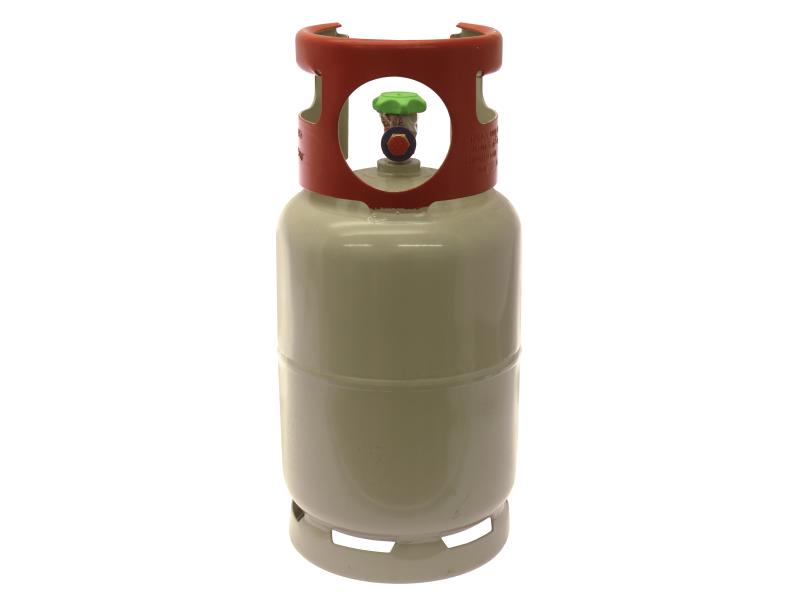
Plus, newer, more efficient refrigerants can mean your air conditioner works better and uses less energy, which is a win-win for everyone. Imagine a system that cools you down effectively and saves you money on your electricity bill. That's the dream, right?
A Little Humor to Keep You Cool
You know, sometimes I think air conditioners have more personality than some people I know. They have their "moods" (when they need a recharge), their "favorite foods" (the right refrigerant), and their "aches and pains" (leaks and clogs). And just like a good friend, when they're happy and well-maintained, they make your life a whole lot better!
Trying to figure out your air con gas can feel like deciphering an ancient scroll, but armed with this knowledge, you're well on your way to becoming an AC guru. Don't be afraid to ask questions, check those labels, and always, always rely on the professionals for anything involving refrigerant!
So, there you have it! You're now equipped with the knowledge to understand what that mysterious "air con gas" is all about. Whether you're dealing with an old faithful or a brand-new eco-friendly unit, knowing the type of refrigerant is key to keeping your cool. Remember, a little bit of understanding goes a long way in ensuring your AC keeps you comfortable all season long. And hey, if your AC ever starts humming a tune, just make sure it’s a happy, cool one!
Now go forth, and may your air conditioner always be full of the right stuff, keeping your home as cool and breezy as a tropical vacation. Stay chill, my friends!

