What Age Can Babies Go Swimming

Ah, the water! There's something undeniably magical about it, isn't there? For us grown-ups, a dip in the pool or a splash at the beach is often about relaxation, exercise, or just plain fun. But for our little ones, that same watery embrace can be an incredible playground for growth and development. Introducing your baby to swimming isn't just about preparing them for future athletic pursuits; it's a fantastic way to bond, build confidence, and explore a new sensory world.
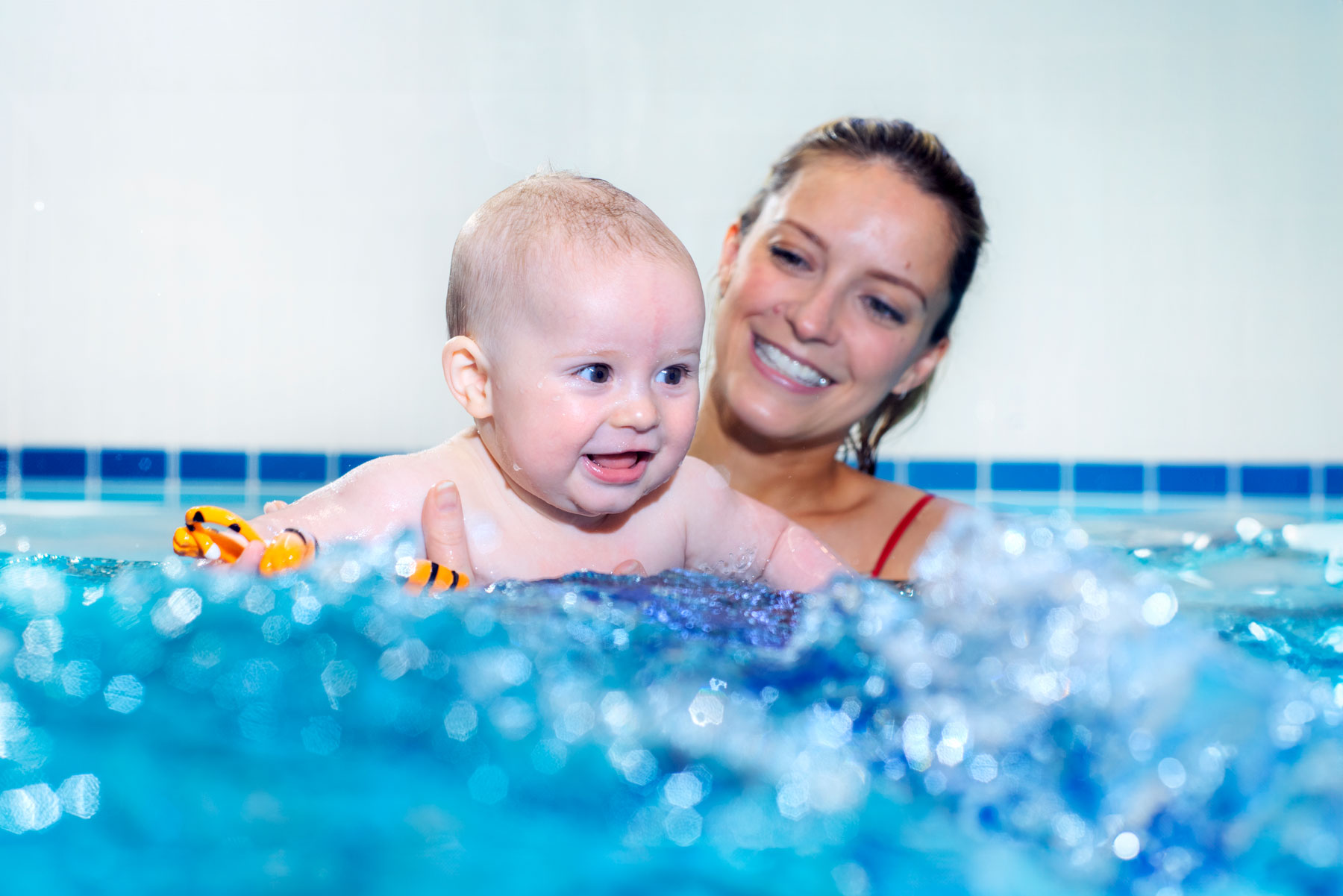
So, the big question on many parents' minds is: what age can babies actually go swimming? The wonderful news is that you don't have to wait very long at all! Many pediatricians and baby swimming instructors agree that babies can start enjoying supervised swimming sessions as early as 6 months of age. Some even say from birth, provided it’s a warm, controlled environment and with the utmost safety precautions. Think of it as a gentle introduction, a chance for them to get used to the sensation of water without the pressure of learning formal strokes.
The benefits of introducing babies to water early are surprisingly extensive. For starters, it can significantly boost their physical development. The buoyancy of the water supports their little bodies, allowing them to move limbs more freely and strengthening muscles that might not be as engaged on land. This can lead to improved coordination and motor skills. Beyond the physical, swimming is a phenomenal sensory experience. The feeling of the water, the gentle currents, the sound – it all stimulates their senses in a new and exciting way, contributing to cognitive development. Plus, let's not forget the calming effect water can have. A good swim session can often lead to a wonderfully peaceful nap, a benefit any parent will readily embrace!
Must Read
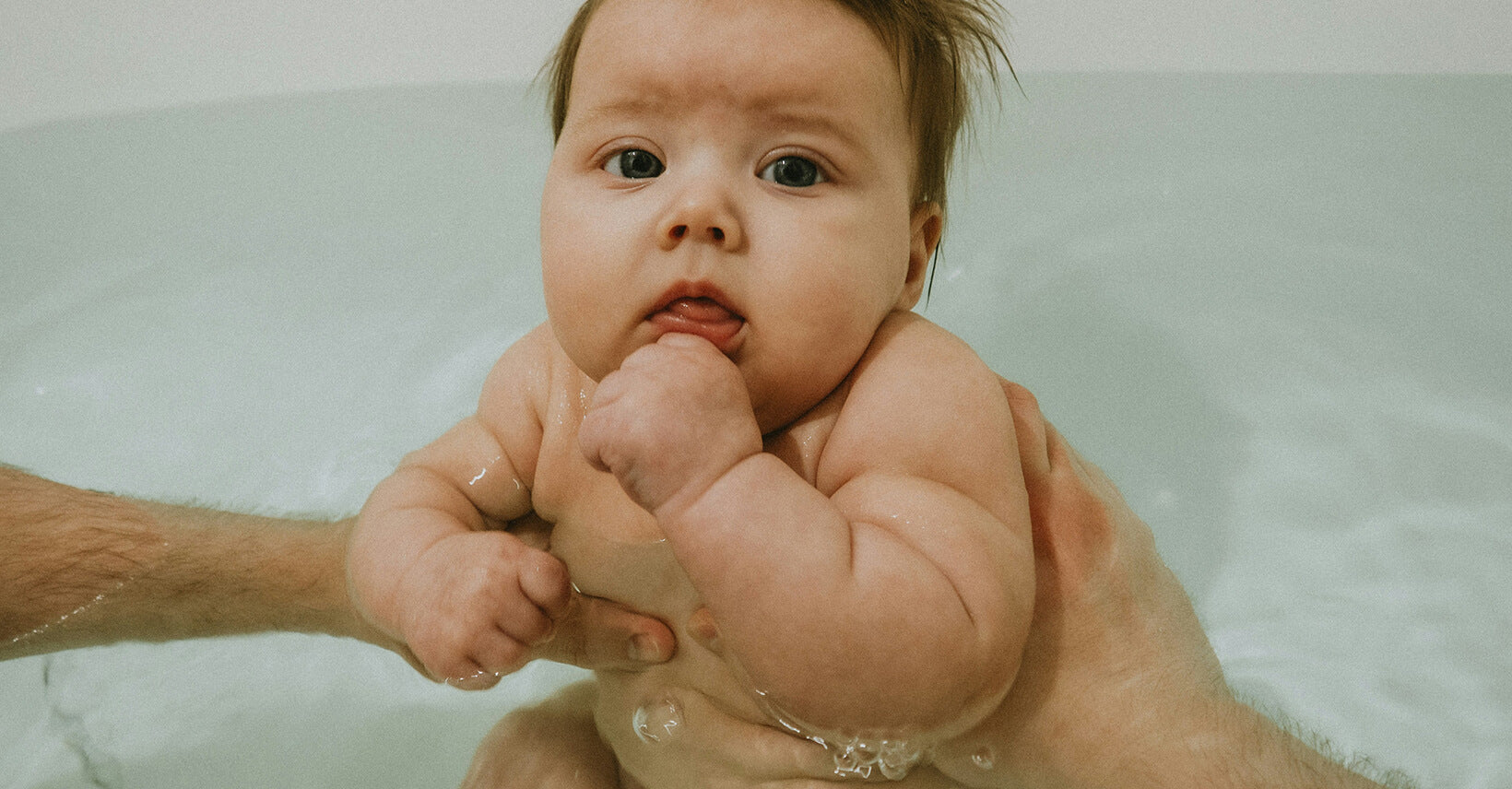
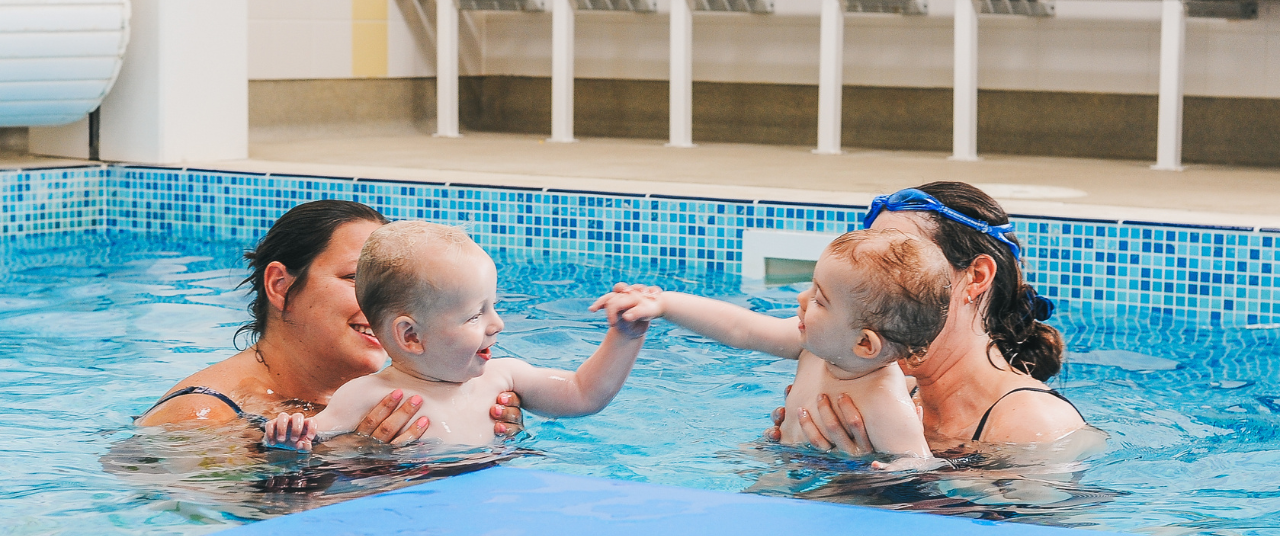
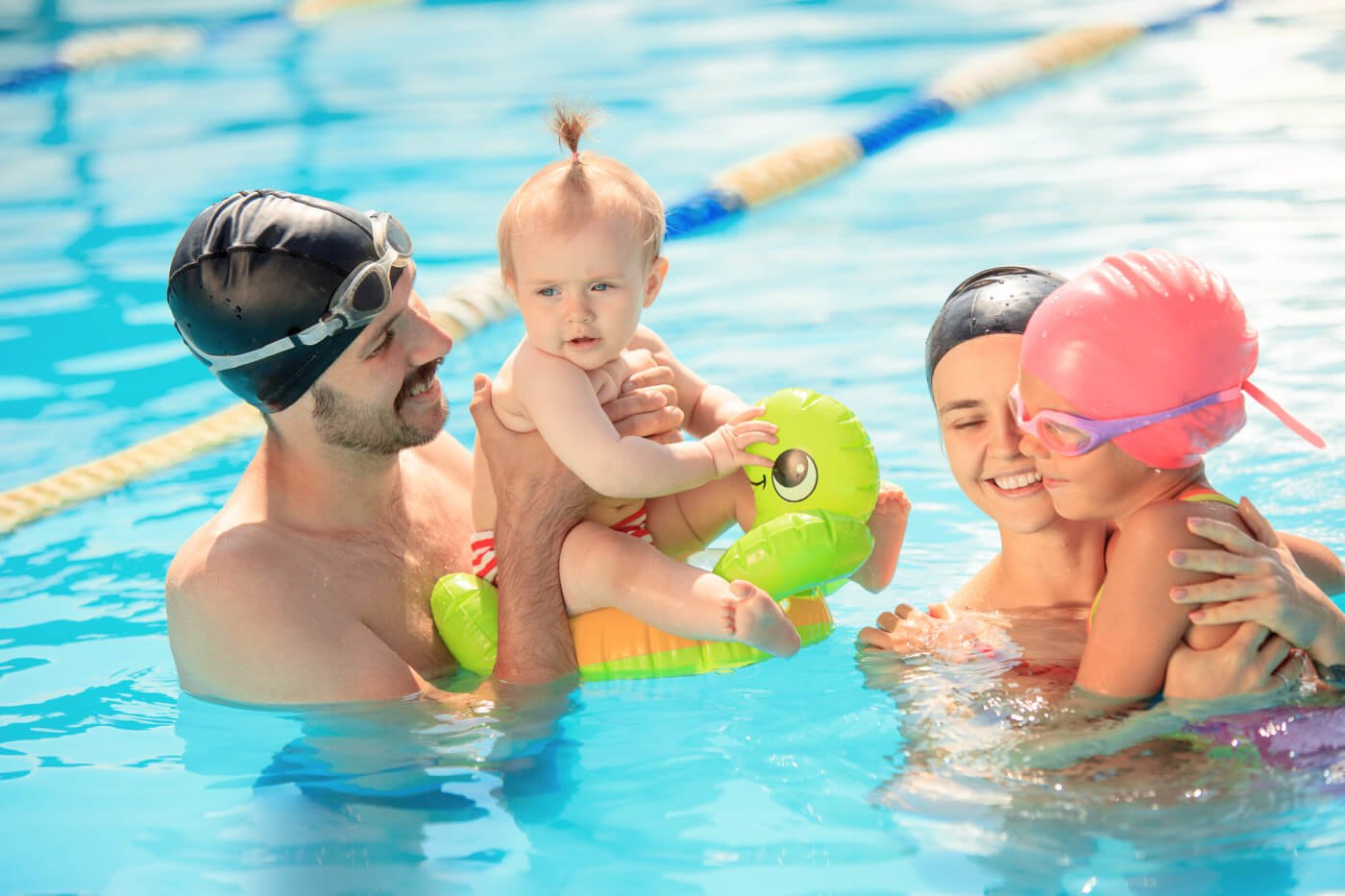
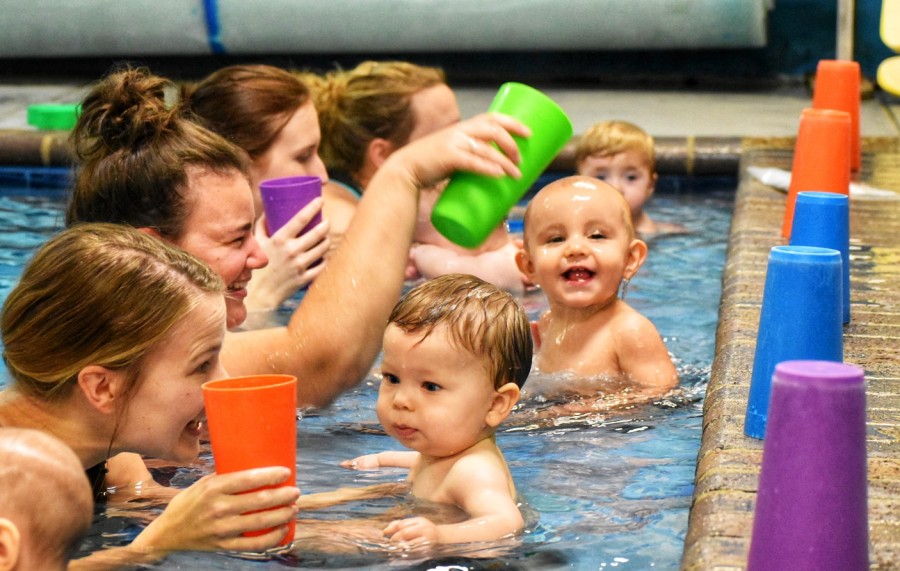
When we talk about "swimming" for babies, it’s important to clarify that we're not expecting them to do laps! It's more about water familiarization and gentle play. Common examples include attending parent-and-baby swimming classes, where instructors guide you through songs, games, and exercises designed to make water a positive and safe experience. These classes often involve holding your baby close, singing, and letting them gently splash and kick. Some parents also opt for simpler bathtub fun, turning bath time into a mini-swim session with floating toys. For older babies, supervised play in a shallow, warm baby pool at a gym or community center is also a great option.
To make your baby's swimming adventures even more enjoyable and effective, here are a few practical tips. First and foremost, safety is paramount. Never leave your baby unattended for even a second. Always maintain close physical contact. Ensure the water temperature is comfortable – typically between 88-95°F (31-35°C) for babies. If you're heading to a public pool, consider a baby-specific swimsuit or a swim diaper to prevent accidents. Bring along their favorite floating toys to make it more engaging. And most importantly, stay relaxed and positive. Your baby will pick up on your cues. If you're having fun and feeling secure, they're much more likely to feel the same way. Don't push them; let them explore at their own pace. Even a few minutes of gentle splashing can be a wonderful experience!