The Difference Between Risk And Hazard
Hey there, curious minds! Ever found yourself chatting about things that could go wrong, and accidentally mixing up your words? It happens to the best of us! Today, we're diving into a super interesting, and honestly, kinda fun, world where two words that sound alike mean totally different things. Get ready to unlock the secret sauce behind Risk and Hazard!
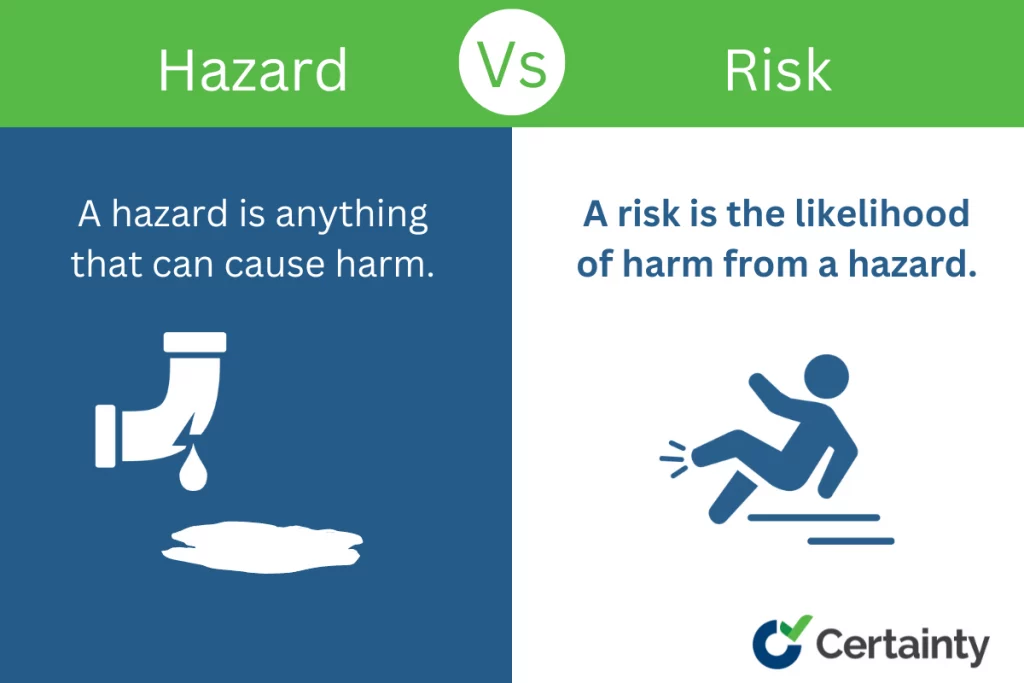
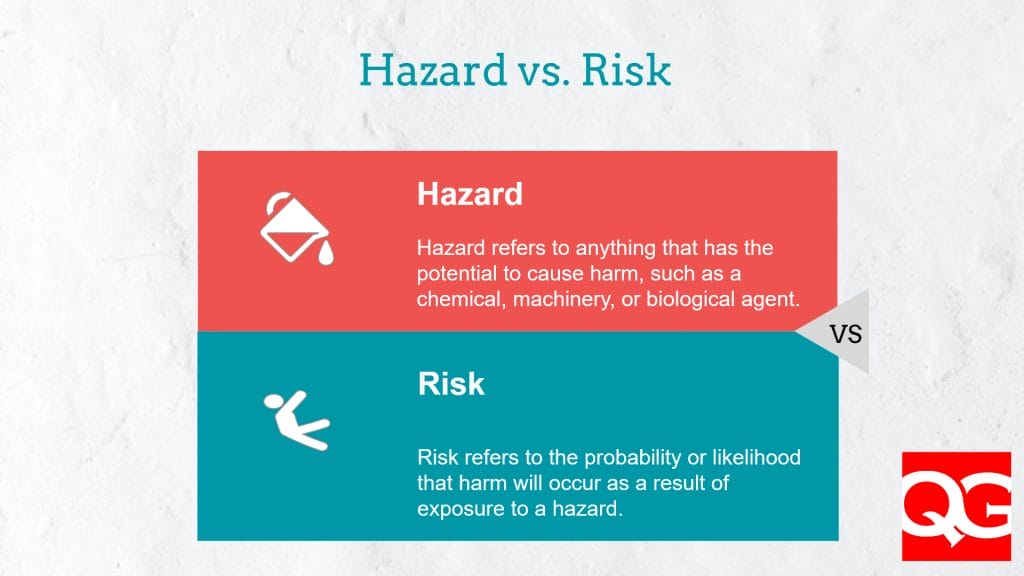
Think of it like this: you're at a party, right? And there's a huge, wobbly pile of Jell-O on the table. That wobbly Jell-O is the hazard. It's just… there. It has the potential to do something, but it's not actively doing anything to you right now. It's like a sleepy lion in its cage. The lion itself is the hazard. It could roar, it could pounce, but for now, it's just chilling.
Now, what about the risk? The risk is what happens if you interact with that hazard. If you decide to poke that Jell-O pile with your finger, that's where the risk comes in. You might get sticky. You might knock the whole thing over. The risk is the chance of something bad happening because of the hazard. So, with our sleepy lion, the risk is the chance that it wakes up and decides you look like a tasty snack. See the difference? One is the thing that could cause trouble, and the other is the chance of trouble actually happening.
Must Read
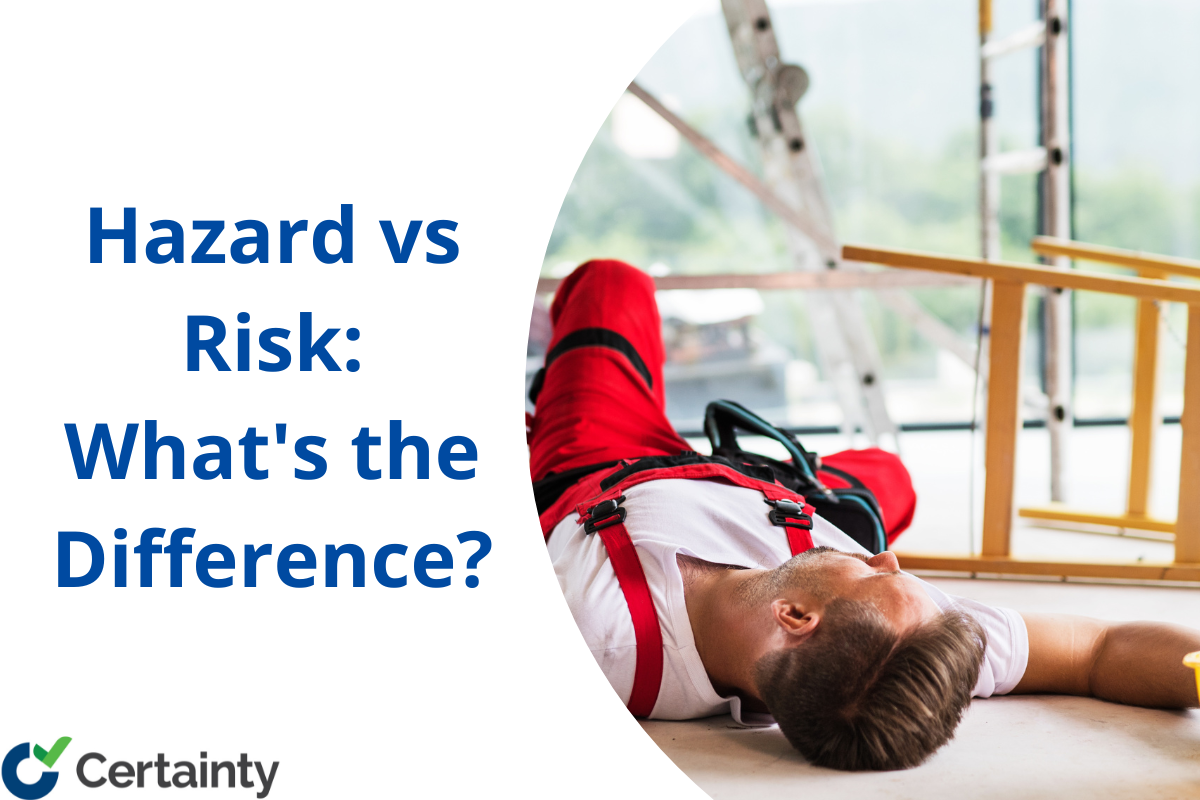
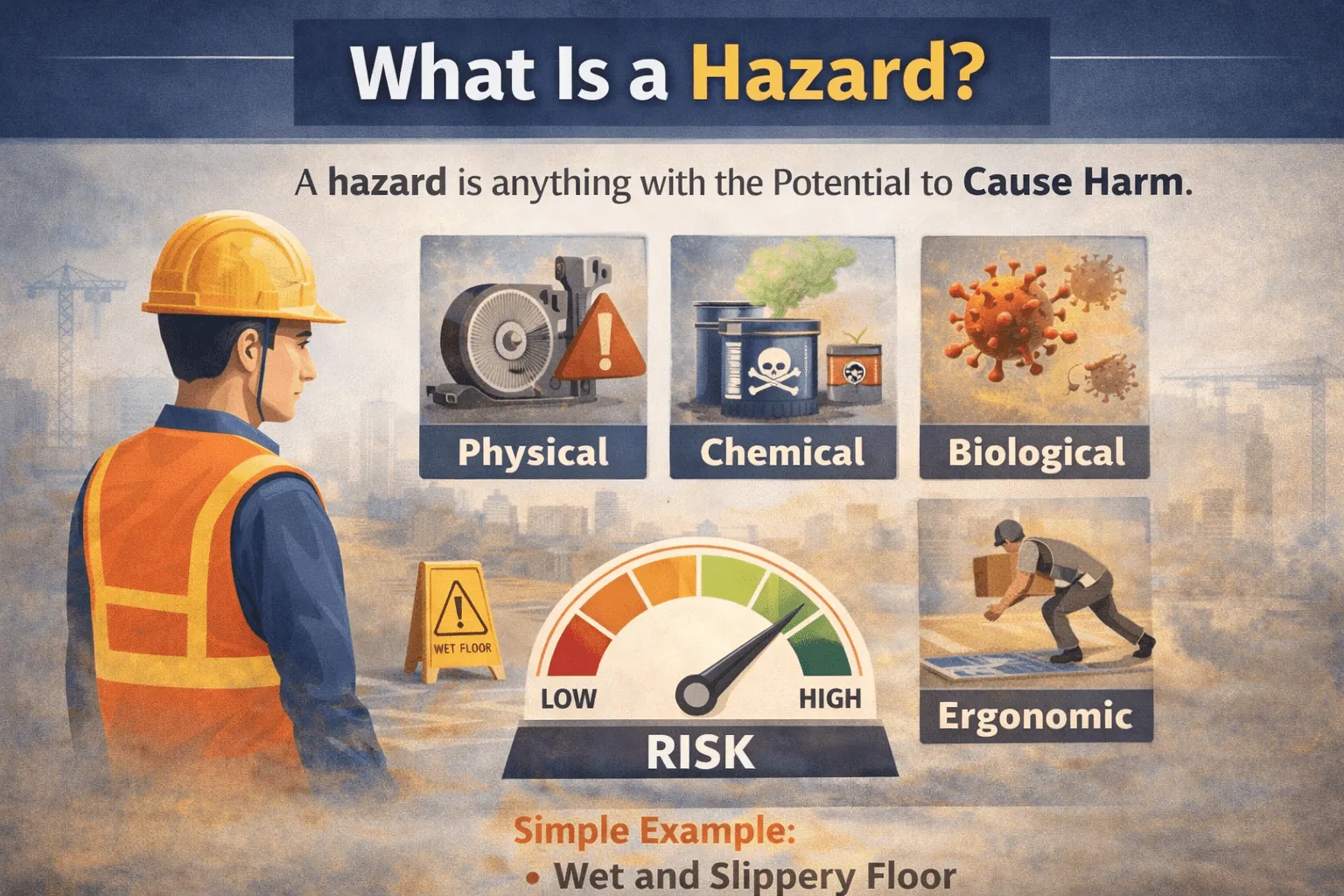
This whole idea is actually super important in so many parts of our lives. It's not just about Jell-O and lions, though that’s a fun starting point! Think about your job. Maybe your workplace has a hazard, like a slippery floor in the breakroom. It's just a slippery floor. But the risk is the chance that you'll slip, fall, and maybe sprain your ankle. The hazard is the slippery floor itself. The risk is the probability of you taking a tumble.
Let’s take it to the extreme for a moment, just for kicks. Imagine you’re an explorer about to climb Mount Everest. The sheer altitude, the freezing temperatures, the thin air – these are all massive hazards. They are the inherent dangers of the mountain. But the risk? That’s the likelihood of you succumbing to frostbite, or the chance of an avalanche burying you. It’s the uncertainty of whether those hazards will actually turn into a disaster for you.
What makes this whole concept so entertaining is how it applies to everyday decisions, often without us even realizing it! You're about to cross a busy street. The speeding cars are the hazard. They are the potential danger. The risk is the chance that you misjudge the speed of a car and get hit. So, you look both ways, you listen, you wait for a gap – you’re managing the risk associated with the hazard. Pretty neat, huh?
It’s like a detective story for your brain! You identify the potential bad guy (the hazard), and then you figure out how likely it is that this bad guy will actually strike (the risk). The more you understand the difference, the better you can be at navigating through life's little (and big!) challenges. It's like having a superpower of foresight!
Think about cooking. A sharp knife is a hazard. It's designed to cut. The risk is the chance that you slice your finger while chopping onions. If you're careful, use a cutting board properly, and keep your fingers tucked, you're reducing the risk. The hazard (the knife) is still there, but the chances of something going wrong are much lower. It’s all about being smart and aware!
What makes this distinction so special is its simplicity, yet its profound impact. We often use these words interchangeably in casual conversation, but understanding the nuance can really sharpen our thinking. It's like learning a magic trick – once you know the secret, you see it everywhere! It's not dry or boring; it's about understanding the world around you in a more precise and, dare I say, exciting way.

Consider online security. A phishing email is a hazard. It's a digital lure designed to trick you. The risk is the chance that you click on the suspicious link and give away your personal information. Knowing the difference helps you spot the hazard (the dodgy email) and avoid the risk (losing your data). It’s a real-life game of avoiding digital pitfalls!
This is where the fun really begins. When you start seeing the world through the lens of hazard and risk, you begin to appreciate the careful planning that goes into everything from roller coasters (the height and speed are hazards, the chance of a malfunction is the risk) to your morning commute (traffic is a hazard, the chance of being late is the risk). It’s like gaining X-ray vision for potential problems!
So, the next time you hear someone talking about danger, pay attention! Are they describing the thing that could cause harm (the hazard), or are they talking about the chance of harm occurring (the risk)? It’s a subtle difference, but one that can make a world of difference in how we understand and prepare for the unexpected. It's not just about avoiding bad stuff; it's about understanding the odds. And who doesn't love a good set of odds?
It's the kind of knowledge that makes you feel a little bit smarter, a little bit more in control, and a whole lot more aware of the amazing, sometimes tricky, world we live in. So, go forth and embrace the difference! It's a surprisingly entertaining journey of discovery, and you never know what insights you might uncover along the way. Happy hazard hunting and risk wrangling!